

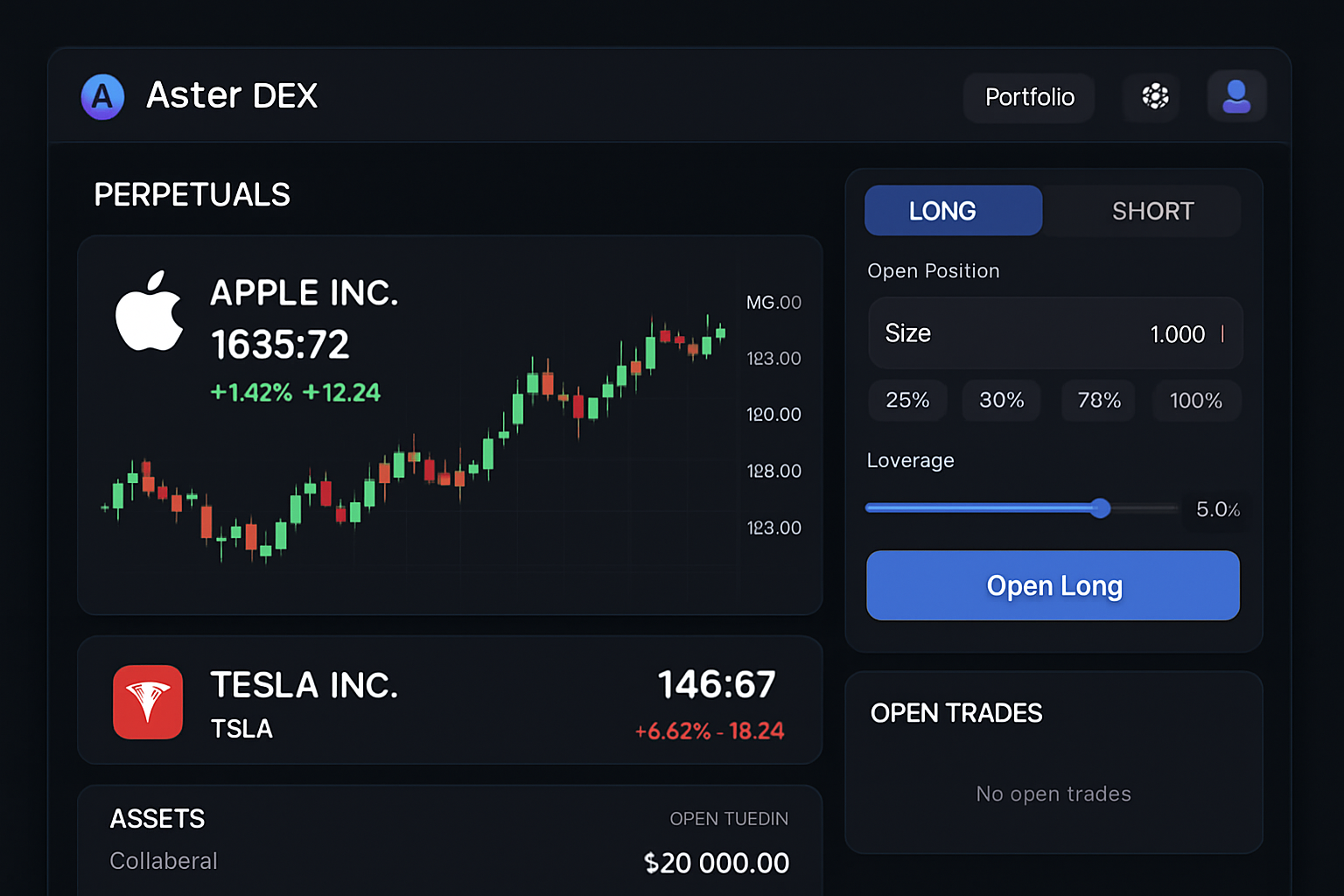
Perpetual stock futures trading is rapidly evolving, and Aster DEX stock perps are now at the forefront of this on-chain revolution. With Aster’s recent merger and explosive $11.57B daily volume, traders can tap into 24/7 exposure to U. S. equities like Apple and Tesla, all without touching a traditional brokerage. If you’re looking for a streamlined, non-custodial way to speculate on major stocks with leverage, Aster’s perpetual contracts offer a new paradigm for both crypto natives and equity traders.
What Sets Aster DEX Stock Perps Apart?
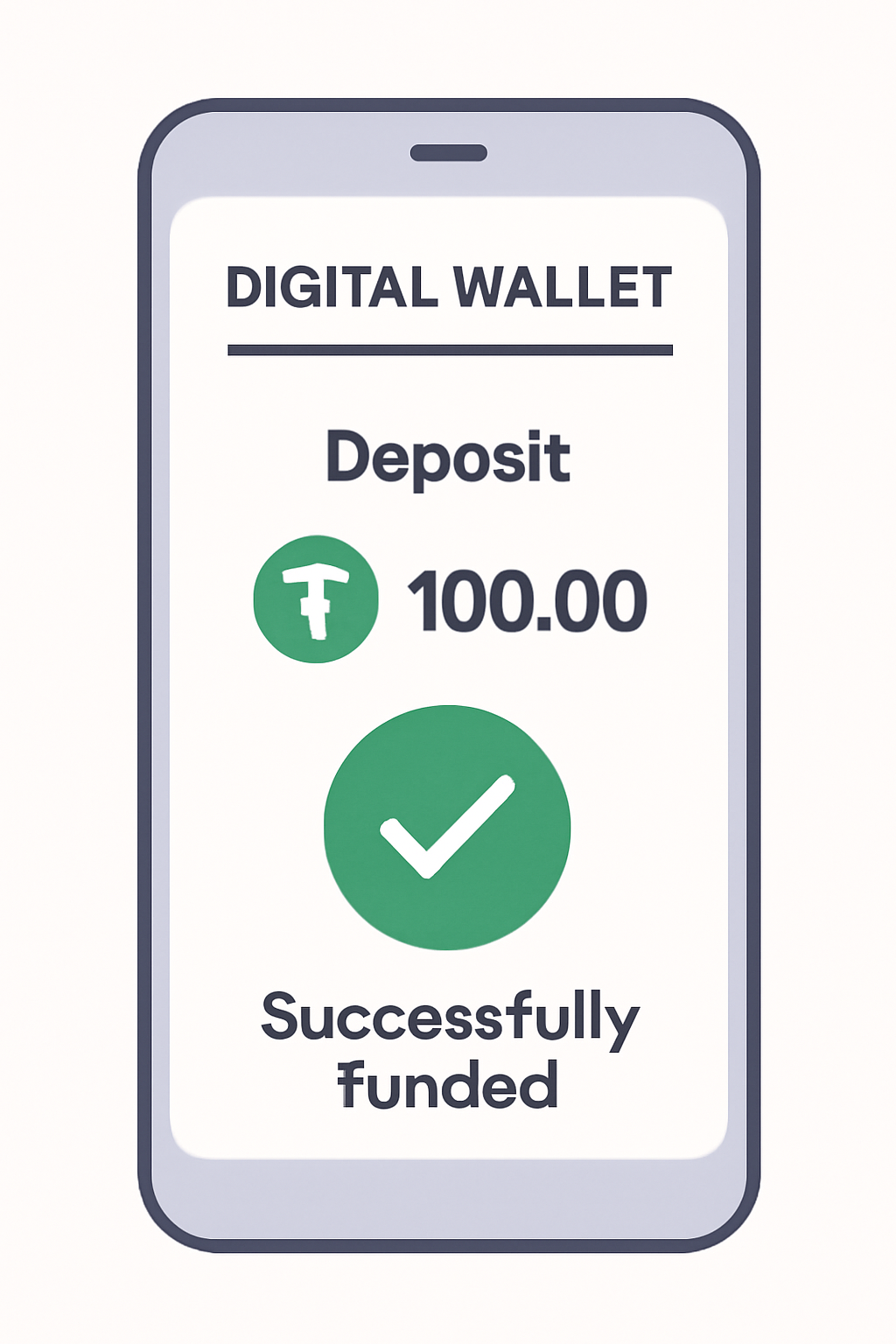
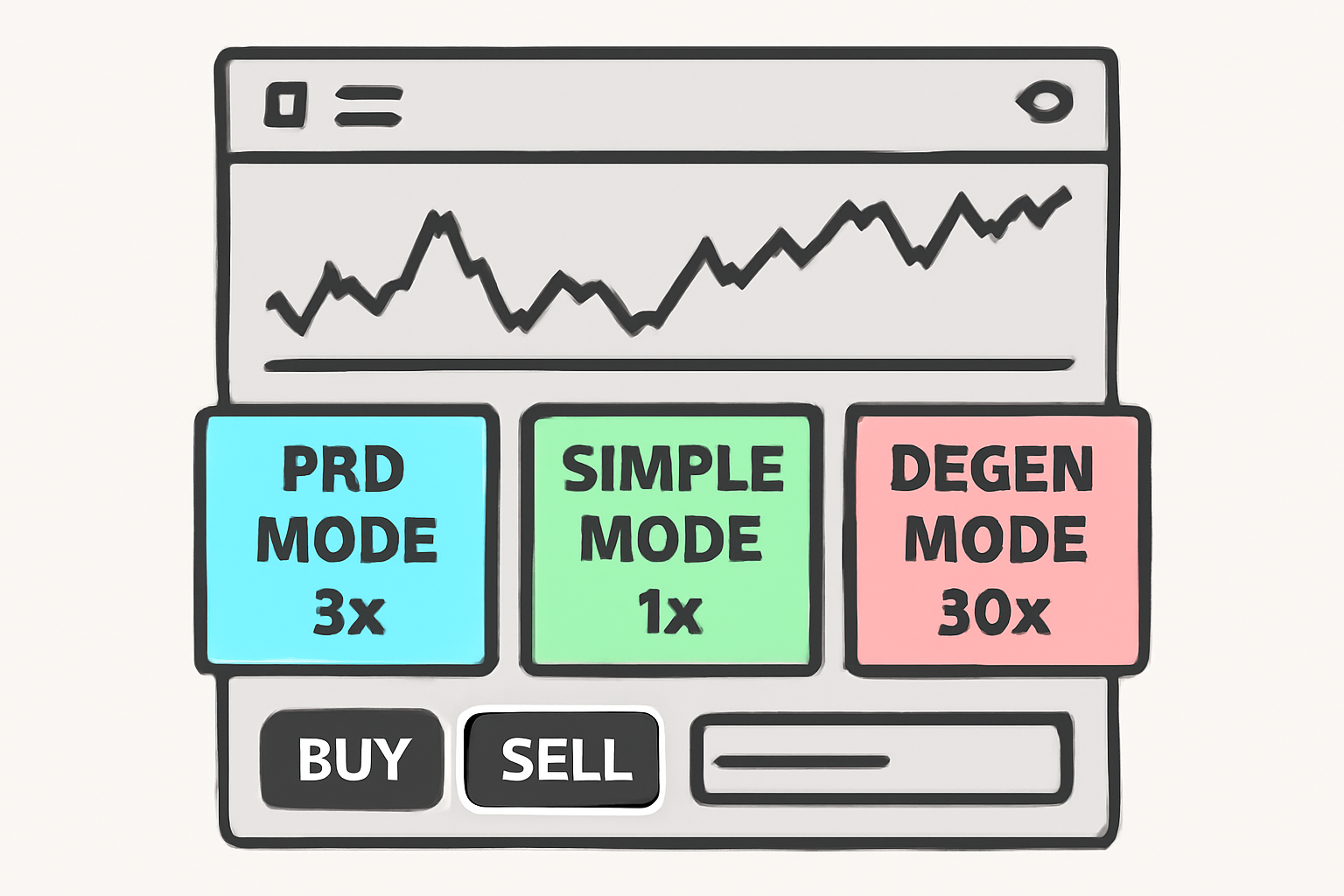
The launch of perpetual stock futures on Aster DEX is a major milestone for on-chain stock trading. Unlike legacy platforms, Aster’s contracts are fully settled in USDT, sidestepping fiat rails and legacy settlement delays. This means you can go long or short on leading U. S. stocks 24/7, with leverage up to 50x in Pro Mode. For those seeking even more adrenaline, Simple and Degen Modes allow up to 1001x leverage on select pairs, although such high leverage is best left to experienced risk-takers.
The platform’s merger between Astherus and APX Finance in late 2024 has resulted in a robust trading infrastructure that blends yield-generating DeFi products with advanced perpetual markets. As a result, Aster is not just competing with other perp DEXs, it’s outpacing many, topping DeFi fee charts and generating over $25 million in protocol fees according to recent data. This liquidity translates directly into smoother fills and lower slippage, especially during peak Wall Street hours.
Fee Structure: How Much Does It Cost to Trade on Aster?
Competitive fees are a core part of Aster’s offering. In Pro Mode, which is the default for most stock perps, the maker fee is an ultra-low 0.01%, while takers pay 0.035%. Traders who pay fees with the native $ASTER token receive an additional 5% discount, making this one of the most cost-effective venues for high-frequency and size traders. For those using Simple or Degen Modes, there are no opening fees at all, only closing fees, which are dynamic in Degen Mode.
It’s crucial to factor in funding rates, which are exchanged every 8 hours between longs and shorts to keep perp prices anchored to spot. These rates fluctuate based on market imbalances, so always check the latest funding before sizing up your position. For high-volume traders, VIP tiers unlock further discounts, rewarding liquidity provision and active trading.
Leverage Options and Margin Modes: Tailor Your Risk
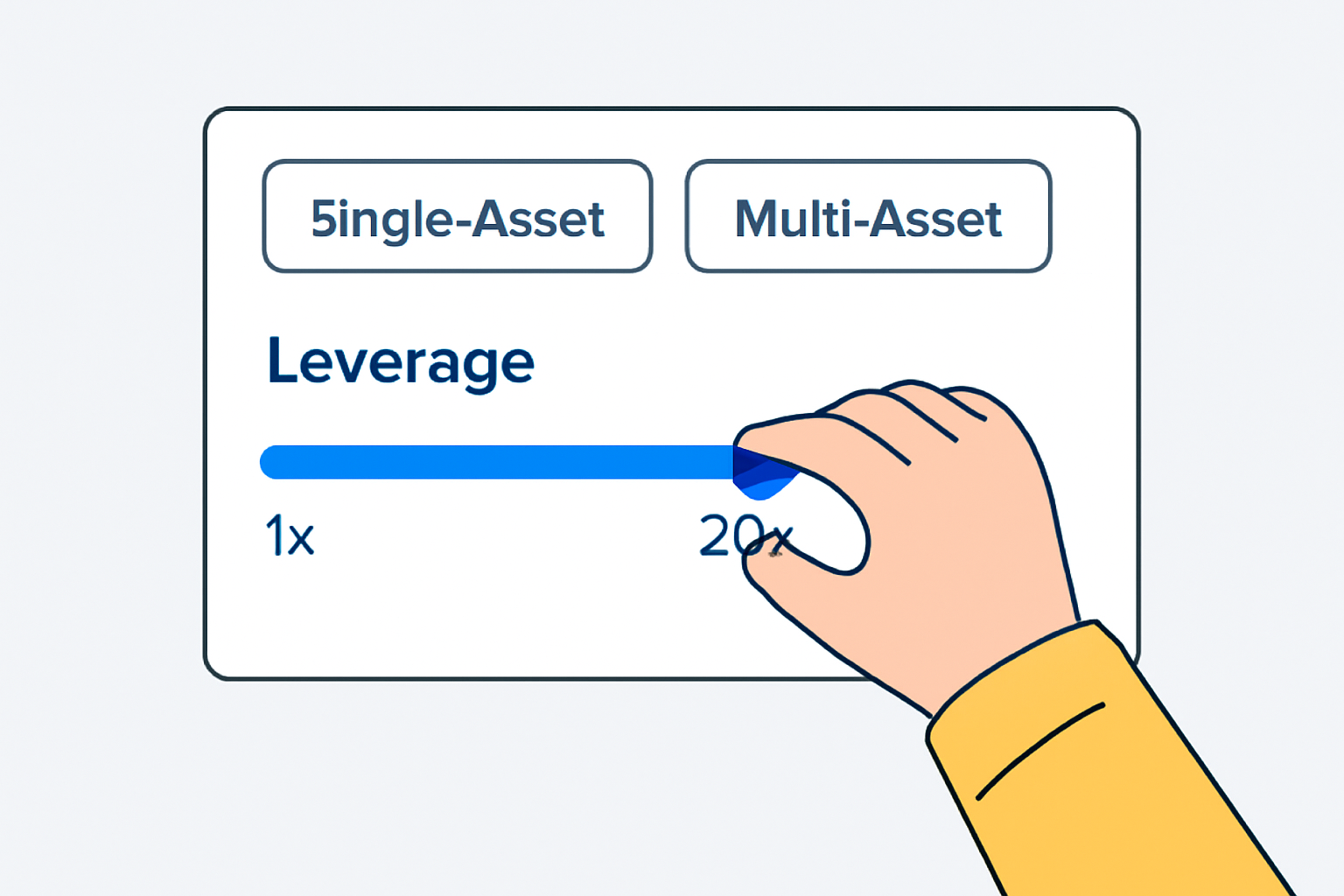
Aster’s leverage options are among the most flexible in the industry. For stock perpetuals, Pro Mode supports up to 50x leverage, enough for most traders seeking amplified equity exposure. Simple and Degen Modes, offering up to 1001x leverage, cater to short-term speculators willing to accept extreme risk for outsized returns.
Risk management is non-negotiable at these levels. You can choose between Single-Asset Margin, which isolates your risk to one collateral type (protecting your other positions), or Multi-Asset Margin, which shares margin across your portfolio for greater capital efficiency. Remember, at 100x leverage, even a 1% move against your position can wipe out your margin. Always use stop-loss orders, size conservatively, and never trade more than you can afford to lose.
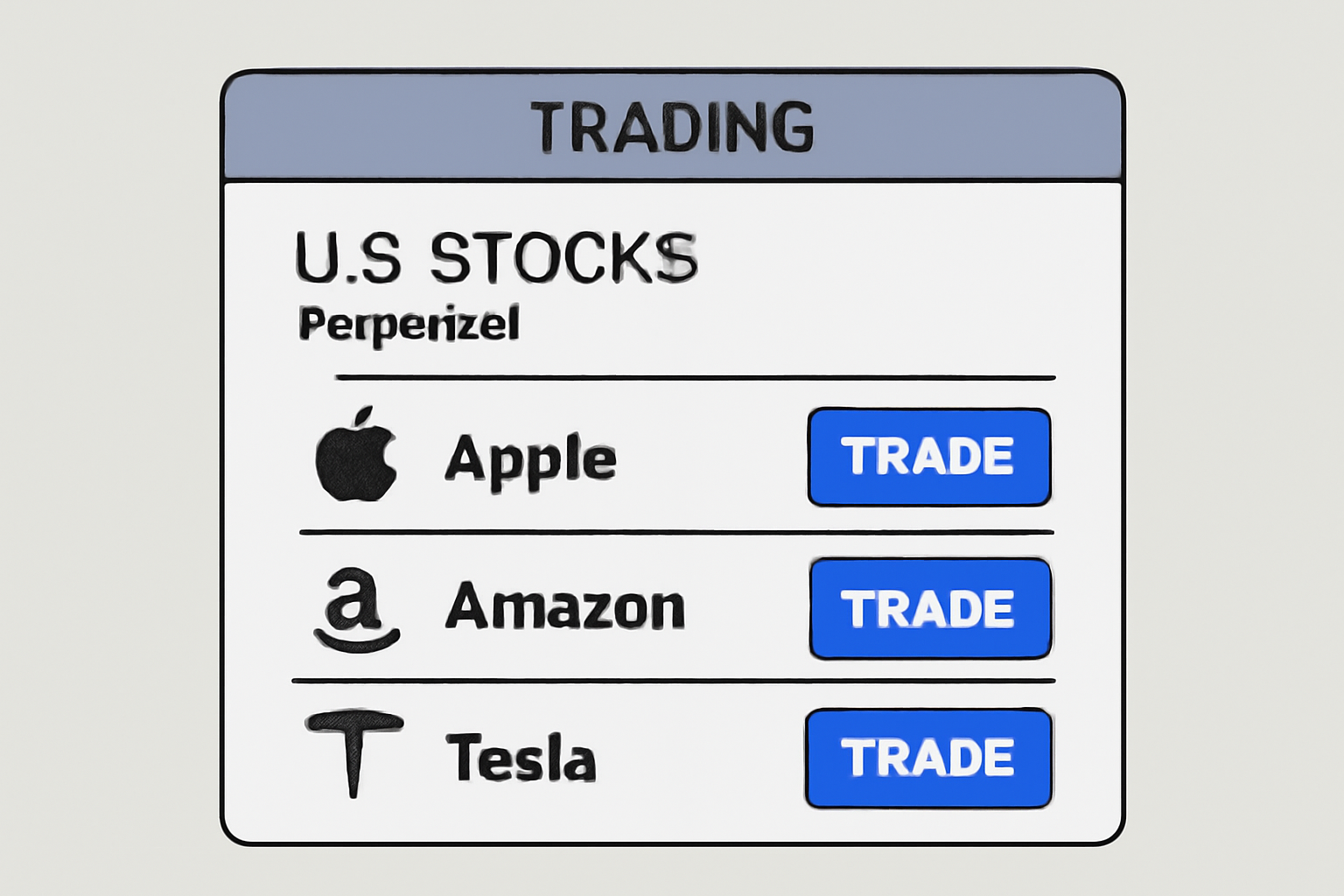
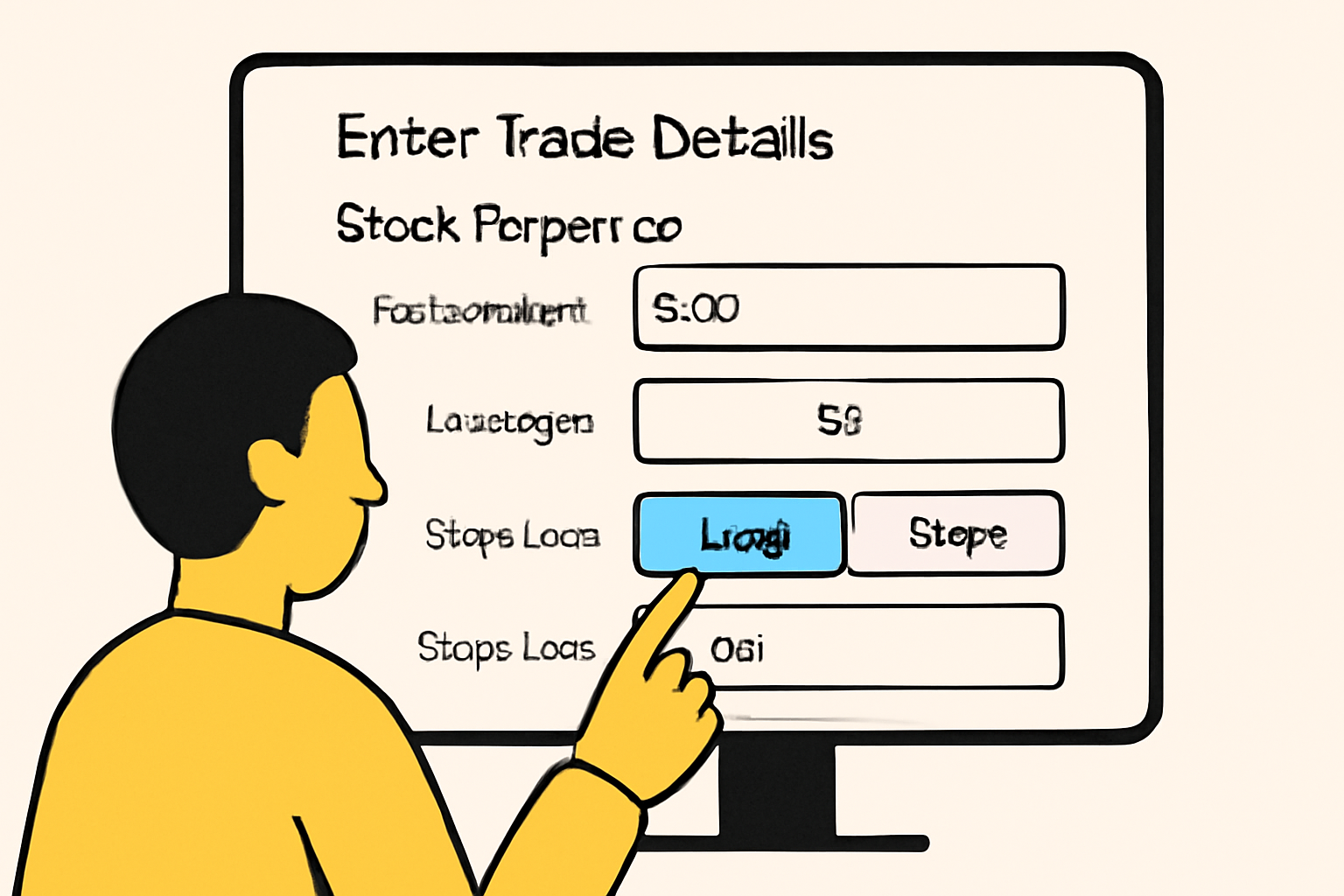
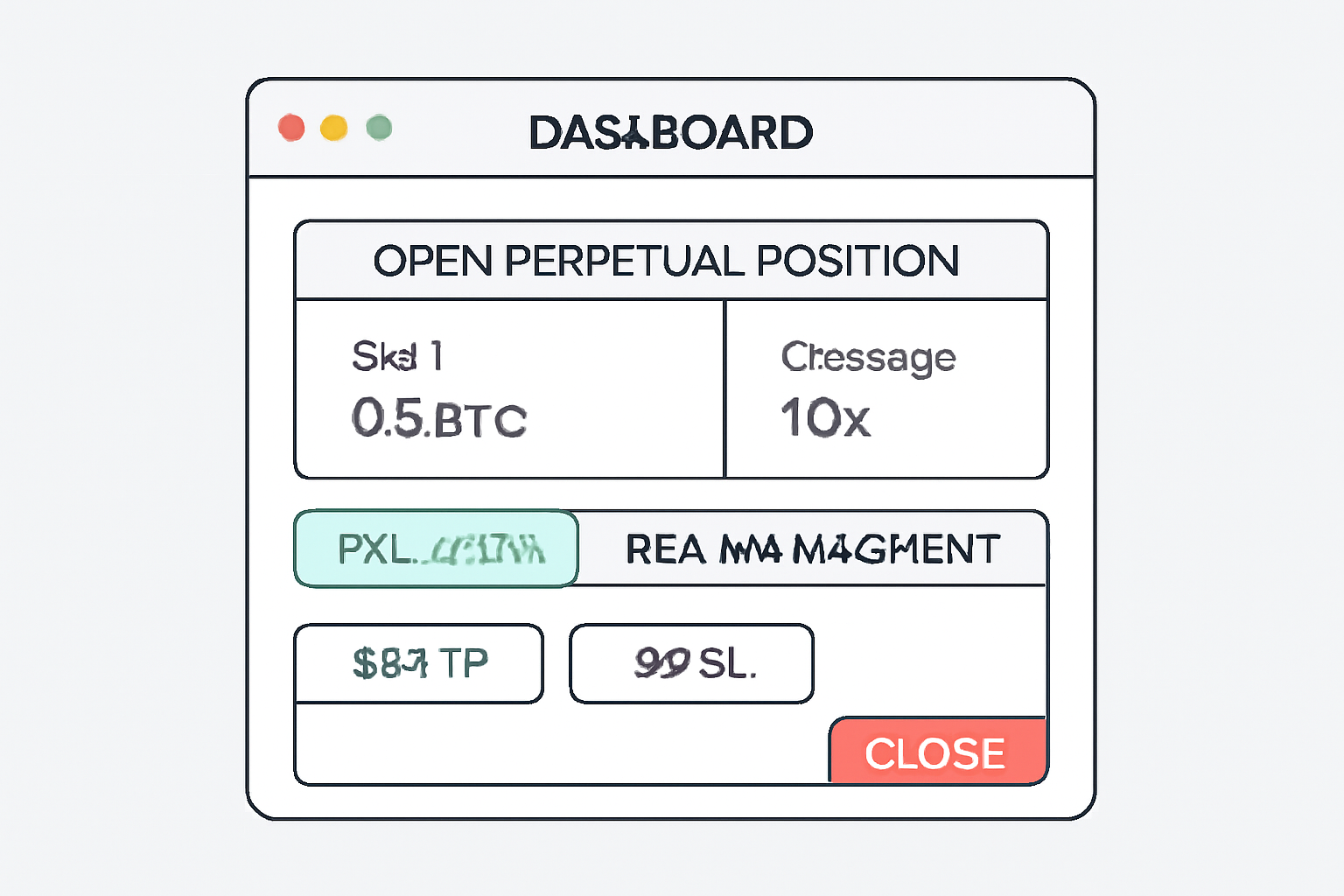
How to Open a Stock Perpetual Position on Aster DEX

24/7 Markets and On-Chain Equity Access
The true breakthrough with crypto stock perps on Aster is uninterrupted market access. Traditional U. S. equity markets close daily, but Aster’s stock perpetuals operate around the clock. This enables traders to react instantly to after-hours earnings, macro shocks, or global news cycles, all while remaining fully non-custodial and on-chain.
Liquidity remains deepest during U. S. market hours, but you can always find action in major tickers thanks to Aster’s deep liquidity pools. If you’re interested in broader strategies for synthetic equity trading on decentralized exchanges, check out our comprehensive guide at How to Trade Equity Perps 24/7: Synthetic Stock Indices on Perp DEXs.
For those accustomed to centralized brokers, the shift to non-custodial equity trading on Aster DEX is both liberating and demanding. There are no account approvals or settlement lags, but you alone are responsible for wallet security and trade execution. This self-custody model is a double-edged sword: it empowers sophisticated traders to operate globally, but also requires vigilance against phishing, smart contract risks, and volatile price swings.
| Feature | Aster DEX Stock Perps | Centralized Brokers |
|---|---|---|
| Trading Hours | 24/7, global | Limited (typically 9: 30am-4pm ET) |
| Leverage (Stocks) | Up to 50x (Pro Mode) | 2x (Reg T margin) |
| Custody | Non-custodial, on-chain | Broker-controlled |
| Fees | 0.01% maker/0.035% taker (Pro Mode) | Varies, often higher; hidden costs |
| Settlement | USDT, instant | USD, delayed (T and 2) |
Who should consider Aster DEX stock perps? Advanced traders seeking global, round-the-clock access to U. S. equities without traditional intermediaries will find Aster’s offering compelling. The platform’s flexibility in leverage, margin modes, and fee discounts is designed for those who understand both the rewards and risks of perpetual stock futures trading.
That said, beginners should approach with caution. High leverage can be seductive but unforgiving; a disciplined approach, backed by robust risk controls and a clear understanding of perpetual mechanics, is essential. If you’re new to the space or want a more foundational overview, our complete guide to trading perpetual stock futures on decentralized exchanges is a must-read before diving in.
What’s Next for On-Chain Stock Perpetuals?
Aster’s rapid ascent, now clocking $11.57B in daily volume, signals a clear appetite for decentralized equity exposure. As smart contract infrastructure matures and more liquidity migrates on-chain, expect tighter spreads, deeper order books, and even more innovative products (think sector baskets or thematic indices) on platforms like Aster.
The competitive fee structure (0.01% maker/0.035% taker in Pro Mode), paired with seamless USDT settlement and non-custodial control, sets a new standard for crypto stock perps. Whether you’re hedging a portfolio, speculating on earnings, or arbitraging between TradFi and DeFi markets, Aster DEX offers a robust toolkit for the next era of perpetual stock futures trading.
If you’re ready to take the plunge or want to compare other on-chain equity venues, explore our in-depth resources at How to Trade Equity Perpetuals: A Guide to 24/7 S and P 500 and Nasdaq100 Perp DEXs. As always, adapt to the market, but never abandon your edge.



No comments yet. Be the first to share your thoughts!