
Imagine trading a market that never closes, moves with machine-like precision, and doesn’t care about the latest economic headlines or political drama. That’s the promise of synthetic indices trading in 2025. For day traders and crypto strategists looking to maximize opportunity and minimize news risk, synthetic indices are not just another asset class - they’re a tactical upgrade.
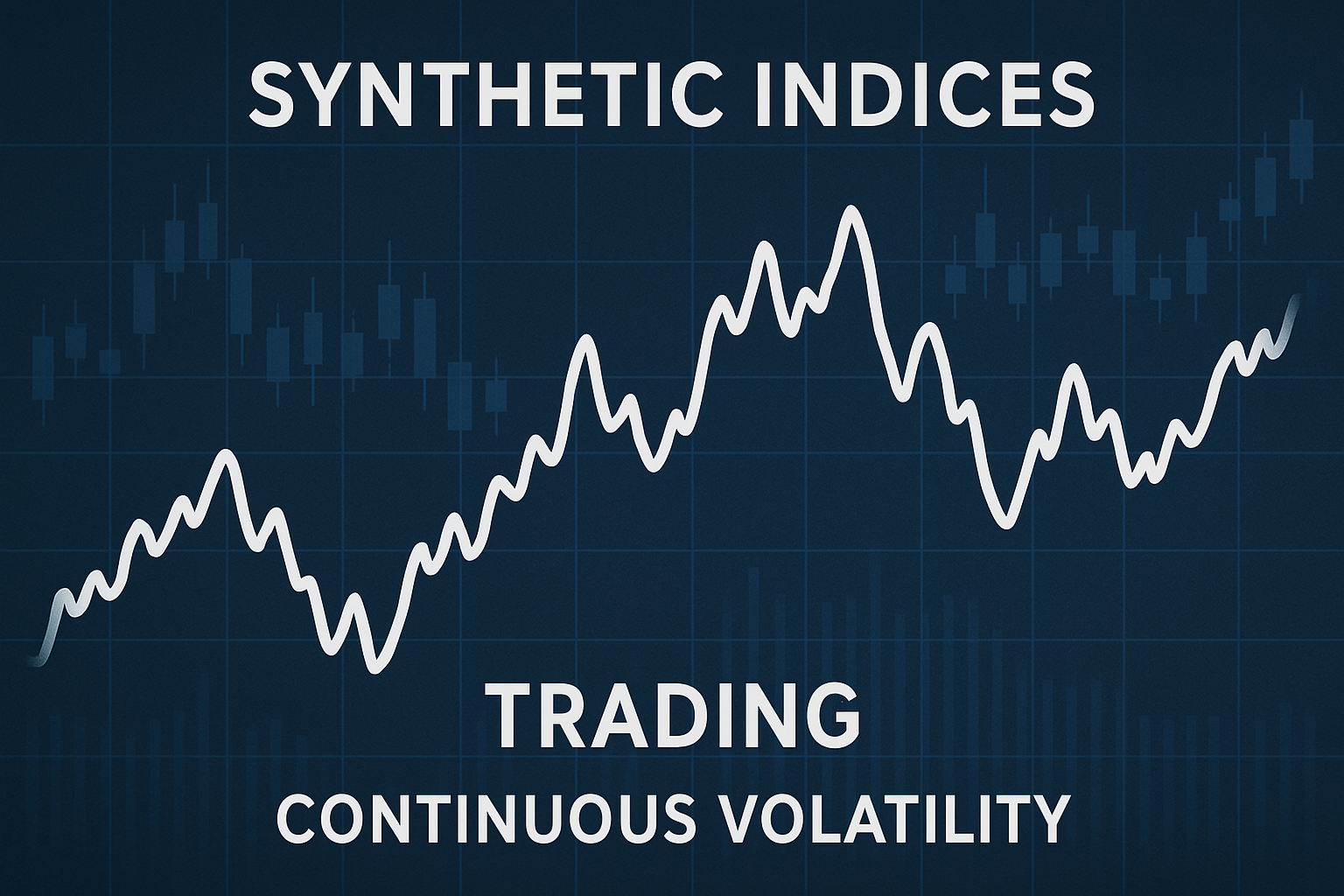
Synthetic Indices: 24/7 Volatility Without the Noise
Synthetic indices are algorithmically generated markets engineered to mirror real-world price action, but with one critical difference: they’re immune to external shocks. There’s no overnight gap when Asia opens, no wild swings on CPI prints, no central bank surprises. Each tick is driven by mathematical models, not macro events.
This means you can trade 24/7, choosing your own hours and rhythm. Whether you’re in New York or Singapore, there’s always a chart moving - Volatility 10 for steady moves, Volatility 100 if you crave adrenaline. No more waiting for Monday open or sweating weekend headlines.
Why Traders Are Flocking to Synthetic Indices in 2025
The core appeal? No market gaps. No news risk. Consistent volatility. That’s a rare trifecta for active traders:
- Continuous access: Trade anytime, any timezone.
- No event-driven spikes: Price action is purely technical - perfect for those who rely on charts and indicators.
- Diverse volatility settings: Choose your level of risk and movement intensity by switching between indices like Volatility 10, 25, 50, 75, or 100.
- No liquidity worries: These markets offer infinite liquidity thanks to their algorithmic design.
If you’re tired of waking up to stop-outs from overnight news or watching setups get blown apart by surprise headlines, synthetics are your edge. This is pure price action - uninterrupted and predictable within its volatility band. For a deep dive into how perpetual synthetic markets stack up against traditional DEXs, check out our guide: Synthetic Indices vs Perp DEXs: Where Can You Really Trade 24/7?
The Mechanics: How Synthetic Indices Work (And Why It Matters)
Synthetic indices aren’t backed by stocks or commodities; instead, they’re powered by transparent algorithms designed to mimic real market randomness while maintaining set volatility levels. This structure creates an environment where technical analysis reigns supreme and every move is traceable back to the underlying code - not unpredictable real-world events.
You’ll find options like:
- Volatility Indices (V10-V100): Each index offers a fixed level of daily price movement intensity.
- Step Index and Crash/Boom Indices: For those seeking unique patterns or higher risk/reward profiles.
The key? Your broker generates these prices using provable random number generators (RNGs).
Brokers like Deriv and ThinkMarkets have made synthetics accessible with robust platforms and demo accounts so you can test strategies before risking capital. But remember: always vet your broker’s reputation since all pricing flows through their infrastructure.
Tactical Setup: Getting Started With Synthetic Indices Trading
If you want to capitalize on this new frontier in perpetual trading, here’s how to get started:
- Select a reputable broker: Look for platforms offering transparent synthetic products with reliable execution (I recommend starting with demo mode first)
- Create your account: Registration is usually frictionless; most platforms support instant demo access so you can practice without risk
- Select your preferred index: Match the volatility setting to your strategy (steady scalps vs high-octane swings)
- Create a technical gameplan: Since news doesn’t matter here, focus on price action setups - trendlines, breakouts, momentum indicators all come into play
- Tighten up risk management: Even algorithmic markets can spike; use stop-losses religiously and size positions based on account equity (I never risk more than 1-2% per trade)
The bottom line? If you want round-the-clock opportunity without headline headaches or unpredictable gaps, synthetic indices belong in your arsenal. For more advanced strategies using specific indices like V75 or Step Index 200 for consistent profits, explore our tactical breakdown here: Synthetic Perpetual Indices Guide.
Traders who thrive on technical setups will find synthetic indices to be a revelation. With news risk stripped away, every price movement is a product of volatility settings and algorithmic randomness, not central bank jawboning or surprise earnings. This means your edge comes down to pattern recognition, discipline, and execution, no more blaming the Fed for a busted trade.
Top 3 Volatility Indices for 24/7 Trading
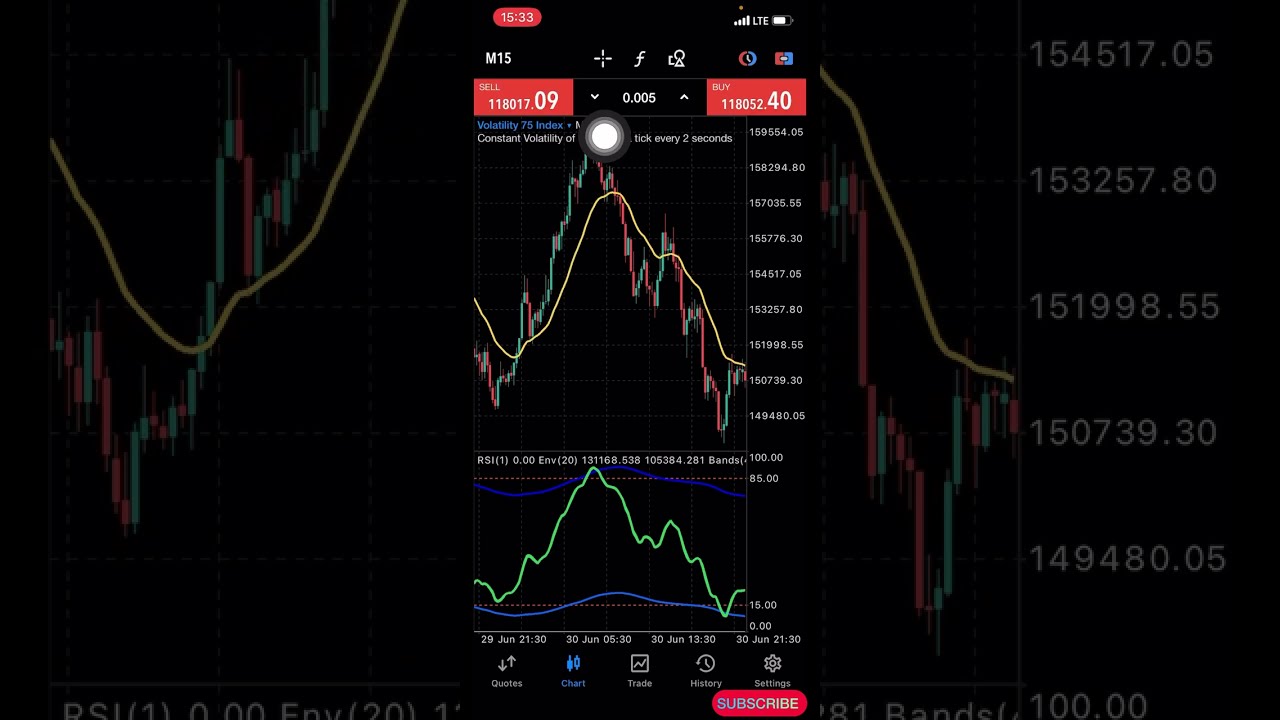
- Volatility 75 Index (VIX 75): Known as the most popular synthetic index, Volatility 75 offers high, consistent volatility and is available for trading 24/7. Its price movements are algorithmically generated, making it a favorite among traders seeking fast-paced action without the risk of news-driven market gaps. Ideal for experienced traders who thrive on rapid price swings.
- Volatility 100 Index (VIX 100): Volatility 100 is designed for those who want to experience the highest level of price movement intensity. With double the volatility of VIX 50, this index is perfect for advanced traders looking for maximum trading opportunities around the clock. Expect sharp and frequent price changes, demanding strong risk management.
- Volatility 25 Index (VIX 25): For traders seeking a balance between risk and opportunity, Volatility 25 provides moderate, steady price action. Its consistent volatility makes it suitable for both beginners and seasoned traders who prefer a more controlled environment without sacrificing 24/7 market access.
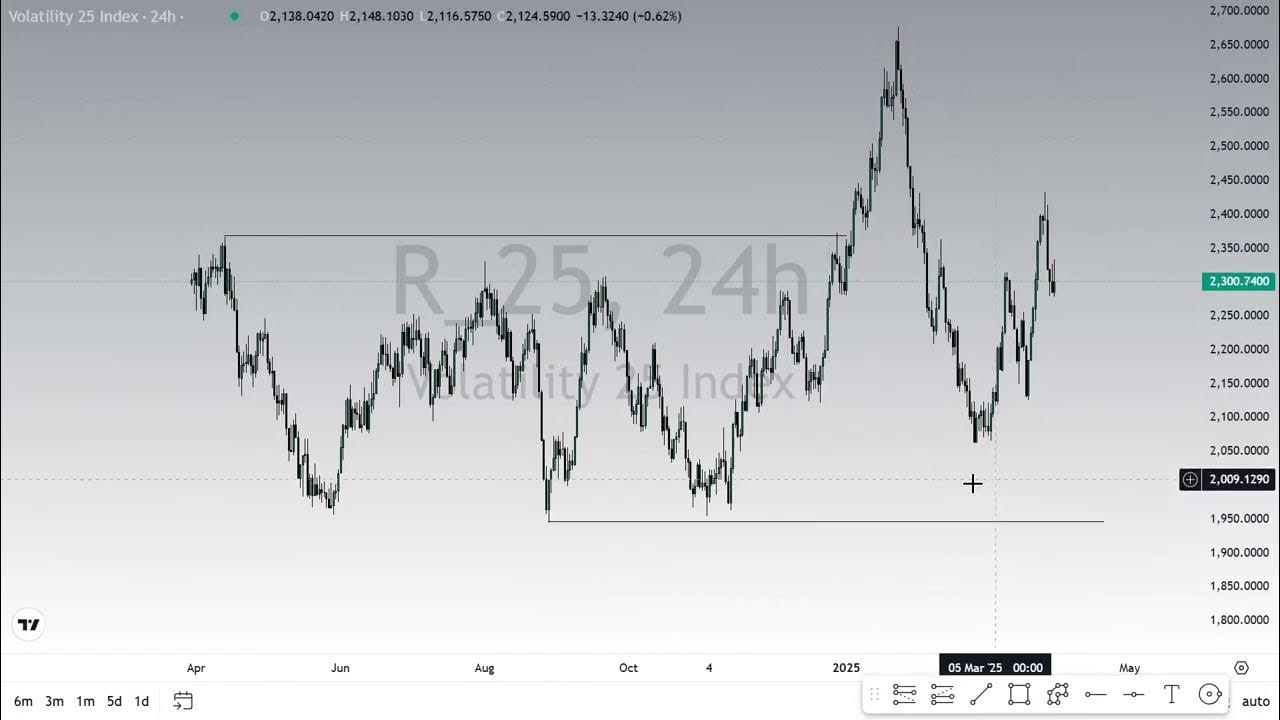
Another advantage is infinite liquidity. Forget about slippage or thin order books in the middle of the night, synthetic markets are engineered to fill orders instantly at quoted prices. This makes them ideal for scalpers and high-frequency traders who need reliability at all hours.
Risk Management: Mastering the Synthetic Indices Game
Even with predictable volatility, synthetic indices can move fast, sometimes faster than you expect. That’s why risk management isn’t optional; it’s your lifeline. The best traders set hard stop-losses, size positions conservatively (never more than 1-2% of capital per trade), and stick to their plans even after a string of wins or losses.
If you’re new to algorithmic markets, start with demo mode until you’ve logged at least 100 trades. Track your win rate, average loss size, and emotional triggers, this data is gold for refining your approach before risking real money.
Strategy Spotlight: Technical Tactics That Work in Synthetics
Synthetic indices reward traders who master chart analysis over headline chasing. Here are proven tactics:
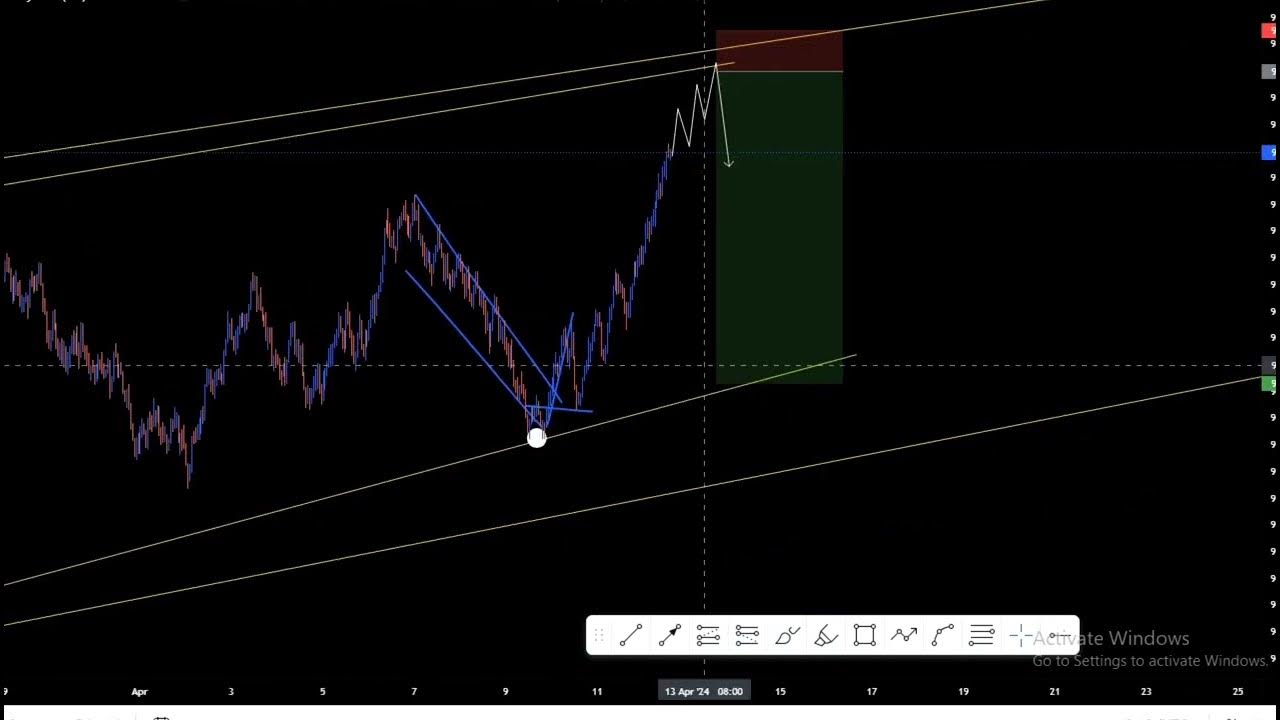
- Breakout Trading: Identify consolidation zones and trade breakouts with tight stops.
- Trend Following: Use moving averages or momentum indicators to ride established trends.
- Mean Reversion: Fade overextensions when price strays far from its average, especially effective in lower-volatility synthetics.
- Scalping Volatility: Take small profits on rapid moves during high-volatility sessions like V75 or V100.
The key is consistency, don’t deviate from your plan when faced with a losing streak or sudden spike. The market will always give you another setup if you stay disciplined.
If you want an advanced breakdown on how perpetual synthetic markets differ from classic DEXs, including where true 24/7 opportunity lives, see our full tactical comparison: Synthetic Indices on Perp DEXs: 24/7 Trading Opportunities and Key Risks.
The bottom line? Synthetic indices are changing the game for tactical traders in 2025. If you’re ready to ditch news risk and market gaps forever, now’s the time to build your edge in this algorithmic arena. Master technical setups, respect risk management, and let the market’s clockwork volatility work for you around the clock.


No comments yet. Be the first to share your thoughts!