
The 2026 shift in on-chain leverage volume
The market for perp DEX stocks 2026 is defined by a stark contrast between explosive growth and recent consolidation. After a record-breaking 2025, the sector is undergoing a necessary correction, shifting from hyper-growth to a more mature, stable phase. This transition is critical for understanding the current valuation and utility of on-chain leverage platforms.
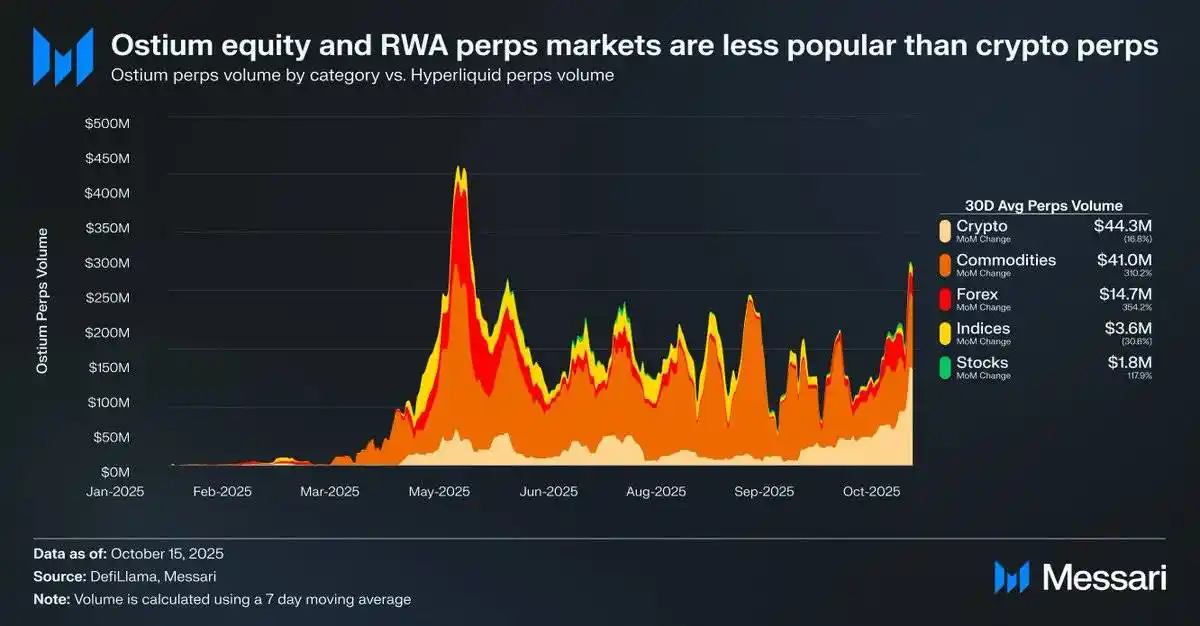
The scale of the 2025 boom was unprecedented. Platforms like Hyperliquid ignited the sector, with weekly volumes surging from $81 billion in 2024 to $314.7 billion in 2025. For the full year, cumulative perp DEX volume tripled to $12.09 trillion, up from $4.1 trillion at the start of 2025. About $7.9 trillion of that volume was concentrated in just a few top-tier protocols, highlighting a massive shift of liquidity from centralized exchanges to on-chain infrastructure.
However, the momentum has cooled. According to DefiLlama data, perp volume on decentralized exchanges fell to $699 billion in March 2026, down from an October 2025 peak of $1.36 trillion. This five-month decline represents a natural consolidation after the unsustainable pace of 2025. The market is no longer just chasing volume; it is evaluating sustainability, capital efficiency, and long-term viability.
This pullback does not signal the end of the perp DEX story. Instead, it marks the beginning of a more refined market where only the most robust platforms will retain dominance. The infrastructure built during the 2025 surge is now being stress-tested, providing a clearer picture of which protocols can deliver consistent value in the 2026 landscape.
How perp DEX stocks 2026 differ from CEX
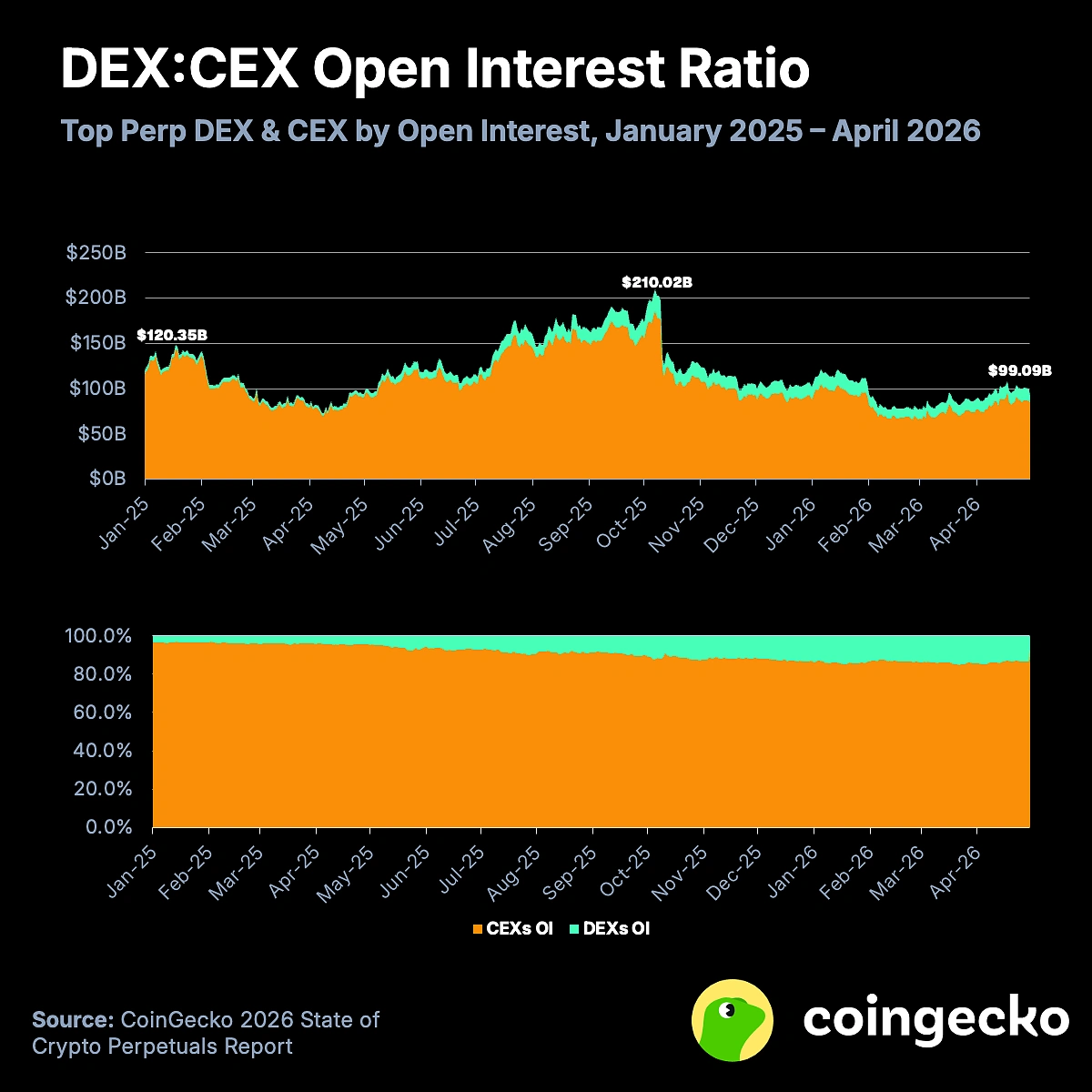
The structural divergence between centralized exchanges and decentralized infrastructure is no longer theoretical; it is a mechanical reality defining risk profiles in 2026. Centralized exchanges (CEX) like Binance or Bybit operate as black boxes where users surrender custody of assets to a corporate entity. In contrast, perp DEX stocks 2026 leverage on-chain liquidity pools or oracle-based funding mechanisms, ensuring that collateral remains under the trader’s control until execution. This shift eliminates the counterparty risk associated with exchange insolvency, a vulnerability that remains acute in traditional crypto finance.
Transparency serves as the primary differentiator. On a CEX, order books are proprietary databases, often opaque to regulators and retail participants alike. Perpetual DEXs execute trades via smart contracts on public blockchains, making every position, liquidation, and funding rate visible in real-time. This auditability is critical for institutional capital entering equity-like derivatives, as it allows for independent verification of solvency without relying on the exchange’s self-reported proof of reserves.
The trade-off lies in execution speed and complexity. CEXs offer instant settlement and familiar user interfaces, processing thousands of transactions per second off-chain. Perpetual DEXs require on-chain confirmations, which can introduce latency during periods of high network congestion. However, innovations in layer-2 scaling solutions and hybrid architectures are narrowing this gap, allowing decentralized platforms to handle the volume required for high-stakes equity derivatives.
The table below contrasts the core operational mechanics of both models.
| Feature | Centralized Exchange (CEX) | Perpetual DEX |
|---|---|---|
| Custody | Platform holds funds | User retains self-custody |
| Transparency | Opaque order books | On-chain public ledger |
| Settlement | Off-chain internal ledger | On-chain smart contract |
| Counterparty Risk | High (exchange insolvency) | Low (protocol-based) |
| Regulatory Exposure | High (KYC/AML required) | Variable (often pseudonymous) |
The choice between these models hinges on risk tolerance. For traders prioritizing speed and ease of use, CEXs remain dominant. However, for those exposing capital to volatile equity-like perpetuals, the self-custodial nature of perp DEX stocks 2026 offers a more resilient framework against systemic failure.
Leading Platforms for Equity-Like Perpetuals
The 2026 landscape for perp DEX stocks is dominated by platforms that bridge on-chain liquidity with traditional asset exposure. While decentralized exchanges historically lagged centralized counterparts in depth, specific protocols have engineered infrastructure capable of supporting equity-like leverage. Traders seeking exposure to traditional finance pairs now have viable, transparent alternatives to centralized order books.
Hyperliquid stands as the largest perpetual-futures DEX by a wide margin, processing $432 billion in 30-day volume. Its proprietary Layer 1 chain is optimized for speed, allowing it to handle high-frequency trading without the latency issues typical of Ethereum-based aggregators. For traders executing large positions in equity-pegged assets, Hyperliquid offers the necessary throughput and liquidity depth to minimize slippage.
GRVT and Aster represent the next tier of competition, focusing specifically on TradFi pair integration. GRVT is designed to offer low-latency access to gold, oil, and S&P 500 indices, targeting institutional-grade execution. With a projected token generation event in the first half of 2026 and significant market expectations, GRVT aims to capture the portion of the market that requires strict compliance and traditional asset clarity.
Aster differentiates itself through a hybrid architecture that balances on-chain transparency with centralized exchange-like performance. It competes directly with Hyperliquid by offering comparable fee structures and deep order books for equity-like contracts. The choice between these platforms often comes down to specific asset preference: Hyperliquid for breadth and volume, GRVT for specialized TradFi access, and Aster for a balanced hybrid experience.
| Platform | Primary Focus | 30D Volume | Infrastructure |
|---|---|---|---|
| Hyperliquid | General Perps & Equities | $432B | Hyperspace L1 |
| GRVT | TradFi Pairs (Gold, Oil, S&P 500) | Growing | Custom L1 |
| Aster | Hybrid Equity-Like Perps | High | Hybrid Architecture |
Execution Risks and Slippage Mechanics
Trading perp DEX stocks 2026 introduces friction points that centralized exchanges typically absorb. While on-chain leverage offers transparency, it demands that traders manage execution costs that can erode margins during volatile periods. The infrastructure is not yet optimized for the high-frequency demands of equity derivatives, meaning a seemingly minor price move can trigger disproportionate slippage.
Slippage occurs when the price you expect differs from the price you get, often due to low liquidity in specific order books. Unlike centralized platforms that aggregate deep liquidity pools, perp DEXs often rely on smaller automated market makers or concentrated liquidity positions. During rapid price swings, these pools can drain quickly, forcing trades to execute at significantly worse rates. This risk is amplified when trading less liquid equity pairs, where a single large order can move the market against you.
Beyond slippage, oracle manipulation and liquidation cascades pose systemic threats. Perpetual DEXs depend on external data feeds to determine fair value. If these feeds are delayed or manipulated, positions can be liquidated incorrectly, creating a domino effect that drains protocol liquidity. This was evident in the broader market correction, where on-chain perp DEX volumes fell to $699 billion in March 2026, down from an October peak of $1.36 trillion. The drop highlights how execution risks can trigger mass exits, reducing market depth and increasing volatility for remaining traders.
TechnicalChart symbol="NASDAQ:AAPL" chartStyle="candle" interval="1D" indicators='["volume","rsi"]'
The chart above illustrates how traditional equity volatility can translate into on-chain risk. When AAPL experiences sharp intraday moves, the corresponding perp DEX positions often face immediate margin calls. Traders must account for this correlation, ensuring they have sufficient buffer capital to withstand both market swings and protocol-specific latency. Ignoring these mechanics can turn a manageable trade into a catastrophic loss.
Decide Before You Trade
Before deploying capital, align your strategy with your risk tolerance and custody needs. Hyperliquid leads with $432 billion in thirty-day volume, offering speed but requiring trust in its L1 architecture. Smaller accounts should avoid slippage-heavy venues and verify oracle sources first.
-
Assess capital size. Small accounts benefit from low fees; large orders need deep liquidity to prevent slippage. Check current perp DEX stocks 2026 volume rankings to find the best fit for your position size.
-
Verify custody control. Determine if self-custody is non-negotiable. If so, ensure you understand the smart contract risks and liquidation prices before entering.
-
Check technical readiness. Use a provider-backed widget to monitor real-time price action and volatility. Never trade blindly.
No comments yet. Be the first to share your thoughts!