
Imagine trading the S and amp;P 500 or NASDAQ100 around the clock, with no broker, no KYC, and full control of your assets. That’s not a pipe dream anymore, equity perpetuals ("perps") have landed on decentralized exchanges (DEXs), opening up 24/7 access to synthetic stock indices for anyone with a Web3 wallet. If you’re hungry for non-stop price action and want to ride the momentum of global equity markets without touching traditional finance rails, this guide is for you.
What Are Equity Perpetuals? Unpacking Synthetic Index Trading
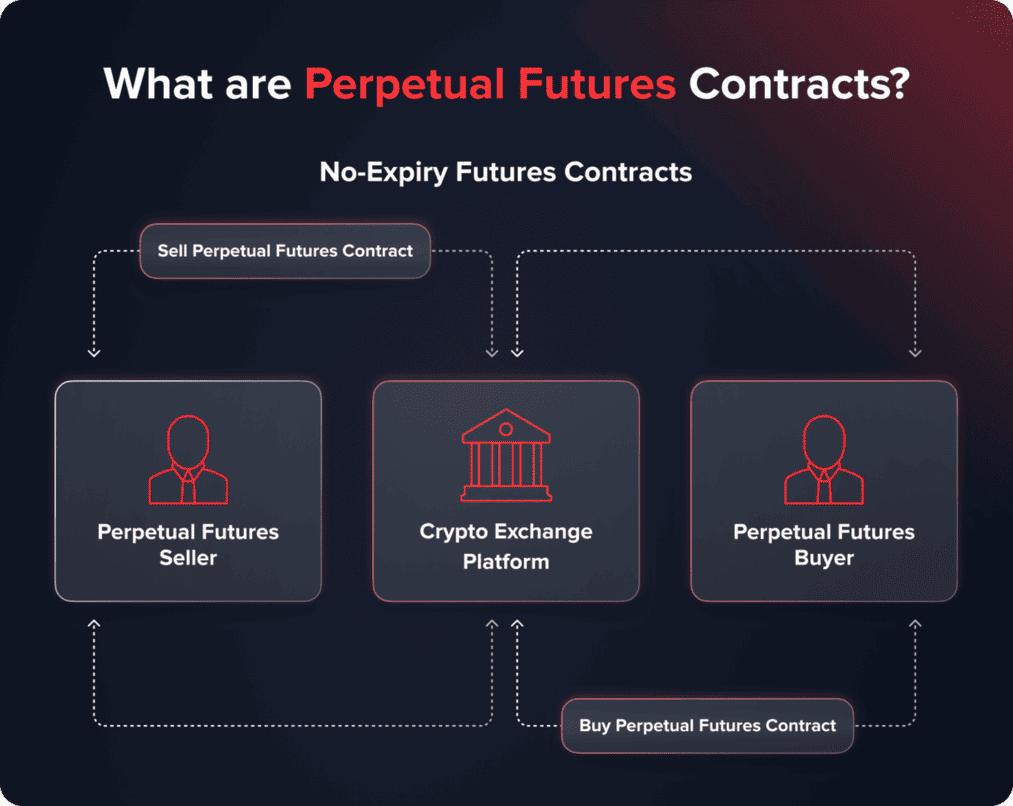
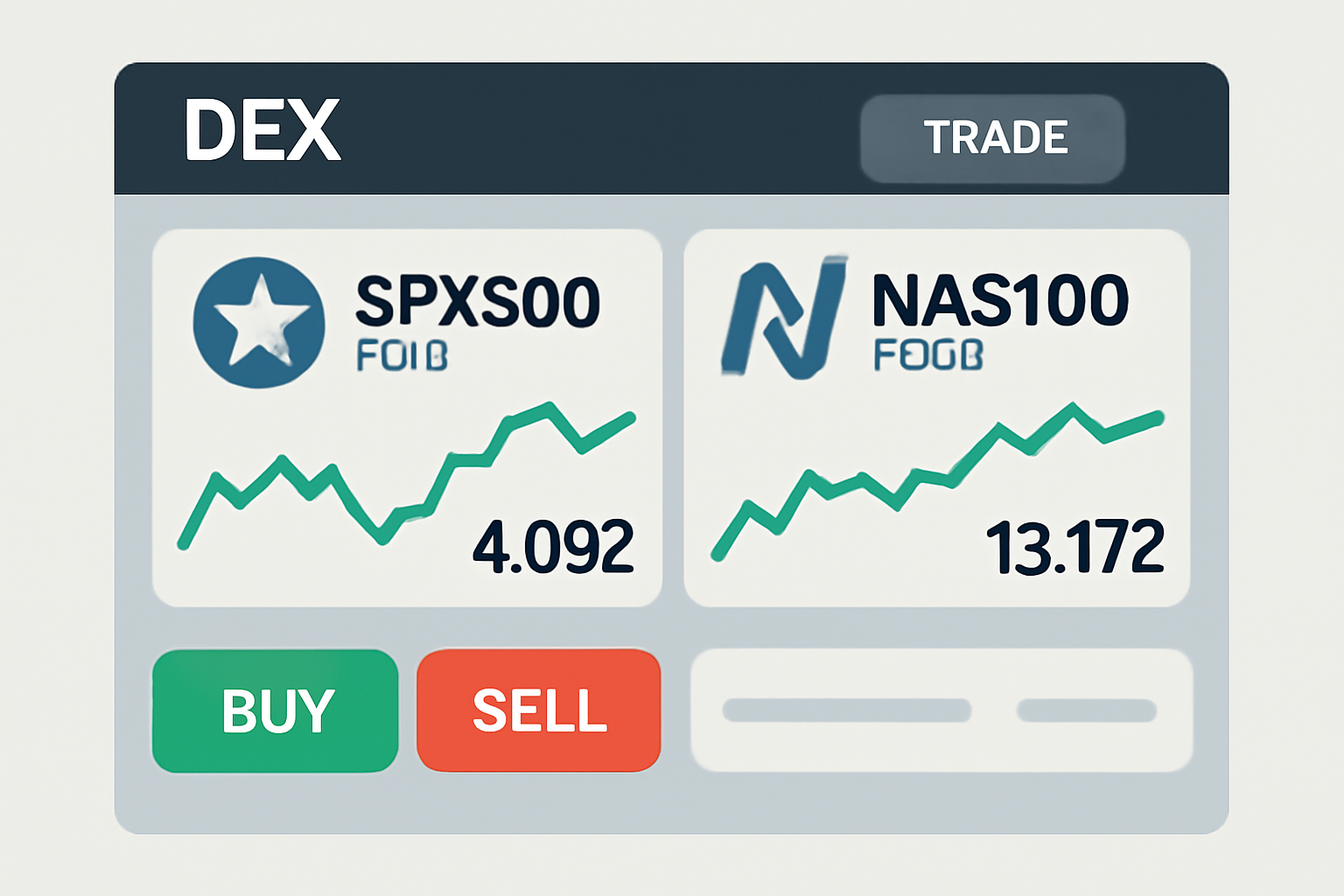
Equity perps are synthetic derivatives that track the price movements of major stock indices like the S and amp;P 500 (SPX500) and NASDAQ100 (NAS100), but they live entirely on-chain. Unlike classic futures contracts, perps have no expiration date, so you can open, adjust, or close positions anytime, day or night. The magic comes from smart contracts and decentralized price oracles that keep these synthetic indices closely pegged to their real-world counterparts.
This means you can long or short the S and amp;P 500 at any hour, use leverage to amplify your exposure, and settle everything in crypto (often USDC or USDT). No intermediaries, no paperwork, just pure DeFi speed and flexibility.
Why Trade Equity Perpetuals on DEXs?
The appeal is obvious: 24/7 equity trading in DeFi. Traditional brokers close when Wall Street sleeps, but perp DEXs never do. This means you can react instantly to global news, earnings surprises, or macro volatility without waiting for market open.
Let’s break down what makes this so revolutionary:
Top Reasons Traders Are Embracing Equity Perp DEXs
- 24/7 Market Access: Unlike traditional stock exchanges, equity perp DEXs let you trade S&P 500 and NASDAQ-100 contracts anytime, day or night—no waiting for the bell to ring.
- No KYC or Account Barriers: Platforms like dYdX, GMX, and PancakeSwap allow users to trade with just a Web3 wallet—no identity checks or paperwork required.
- Leverage Up to 50x: Traders can amplify their positions with leverage—dYdX and GMX both offer up to 50x—enabling bigger potential gains (and risks) on equity index moves.
- USDC and Crypto Settlement: Equity perp DEXs settle trades in stablecoins like USDC, making it easy to move funds across DeFi without touching fiat.

- Global, Permissionless Participation: Anyone worldwide with an internet connection can join—no regional restrictions or broker limitations.

- Transparent, On-Chain Trading: All trades, funding rates, and positions are recorded on public blockchains, giving users full transparency and control.

- Cutting-Edge Platforms and Features: Leading DEXs like dYdX (Cosmos), GMX (Arbitrum/Avalanche), and PancakeSwap (BNB Chain) offer advanced order types, low fees, and deep liquidity for equity perps.
- No KYC: Just connect your wallet, privacy preserved.
- Leverage: Platforms like dYdX and PancakeSwap offer up to 50x leverage on index perps.
- Crypto Settlement: Profits (or losses) are paid out in stablecoins like USDC/BUSD, no fiat required.
- Diversification: Trade both crypto and equities from a single interface.
If you want a deeper dive into how synthetic perp stocks work under the hood, check out our explainer at How Synthetic Perp Stocks Work: Accessing U. S. Equities from DeFi via Perp DEXs.
The Leading Platforms for S and P 500 and amp; NASDAQ100 Perpetual Futures
The perp DEX landscape is evolving fast. Here are some standout platforms where you can trade synthetic indices right now:
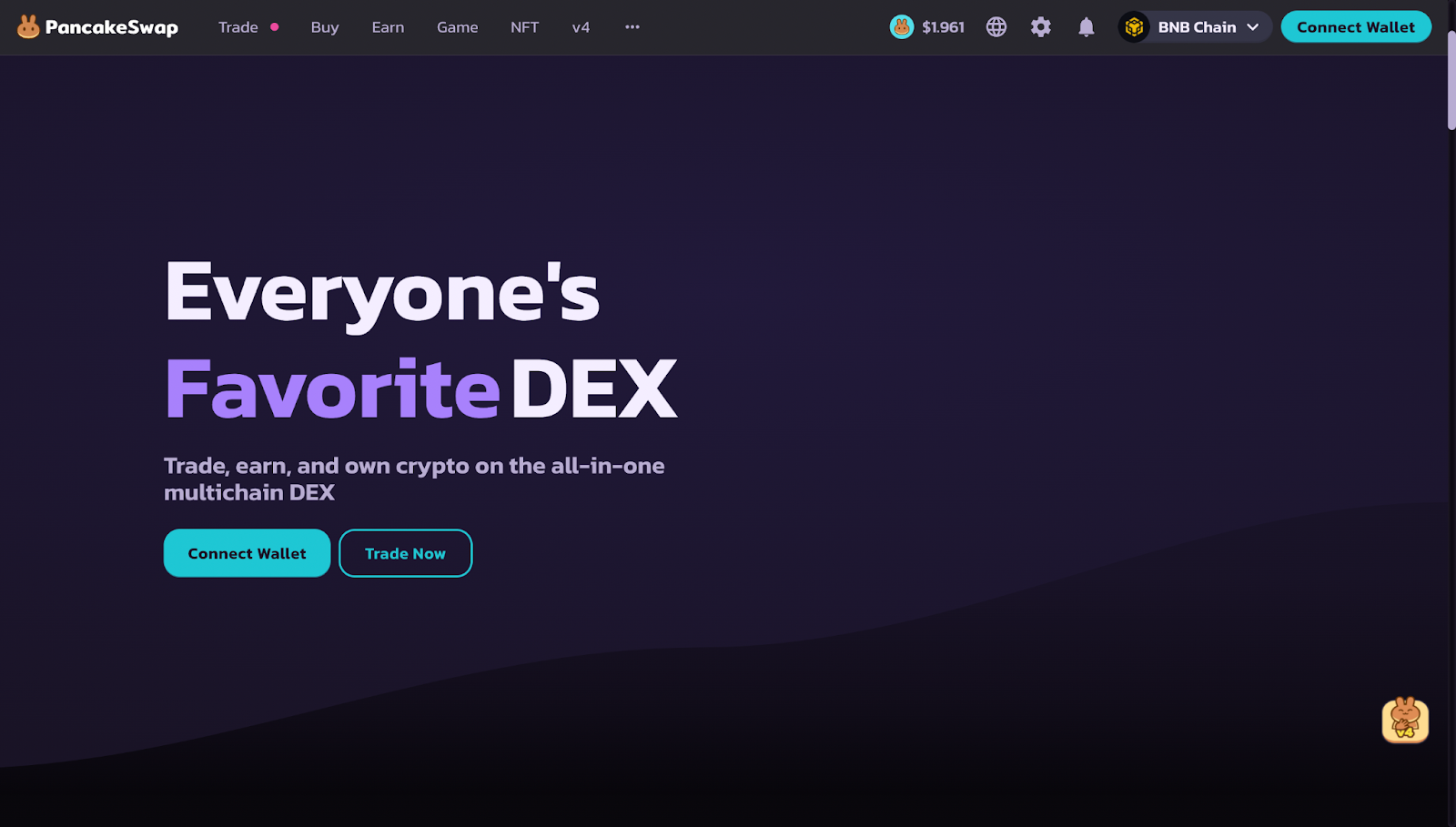
- PancakeSwap: Runs on BNB Chain with up to 25x leverage for US stock perps like SPX500 and NAS100. Trading hours mimic traditional markets but settlement is all crypto.
- dYdX: Built with professional traders in mind, offering over 200 markets including major indices with up to 50x leverage and advanced order types.
- GMX: Known for low fees and deep liquidity on Arbitrum/Avalanche chains; supports over 21 perpetual contracts including top equity indices.
- Aster and amp; TradeSta: Newcomers offering MEV-free trading across equities, commodities, FX as well as crypto, with features like one-click orders and tight spreads.
If you're curious about which platform fits your style best, or want a side-by-side breakdown, see our comparison at Best Perpetual DEXs for Trading Synthetic Stocks in 2024.
The Mechanics: How Do You Actually Trade These Perps?
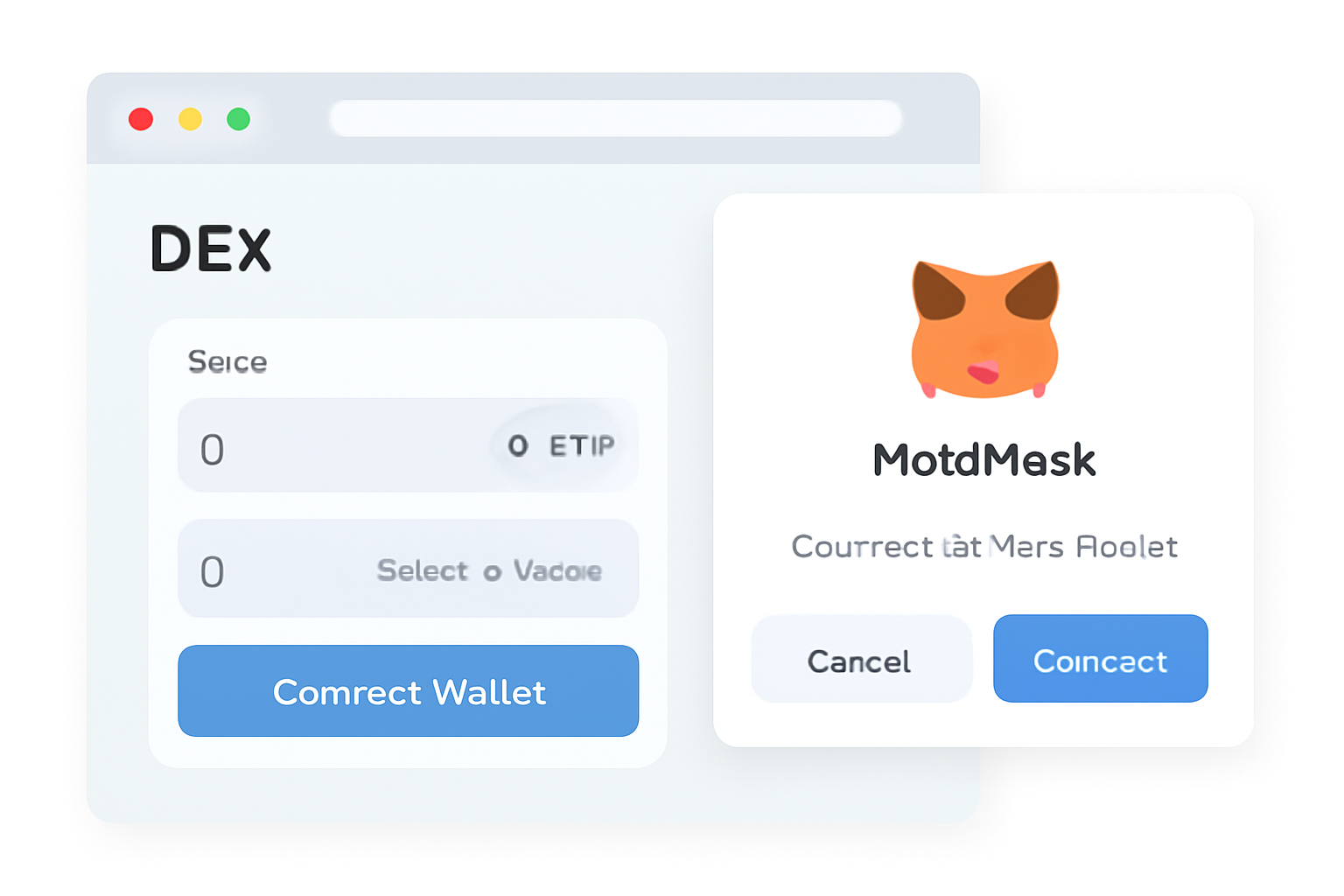
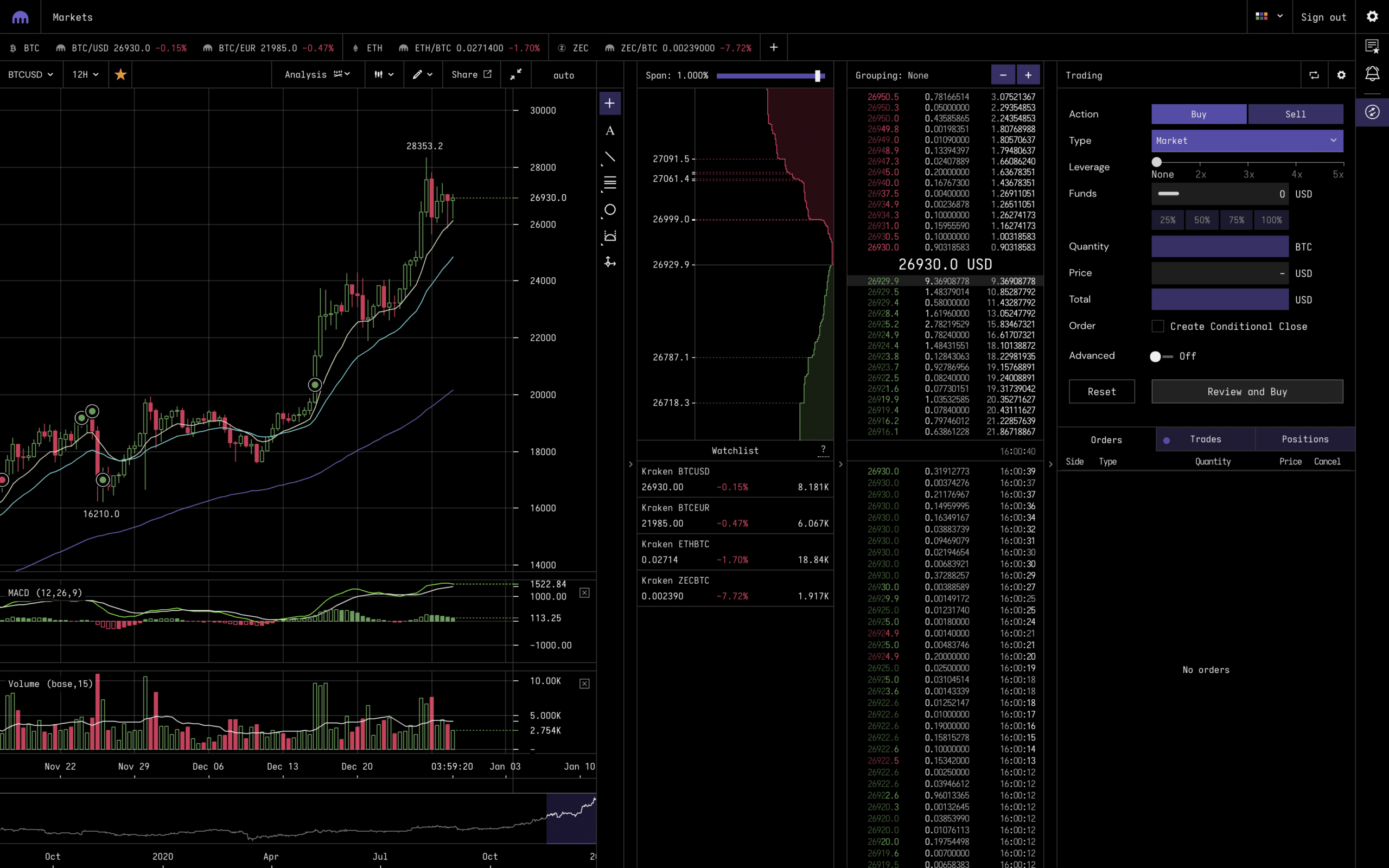
Diving into your first SPX500 or NAS100 trade might sound intimidating if you’ve only dealt with spot crypto before. Here’s an actionable roadmap for getting started:
How to Trade S&P 500 & NASDAQ100 Perpetuals on DEXs: Step-by-Step


This new era isn’t just about convenience, it’s about true market accessibility. With synthetic index perps on decentralized exchanges, anyone anywhere can speculate on U. S. equities without borders or red tape. In the next half of this guide we’ll dig even deeper into funding rates, risk management tips unique to perp stocks trading, and how regulatory winds might shape this booming niche of DeFi equity trading.
Mastering Funding Rates and Risk Management in Equity Perp Trading
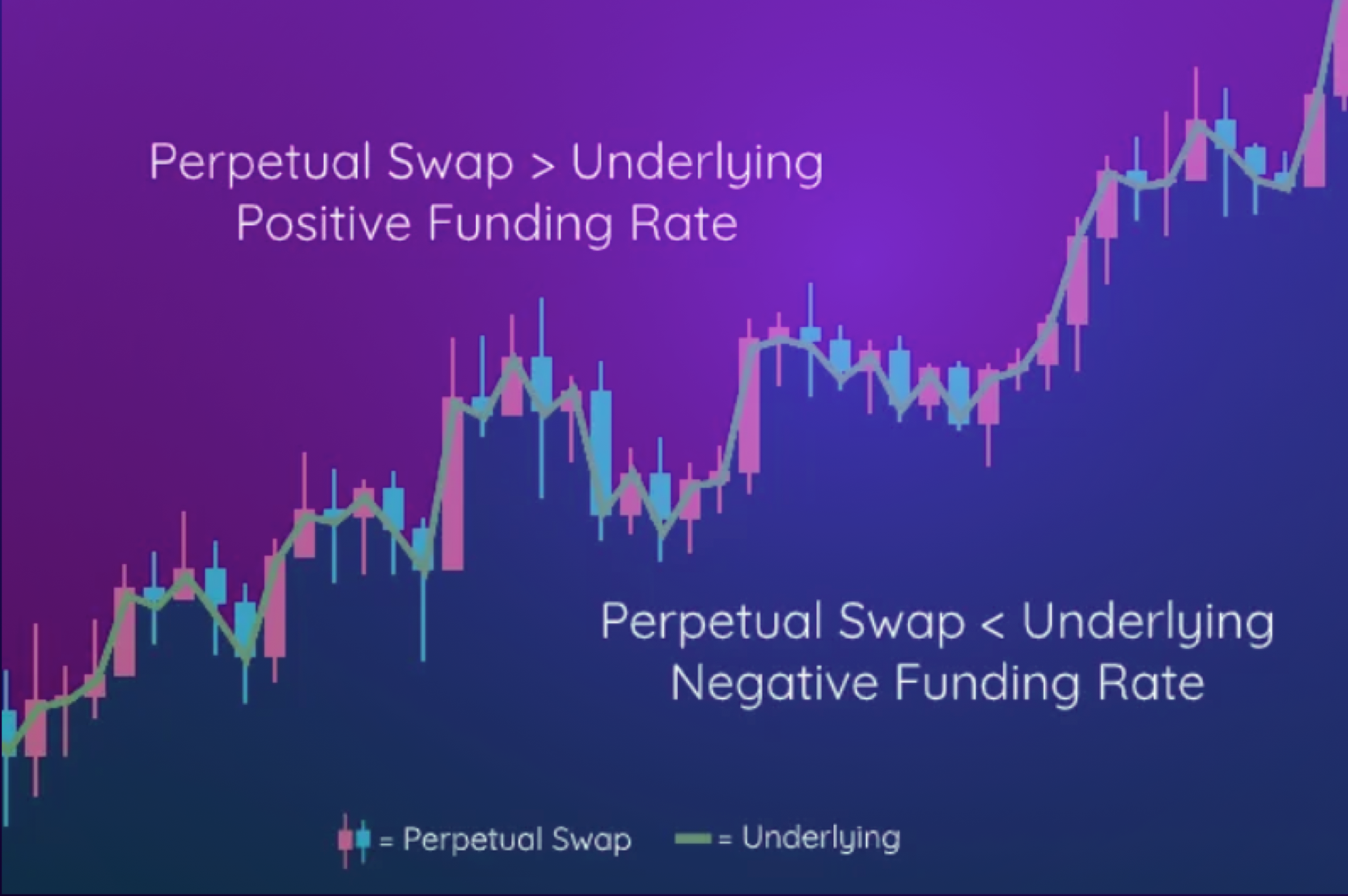
Once you’ve opened your first S and amp;P 500 or NASDAQ100 perpetual position, the real game begins. Unlike spot trading, equity perpetuals introduce unique mechanics that can catch even seasoned crypto traders off guard. The most critical of these is the funding rate: a periodic payment exchanged between longs and shorts to keep the perp’s price in line with the underlying index. If the perp price trades above the real S and amp;P 500, longs pay shorts (and vice versa). Funding rates can flip fast, especially during high volatility, so always check the rate before sizing up your trade.
Let’s break down a few risk management essentials for synthetic index trading:
Top Risk Management Tips for Trading Equity Perps on DEXs
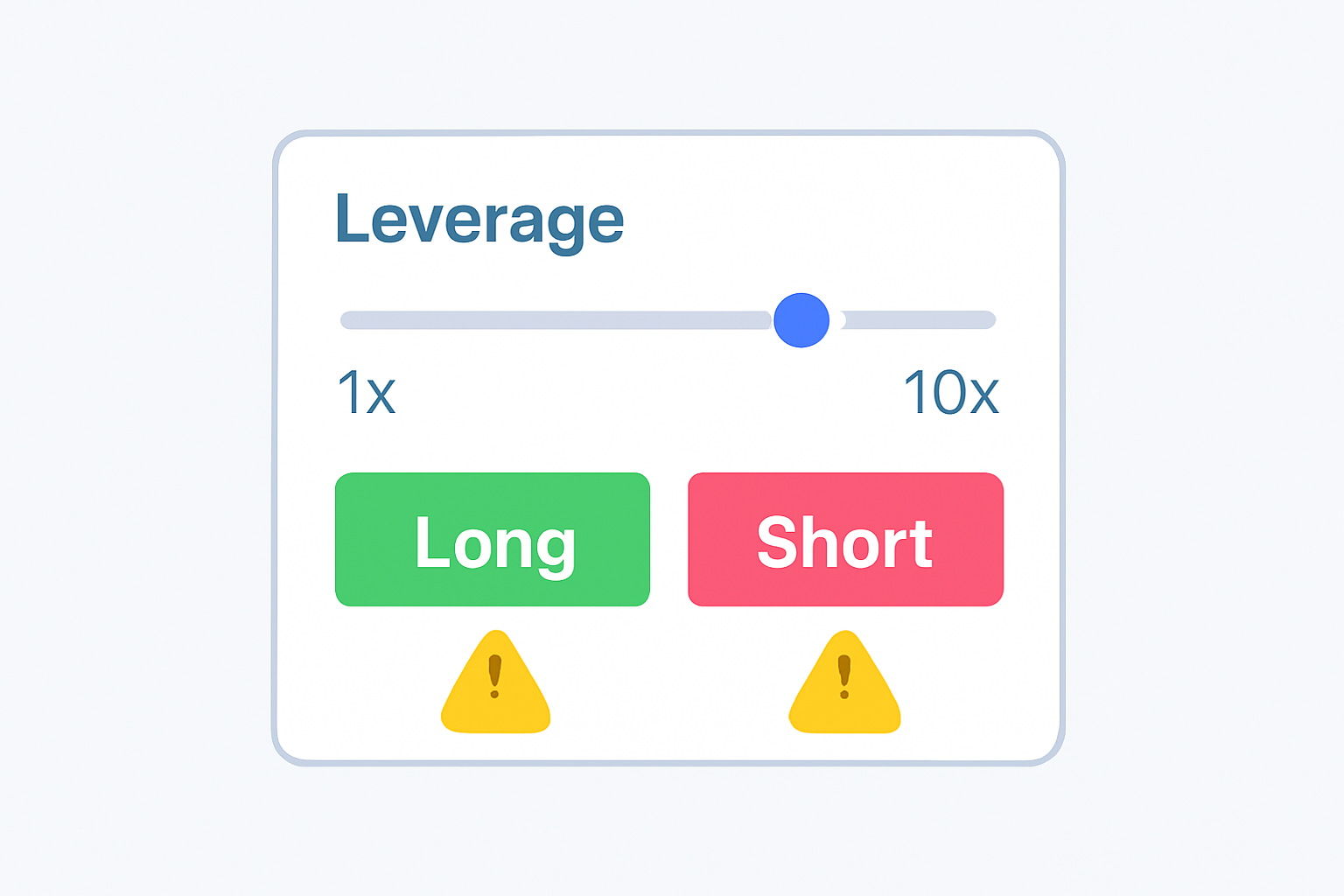
- Use Conservative Leverage: While platforms like dYdX and PancakeSwap offer up to 50x and 25x leverage respectively, start with lower leverage (1-5x) to reduce the risk of liquidation and large losses.
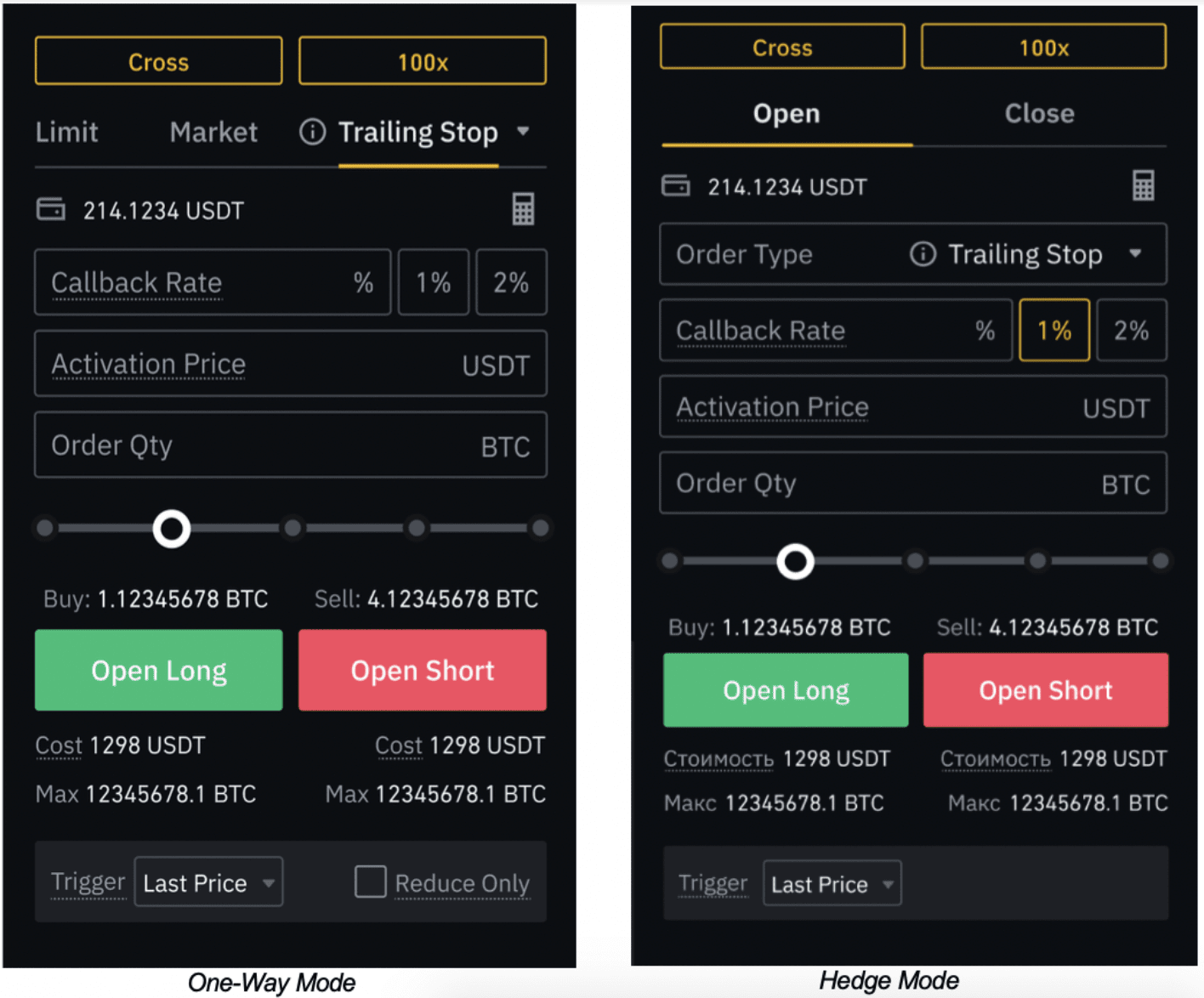
- Set Stop-Loss Orders: Always use stop-loss orders to automatically close your position if the market moves against you. This is crucial on DEXs like GMX and dYdX, where price swings can be rapid and liquidation can occur quickly.
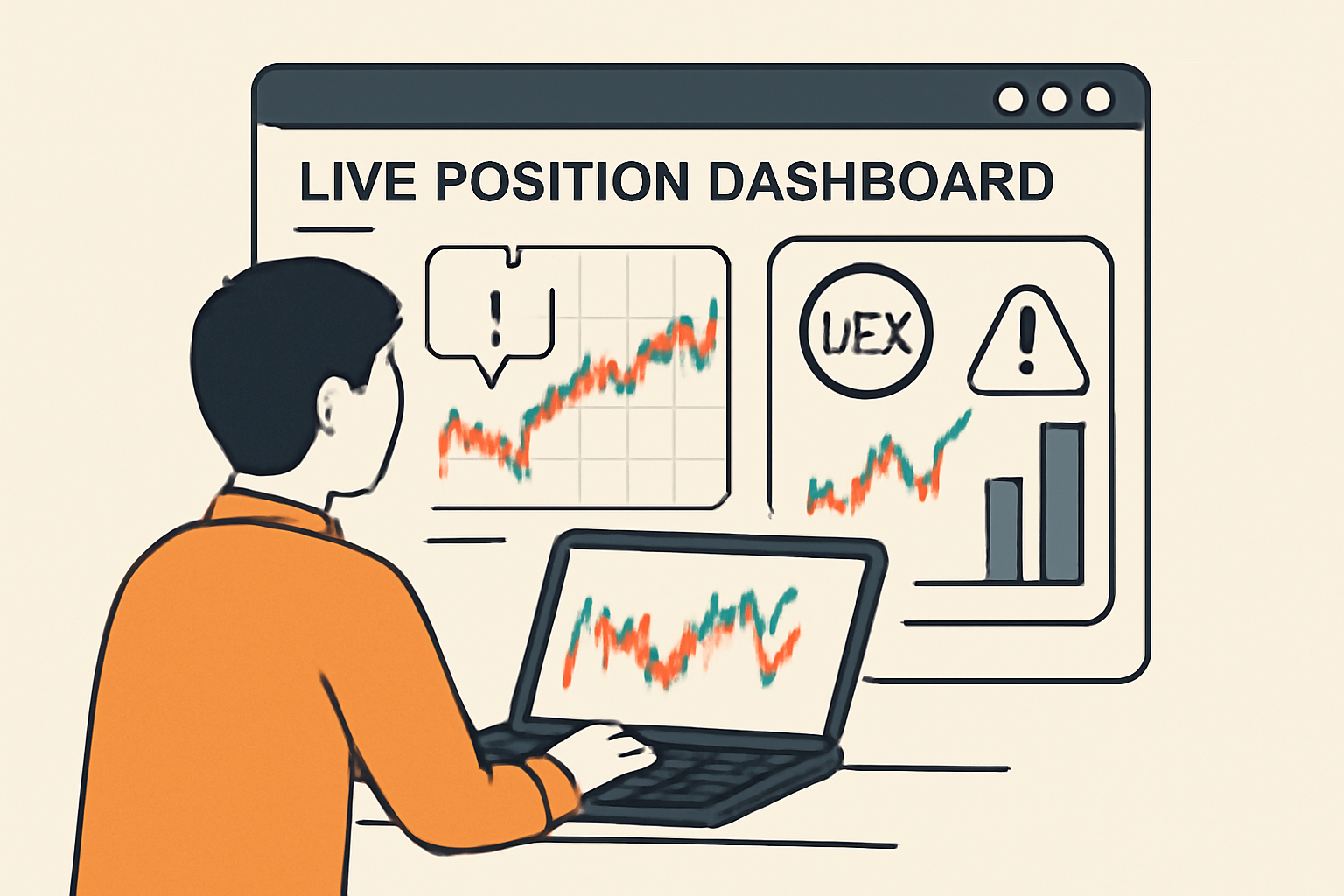
- Monitor Funding Rates: Equity perps on DEXs use funding rates to keep contract prices in line with the underlying index. Regularly check these rates on your chosen platform, as high or negative funding can erode profits over time.
- Diversify Across Platforms and Assets: Don’t put all your capital into a single trade or DEX. Platforms like GMX, dYdX, and PancakeSwap each have unique risk profiles—spreading trades can help manage platform-specific risks.

- Understand Oracle and Smart Contract Risks: Synthetic perps rely on price oracles and smart contracts. Research your DEX’s oracle providers (e.g., Chainlink on GMX) and always use platforms with a proven security record.

- Stay Updated on Regulatory Changes: The regulatory landscape for synthetic equity products is evolving. Follow news from reliable sources and your DEX’s announcements to avoid sudden disruptions or restrictions.

- Practice With Testnets or Small Positions: Many DEXs offer testnet environments or allow you to trade with small amounts. Practice strategies before risking significant capital.
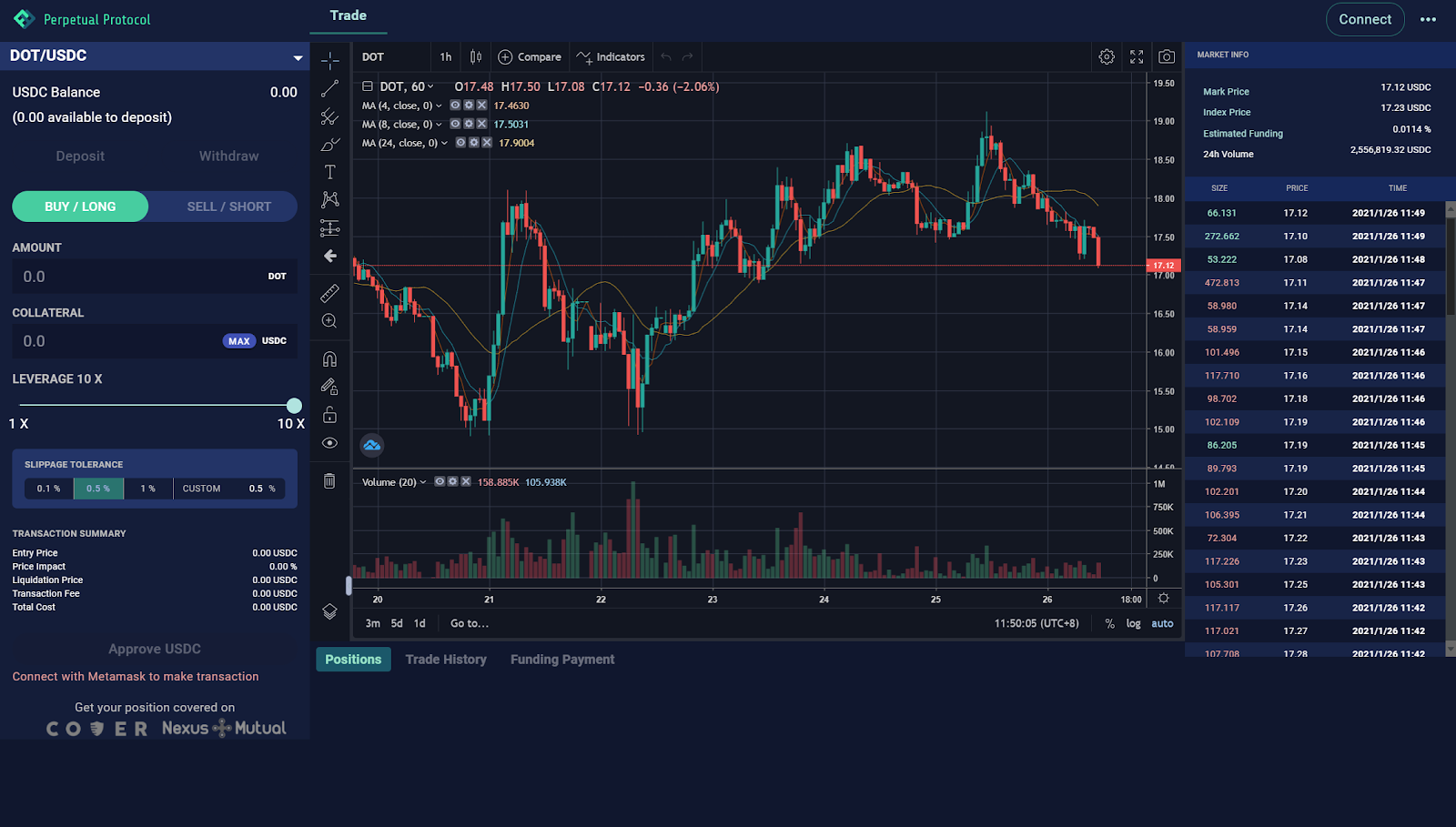
- Monitor Funding Rates: These can eat into your P and amp;L if you’re on the wrong side for too long.
- Respect Leverage: While 25x or 50x leverage is tempting, liquidation is ruthless. Start small and size up only as you gain confidence.
- Use Stop-Losses: Many DEXs now support advanced order types, don’t hesitate to protect your capital.
- Diversify: Don’t go all-in on one index. Synthetic perps let you experiment with both long and short exposure across multiple assets.
If you want a deep dive into perpetual futures mechanics and how synthetic indices differ from classic crypto perps, check out our complete guide to perpetual stock futures on DEXs.
Regulatory Winds: What’s Next for Synthetic Equity Perps?
No conversation about synthetic stocks DEX trading is complete without addressing the regulatory elephant in the room. While decentralized platforms offer privacy and borderless access, regulators are paying increasing attention to synthetic equity products. Some jurisdictions may restrict or scrutinize access to these instruments, especially as volumes grow. Stay up-to-date on local laws, and remember that true DeFi platforms are designed to be censorship-resistant, but user responsibility is key.
The bottom line? 24/7 equity trading in DeFi is here to stay, but the landscape will keep evolving. Stay nimble, keep learning, and protect your edge by being proactive about compliance and platform security.
Where’s the Opportunity? The Future of Perpetual Stock Indices in DeFi
The arrival of S and amp;P 500 and NASDAQ100 perpetuals on DEXs is a sea change for active traders. With global access, instant settlement in stablecoins, and non-stop markets, anyone can now ride equity momentum or hedge macro risk without ever leaving crypto rails. Expect more indices (think Dow Jones or global ETFs) to hit DEXs soon as liquidity grows and infrastructure matures.
If you’re looking to compare platforms side-by-side or want to see which DEXs offer the best fees, liquidity, or unique features for perpetual futures stock indices, visit our latest comparison at Best Perpetual DEXs for Synthetic Stock Trading in 2024: Features, Fees and amp; Security Compared.
FAQ: Equity Perpetuals and Synthetic Stock Indices on DEXs
The future of perp stocks trading is open-source, borderless, and always on. Whether you’re looking to speculate on macro trends or hedge your portfolio around the clock, equity perpetuals on DEXs unlock a new dimension of opportunity, just remember to respect the risk and enjoy the ride.


No comments yet. Be the first to share your thoughts!