

Access to U. S. equities is no longer limited to Wall Street insiders or traditional brokerage accounts. Thanks to synthetic perp stocks and perpetual DEXs, traders worldwide can now tap into the price action of top American companies directly from their crypto wallets. This new breed of financial instrument is transforming how we interact with global stock markets, blending the efficiency of DeFi with the familiar volatility and opportunity of equity trading.

What Are Synthetic Perp Stocks?
Synthetic perp stocks are digital derivatives that mimic the real-time price movements of U. S. equities without requiring ownership of the underlying shares. Platforms like Synthetix pioneered this concept by allowing users to mint synthetic assets ("synths") that track everything from Tesla and Apple to major indices, all collateralized by crypto.
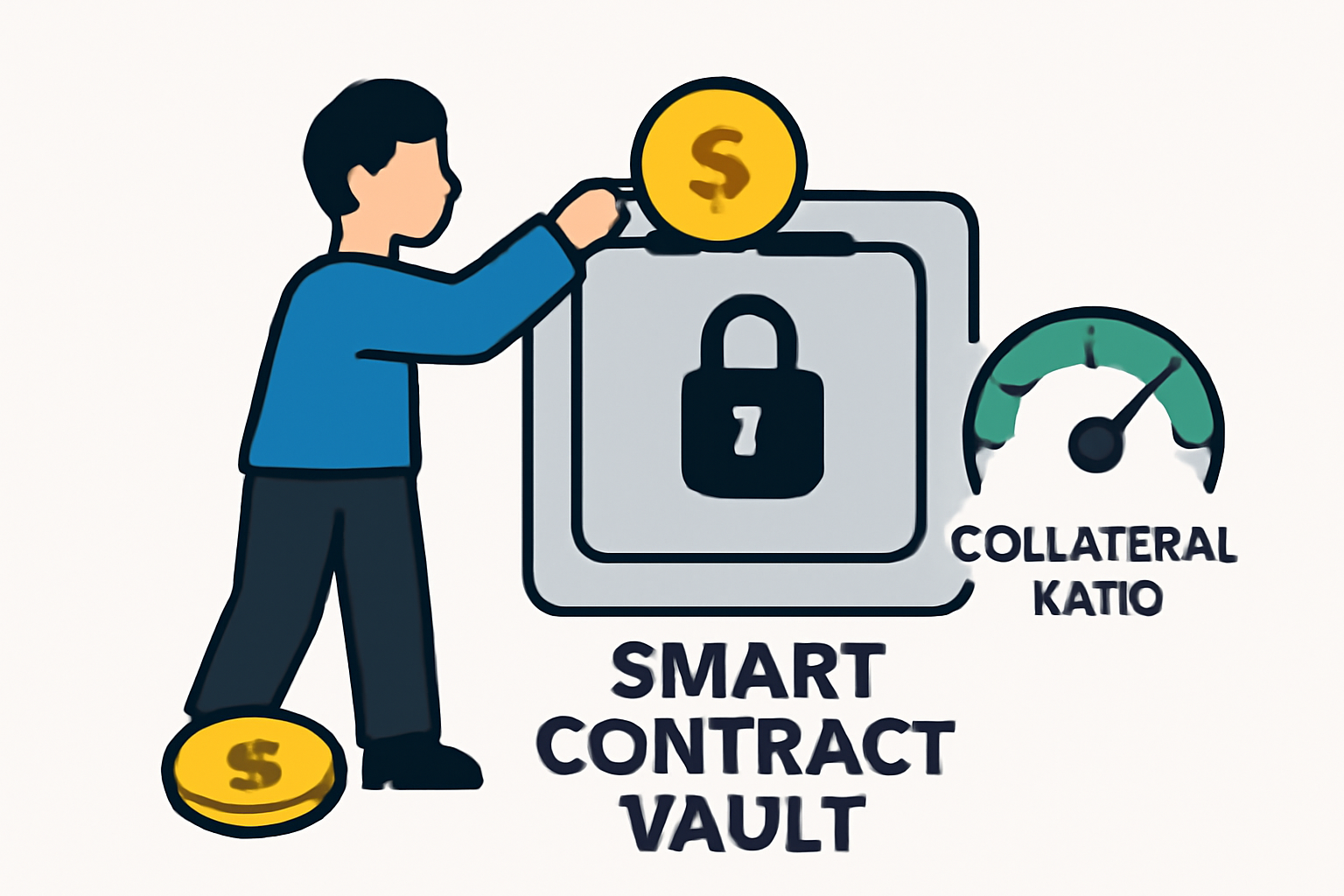
The magic happens on-chain: you lock up collateral (usually a platform’s native token), mint your desired synthetic asset, and then trade it as if you were holding the actual stock. This approach cuts out traditional intermediaries, opening up access to anyone with an internet connection and some crypto in their wallet.
How Perpetual Contracts Power Synthetic Equities in DeFi
The real innovation comes when these synthetic stocks are paired with perpetual contracts. Unlike standard futures, perps have no expiration date, so traders can hold positions as long as they want, assuming they maintain margin requirements. On platforms like Synthetix’s perpetual DEX or Mirror Protocol, users can go long or short on synthetic U. S. equities using leverage, all managed by automated smart contracts that handle trade execution and settlement transparently.
This structure brings Wall Street-style speculation into the decentralized world. No need for KYC, no regional restrictions, just connect your wallet and start trading.
Liquidity Pools and Pricing Mechanisms
A key question for anyone considering perpetual stock trading in crypto: how do these instruments stay in sync with real-world prices? The answer lies in incentive-driven liquidity pools and clever pricing algorithms:
Core Mechanisms for Liquid and Accurate Synthetic Perp Stocks
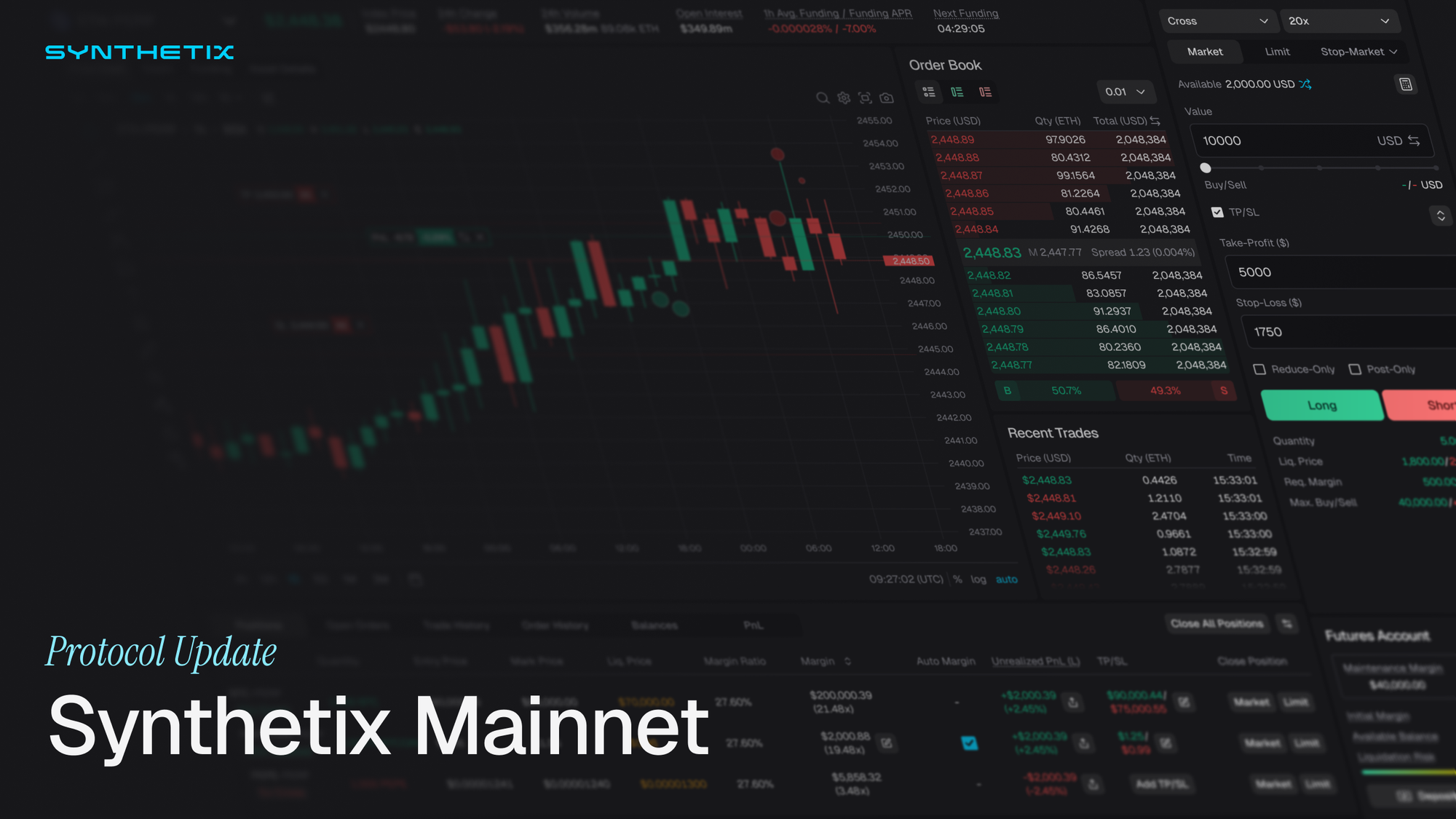
- Incentivized Liquidity Pools: Decentralized exchanges like Synthetix Perpetual DEX rely on liquidity pools funded by users who deposit assets. These pools ensure that traders can enter and exit positions efficiently, maintaining deep liquidity and reducing slippage.
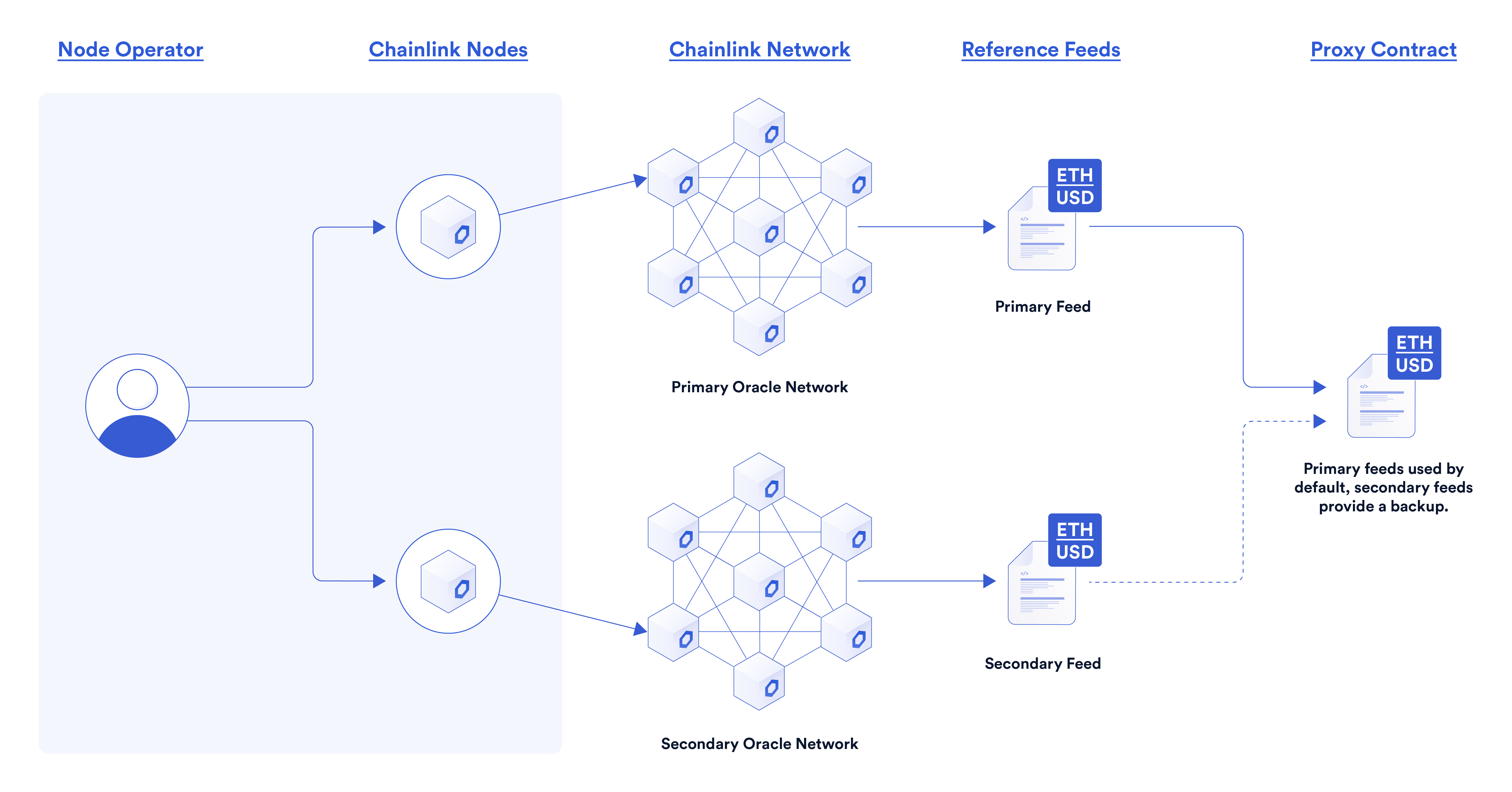
- On-Chain Price Oracles: Platforms integrate robust oracle solutions (such as Chainlink) to fetch real-time U.S. equity prices. This data feeds directly into smart contracts, keeping the synthetic asset prices closely aligned with their real-world counterparts.
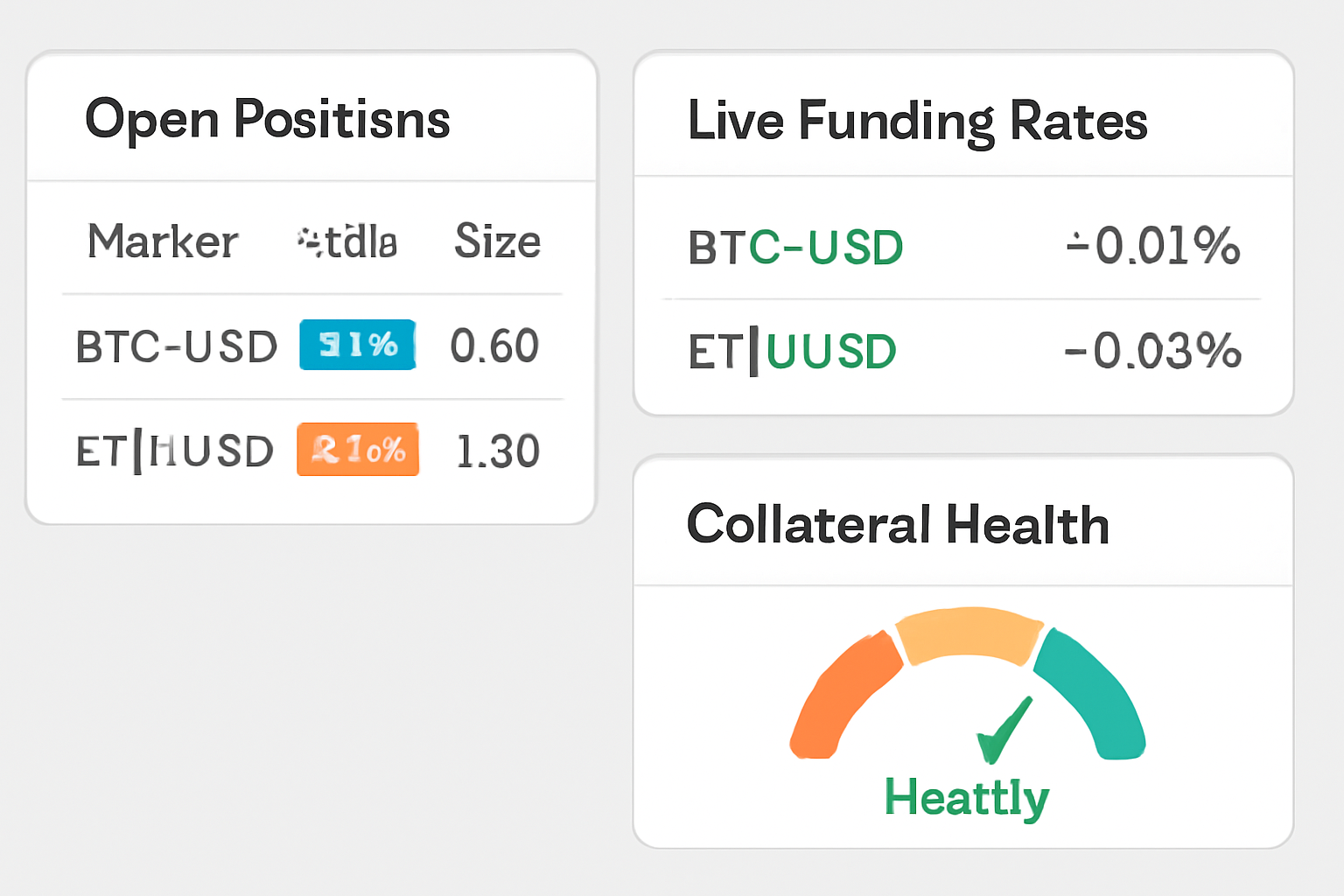
- Dynamic Funding Rate Mechanisms: Perpetual DEXs implement funding rates—periodic payments between long and short traders—to incentivize price convergence between the synthetic asset and the underlying stock. This mechanism helps prevent price drift and ensures accurate market tracking.
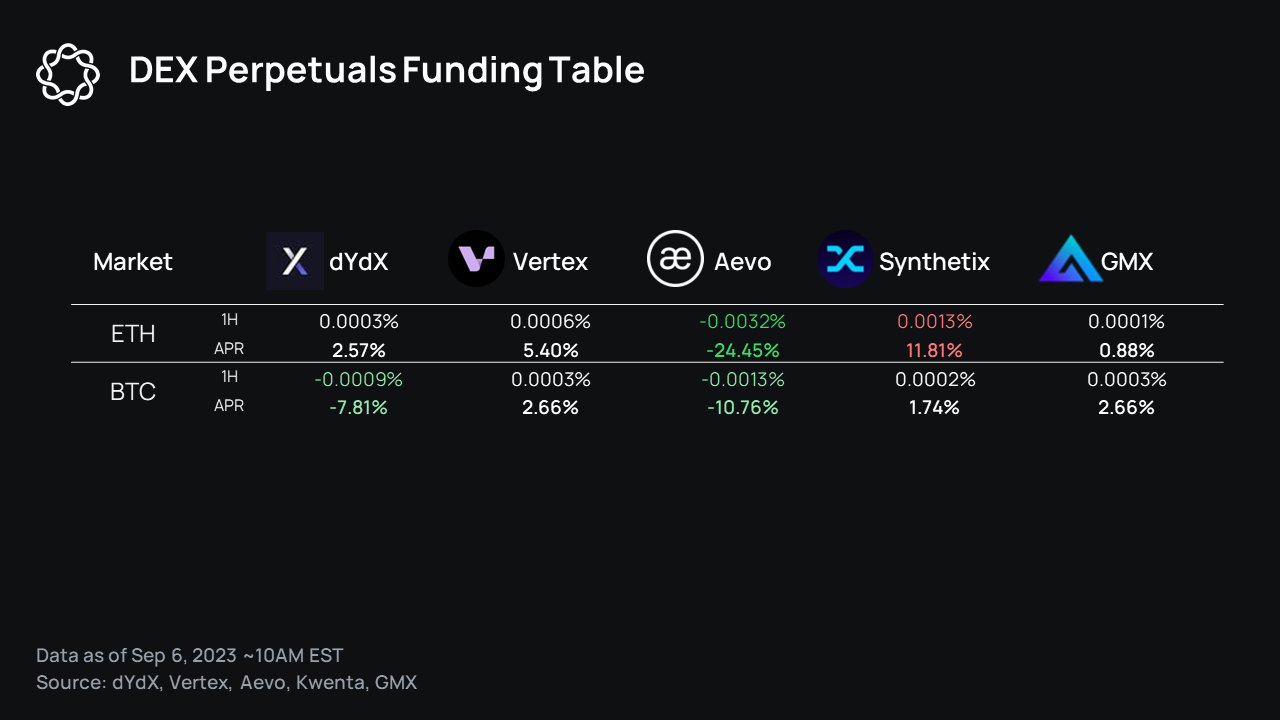
Liquidity providers deposit assets into pools, earning fees while enabling smooth trading for others. Funding rates, periodic payments between longs and shorts, help ensure that the price of each synthetic asset stays closely pegged to its real-world counterpart. If prices drift too far from spot, arbitrageurs step in to close the gap.
Why Trade U. S. Stocks via Perpetual DEXs?
The appeal isn’t just about access, it’s about flexibility and control:
- Global accessibility: Anyone can trade U. S. equities 24/7 without a broker or bank account.
- Leverage: Amplify your exposure (and risk) with built-in leverage options.
- Decentralization: All trades are transparent, censorship-resistant, and managed by code, not corporations.
This democratizes exposure to American markets while putting powerful risk-management tools at your fingertips.
Yet, with this new power comes a new set of risks and operational nuances. The collateral you post to mint synthetic assets is subject to market volatility. If the value of your collateral drops below required thresholds, liquidation is automatic and unforgiving. Risk management isn’t optional, it’s essential.
Navigating Risks: Collateral, Liquidation, and Regulation
Before diving in, traders should understand the mechanics behind margin requirements and liquidation protocols. Synthetic perp DEXs like Synthetix use smart contracts to enforce these rules without human intervention. If your position moves against you and your collateral ratio slips, the protocol will liquidate part or all of your holdings to protect the system’s solvency.
Regulation is another evolving factor. While DeFi platforms offer global access and privacy, they also operate in a regulatory gray zone. U. S. residents should stay alert for potential legal changes that could impact their ability to trade synthetic equities via perpetual DEXs.
Comparing Top Synthetic Perp Stock Platforms
The landscape is growing quickly. Here’s how some leading platforms stack up:
Comparison of Synthetix Perp Stocks vs Mirror Protocol Stocks
| Feature | Synthetix Perp Stocks | Mirror Protocol Stocks |
|---|---|---|
| Underlying Mechanism | Synthetic perpetual contracts (no expiration) on Ethereum, collateralized by SNX | Synthetic assets (mirrored stocks) on Terra, collateralized by UST/LUNA |
| Trading Venue | Perpetual DEX (Synthetix Perps) | Mirror Protocol DEX (Terraswap, Mirror DEX) |
| Supported Equities | Wide selection of U.S. equities (e.g., AAPL, TSLA, AMZN) | Selection of major U.S. equities (e.g., AAPL, TSLA, AMZN) |
| Leverage | Yes, leverage available (varies by asset) | No leverage, spot exposure only |
| Collateral Type | SNX or sUSD (Synthetix native assets) | UST or LUNA (Terra native assets) |
| Pricing Mechanism | Oracle price feeds + funding rates to align with real-world prices | Oracle price feeds, no funding rate |
| Fees | Trading fees + funding rates (to maintain peg) | Trading fees, no funding rate |
| Decentralization | Fully on-chain, non-custodial | On-chain, but dependent on Terra ecosystem |
| Global Accessibility | Yes, open to anyone with compatible wallet | Yes, open to anyone with compatible wallet |
| Expiration | No expiration (perpetual) | No expiration (as long as protocol is live) |
While Synthetix remains a pioneer with deep liquidity and broad asset coverage, alternatives like Mirror Protocol are gaining traction for their simplicity and cross-chain capabilities. Each platform has its own quirks, different collateral types, fee structures, leverage limits, so it pays to compare before committing capital.
How to Get Started With Synthetic Equities on Perpetual DEXs
How to Trade Synthetic U.S. Equities on a Perpetual DEX
Getting started is refreshingly straightforward compared to legacy finance:
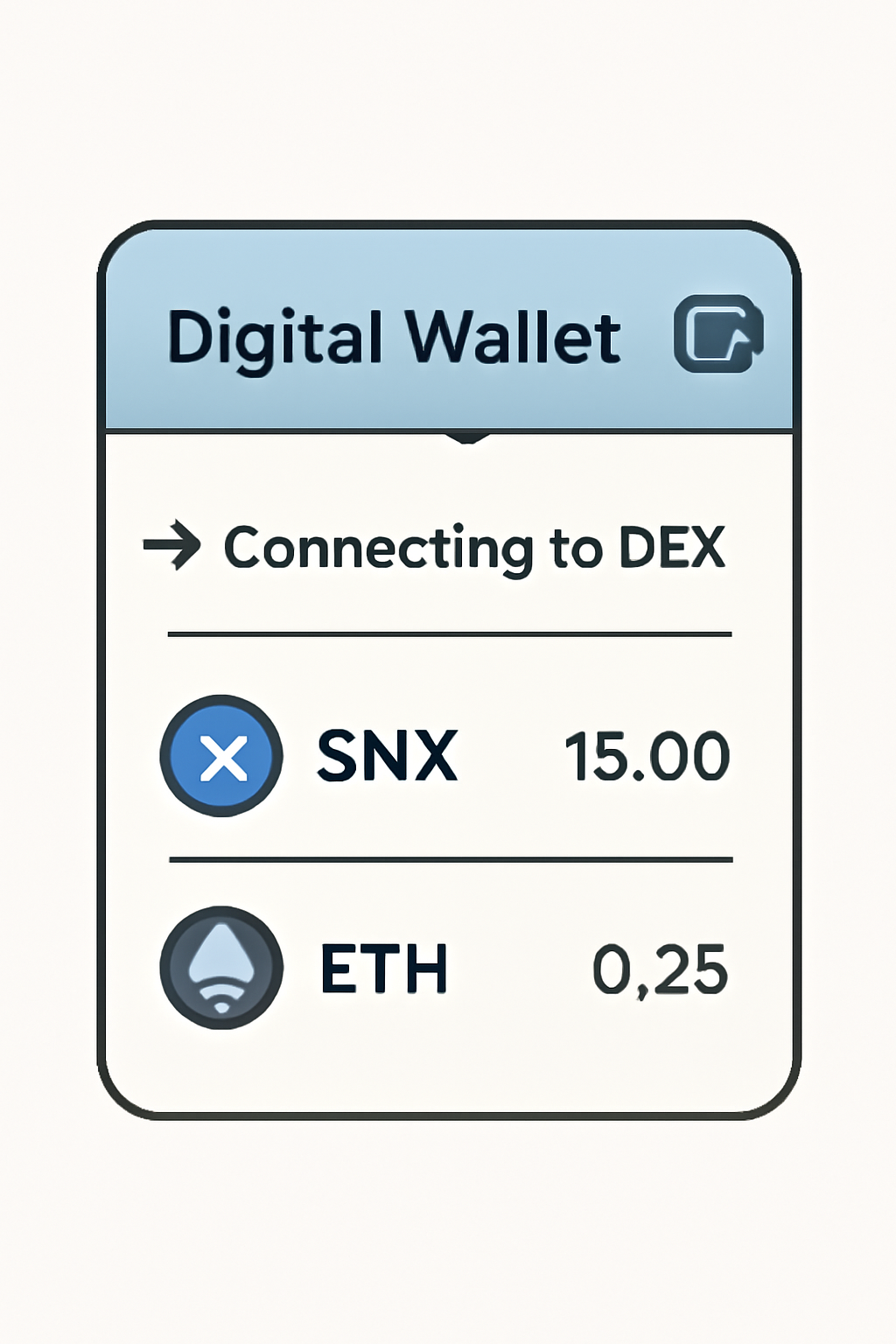
- Connect your wallet: Most platforms support MetaMask or WalletConnect.
- Deposit collateral: Lock up the required crypto (e. g. , SNX for Synthetix).
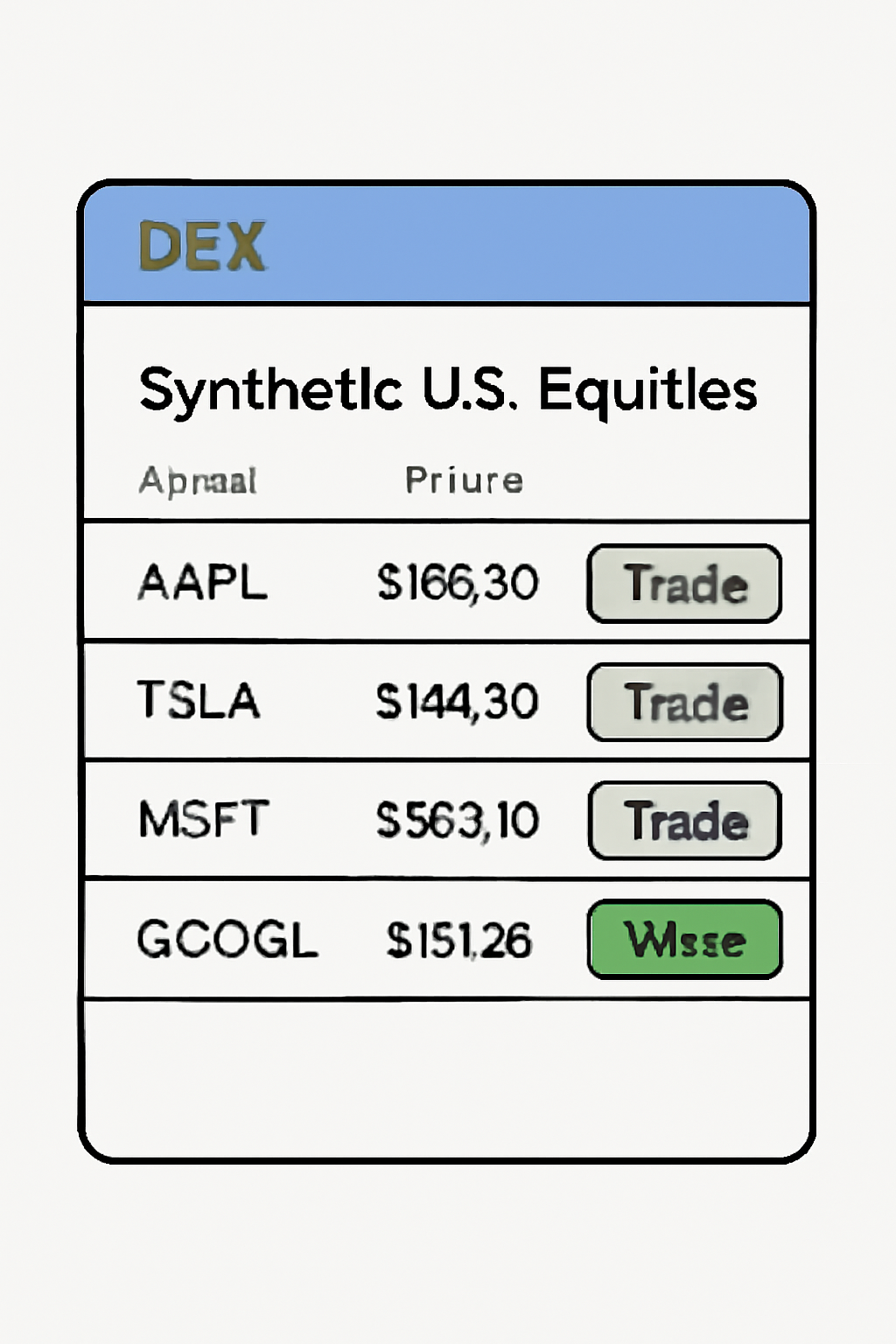
- Mint or select your synthetic stock: Choose from available U. S. equities.
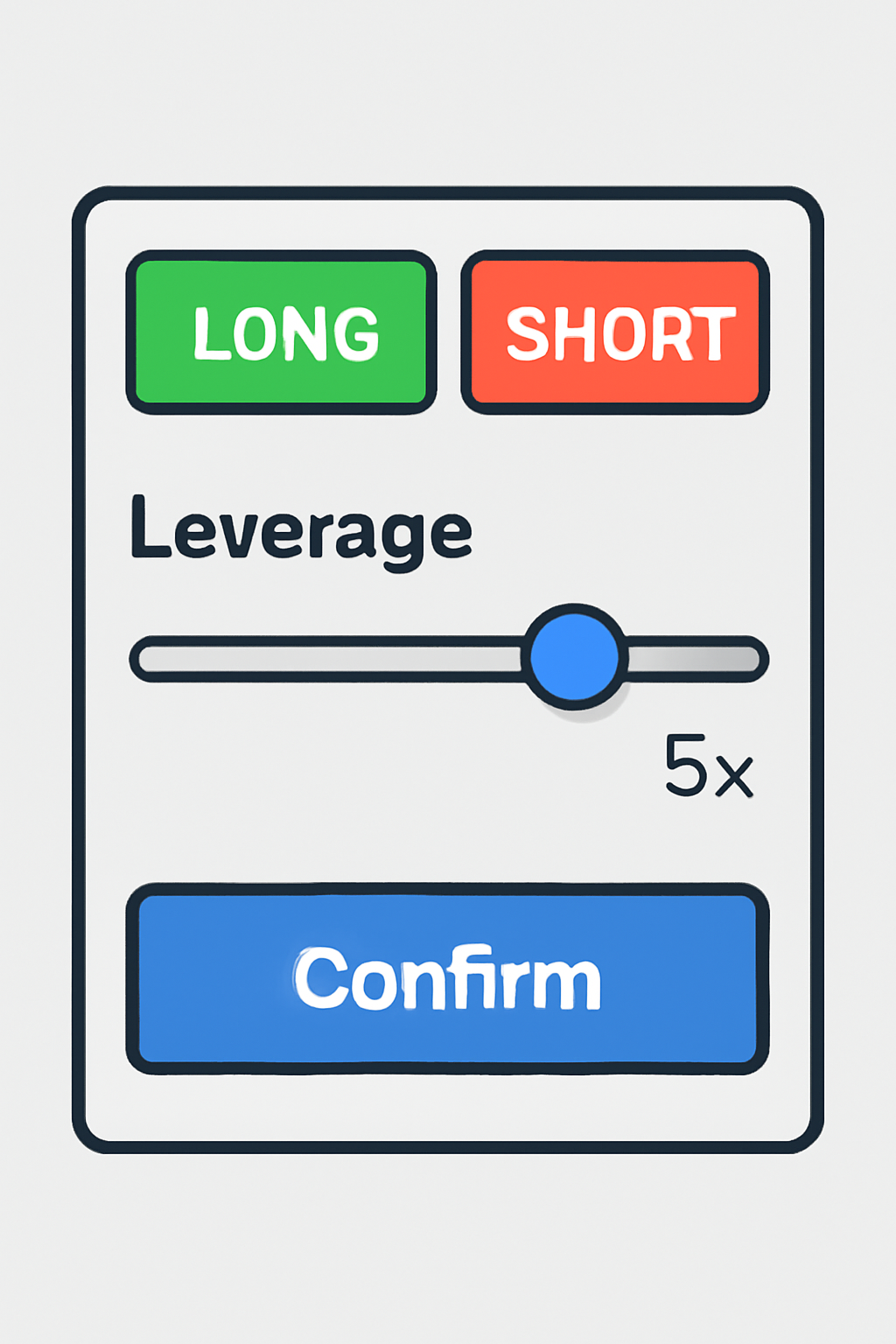
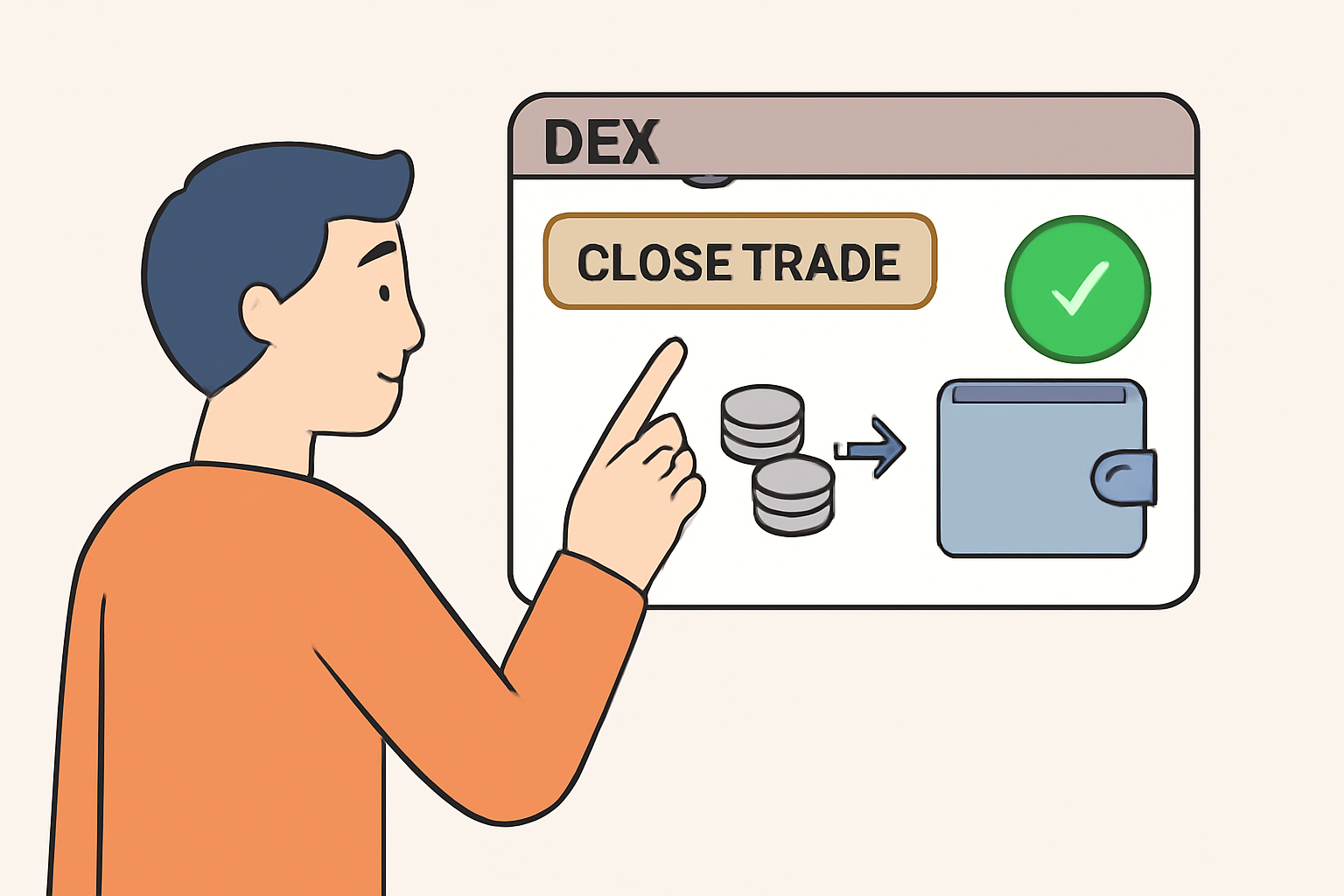
- Open a position: Go long or short with your preferred leverage.
- Monitor margin and manage risk: Keep an eye on funding rates and liquidation thresholds.
This process puts you in control, no paperwork or waiting days for account approval.
Who Should Consider Synthetic Perp Stocks?
If you’re seeking exposure to U. S. equities but want more flexibility than traditional brokerages offer, or if you’re already active in DeFi and want to diversify, synthetic perp stocks may fit your strategy. They’re especially compelling for non-U. S. traders facing access barriers or those who value privacy and self-custody over third-party risk.
The bottom line: Synthetic perp stocks are reshaping how global traders interact with American markets by combining round-the-clock access, leverage, transparency, and self-custody, all without intermediaries or geographic restrictions.
For tactical traders who thrive on volatility and demand full control over their positions, this is an opportunity worth exploring as DeFi matures further.



No comments yet. Be the first to share your thoughts!