
Imagine trading the S and amp;P 500 or NASDAQ-100 any hour of the day, every day of the year, with no centralized broker and no closing bell. That’s the power of equity perps: 24/7 synthetic stock indices on perpetual decentralized exchanges (perp DEXs). As traditional markets sleep, decentralized protocols keep equity index trading alive, letting you long or short synthetic stocks at your convenience.

What Are Equity Perps and Why Do They Matter?
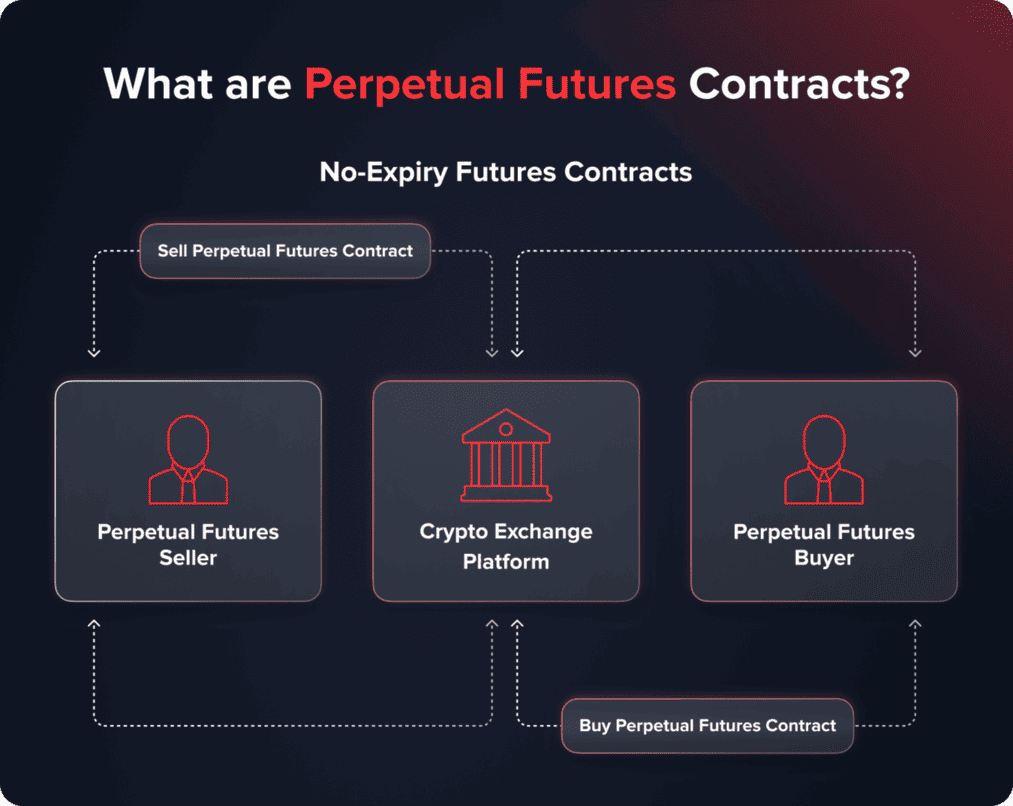
Equity perpetual contracts (or equity perps) are derivatives that track major stock indices like SPX500 or NASDAQ-100, but without ever expiring. Unlike traditional futures that settle after a set period, these contracts remain open indefinitely, mirroring the price movements of their underlying indices via decentralized infrastructure.
Why does this matter? It unlocks 24/7 stock trading in crypto, bypassing legacy market hours and intermediaries. Through perp DEXs such as dYdX and Aster, anyone can speculate on the direction of global equities using stablecoins as collateral, no brokerage account or KYC required. This is especially powerful for traders seeking to express views outside regular hours or hedge portfolio risk in real time.
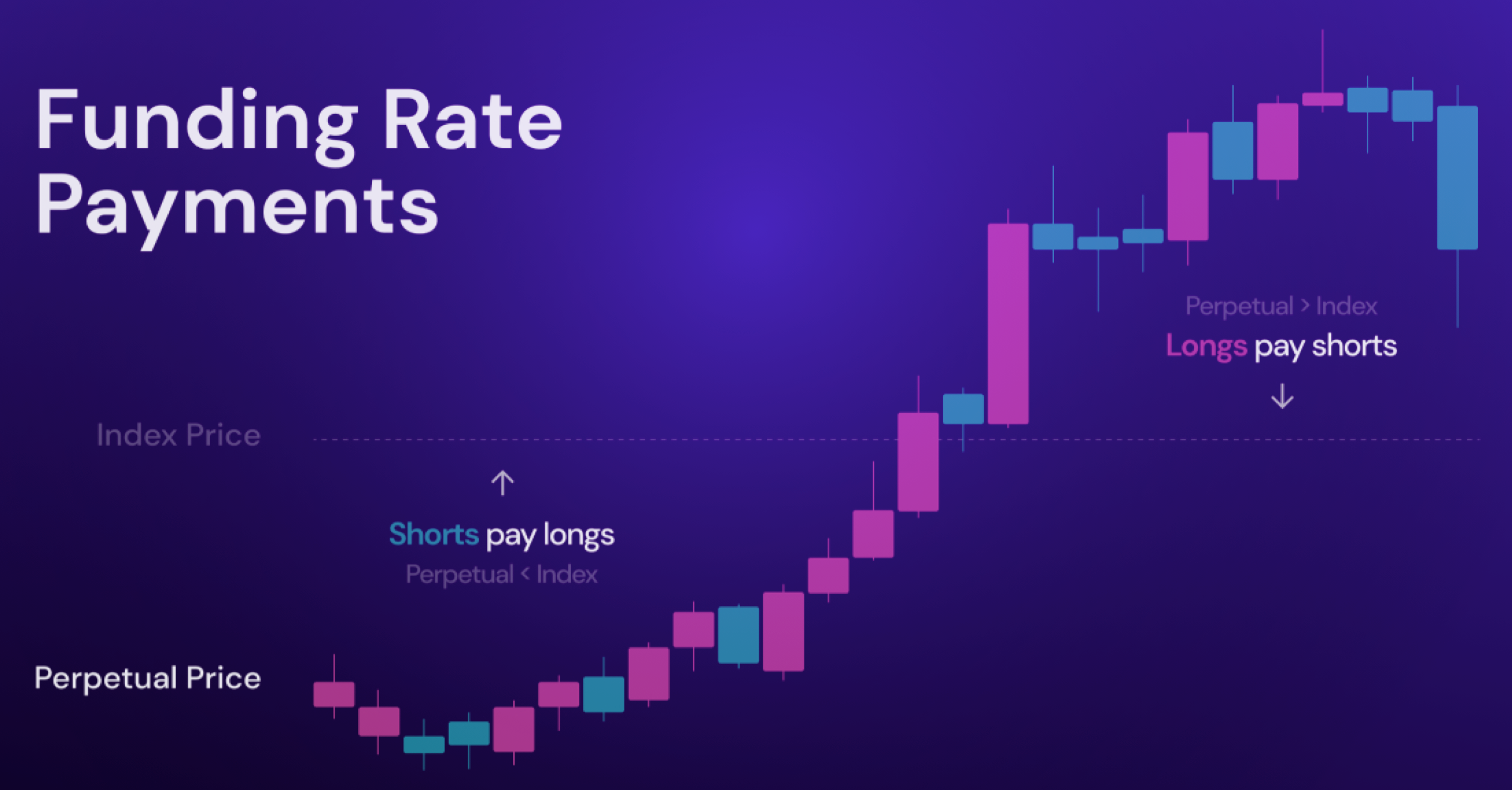
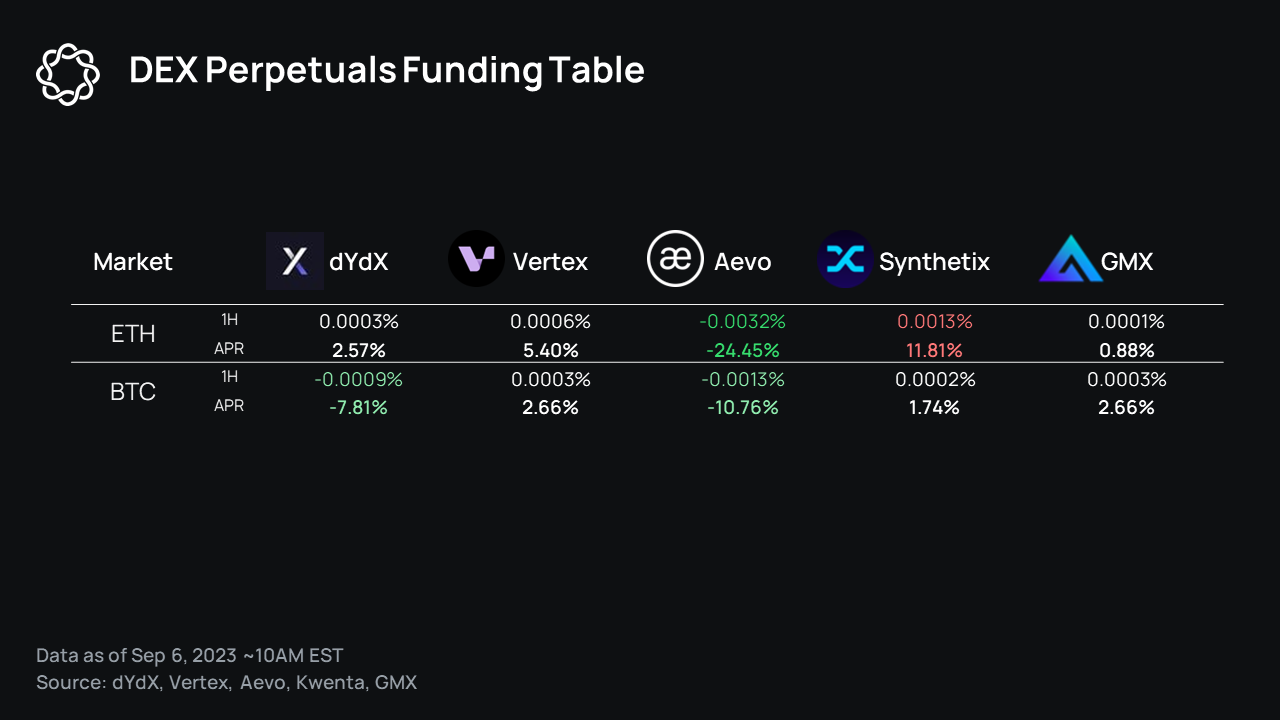
To keep perp prices aligned with real-world indices, DEXs use a mechanism called the funding rate. Periodically, traders on one side (long or short) pay the other if the perp price diverges from the reference index. This incentivizes balance and reduces persistent price gaps between synthetic and spot markets.
"Funding rates are like gravity for perps, they pull prices back toward reality when things drift too far. "
Step-by-Step: How to Trade Synthetic Stock Perpetuals on Perp DEXs
How to Open, Manage, and Close an Equity Perp Position on a Perp DEX
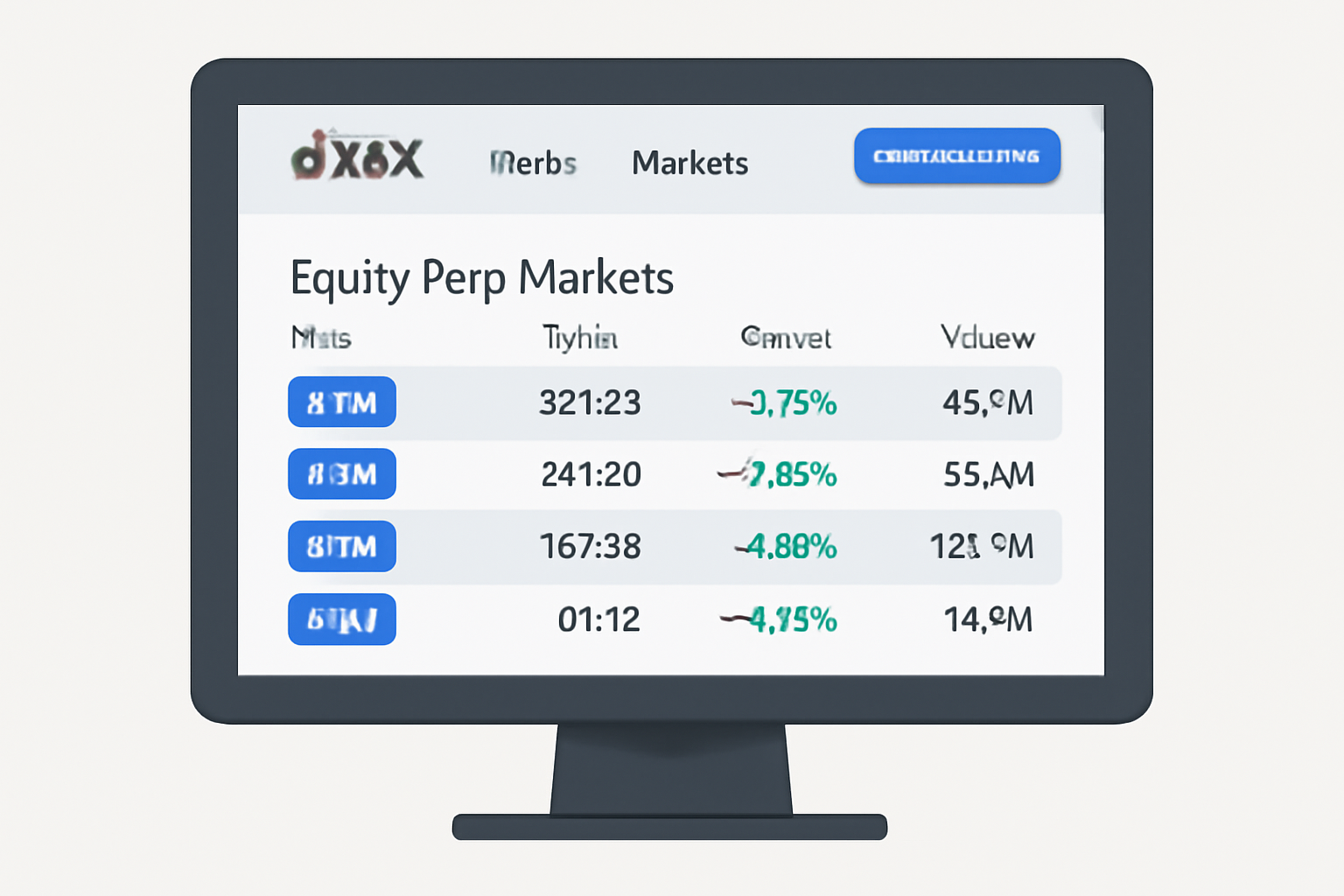
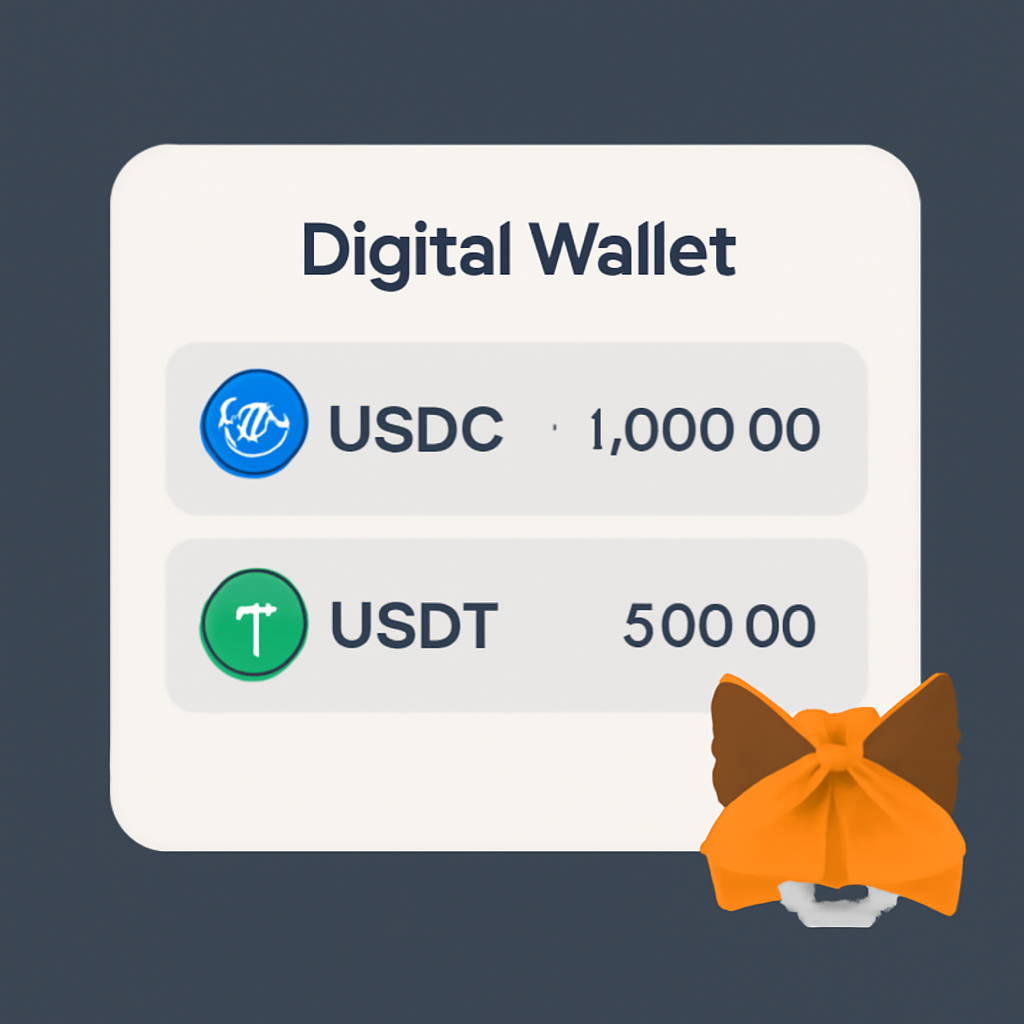
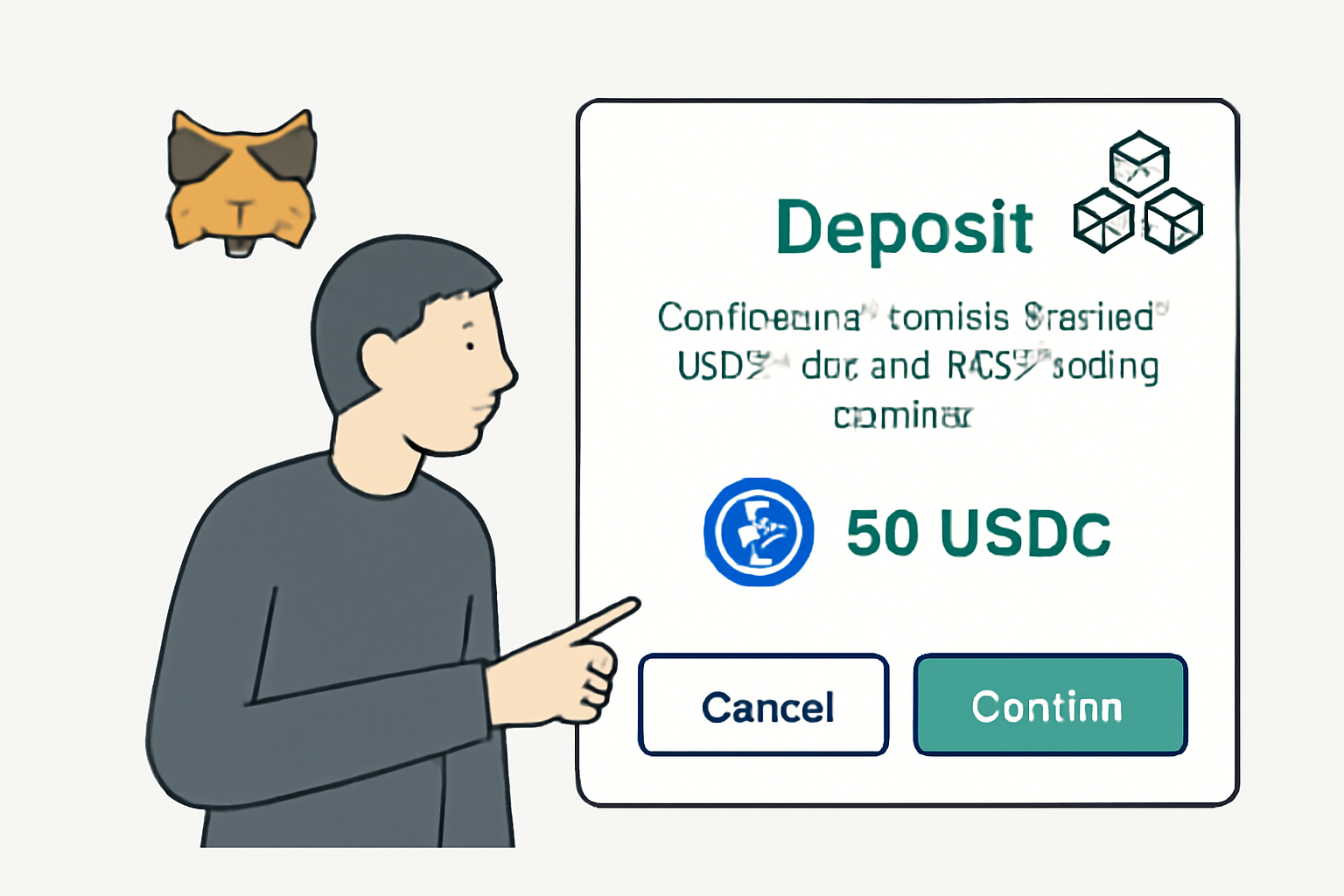
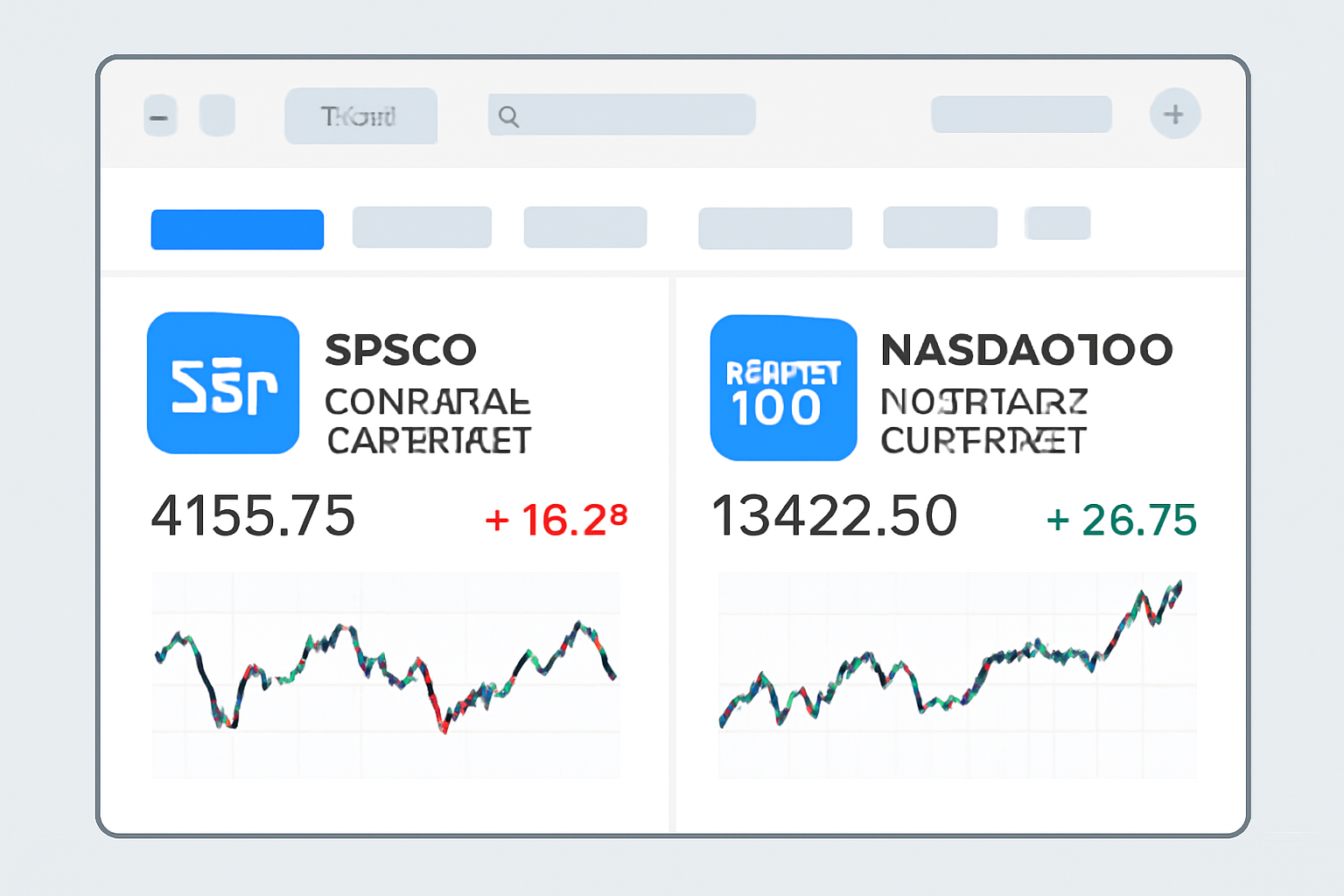
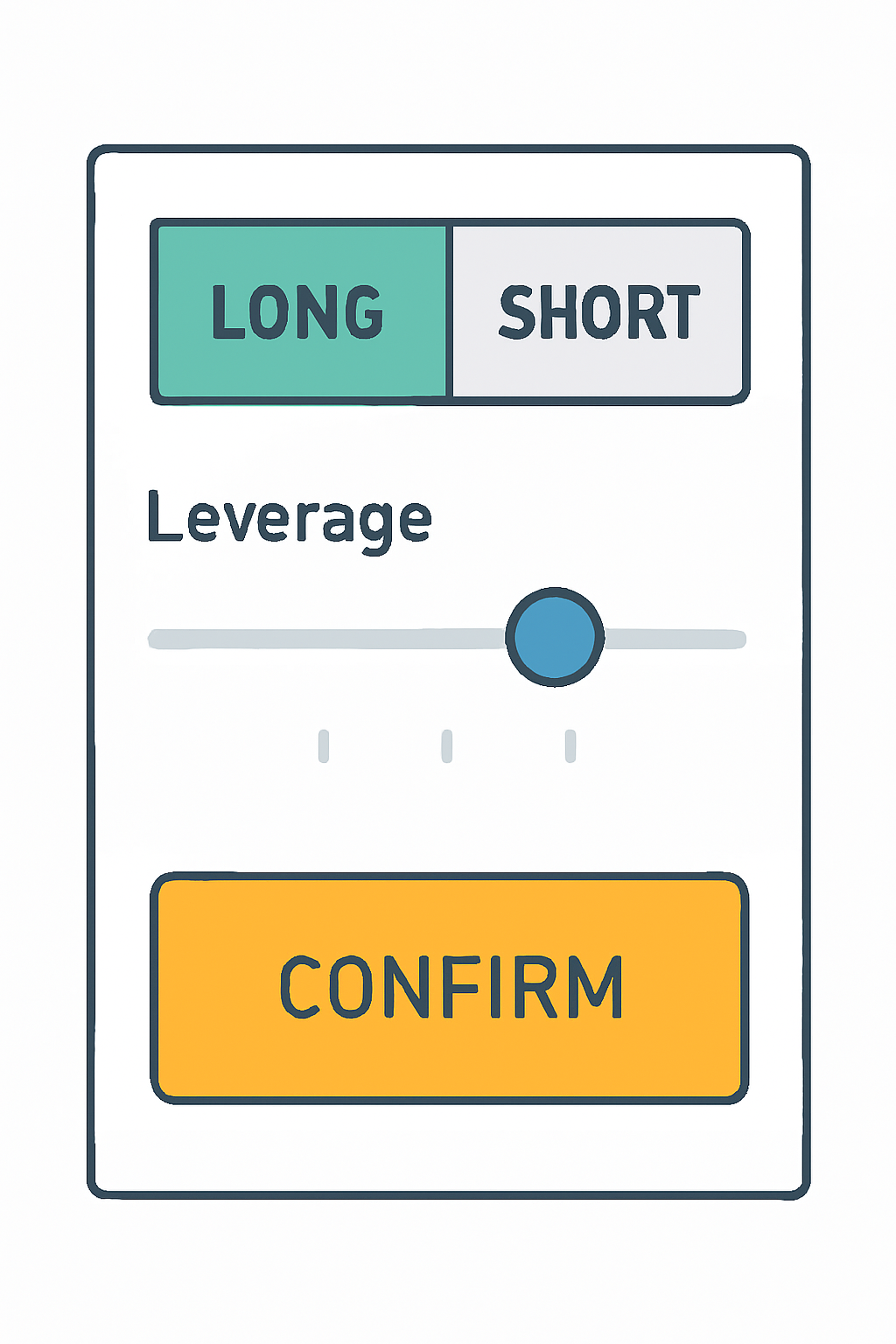
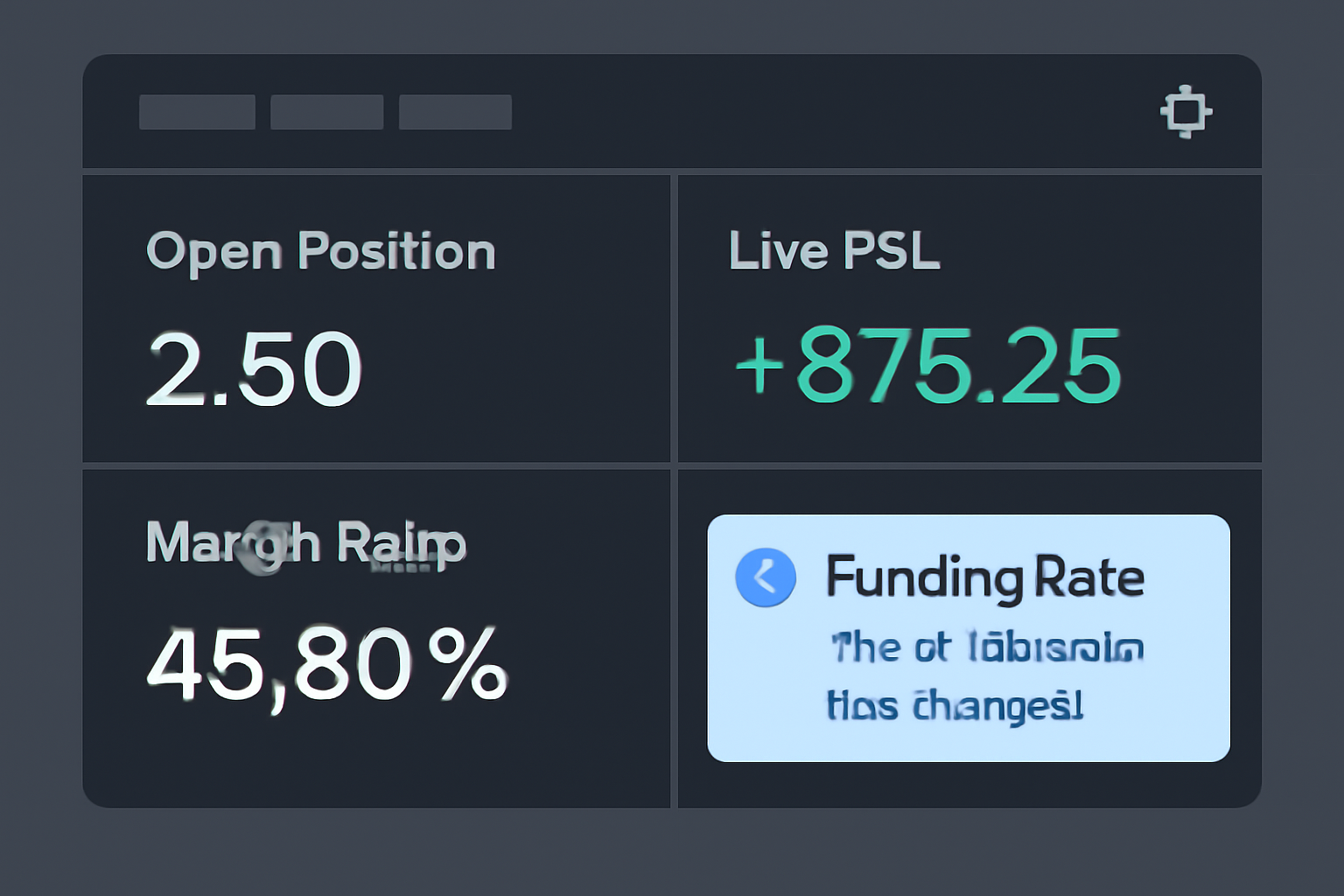
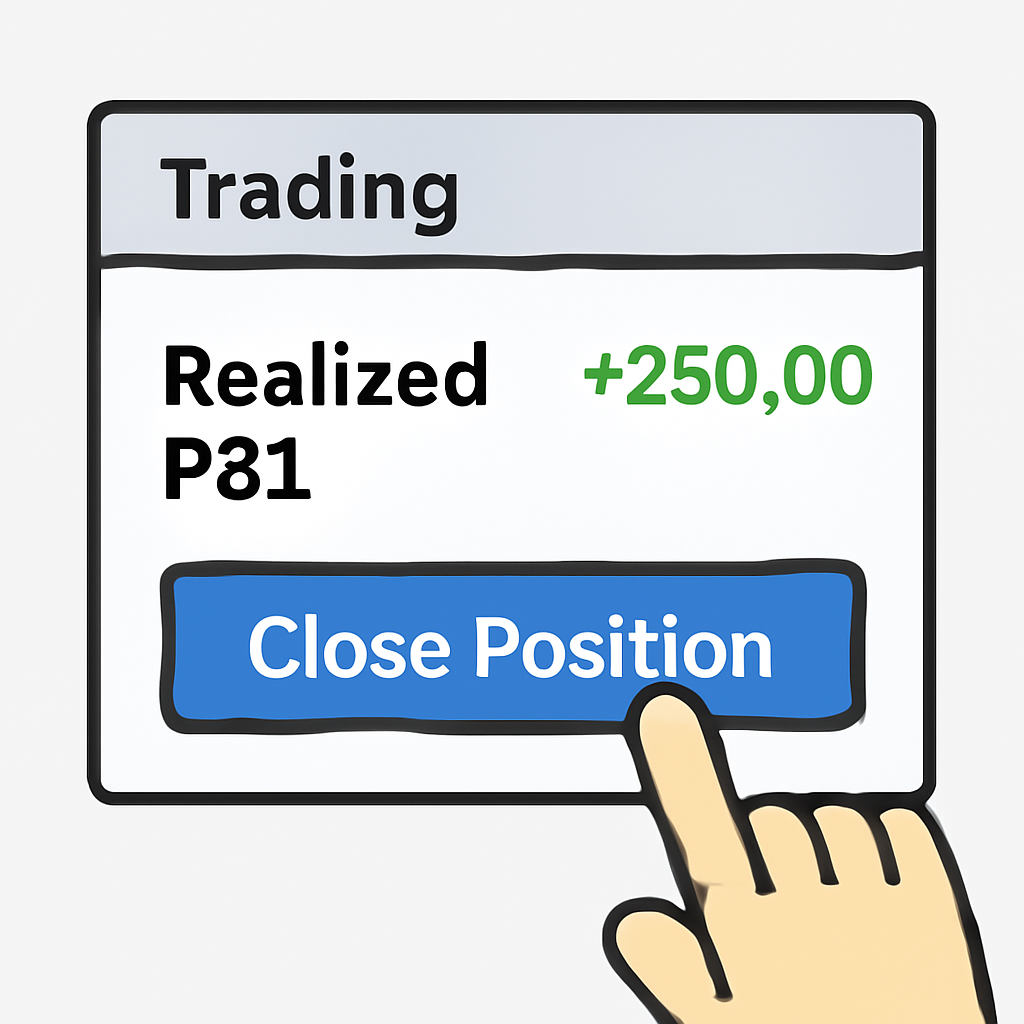
If you’re ready to explore decentralized stock futures, here’s how to get started:
- Choose a Perp DEX: Platforms like dYdX and Aster offer deep liquidity for synthetic indices such as SPX500 perps and XYZ100 perps. Look for features like advanced order types, strong security records, and transparent fee structures. For more details on choosing a platform, see our guide to the best perpetual DEXs for synthetic stock trading in 2024.
- Set Up Your Wallet: Use an Ethereum-compatible wallet (MetaMask is popular) and fund it with stablecoins like USDC or USDT. This will serve as your margin for trades.
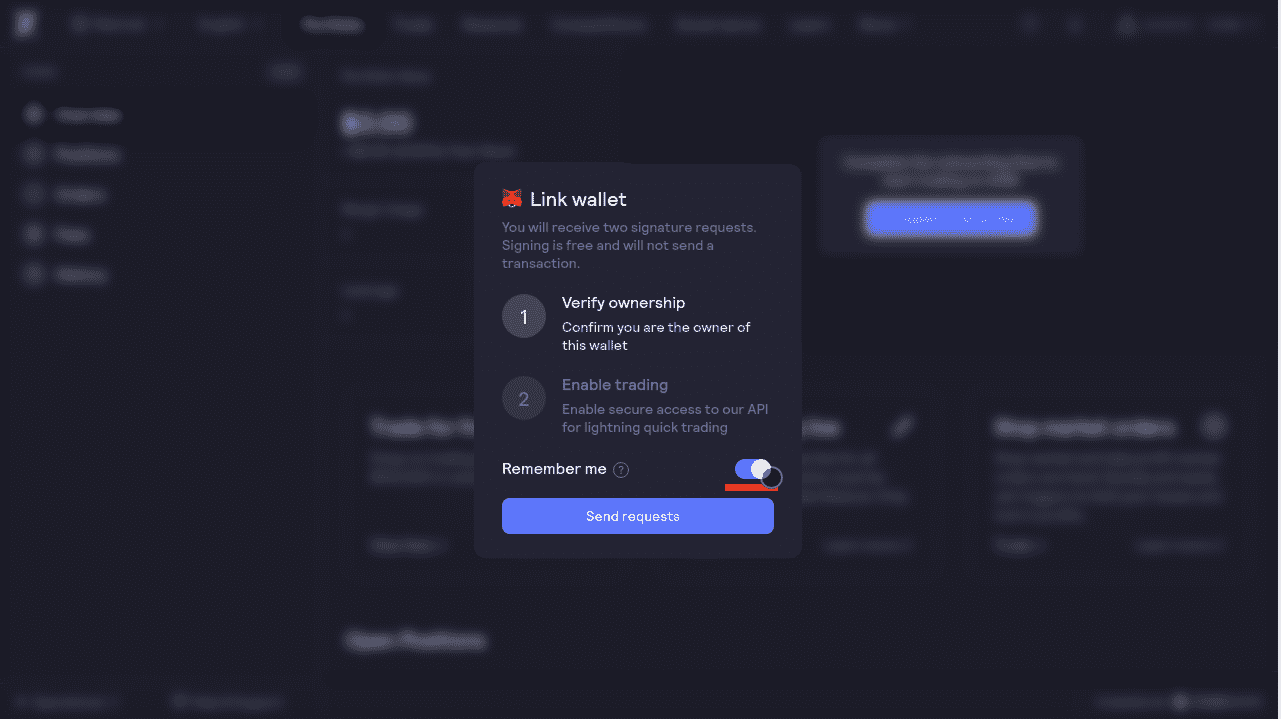
- Connect and Deposit: Link your wallet to your chosen DEX and deposit collateral into your trading account. Be aware of network fees and minimum deposit requirements.
- Select Your Market: Pick your desired equity perp, say, SPX500 perps for S and amp;P 500 exposure. Review contract specs to understand tick size, leverage limits, and funding intervals.
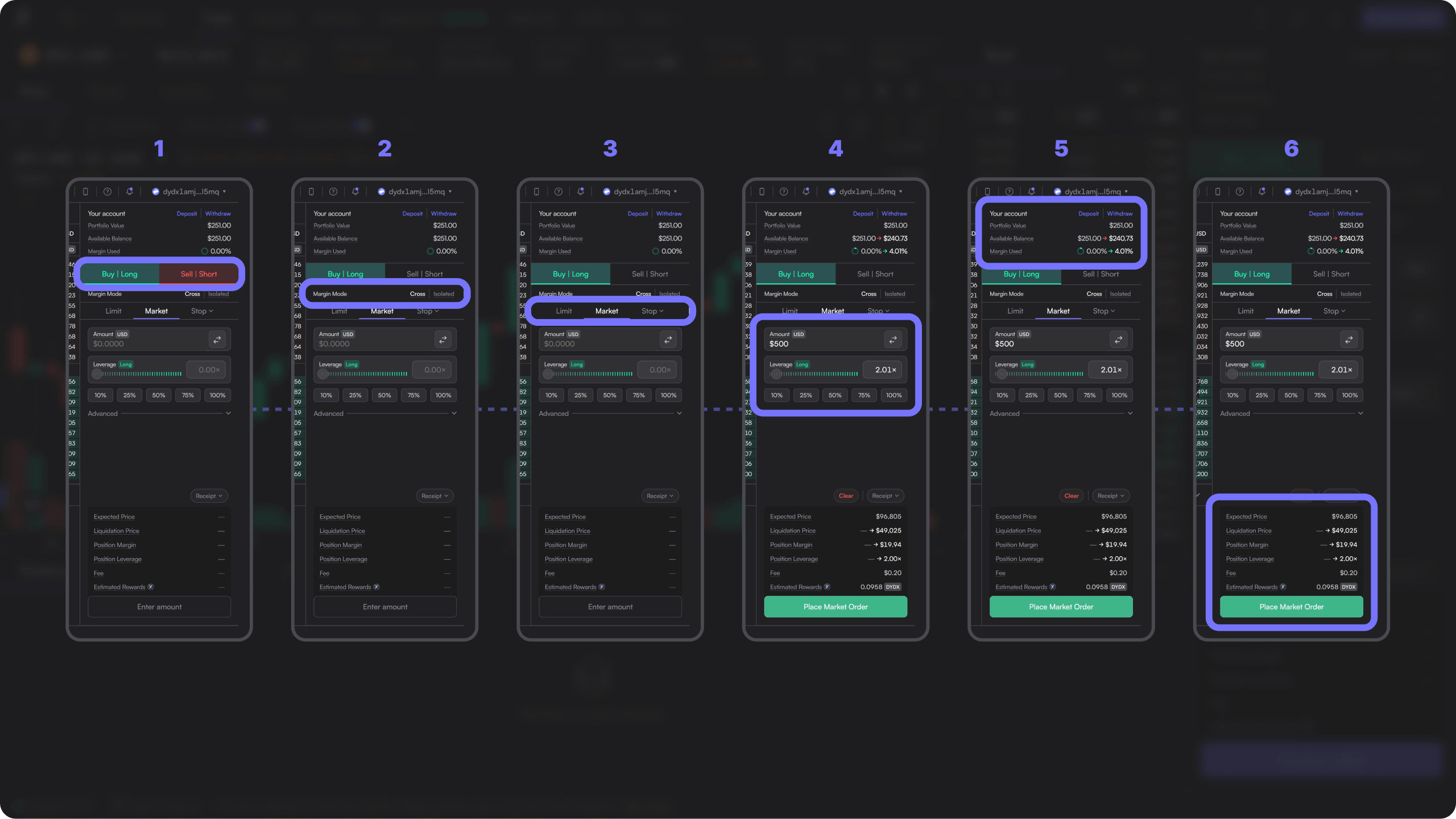
- Place Your Trade: Decide whether to go long (betting on price increases) or short (betting on declines). Specify trade size and leverage, up to 100x is possible on some platforms but remember: higher leverage means higher risk.
- Monitor Positions: Track open positions, margin levels, and funding payments in real time. Set stop-losses to manage downside risk.
Navigating Risks: What Every Trader Should Know
The appeal of synthetic indices DEX trading is strong, decentralization, global access, and continuous markets, but risks are real and should not be underestimated:
Key Risks When Trading Equity Perps on Perp DEXs
- Leverage Amplifies Losses: Using leverage can magnify both gains and losses. Even small market moves can result in significant losses, especially at high leverage levels offered on platforms like dYdX (up to 100x). Manage leverage cautiously and monitor your margin to avoid liquidation.
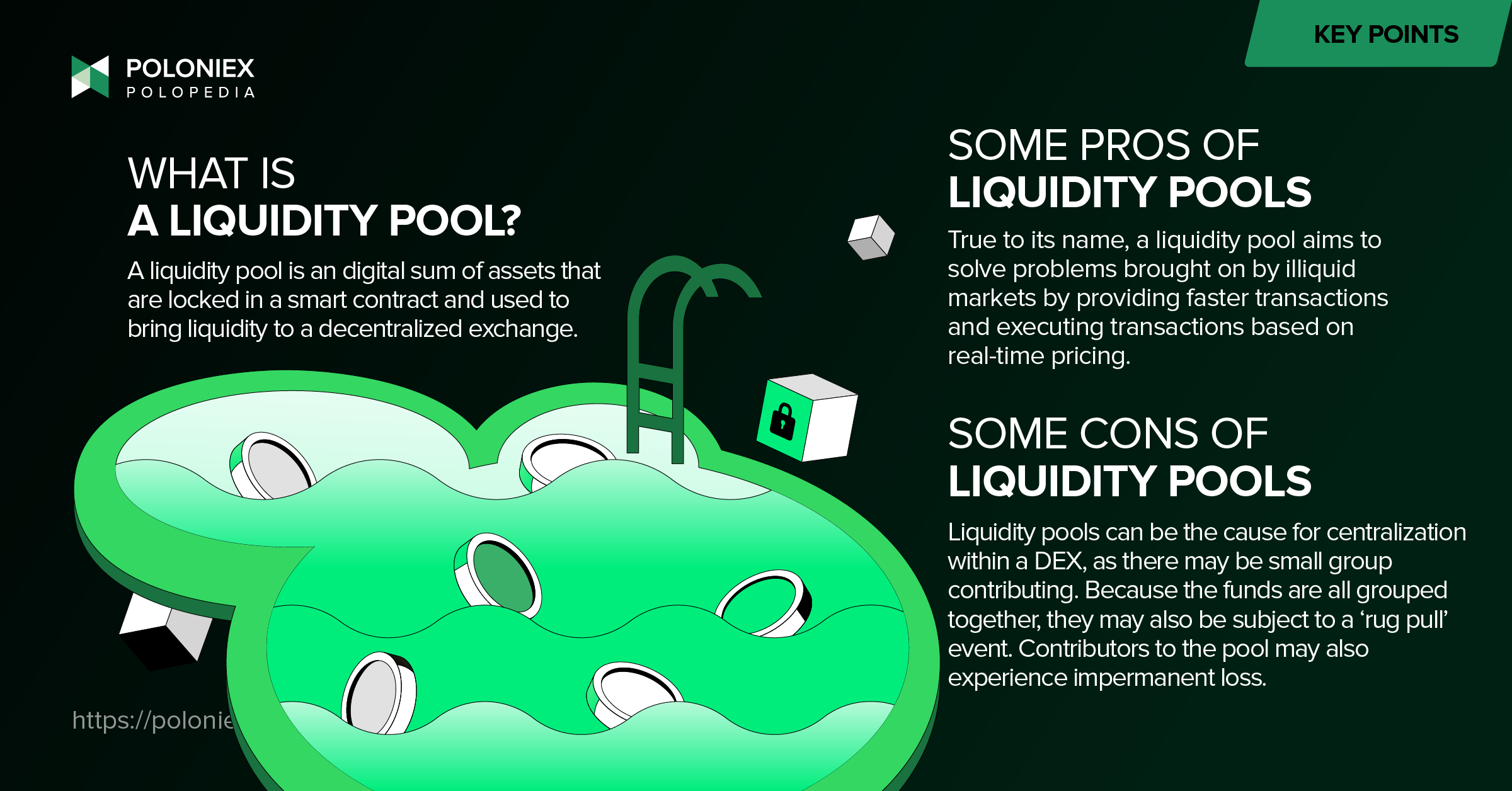
- Liquidity Constraints: Some decentralized exchanges may have lower liquidity than centralized platforms, leading to slippage or difficulty executing large trades. For example, trading large positions on less liquid Perp DEXs can result in unfavorable prices.
- Funding Rate Volatility: Equity perps rely on funding rates to align prices with the underlying index. These rates can fluctuate significantly, impacting your position's profitability over time. Unexpected funding payments can erode gains or increase losses.
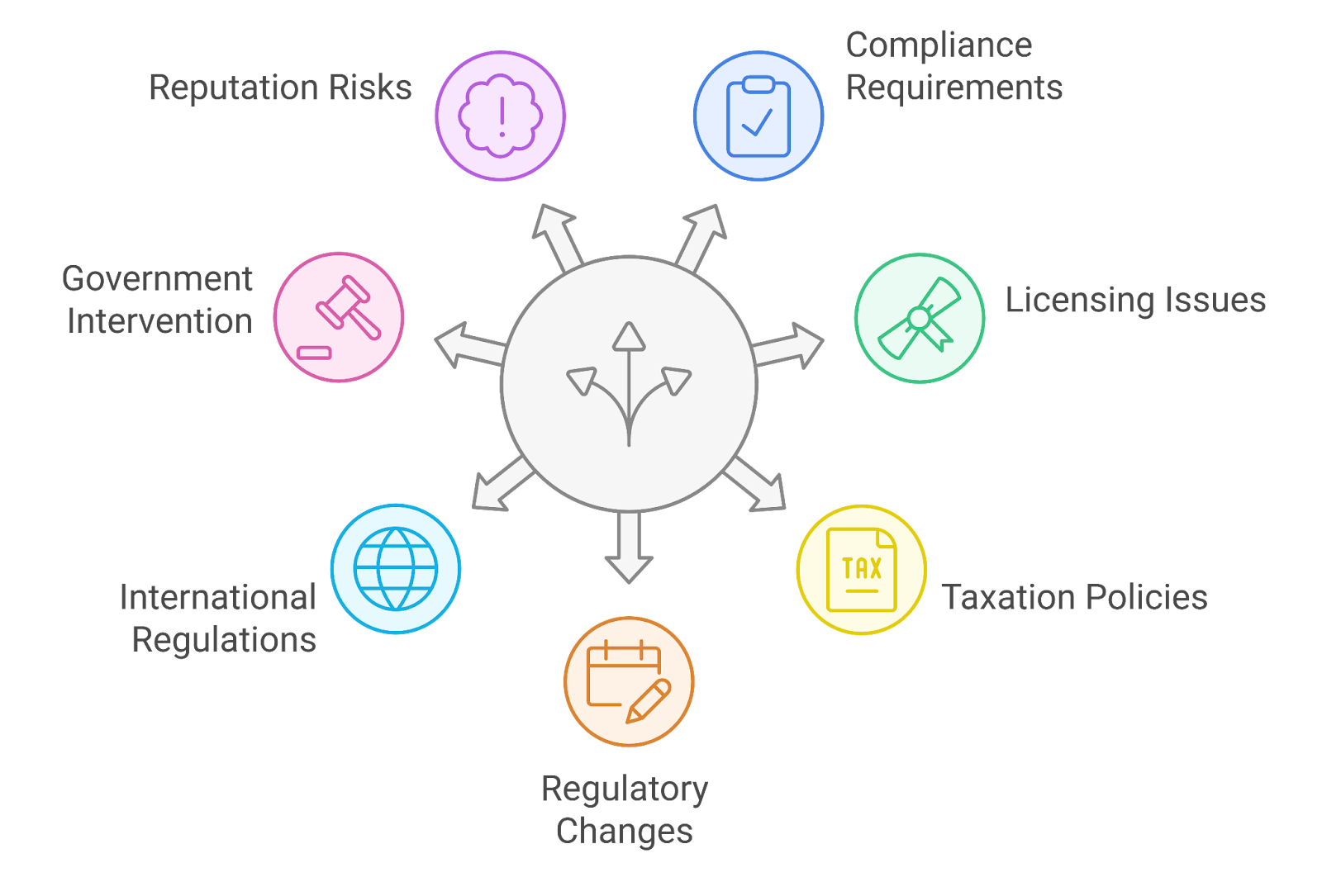
- Regulatory Uncertainty: The legal status of decentralized derivatives trading is evolving. Regulatory changes could impact your ability to access or use Perp DEXs, and compliance with local laws is your responsibility.
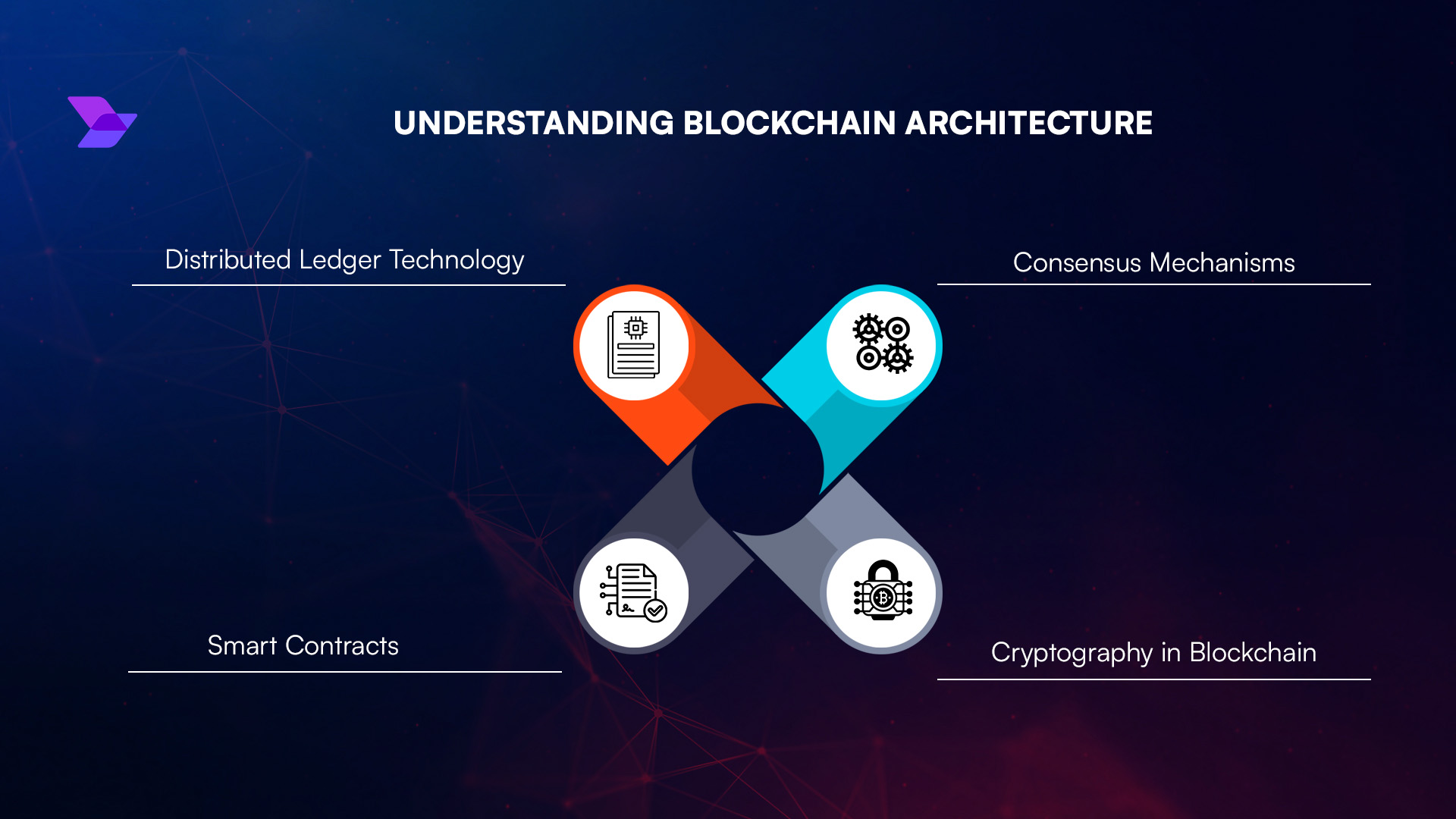
Leverage amplifies both profits and losses. Smart contract vulnerabilities can lead to unexpected losses if exploited. Liquidity may be thinner compared to centralized venues, especially during volatile periods or for less popular contracts. And while regulation is evolving rapidly in this space, compliance remains your responsibility as a trader.
If you’re new to synthetic perpetual stocks trading, consider starting with small positions or demo accounts to build confidence before scaling up your exposure.
Funding rates, margin calls, and real-time risk management are core to the synthetic perpetual experience. Unlike traditional markets, your exposure can change rapidly as funding rates shift or volatility spikes. If the perp price diverges from the underlying index for an extended period, funding payments can erode profits or deepen losses. That’s why seasoned traders monitor these variables closely, especially when using high leverage.
For example, if you’re holding a SPX500 perp long position overnight and the funding rate turns sharply negative, you’ll pay a fee to shorts for every interval the imbalance persists. Over several days, this can add up significantly. Tools like on-chain analytics dashboards and DEX notifications help you anticipate these costs and adjust your strategy proactively.
Comparing Perp DEXs: Features and User Experience
The landscape of perpetual stocks trading is evolving quickly. Leading platforms such as dYdX and Aster compete on liquidity depth, supported indices, leverage options, and user interface design. Some DEXs also offer insurance funds or protocol-level safety nets in case of market dislocations or smart contract failures, important considerations for risk-conscious traders.
User experience varies dramatically between platforms: some offer advanced order types (like stop-limit or trailing stops), while others prioritize simplicity and mobile-first access. Fee structures can also differ; some charge maker-taker fees while others bundle everything into a single spread. Before committing capital, test out the demo modes or read in-depth reviews to find what fits your style best.
Key Features to Compare on Perp DEXs for Synthetic Stocks
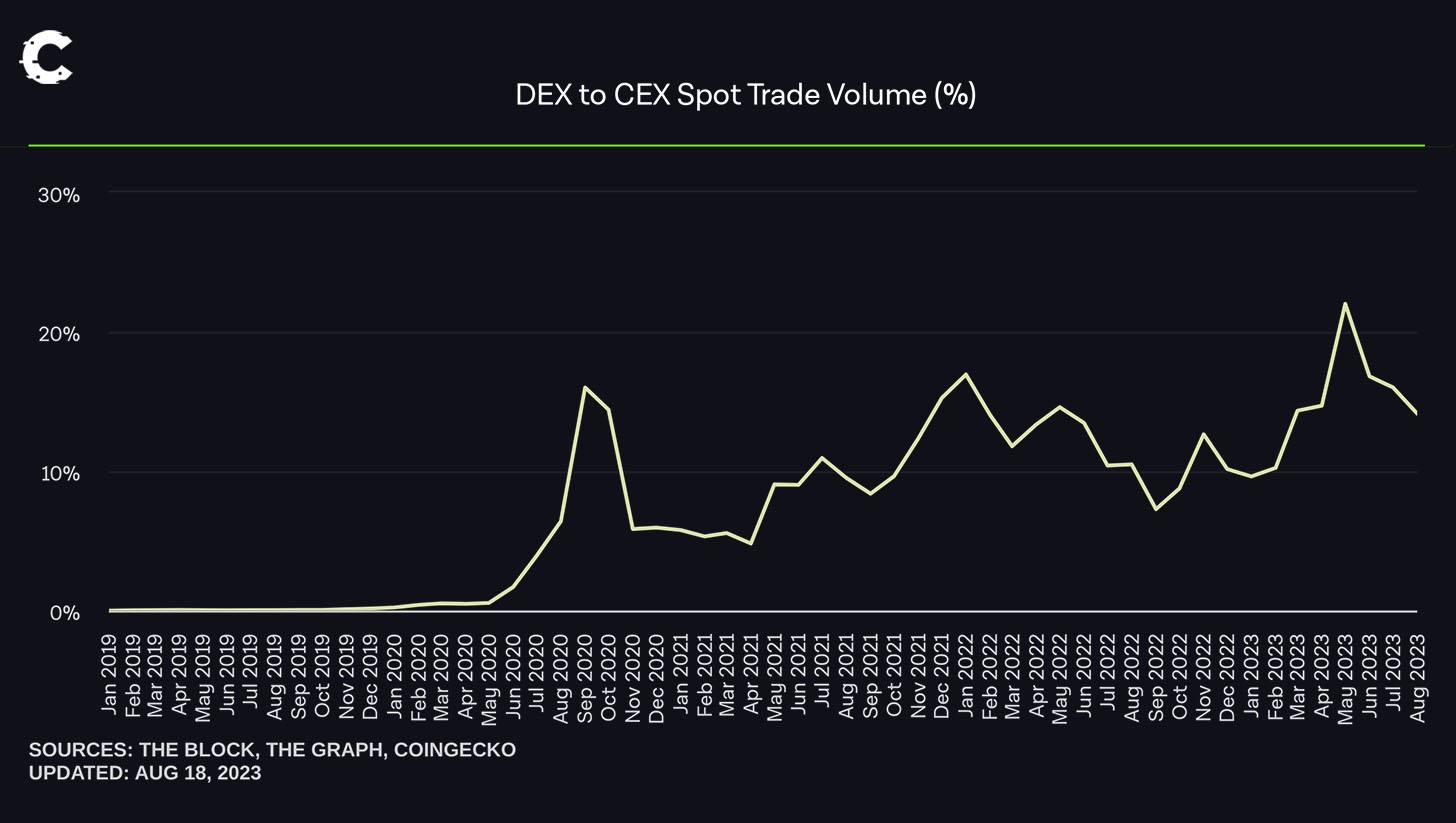
- Liquidity & Trading Volume: High liquidity ensures tighter spreads and minimal slippage. Leading DEXs such as dYdX are known for deep order books and robust volumes, which are essential for executing large trades efficiently.
- Leverage Options: Compare the maximum leverage offered (e.g., up to 100x on dYdX). Higher leverage can amplify both profits and risks, so assess what suits your risk profile and strategy.
- Funding Rate Mechanism: Review how funding rates are calculated and updated, as these periodic payments directly impact your position's profitability. Platforms like dYdX and Synthetix provide transparent funding rate details.
- Collateral & Supported Wallets: Ensure the DEX supports reliable collateral types (e.g., USDC, USDT) and is compatible with major wallets like MetaMask for seamless deposits and withdrawals.
- Security & Audits: Prioritize DEXs with comprehensive smart contract audits and a proven security track record. Platforms like dYdX and Synthetix regularly publish audit reports to maintain user trust.
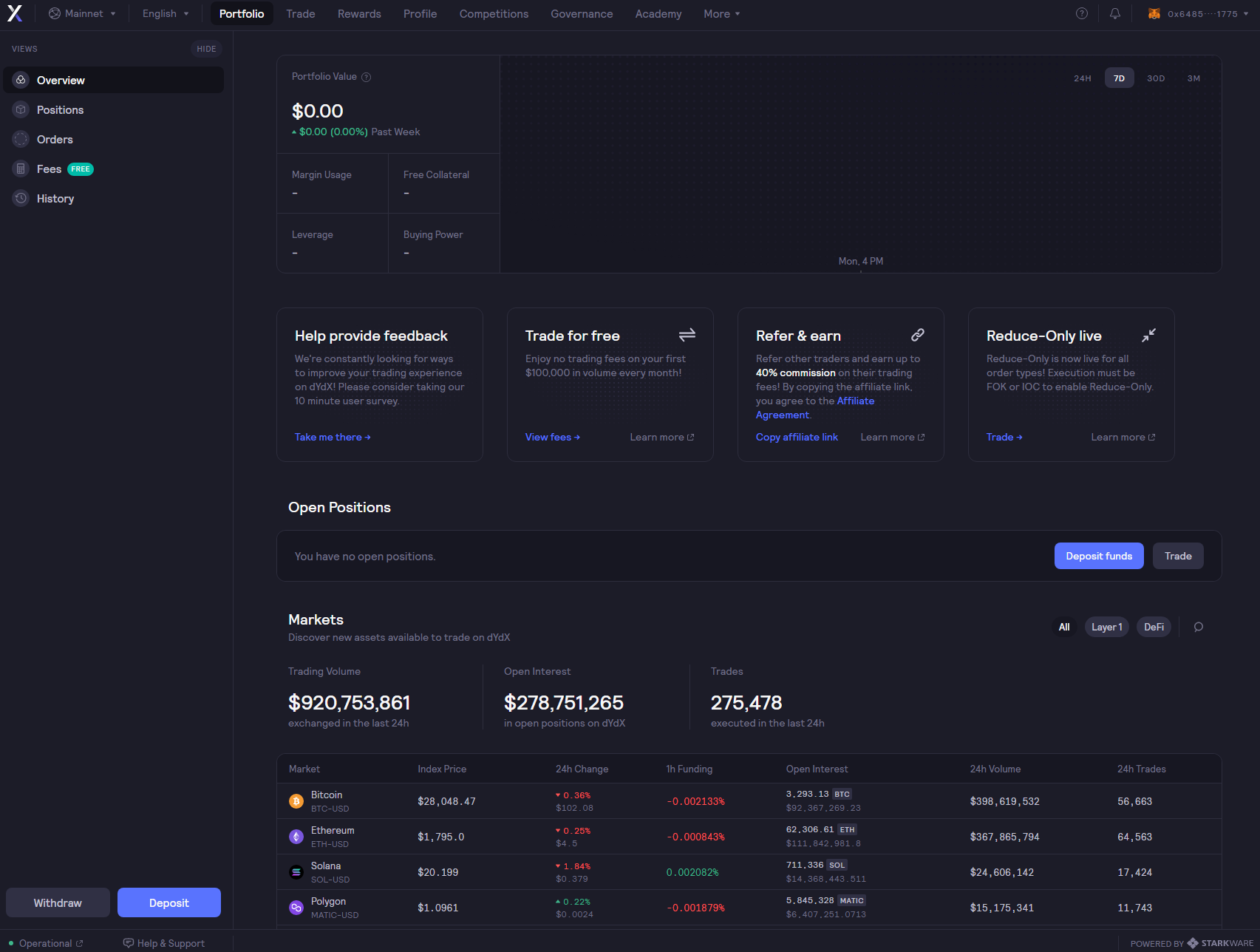
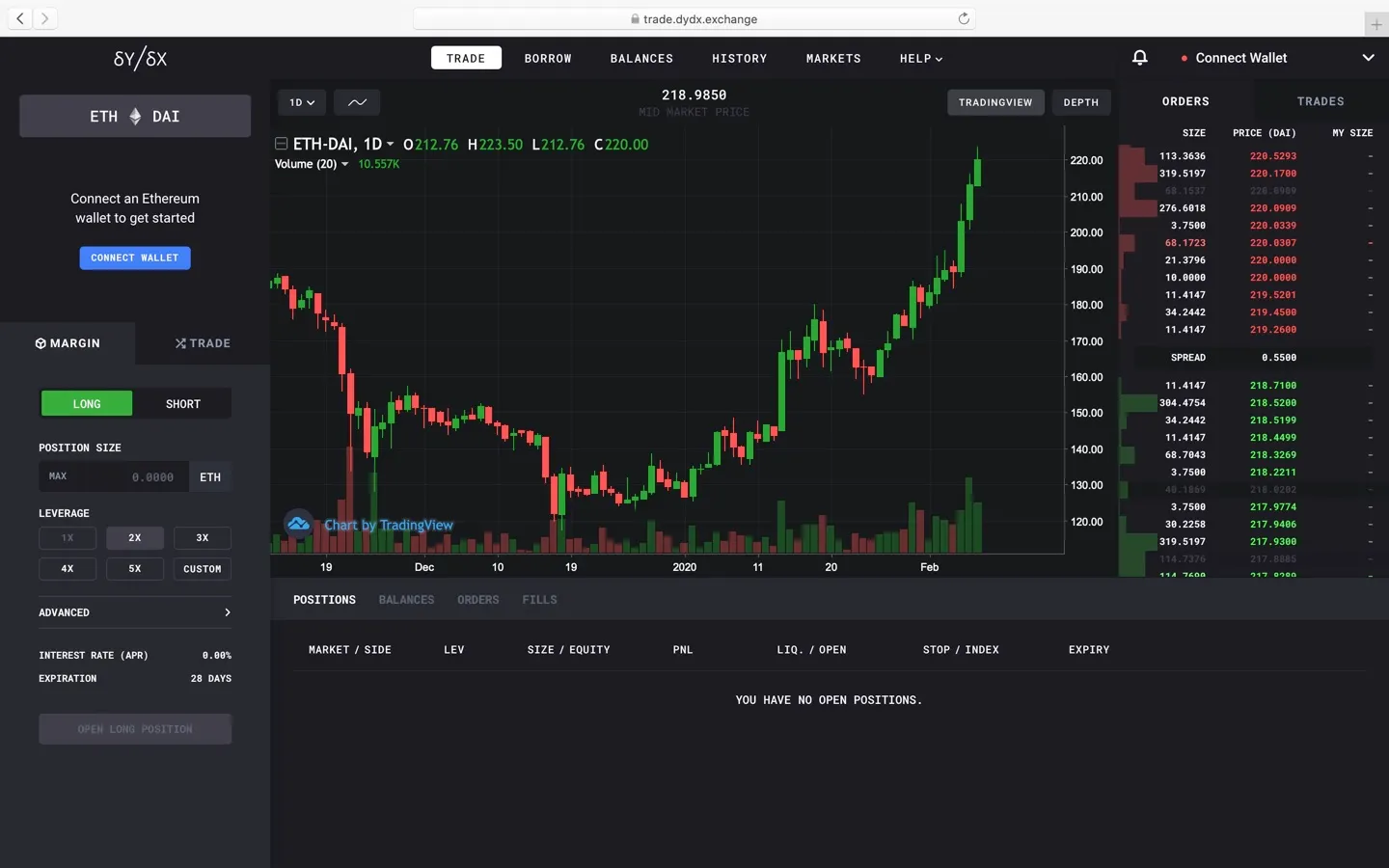
- User Interface & Trading Tools: A clear, intuitive interface with advanced charting, order types (market, limit), and risk management tools can greatly enhance your trading experience. dYdX is recognized for its professional-grade UI.
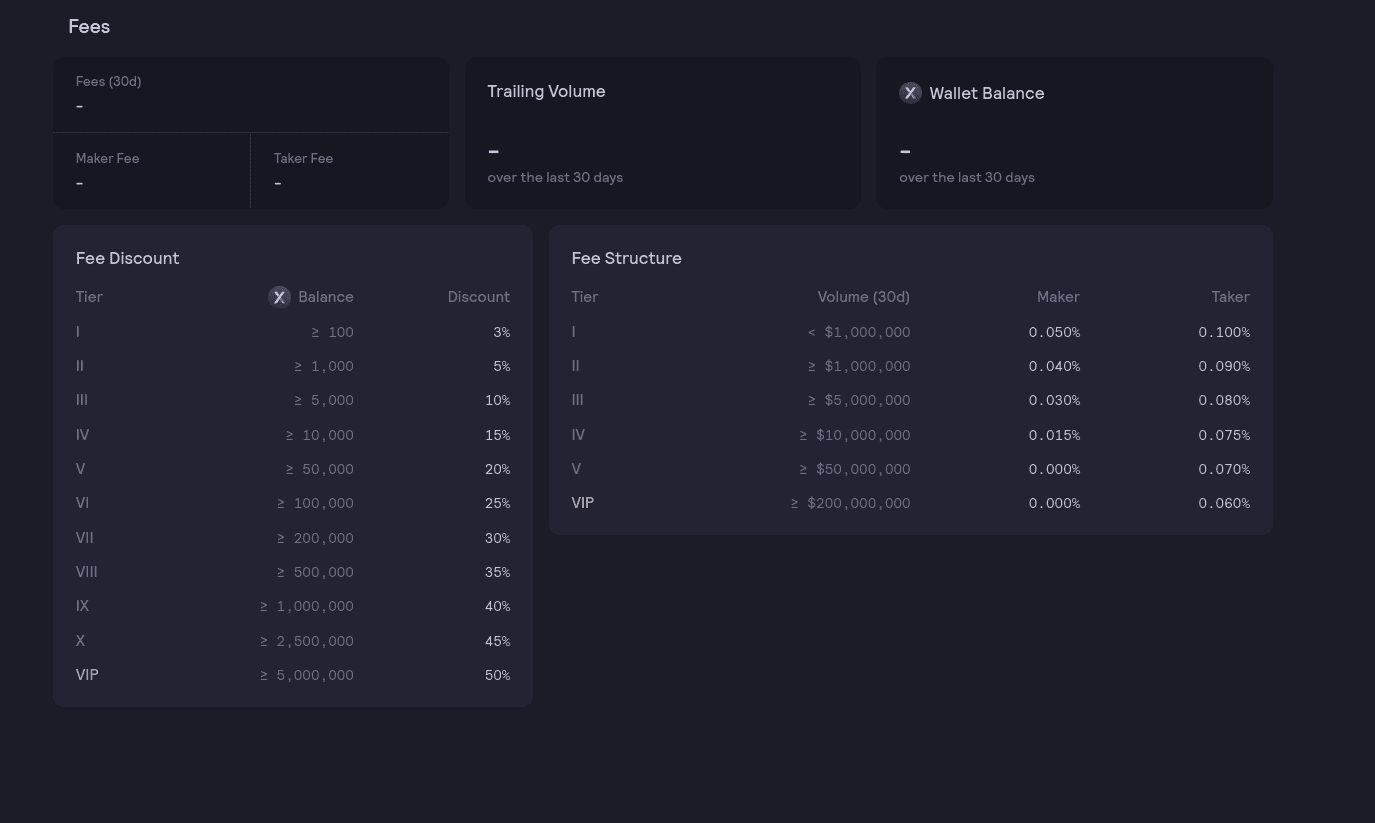
- Fee Structure: Compare trading fees, funding rates, and withdrawal costs. Transparent and competitive fee models help preserve your trading profits over time.
- Decentralization & Governance: Consider whether the DEX is governed by a DAO (Decentralized Autonomous Organization), enabling community participation in platform upgrades and policies. Synthetix is a prominent example of DAO governance in action.
For those seeking more detail on platform comparisons, including fees, supported assets, and security practices, check out our comprehensive analysis of the best perpetual DEXs for synthetic stock trading in 2024.
Best Practices: Staying Safe and Strategic
The most successful equity perp traders treat risk management as non-negotiable. Always use stop-loss orders and regularly rebalance positions to avoid liquidation during sharp moves. Diversify across different indices or perp contracts rather than concentrating all capital in a single trade, this helps cushion against sudden market swings unique to one index.
Transparency is another advantage of decentralized stock futures. On-chain records mean you can verify funding payments, open interest, and historical price action directly from block explorers or analytics tools, no need to trust a centralized operator’s reporting.
As regulation evolves and more real-world assets come on-chain, synthetic indices DEX trading is poised for further growth. For now, approach with curiosity but caution: start small, learn the mechanics of funding rates and margin management, and gradually build your expertise as you navigate this new frontier of 24/7 equity speculation.
If you’re hungry for more tactical guidance, including walkthroughs for specific assets like TSLA or AAPL perps, explore our step-by-step guides on trading synthetic perpetual stocks 24/7.


No comments yet. Be the first to share your thoughts!