
Set up your trading wallet
To trade perpetual stocks on a decentralized exchange (DEX) without identity verification, you first need a self-custodial wallet that supports Solana or EVM-compatible chains. This wallet acts as your sole identity on the blockchain; there is no customer service department to recover a lost password or frozen account. The setup process is technical and irreversible, requiring you to manage your own private keys and seed phrases.
Choose a compatible wallet
Select a non-custodial wallet that allows direct interaction with decentralized applications (dApps). Popular options include MetaMask for EVM chains (like Ethereum, Arbitrum, or Base) and Phantom for Solana. Ensure the wallet supports the specific network where your target perp DEX operates. For example, MetaMask has integrated perp trading features directly, while Phantom is the standard gateway for Solana-based derivatives platforms.
Secure your seed phrase
During installation, the wallet will generate a 12 or 24-word recovery phrase. Write this down on paper and store it in a physically secure location. Never store it digitally, screenshot it, or save it in a cloud note app. Anyone with access to this phrase has full control over your funds. If you lose it, your assets are gone forever.
Fund your wallet
Purchase cryptocurrency (such as ETH, SOL, or stablecoins like USDC) from a centralized exchange like Coinbase or Binance. Transfer these assets to your wallet address. You will need the native token of the chain (ETH for EVM, SOL for Solana) to pay for transaction fees (gas). Without gas, you cannot sign transactions to trade.
Connect to the DEX
Navigate to the official URL of your chosen perp DEX. Click the "Connect Wallet" button and select your installed wallet. The wallet will prompt you to sign a message to verify ownership of the address. This signature does not transfer funds; it simply proves you control the wallet. Once connected, your wallet balance and open positions will appear in the interface.
Download and install a wallet extension or mobile app like MetaMask or Phantom. Create a new wallet and securely record your 12-24 word seed phrase on paper. Never digitize this phrase.

Transfer ETH, SOL, or USDC from a centralized exchange to your wallet address. Ensure you have enough of the native chain token to cover transaction fees for trading.
Visit the official DEX website and click "Connect Wallet." Approve the connection request in your wallet. Verify the URL to avoid phishing sites that mimic legitimate platforms.
Fund your account with stablecoins
Perpetual stock DEXs do not accept fiat currency. You cannot deposit dollars, euros, or pounds directly into these platforms. Instead, you must fund your wallet with stablecoins, typically USDC or USDT, which serve as the collateral for your positions.
This requirement creates a distinct two-step on-ramp process. First, you acquire stablecoins on a centralized exchange or through a peer-to-peer transaction. Second, you transfer those assets to the non-custodial wallet connected to the DEX. Understanding this flow is critical because the speed and cost of moving funds depend entirely on the blockchain network you choose.
1. Acquire USDC or USDT
Most perp DEX platforms, such as those offering 24/7 stock perpetual contracts, require USDC (USD Coin) or USDT (Tether) as the primary margin asset. These tokens are pegged to the US dollar, providing the price stability necessary for leveraged trading.
You can purchase these stablecoins on any major centralized exchange (CEX) like Coinbase, Binance, or Kraken. When buying, ensure you select the correct network version of the token. For example, if the DEX operates on Solana, you must buy the Solana-native version of USDC, not the Ethereum version.
2. Transfer to Your Non-Custodial Wallet
Once purchased, withdraw the stablecoins from the exchange to your personal wallet (e.g., Phantom, MetaMask, or Rabby). This step is non-negotiable for DEX trading because these platforms do not hold your funds; you must control the private keys.
When initiating the withdrawal, double-check the network compatibility. Sending Ethereum-based USDC to a Solana-based DEX will result in permanent loss of funds. Always verify the receiving address and network type before confirming the transaction.
3. Connect Wallet and Verify Balance
Navigate to the DEX interface and connect your wallet. The platform will read your on-chain balance to determine your available collateral. Unlike traditional brokers, there is no account verification or credit check. Your ability to trade is limited only by the amount of stablecoins you hold.
Some platforms may require you to "approve" the token spend before trading. This is a blockchain transaction that grants the smart contract permission to access your funds for margin purposes. Ensure you understand the gas fees associated with this step, as they can vary significantly depending on network congestion.
4. Deposit Collateral for Margin
After connecting, you may need to explicitly deposit your stablecoins into the trading pool or margin account. This action locks the funds as collateral against your leveraged positions. If the value of your positions moves against you, this collateral is used to cover losses.
Be aware that the stability of your collateral is not guaranteed by any government or institution. While USDC and USDT are designed to maintain a 1:1 peg, de-pegging events have occurred in the past. In a high-stakes trading environment, a sudden drop in stablecoin value can trigger immediate liquidation of your positions.
5. Manage Network Fees and Slippage
Before executing your first trade, account for transaction costs. Every action—depositing, approving, and trading—requires a network fee (gas). On Ethereum, these fees can be high, whereas on Solana or Layer-2 solutions, they are typically fractions of a cent.
Additionally, consider slippage. When swapping or depositing large amounts of stablecoins, the price may shift slightly due to market liquidity. Set your slippage tolerance appropriately to avoid failed transactions or unfavorable entry prices.
Key Risks to Understand
The lack of KYC (Know Your Customer) processes means these platforms operate in a regulatory gray area. While this offers privacy, it also means you have no legal recourse if the platform experiences a hack, smart contract bug, or insolvency event.
Always start with a small amount of capital to test the flow. Familiarize yourself with the withdrawal process before committing significant funds. Remember that while the trading is 24/7, the blockchain network itself may experience downtime or congestion, potentially locking your assets during critical market moments.
Select a perp stocks DEX platform
Choosing the right decentralized exchange for synthetic stock exposure requires balancing liquidity, asset availability, and regulatory risk. Unlike centralized exchanges, these platforms operate without Know Your Customer (KYC) checks, but this anonymity comes with significant trade-offs. You are often trading against smart contracts rather than a regulated counterparty, meaning there is no investor protection if the protocol fails or is exploited.
The market for perpetual contracts on decentralized exchanges is dominated by a few key players. Drift Protocol stands out as the largest open-source perpetual futures exchange built on Solana, leveraging the network's speed for lower latency. Meanwhile, Aster has emerged as one of the few global perp DEXs to offer stock-based perpetual futures, providing 24/7 trading exposure to US equities like TSLA and AAPL. These platforms allow you to speculate on stock prices without holding the underlying assets, but they rely on oracles for price feeds, which introduces a different set of technical risks.
When comparing platforms, focus on three critical metrics: supported synthetic assets, trading fees, and the underlying blockchain. Liquidity is paramount; low volume on a perp stocks DEX platform can lead to high slippage and difficulty exiting positions during volatile market hours. Additionally, consider the regulatory environment. While these platforms do not require KYC, the legal status of synthetic equity derivatives varies by jurisdiction. Engaging with these protocols may expose you to legal risks depending on your location.
The table below compares the primary options available for trading synthetic stocks without KYC. Use this data to identify which platform aligns with your risk tolerance and asset preferences.
| Platform | Chain | Stock Support | Fee Structure |
|---|---|---|---|
| Drift Protocol | Solana | Limited / Crypto-focused | Low (Solana gas) |
| Aster | Multi-chain | Major US Equities | Variable (Oracle-based) |
| Hyperliquid | Hyperliquid L1 | Limited Equity Synthetics | Tiered (Volume-based) |
| GMX | Arbitrum / Avalanche | None (Crypto/Forex only) | 0.1% - 0.1% |
Always verify the current list of supported assets on the platform before depositing funds. Synthetic stock contracts can be delisted or modified by protocol governance. Treat these platforms as high-risk trading venues, not long-term investment accounts.
Execute your first leveraged trade
Trading perpetual stocks on a decentralized exchange (DEX) requires precision. Unlike centralized platforms, there is no customer support to reverse a mistaken order. You are solely responsible for your capital. This guide walks you through the interface mechanics of MetaMask Perps, a primary example of on-chain perpetual futures trading.
Navigate to the trading interface and connect your Web3 wallet. Ensure you are on the correct network (typically Ethereum Mainnet or a Layer 2 like Arbitrum). Verify the URL is the official provider to avoid phishing sites. Once connected, the interface will display your available balance and margin capacity.
Search for the synthetic asset you wish to trade, such as TSLA or AAPL. These tokens track the price of real-world equities using oracle data. Review the current price and the 24-hour volume to ensure sufficient liquidity. Low volume can lead to slippage, meaning your execution price may differ from the quoted price.
Perpetual futures allow leverage, meaning you control a larger position with less capital. MetaMask Perps, for example, offers up to 50x leverage. Be cautious: high leverage amplifies both gains and losses. If the market moves against you by just 2%, a 50x leveraged position could be liquidated entirely. Set your margin amount carefully.

Choose "Long" if you believe the stock price will rise, or "Short" if you expect it to fall. Enter your order details and review the fees. On-chain trading requires gas fees for the transaction. Confirm the trade in your wallet. Once confirmed, the position is open and active on the blockchain.
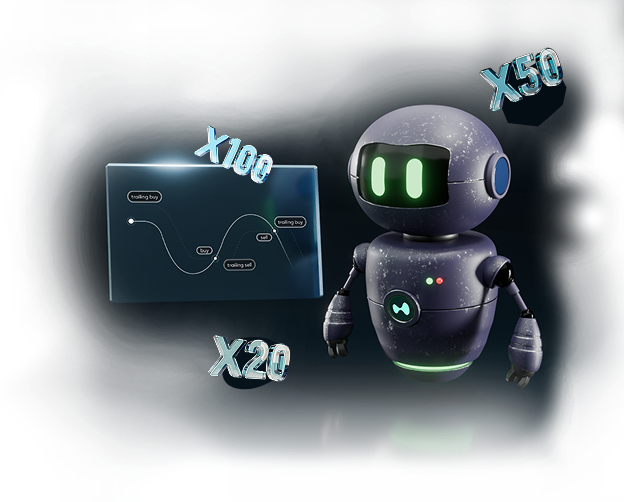
Track your position’s performance in real-time. You can close the trade at any time by clicking "Close Position." This locks in your profit or loss. Remember that perpetual contracts do not expire, but you must maintain sufficient margin to avoid liquidation. Set stop-loss orders if the platform supports them to limit downside risk.
Critical Risk Warnings
Trading leveraged derivatives on DEXs carries extreme risk. There is no FDIC insurance or regulatory protection for your funds. Smart contract vulnerabilities, oracle failures, or extreme market volatility can result in total loss of capital. Always trade only with funds you can afford to lose.
Manage risk and avoid liquidation
Trading perpetual stocks on decentralized exchanges without KYC introduces significant leverage risks. Unlike traditional markets, on-chain liquidations are automated and irreversible. A sudden price spike can wipe out your collateral in seconds, leaving you with zero capital and no consumer protection.
To protect your capital, you must strictly manage your margin ratio. Always set a stop-loss order before opening a position. This prevents emotional decision-making during high-volatility events. Additionally, monitor the funding rate. High positive funding rates indicate long positions are paying shorts, which can erode your capital over time if you hold too long.
Liquidation mechanics vary by protocol, but the core principle remains: your position is closed when your equity falls below the maintenance margin. There is no circuit breaker or margin call warning on most DEXs. You must treat every trade as if the entire position could be lost immediately.
Frequently asked questions about perp stocks DEX
Perpetual decentralized exchanges (perp DEXs) operate in a regulatory gray area, offering high leverage without the safeguards of traditional finance. Below are answers to common questions regarding legality, security, and mechanics.
No comments yet. Be the first to share your thoughts!