
Perpetual DEX trading 2026 market snapshot
The competitive landscape for perpetual DEX trading has shifted fundamentally. By early 2026, the primary battle moved from centralized versus decentralized exchanges to direct DEX versus DEX competition. This transition reflects a maturing market where traders increasingly prioritize on-chain transparency and self-custody over the convenience of centralized intermediaries.
Despite this structural shift, aggregate trading volumes have retreated from their late-2025 peaks. According to DefiLlama data, daily perpetual DEX volume fell to $699 billion in March 2026, down significantly from the $1.36 trillion recorded in October 2025. This five-month decline suggests a cooling of speculative frenzy, though volumes remain substantial relative to earlier years.
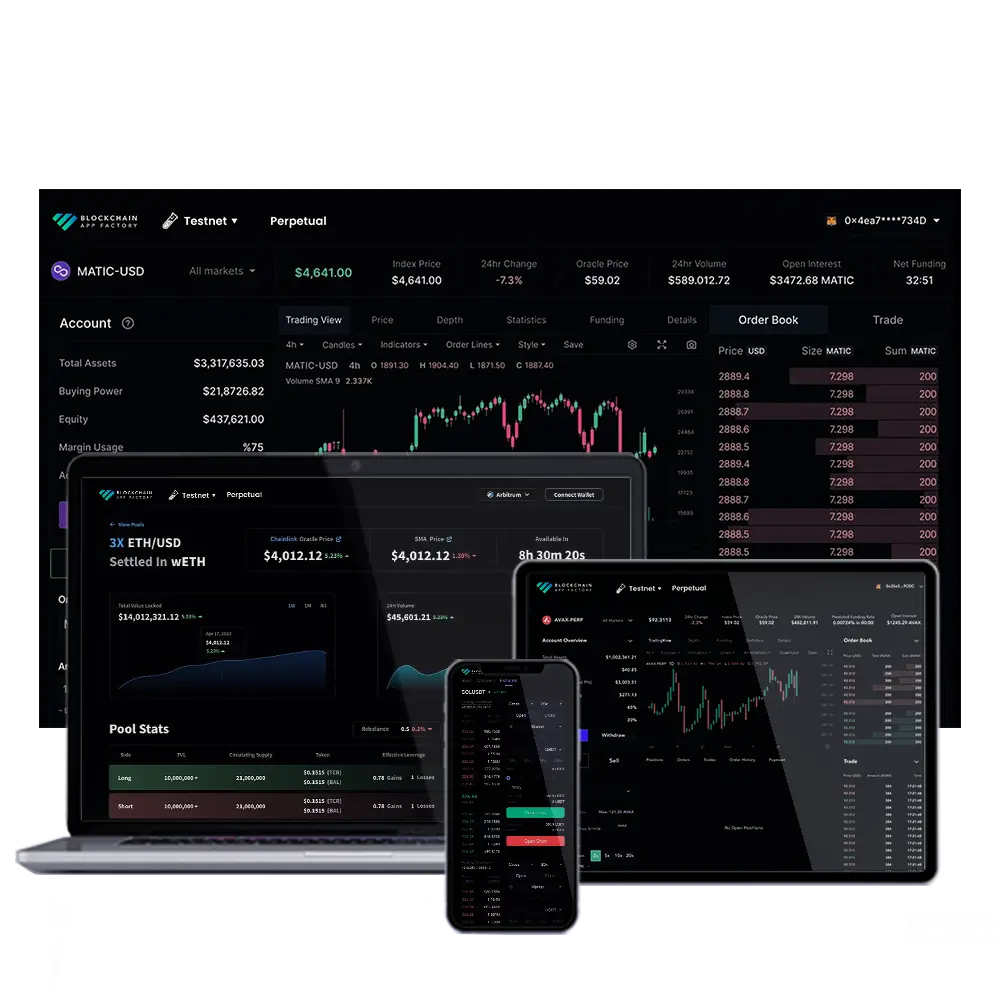
The current environment requires careful analysis. While the infrastructure for perpetual DEX trading is more robust than ever, the contraction in volume indicates that liquidity is becoming more concentrated among leading platforms. Traders must now weigh the benefits of on-chain execution against the potential for higher slippage and reduced depth compared to the peak trading periods of late 2025.
Liquidity and execution quality compared
Trading perpetual futures on a decentralized exchange (DEX) involves a distinct trade-off between on-chain transparency and the deep liquidity pools found in traditional centralized markets. While DEXs offer verifiable order books and non-custodial control, their execution quality often lags behind stock Contract for Difference (CFD) providers and centralized crypto exchanges. Understanding these differences is essential for managing slippage and counterparty risk.
Liquidity Depth and Slippage
The primary disadvantage of perp DEXs is thinner liquidity. According to CoinGecko, the total perpetual DEX volume stands at approximately $21.8 billion. While significant, this volume is fragmented across multiple blockchain networks and protocols, leading to wider bid-ask spreads. In contrast, stock CFD brokers aggregate liquidity from major global exchanges, allowing for tighter spreads and deeper order books for major indices and equities.
Slippage on perp DEXs can be unpredictable during high volatility. Because many DEXs use automated market maker (AMM) models or hybrid architectures, large orders can significantly impact the price before execution completes. Stock CFDs, backed by institutional liquidity providers, typically offer more stable execution prices for standard lot sizes, though they may impose their own spread markups.
Execution Speed and Counterparty Risk
Execution speed on DEXs is constrained by blockchain block times and network congestion. A trade may take seconds to confirm, during which time the market can move. Stock CFDs are executed instantly on centralized servers, providing near-instantaneous order filling. However, this speed comes with centralized counterparty risk; if the broker fails, client funds may be at risk. Perp DEXs mitigate this by keeping funds in smart contracts, though smart contract vulnerabilities remain a distinct, non-zero risk.
| Feature | Perp DEX | Stock CFD | Notes |
|---|---|---|---|
| Liquidity Source | On-chain AMM/Order Book | Centralized LPs / Exchanges | DEX liquidity is fragmented; CFDs are consolidated. |
| Slippage | High during volatility | Low to Moderate | CFDs offer tighter spreads on major assets. |
| Execution Speed | Seconds (block time) | Milliseconds | Blockchain congestion can delay DEX fills. |
| Counterparty Risk | Smart Contract Risk | Broker Insolvency | DEXs are non-custodial; CFDs are custodial. |
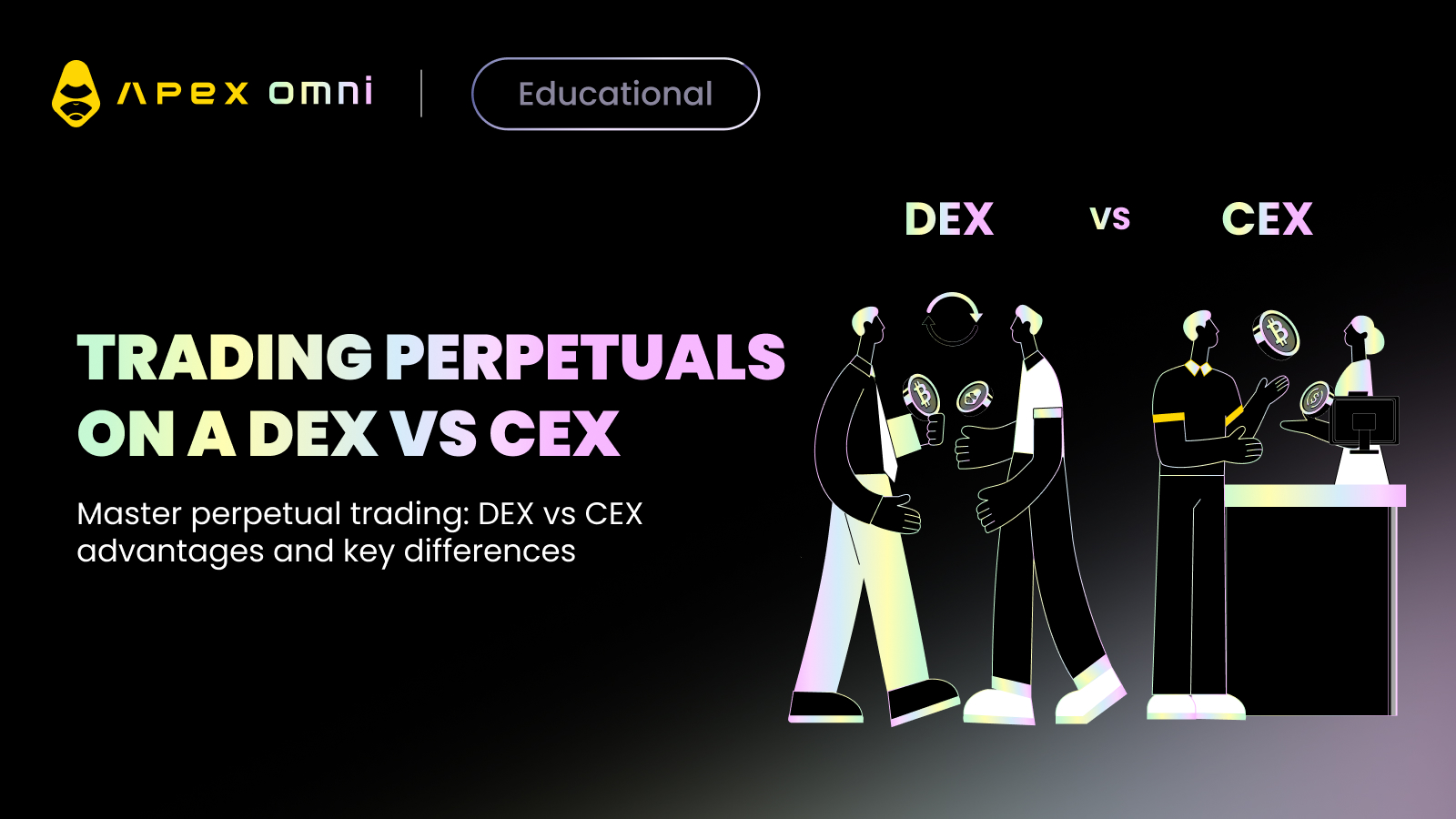
The Transparency Trade-off
The appeal of perp DEXs lies in their transparency. All trades, reserves, and protocol fees are visible on-chain, allowing traders to audit the market's health in real time. This is impossible with stock CFDs, where the broker's internal matching engine is a black box. However, this transparency does not guarantee better prices. In many cases, the "price discovery" on DEXs follows centralized markets rather than leading it, meaning DEX traders often react to price moves initiated elsewhere, sometimes at a disadvantage.
For traders prioritizing capital safety and verifiable mechanics, perp DEXs offer a compelling alternative. For those requiring institutional-grade execution and minimal slippage, traditional CFD providers remain the standard. The choice depends on whether you value transparency over speed and depth.
Leverage limits and capital efficiency
Leverage acts as a double-edged sword in perpetual trading, amplifying both potential gains and the speed at which positions can be wiped out. The structural differences between decentralized exchanges (DEXs) and regulated stock Contract for Difference (CFD) platforms create distinct risk profiles that traders must assess carefully.
Perpetual DEX Leverage
Perpetual DEXs typically offer significantly higher leverage than traditional finance, often ranging from 20x to 100x or more. This capital efficiency allows traders to control large positions with minimal upfront margin. However, this comes with a trade-off: liquidation thresholds are much tighter. Because DEXs rely on on-chain oracles for price feeds, there can be slight delays in price discovery during high volatility. This delay means that a rapid market move can trigger a liquidation event before the oracle updates, potentially leaving traders with a "bad fill" or total loss of margin.
Regulated Stock CFD Limits
In contrast, regulated stock CFD providers are bound by strict capital requirements and leverage caps imposed by financial authorities. For example, in the European Union, leverage on major stock indices is often capped at 5:1, and individual stocks may see limits as low as 2:1. In the United States, the Commodity Futures Trading Commission (CFTC) regulates leveraged products, and while some platforms like Bitnomial have self-certified perpetual-style futures with up to 10x leverage, the broader market remains conservative. These lower limits are designed to protect retail investors from catastrophic losses, but they also reduce the capital efficiency available to sophisticated traders.
Comparing the Risk Profiles
The choice between DEX and CFD leverage is ultimately a choice between speed and safety. DEXs offer the ability to move large notional values with little capital, but they expose traders to smart contract risks and oracle vulnerabilities. Regulated CFDs provide a layer of legal recourse and stable pricing, but at the cost of reduced leverage and higher fees. Traders should assess their risk tolerance and understanding of the underlying technology before selecting a platform.
Regulatory status and US access
The regulatory landscape for perpetual futures is sharply divided between centralized, compliant venues and decentralized, permissionless protocols. For US-based traders, the path to trading perpetuals is narrow and heavily restricted. Globally, decentralized exchanges (DEXs) operate without geographic borders, allowing anyone with a wallet to trade. However, this accessibility comes with the trade-off of smart contract risk and a lack of consumer protections.
In the United States, the Commodity Futures Trading Commission (CFTC) requires derivatives platforms to register as Designated Contract Markets (DCMs). Few have achieved this status. Bitnomial is currently the only platform offering true perpetual futures contracts in the US, operating under a self-certification process with the CFTC. This structure provides a regulated environment, though it limits the available asset pairs and liquidity compared to offshore alternatives.
Other major exchanges have adopted workarounds. Coinbase, for example, offers "perpetual-style" futures that technically include five-year expiration dates to comply with US regulations. These instruments allow leverage of up to 10x, mimicking the experience of true perps while navigating legal gray areas. While convenient, these products lack the infinite hold capability of genuine perpetual contracts and may face regulatory scrutiny as rules evolve.
| Feature | Bitnomial (US) | Coinbase (US) | Global DEXs |
|---|---|---|---|
| Regulatory Status | CFTC Self-Certified | CFTC Registered | Unregulated/Decentralized |
| Leverage | Varies by asset | Up to 10x | Up to 100x+ |
| Expiration | None (True Perps) | 5 Years | None (True Perps) |
| Access | US Only | US Only | Global (Geo-unblocked) |
The choice often boils down to compliance versus capability. US traders on regulated platforms sacrifice leverage and global liquidity for legal safety. International traders on DEXs gain unlimited leverage and access to every crypto pair but must manage their own custody and plan around the risk of protocol exploits. As the CFTC considers rule changes for 2026, this divide may narrow, but for now, the jurisdictional boundary remains a hard constraint for US market participants.
Choosing the right platform for 2026
Selecting a trading venue requires aligning your jurisdiction, risk tolerance, and execution needs. The landscape splits into two distinct categories: decentralized perpetual exchanges (perp DEXs) and traditional stock CFDs. Each carries different regulatory protections, leverage caps, and counterparty risks.
Regulatory status is the first filter. In the United States, Bitnomial is the only platform offering perpetual futures via self-certification with the CFTC. Most offshore perp DEXs operate without explicit regulatory oversight, exposing users to smart contract risk and potential regulatory action. Traditional stock CFDs are heavily regulated in the UK, EU, and Australia, with strict leverage caps.
Perp DEXs often offer high leverage, sometimes exceeding 50x, which amplifies both gains and liquidation risks. Stock CFDs typically cap leverage at 1:30 for retail clients in regulated jurisdictions. Determine if you need the capital efficiency of crypto leverage or the safety of lower, regulated leverage.
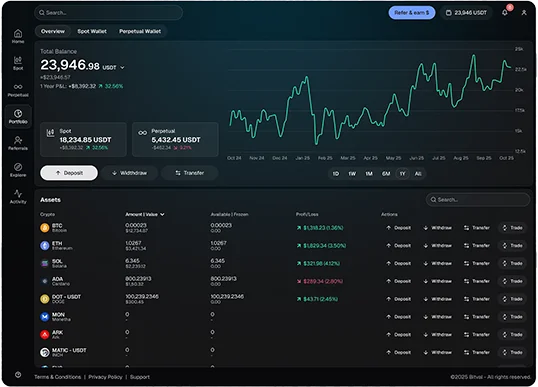
Execution quality varies by market conditions. As noted by VOOI.io, no single perp DEX dominates all metrics; slippage can spike during high volatility. Stock CFDs benefit from deep, institutional liquidity pools, offering tighter spreads on major indices but potentially wider spreads on niche assets.

Perp DEXs rely on smart contracts. Even audited protocols carry residual risk of bugs or exploits. Stock CFDs involve counterparty risk with the broker; ensure your broker is segregated and insured. For perp DEXs, verify that the protocol’s treasury and governance are transparent.
| Feature | Perp DEX | Stock CFD |
|---|---|---|
| Regulation | Mostly unregulated/offshore | Heavily regulated (CFTC, FCA, ASIC) |
| Leverage | Up to 50x+ | 1:30 to 1:10 (retail) |
| Counterparty | Smart contract | Broker/Exchange |
| Asset Access | Crypto only | Stocks, indices, commodities |


As an Amazon Associate, we may earn from qualifying purchases.
Common questions about perpetual trading
Understanding the regulatory and mechanical differences between perpetual DEXs and traditional derivatives is essential for risk management.
Are perpetual futures allowed in the US?
Regulatory clarity remains limited. Bitnomial is currently the only platform offering perpetual futures in the U.S. via self-certification [src-serp-1]. Coinbase also offers "perpetual-style" futures with five-year expiration dates and leverage capped at 10x [src-serp-1]. Most offshore perpetual DEXs do not serve U.S. residents due to CFTC restrictions.
How does a perpetual DEX work?
A perpetual DEX allows traders to buy and sell perpetual futures contracts directly on-chain [src-serp-1]. Unlike traditional futures, these contracts have no expiration date. They use funding rates to keep the contract price aligned with the underlying spot price, ensuring the derivative tracks the asset's value without needing a settlement event [src-serp-1].
How long can I hold perpetual futures?
Because perpetual futures do not have an expiration date, positions can theoretically be held indefinitely [src-serp-1]. However, holding a position long-term requires paying or receiving funding fees every interval. These fees can erode profits or increase costs, making them unsuitable for passive long-term investment without active management [src-serp-1].
No comments yet. Be the first to share your thoughts!