
Set up your trading wallet
To trade perpetual stocks on decentralized exchanges, you need a self-custody wallet that supports the specific blockchain network where the DEX operates. This process is not just about downloading an app; it is about establishing a secure bridge between your private keys and the trading interface. Most DEXs for tokenized equities operate on Ethereum, Polygon, or Layer 2 solutions like Arbitrum or Base. Before you begin, ensure your device is free of malware and that you are using a reputable wallet provider such as MetaMask, Rabby, or a hardware wallet like Ledger.
Step 1: Install and Secure Your Wallet
Download the wallet extension or mobile app from the official website or app store. During setup, the wallet will generate a 12 or 24-word seed phrase. Write this down on paper and store it in a secure, offline location. Never digitize this phrase, share it with anyone, or enter it into a website. This phrase is the only recovery method for your funds; if you lose it, your assets are gone permanently. Once the wallet is created, set a strong password to encrypt the local data.
Install the wallet software from official sources. Write down your seed phrase on paper and store it offline. Never share this phrase or enter it into a website. Set a strong password to encrypt your local data.
Step 2: Fund Your Wallet with Gas Tokens
Decentralized exchanges do not accept fiat currency directly. You must hold the native gas token of the blockchain network to pay for transaction fees (gas). For example, if you are trading on an Ethereum-based DEX, you need ETH. If the DEX operates on Polygon, you need MATIC. If it is on Arbitrum, you need ETH on the Arbitrum network. You can acquire these tokens by buying them on a centralized exchange (like Coinbase or Binance) and withdrawing them to your wallet address. Ensure you select the correct network during the withdrawal to avoid losing funds.
DEXs require native gas tokens for transaction fees. Buy ETH, MATIC, or other native tokens on a centralized exchange and withdraw them to your wallet address. Always double-check the network selection to prevent fund loss.
Step 3: Connect to the DEX Interface
Navigate to the official URL of the decentralized exchange. Click the "Connect Wallet" button, usually located in the top right corner. Select your wallet provider from the list. A popup from your wallet will appear, asking you to sign a message to verify ownership of the address. This signature does not cost gas and does not give the DEX access to your funds. Once signed, your wallet address will appear in the interface, indicating a successful connection. Always verify the URL to avoid phishing sites.
Go to the official DEX website and click "Connect Wallet." Select your provider and sign the verification message in your wallet popup. This proves ownership without granting fund access. Verify the URL to avoid phishing.
Step 4: Verify Network and Token Balances
Before placing a trade, confirm that your wallet is connected to the correct network. If you are trading perpetual stocks on an Ethereum-based DEX, your wallet must be on the Ethereum mainnet or a supported Layer 2. Check your token balances to ensure you have enough gas to cover the initial margin deposit and transaction fees. If your balance is zero, the transaction will fail. Some DEXs allow you to swap gas tokens directly within their interface, but having pre-funded assets is faster and often cheaper.
Confirm your wallet is on the correct blockchain network. Check your balances to ensure you have enough gas for fees and margin. Pre-funding assets is faster than swapping within the DEX.
Step 5: Test with a Small Transaction
Perpetual stock trading involves complex smart contract interactions. Before committing significant capital, perform a small test transaction. Deposit a minimal amount of collateral (e.g., $10-20 worth of USDC or ETH) and open a small position. This step verifies that your wallet is correctly configured, that the DEX is responsive, and that you understand the interface. It also helps you identify any unexpected gas costs or network delays. Once you are comfortable with the process, you can scale up your positions.

Perform a small test transaction to verify your wallet configuration and the DEX interface. Deposit a minimal amount of collateral and open a small position to identify any unexpected costs or delays before scaling up.
Regularly review your wallet security. Use hardware wallets for large holdings. Enable two-factor authentication on all linked accounts. Be cautious of phishing emails and fake support channels.
Choose a Compliant Perpetual DEX
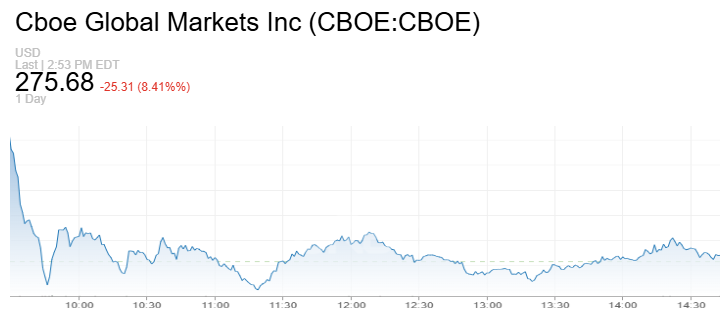
The regulatory landscape for decentralized finance shifted significantly in 2026. Following the CFTC’s approval of perpetual futures for bitcoin, traditional exchange stocks reacted to the prospect of increased competition from decentralized platforms (CNBC, 2026). This approval signals a broader acceptance of perpetual derivatives, but it also raises the stakes for compliance. When selecting a platform for tokenized equity derivatives, you must prioritize jurisdictions that have established clear regulatory frameworks.
Unlike centralized exchanges (CEXs), which often operate in regulatory gray areas or face sudden bans, compliant perpetual DEXs are increasingly integrating with regulated custodians and offering transparent proof of reserves. The difference is stark: CEXs may offer higher liquidity for major pairs but carry counterparty risk, while compliant DEXs offer self-custody and regulatory clarity at the cost of potentially lower liquidity on niche equity tokens.
Use the comparison below to evaluate the leading options based on fees, supported equity tokens, and regulatory jurisdiction. This data reflects the current market structure as of mid-2026.
| Platform | Maker/Taker Fees | Equity Tokens | Jurisdiction |
|---|---|---|---|
| dYdX v4 | 0.02% / 0.05% | None (Crypto-only) | Cayman Islands |
| Hyperliquid | 0.01% / 0.04% | None (Crypto-only) | Decentralized |
| Vertex Protocol | 0.00% / 0.02% | AAPL, TSLA (Tokenized) | US (Compliant) |
| Polymarket | 0% / 0% | Event-based | US (Compliant) |
Deposit collateral and open a position
Opening a perpetual stock position requires posting collateral in a decentralized finance (DeFi) protocol. Unlike centralized exchanges, you do not transfer funds to a company account; instead, you interact directly with a smart contract. Most protocols accept stablecoins like USDC or ETH as collateral, though terms vary by platform. This section walks through the mechanics of posting that collateral and executing your first trade.
1. Connect your wallet and select a protocol
Begin by connecting your Web3 wallet to a reputable perpetual stock platform. Verify you are on the official site to avoid phishing scams. Once connected, navigate to the trading interface and select the specific equity token you wish to trade, such as a tokenized share of Apple or Tesla.
2. Deposit your collateral
Transfer the required amount of collateral into the protocol’s smart contract. Most platforms require over-collateralization, meaning you must deposit more value than the position size to buffer against volatility. For example, to open a $1,000 position with 10x leverage, you might need to deposit $100 in USDC or ETH. Ensure your wallet has enough native gas tokens (like ETH on Ethereum or MATIC on Polygon) to cover transaction fees.
3. Choose leverage and direction
Select whether you want to go long (betting the price rises) or short (betting the price falls). Then, choose your leverage multiplier. Higher leverage increases potential profits but also amplifies losses. Be cautious: a small adverse price movement can trigger liquidation, wiping out your collateral. Start with low leverage (2x–5x) to understand the mechanics.
4. Execute the trade
Confirm the trade details, including the entry price, leverage, and collateral amount. Submit the transaction to the blockchain. Once confirmed, your position is live. You can now monitor your open position, adjust stop-losses, or close the trade when you are ready to take profits or cut losses.
Connect your Web3 wallet to a verified DeFi perpetual stock platform. Navigate to the trading dashboard and select the equity token you wish to trade, such as a tokenized share of a major U.S. company.
Transfer stablecoins (like USDC) or ETH into the protocol’s smart contract. Most platforms require over-collateralization, so deposit more value than the intended position size to absorb volatility. Ensure you have enough native gas tokens for transaction fees.
Choose long or short and select your leverage multiplier. Higher leverage increases both profit potential and liquidation risk. Start with low leverage (2x–5x) to understand how margin calls work before risking larger amounts.
Review all trade parameters and submit the transaction. Once confirmed on-chain, your position is active. Use the dashboard to track your entry price, liquidation threshold, and unrealized PnL, adjusting or closing as needed.
Manage liquidation risk carefully
Perpetual contracts allow you to trade with leverage, amplifying both potential gains and losses. Unlike traditional futures, these contracts never expire, meaning your position remains open until you close it or are liquidated. This structure creates a unique risk profile where market volatility can trigger automatic exit mechanisms far more aggressively than in spot trading.
Understanding your liquidation price is the first line of defense. This is the specific price point at which your collateral is no longer sufficient to maintain your position, and the exchange automatically sells it. The higher your leverage, the closer this price sits to your entry point. A small adverse move can wipe out your entire margin, leaving you with nothing.
Funding rates add another layer of complexity. These periodic payments are exchanged between long and short traders to keep the perpetual contract price tethered to the underlying asset's spot price. If you hold a position against the market sentiment, you may be forced to pay funding fees, which can erode your capital over time, especially during high-volatility periods.
To manage these risks, always set stop-loss orders and monitor your margin ratio. Avoid using maximum leverage, as it leaves no room for error. Treat perpetual stocks as a high-stakes tool that requires active management, not a set-and-forget investment.
Close your position and withdraw funds
Securing your profits requires two distinct actions: closing the derivative exposure and moving the underlying collateral out of the exchange interface. Ignoring this sequence leaves you exposed to liquidation risks or withdrawal delays.
Navigate to your open positions tab and select the close or market exit option. Confirm the final realized PnL (profit and loss) before submitting. This action settles the derivative contract and returns your collateral to your exchange wallet balance. Tiger Research notes that fully collateralized spot and perpetual markets operate on distinct settlement cycles, so ensure you are exiting the futures leg specifically.
Check your account balance to confirm the withdrawn funds are now available as withdrawable assets. Ensure no pending fees or margin requirements are holding back the full amount. If you used cross-margin, ensure the position closure has fully released the locked margin.
Initiate a withdrawal to your personal cold storage or hardware wallet. Use the exact network protocol supported by both the exchange and your destination wallet to avoid loss of funds. For larger sums, this step is critical for self-custody. Avoid leaving significant capital on the exchange after the trade is closed.
Checklist
-
Position closed and PnL confirmed
-
Collateral released to available balance
-
Withdrawal address verified on blockchain explorer
-
Funds received in secure wallet
Common questions about perp DEX trading
Traders often worry about the regulatory environment and asset selection when moving to decentralized exchanges. The landscape is shifting rapidly, particularly after recent approvals that have impacted traditional finance markets.
Is perpetual stock trading regulated?
Regulatory clarity is improving but remains fragmented. In June 2026, the CFTC approved perpetual futures for bitcoin, a move that sparked a reaction in traditional exchange stocks as investors weighed increased competition [src-serp-1]. This approval signals a potential revolution, yet decentralized stock trading operates in a gray area that requires careful navigation.
What assets are available on perp DEXs?
Most perp DEXs focus on crypto assets like Bitcoin and Ethereum due to liquidity and regulatory ease. Traditional "stocks" are rarely available as direct tokens. Instead, traders often use synthetic representations or wrap traditional assets, though these carry higher smart contract risk. Always verify the underlying collateral mechanism before trading.
How do I ensure security on a DEX?
Security relies on your interaction with smart contracts. Since there is no central custodian, you are responsible for your private keys and contract approvals. Use hardware wallets, limit token allowances, and stick to audited protocols. The lack of intermediaries means there is no customer support to recover lost funds if you make a mistake.
No comments yet. Be the first to share your thoughts!