
Perpetual DEXs in 2026
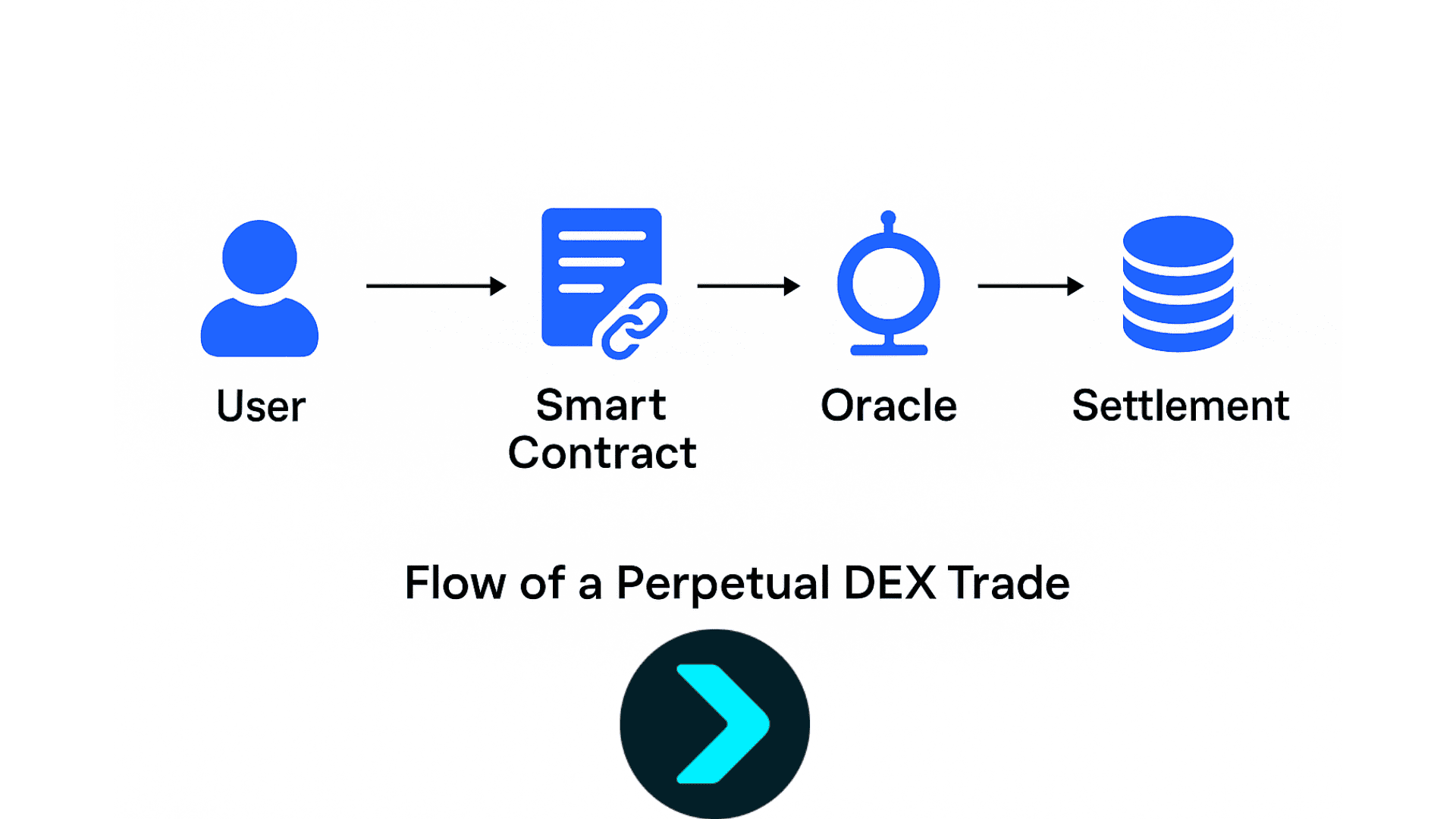
Perpetual decentralized exchanges (perp DEXs) have moved from experimental protocols to the center of crypto derivatives. In 2026, these platforms allow traders to execute leveraged futures contracts directly through smart contracts, bypassing the order books of centralized exchanges (CEXs). Unlike spot DEXs that simply swap tokens, perp DEXs use oracle feeds and off-chain matching engines to price assets and match orders, settling trades on-chain only when positions are closed or margin is adjusted.
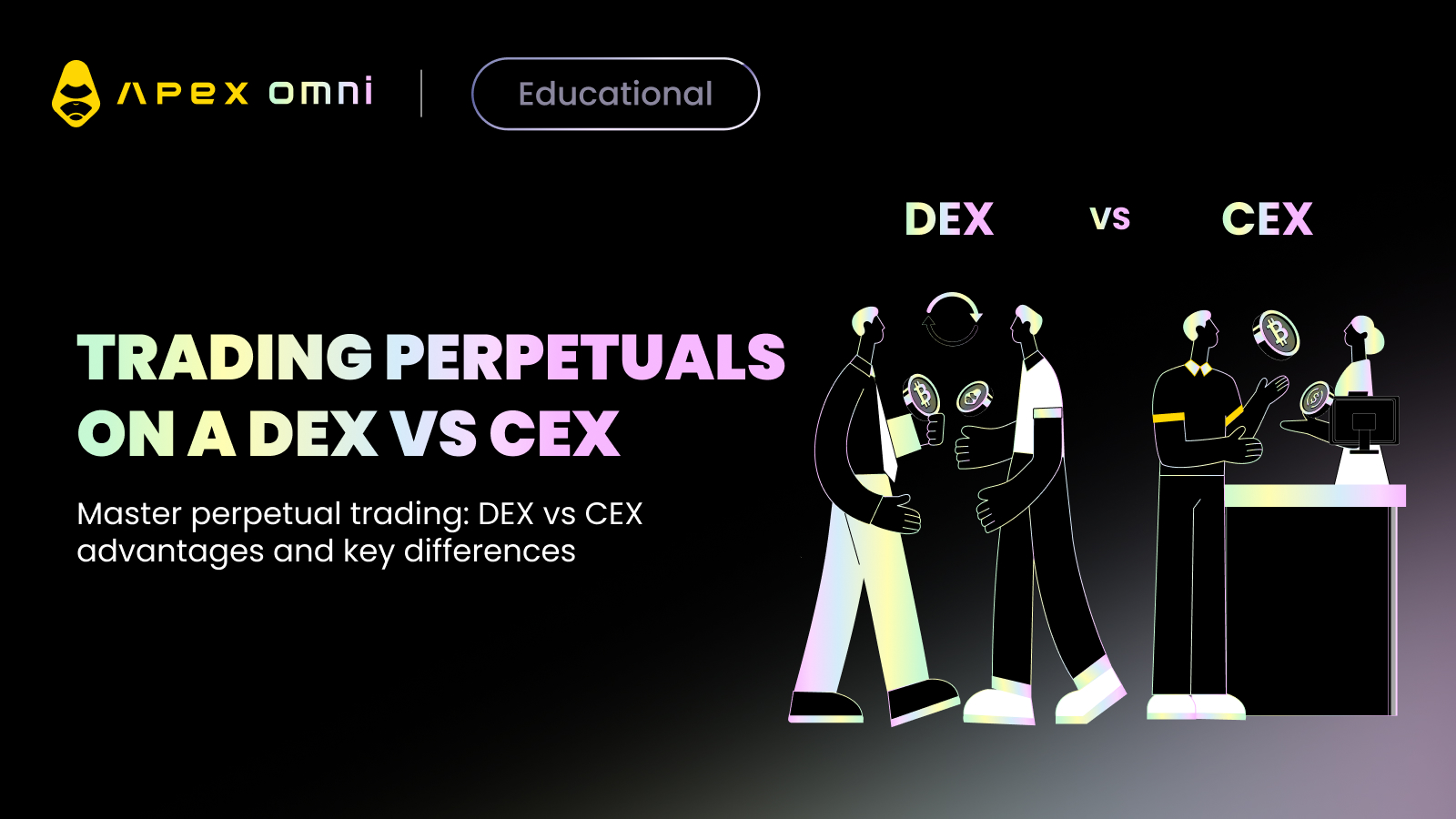
This architecture offers a distinct advantage: self-custody. Traders retain control of their funds in their wallets rather than depositing them into a centralized entity. This reduces counterparty risk, as there is no single company holding user collateral that could be seized or hacked. However, this benefit comes with trade-offs. The user experience can be more complex, requiring a deeper understanding of wallet connections, gas fees, and slippage.
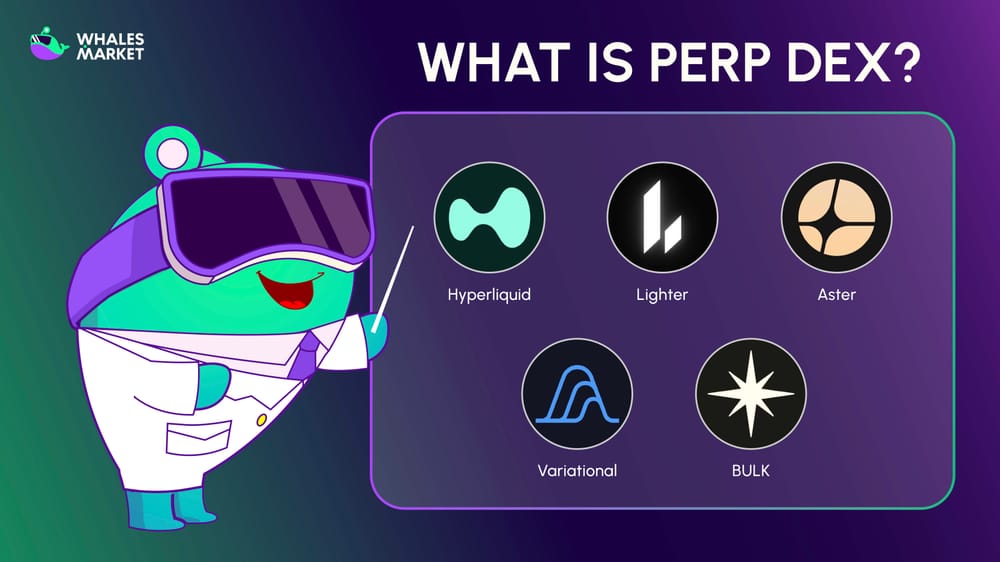
The market is currently dominated by platforms like Hyperliquid and Aster, which have achieved significant volume by prioritizing speed and capital efficiency. While CEXs still handle the majority of retail volume, the gap is narrowing as on-chain infrastructure improves. The shift toward on-chain equity derivatives and decentralized stock leverage is gaining traction, driven by users who prioritize transparency and global access without KYC requirements.
To understand the current market dynamics, it helps to look at the performance of leading perp DEX tokens. The chart below shows the price action of Hyperliquid (HYPE), reflecting the market's confidence in the platform's growth.
Top Perpetual DEXs by Open Interest
Liquidity is the lifeblood of perpetual futures. Where the open interest (OI) concentrates determines slippage, execution speed, and the ability to enter or exit large positions without moving the market. As of early 2026, the perpetual DEX landscape is dominated by a tight trio: Hyperliquid, Aster, and Lighter. Together, these platforms account for the vast majority of on-chain derivatives volume, leaving smaller competitors fighting for residual liquidity.
Hyperliquid remains the undisputed leader in total open interest. Its proprietary L1 chain allows for sub-second finality and high throughput, attracting both retail traders and sophisticated market makers. This depth creates a virtuous cycle: more liquidity attracts more traders, which in turn deepens the order book. For traders prioritizing stability and minimal slippage, Hyperliquid’s ecosystem offers the most robust infrastructure, though this comes with a more centralized validator set compared to pure L2 solutions.
Aster has emerged as the primary challenger, leveraging Ethereum L2 infrastructure to offer competitive fees and broader asset access. While its total OI trails Hyperliquid, Aster’s growth rate has been aggressive, particularly in altcoin perpetuals where demand for leverage is high. It appeals to users who prioritize Ethereum security and composability over raw throughput. Lighter, by contrast, focuses on a curated selection of major pairs with a unique architecture that aims to balance decentralization with performance, capturing a niche of traders who find Hyperliquid too centralized but L2s too slow.
The following comparison highlights the structural differences between these three leaders. Understanding these distinctions is critical for selecting the right venue based on your trading style, whether you prioritize speed, cost, or asset variety.
| Platform | Chain / L2 | Primary Focus | Fee Model |
|---|---|---|---|
| Hyperliquid | Hyperliquid L1 | High-frequency, major pairs | Maker rebates, tiered taker fees |
| Aster | Ethereum L2 (Base/Arbitrum) | Altcoin leverage, accessibility | Competitive taker fees, zero maker fees |
| Lighter | Polygon CDK | Curated majors, compliance | Volume-based tiers, institutional-friendly |
When choosing a platform, consider the trade-off between decentralization and performance. Hyperliquid offers the best execution for high-volume traders but relies on a permissioned validator set. Aster and Lighter offer more decentralized settlement but may experience higher latency during peak congestion. For most traders, the decision comes down to which asset class you are trading and how sensitive you are to slippage.
The market is dynamic, and liquidity can shift rapidly based on incentive programs or new product launches. Always verify current open interest and fee tiers directly on the platform’s dashboard before executing large trades, as these metrics can change daily.
Hyperliquid vs Aster: Liquidity Leaders
The perpetual DEX landscape in 2026 is defined by a duel between two distinct philosophies. Hyperliquid has built a fortress of established liquidity, while Aster is scaling rapidly with a focus on technical architecture and user acquisition. Understanding their differences is essential for traders navigating the on-chain futures race.
Hyperliquid operates as a high-performance L1 optimized for trading. Its proprietary chain allows for sub-second finality and minimal slippage, creating a deep order book that attracts institutional and retail volume alike. This infrastructure-first approach has made it the default destination for serious derivatives traders seeking reliability and depth.
Aster, by contrast, prioritizes rapid growth and accessibility. It leverages a modular architecture to deploy quickly across multiple chains, capturing market share through aggressive incentives and a streamlined user experience. While its liquidity is younger, its technical flexibility allows it to adapt to market demands faster than monolithic competitors.

The choice between them often comes down to trader priority. Those seeking the deepest liquidity and lowest slippage typically gravitate toward Hyperliquid’s established ecosystem. Meanwhile, traders looking for new opportunities, lower fees, or exposure to emerging chains may find Aster’s rapid expansion more appealing.
New Challengers in On-Chain Derivatives
While Hyperliquid and Aster dominate the headlines, a wave of specialized perpetual DEXs is carving out distinct niches in the 2026 on-chain futures market. These platforms prioritize specific technical advantages—ranging from ultra-low latency execution to novel asset classes—offering traders alternatives to the high-volume incumbents.
Lighter Finance: Speed Without Compromise
Lighter Finance focuses on delivering institutional-grade performance through its custom L1 blockchain. By optimizing the execution layer specifically for derivatives, it aims to eliminate the latency issues that often plague Ethereum-based DEXs. The platform appeals to traders who require fast order matching without sacrificing the security benefits of on-chain settlement.
edgeX: Multi-Chain Accessibility
EdgeX takes a different approach by prioritizing multi-chain interoperability. Rather than building a single isolated chain, it deploys across multiple networks, allowing traders to access perpetual futures from their preferred blockchain environment. This strategy lowers the barrier to entry for users who may already hold assets on chains like Arbitrum or Optimism, reducing the friction of bridging funds.
Paradex: Institutional-Grade Infrastructure
Paradex targets professional traders and market makers with a focus on deep liquidity and robust risk management tools. Its architecture supports high-frequency trading strategies and complex order types that are often restricted on retail-focused platforms. By providing a more sophisticated trading environment, Paradex positions itself as a serious contender for capital that requires precision and reliability.
Risks and security in perpetual dex platforms
Trading perpetual futures on-chain offers direct custody and transparency, but it shifts security responsibility entirely to the user. Unlike centralized exchanges where a support team might reverse a fraudulent transaction, on-chain errors are irreversible. You are the bank, and you are also the security team.
The most significant technical risk lies in the smart contract layer. These protocols manage complex logic for leverage, funding rates, and liquidations. If a vulnerability exists in the code, attackers can drain the liquidity pool, wiping out traders' collateral. While major platforms like Hyperliquid and Aster undergo rigorous audits, no code is immune to exploits. You must assume that any untested or newly launched protocol carries a non-zero probability of catastrophic failure.
Oracle failures present another critical threat. Perp DEXs rely on price oracles to determine the current market value of assets for liquidation purposes. If an oracle is manipulated or lags behind the actual market price, it can trigger premature liquidations or allow arbitrageurs to drain the protocol. This risk is heightened during periods of extreme volatility or low liquidity on the underlying spot markets.
Self-custody is both the primary benefit and the primary burden. When you connect your wallet, you retain control of your private keys, meaning no third party can freeze your funds. However, this also means if you lose your seed phrase, your funds are gone forever. Additionally, you are responsible for securing your wallet against phishing attacks and malicious contract approvals. Always review transaction permissions carefully before signing any on-chain action.
Choosing the Right Perp DEX
There is no single venue that consistently qualifies as the best perpetual DEX across all market conditions. Pricing, liquidity, and funding rates shift based on where volume concentrates. Selecting the right platform requires matching your specific trading style to the infrastructure available.
High-frequency strategies demand the lowest possible execution delay. Platforms like Hyperliquid use off-chain order matching with on-chain settlement to achieve sub-second finality. If you scalp or trade volatile breakouts, this speed prevents slippage that erodes profits. A TechnicalChart can help you visualize how quickly price action reacts on different venues.
Fee models vary significantly between perpetual DEXs. Some platforms offer maker rebates to encourage liquidity provision, while others charge flat fees per trade. For frequent traders, even a 0.01% difference compounds over time. Review the fee schedule on the official site to understand how taker and maker fees apply to your volume tier.
Not all DEXs support the same range of perpetual contracts. Some focus on major pairs like BTC and ETH, while others list niche altcoins with higher volatility. Liquidity depth determines how much capital you can deploy without moving the market. Use a ComparisonTable to weigh the available markets against your trading interests.
| Feature | Hyperliquid | Aster |
|---|---|---|
| Latency | Sub-second | Standard |
| Asset Variety | High | Growing |
| Fee Model | Maker/Taker | Maker/Taker |
On-chain derivatives carry smart contract risk. Before depositing funds, confirm that the protocol has undergone independent security audits. Look for transparent disclosure of any past incidents or bug bounties. This due diligence is essential for protecting your capital in a high-stakes environment.
A Checklist for evaluating perp DEXs can streamline this process. Verify audit status, confirm supported chains, and test interface latency with a small position before scaling up.
Frequently asked: what to check next
Technical analysis for Ethereum futures often tracks these on-chain volumes closely.
No comments yet. Be the first to share your thoughts!