
What perpetual DEXs are in 2026
Perpetual DEXs are decentralized exchanges built for trading perpetual futures—leveraged positions on crypto prices that have no expiry date. Unlike traditional futures contracts that settle on a specific date, these instruments allow traders to hold positions indefinitely, provided they maintain sufficient collateral.
The defining feature of a perpetual DEX is custody. On centralized exchanges, you deposit funds into a corporate account, trusting the entity to manage your assets. On a perpetual DEX, you trade directly from your own wallet using smart contracts. You never give up custody of your funds, which significantly reduces counterparty risk.
Settlement mechanics also differ. Traditional markets rely on a clearinghouse to guarantee trades. Perpetual DEXs use on-chain mechanisms, such as funding rates, to keep the contract price aligned with the underlying asset price. This automation removes the need for a central intermediary to manage margin or enforce liquidations.
On-chain vs. centralized leverage structure
The architecture of on-chain perpetuals differs fundamentally from centralized exchange models. Centralized exchanges act as intermediaries, holding user funds in custodial wallets and matching orders against an internal ledger. This creates a single point of failure where the exchange itself becomes the counterparty, introducing significant counterparty risk if the entity becomes insolvent or faces regulatory seizure.
In contrast, perpetual DEXs operate through smart contracts on public blockchains. Users retain custody of their assets in their own wallets, interacting directly with the protocol via a bridge or vault contract. This structure removes the need to trust a central entity with private keys, shifting the security model from corporate solvency to code security and oracle reliability.
Transparency is another critical distinction. On-chain activity is publicly verifiable in real-time. Every deposit, position, and liquidation is recorded on the blockchain, allowing users to audit the protocol's solvency and liquidity depth independently. Centralized exchanges, however, often keep order books and reserve balances opaque, relying on periodic proof-of-reserves audits that may not reflect real-time risk.
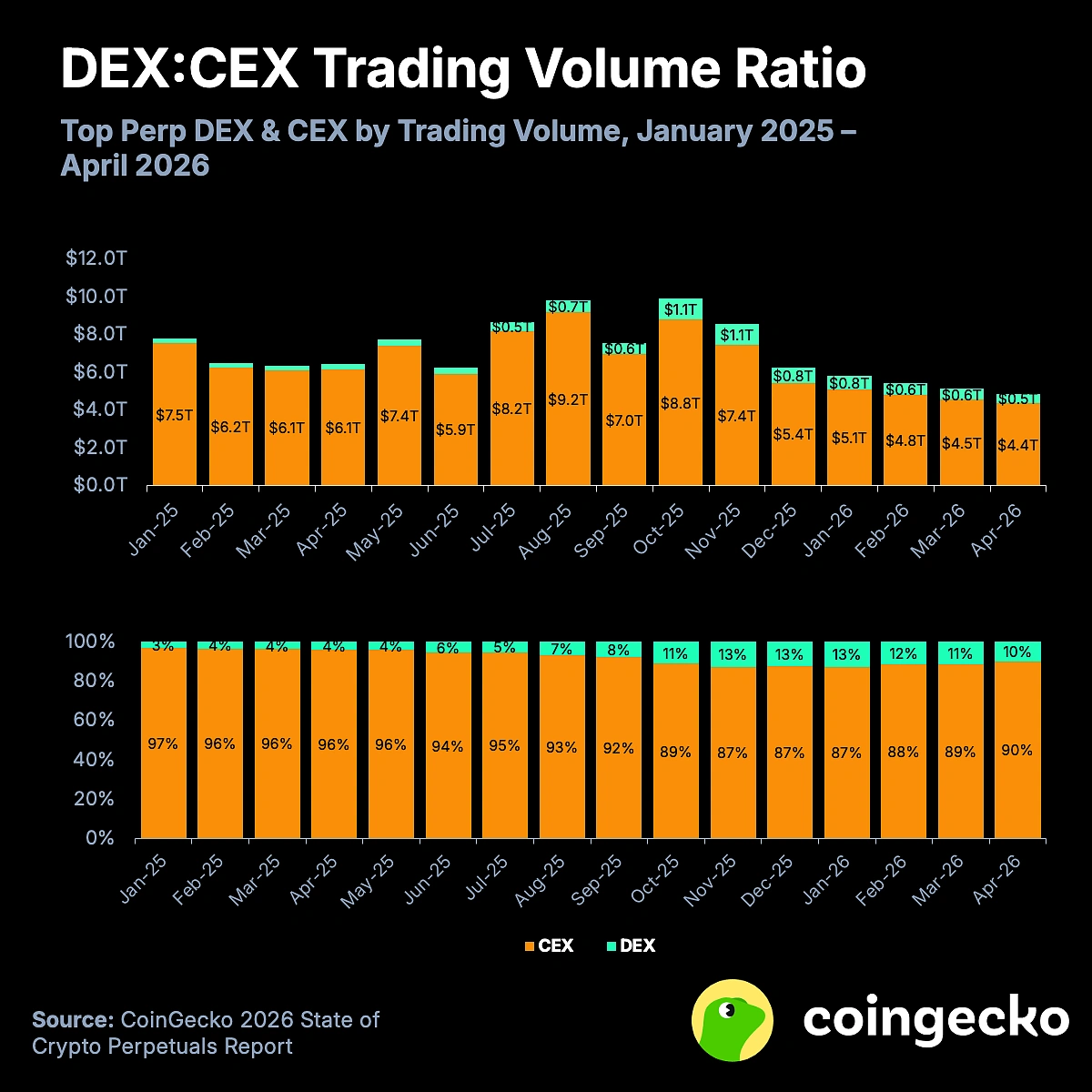
Key structural differences
The table below outlines the primary technical and operational differences between on-chain perpetuals and centralized exchange models.
| Feature | On-Chain Perpetuals | Centralized Exchange |
|---|---|---|
| Asset Custody | User retains custody in wallet | |
| Asset Custody | Exchange holds funds in custodial wallets | |
| Order Book | On-chain or off-chain oracle-based | |
| Order Book | Internal proprietary ledger | |
| Transparency | Fully public and auditable | |
| Transparency | Opaque; relies on periodic audits | |
| Counterparty Risk | Smart contract risk (code bugs) | |
| Counterparty Risk | Exchange insolvency or fraud | |
| Settlement | Automated via smart contracts | |
| Settlement | Manual or internal ledger adjustment |
Why custody matters
In traditional finance and centralized crypto markets, the exchange is the bank. If the bank fails, depositors often lose access to their funds unless insured by a government agency like the FDIC. In the crypto space, such insurance is rare for leveraged products. The collapse of major centralized exchanges like FTX demonstrated the dangers of commingling user funds.
On-chain perpetuals mitigate this by design. Since users never transfer full ownership of their assets to the protocol, the risk is limited to the specific funds locked in the trading vault. This does not eliminate risk—smart contract vulnerabilities and oracle manipulation remain real threats—but it removes the existential risk of corporate mismanagement or theft by insiders.
Leading perpetual DEX platforms in 2026
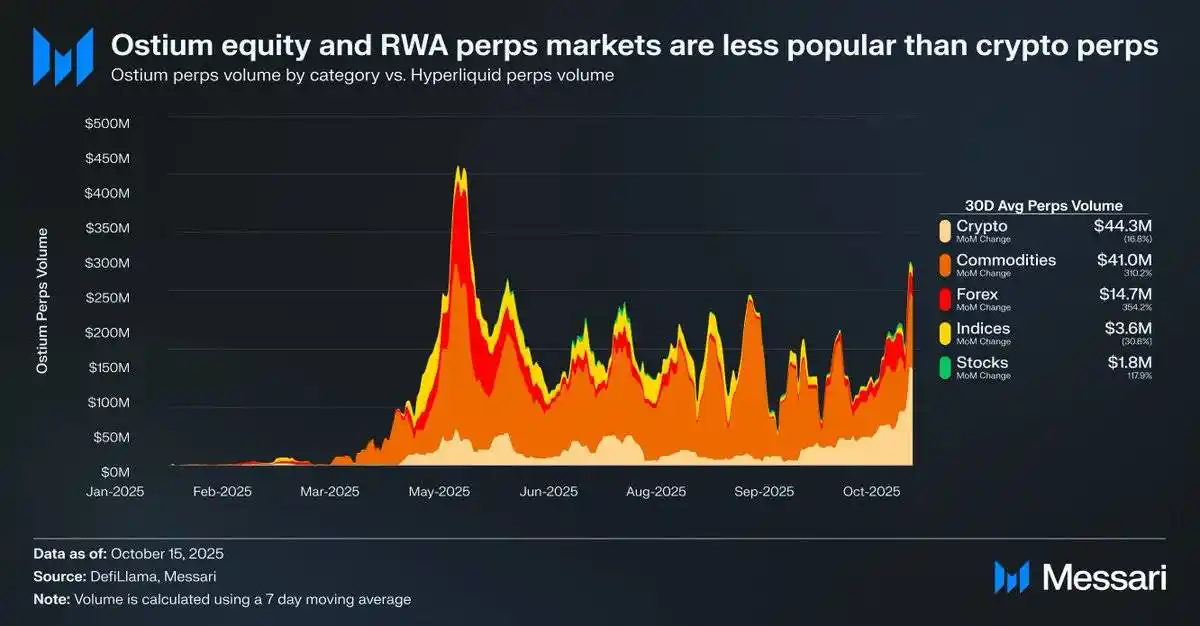
The perpetual DEX landscape has consolidated around a handful of platforms that dominate open interest and volume. In 2026, market leaders like Hyperliquid, dYdX, GMX, and Aster distinguish themselves through distinct trade-offs between speed, capital efficiency, and decentralization. While total perpetual DEX volume fluctuates, these platforms account for the majority of on-chain leverage activity.
Hyperliquid
Hyperliquid operates as a high-performance L1 optimized for derivatives, prioritizing speed over broad asset diversity. Its on-chain order book architecture allows for sub-second execution, making it the preferred choice for active traders who require institutional-grade latency. The platform has consistently ranked at the top of open interest metrics, capturing significant volume from traders migrating away from centralized exchanges.
dYdX
dYdX remains a foundational player in the space, having pioneered the hybrid model of on-chain settlement with off-chain order matching. Its recent migration to Cosmos-based architecture improved transaction throughput and reduced costs. dYdX appeals to traders seeking a familiar, centralized-exchange-like interface while maintaining non-custodial control of their assets. Its deep liquidity pools continue to attract high-volume participants.
GMX
GMX focuses on capital efficiency and low fees through its unique multi-asset pool model. Instead of relying on a traditional order book, GMX uses a liquidity pool structure where traders take positions against the pool itself. This model eliminates slippage for large orders and allows liquidity providers to earn yield from trading fees. GMX is particularly popular for traders who prefer straightforward, low-cost leverage without complex funding rate mechanics.
Aster
Aster represents the newer generation of perpetual DEXs, emphasizing technical sovereignty and advanced trading tools. It has gained traction by offering sophisticated order types and high leverage options directly on-chain. Aster’s rapid growth in 2026 highlights the demand for platforms that bridge the gap between basic DEX functionality and the advanced features expected by professional traders.
| Platform | Architecture | Key Strength |
|---|---|---|
| Hyperliquid | L1 Order Book | Speed & Latency |
| dYdX | Cosmos Chain | Liquidity & UX |
| GMX | Multi-Asset Pool | Capital Efficiency |
| Aster | Advanced L1 | Trading Features |

As an Amazon Associate, we may earn from qualifying purchases.
Regulation and institutional adoption trends
The regulatory environment for perpetual DEXs in 2026 has shifted from broad prohibition to targeted compliance frameworks. The focus is no longer just on how these platforms function, but on how they integrate with traditional financial oversight. Institutional participants are increasingly viewing these platforms not as wild west experiments, but as viable alternatives to traditional markets, provided the regulatory risks are managed.
Compliance pressures are driving a wave of consolidation among perpetual DEXs. Platforms that can integrate real-world identity (KYC) checks without sacrificing the core benefits of non-custodial trading are gaining traction with institutional capital. This trend is evident in the features highlighted by recent comparisons of top perp DEXs, where security and regulatory adherence are now listed alongside fees and leverage options [[src-serp-5]].
Institutional adoption is also being shaped by the need for transparent audit trails. Unlike traditional derivatives, on-chain leverage offers immutable records of positions and funding rates. This transparency appeals to institutional auditors and risk managers who require clear visibility into exposure. However, the lack of standardized reporting across different chains remains a barrier. Institutions are waiting for clearer guidelines on how to classify and report these positions, similar to how they handle traditional futures and options.
The path forward likely involves hybrid models. These models would allow institutions to use regulated custodial layers for fiat on-ramps while executing trades on decentralized exchanges. This approach balances the need for regulatory compliance with the efficiency and cost benefits of on-chain leverage. As more jurisdictions clarify their stance on DeFi derivatives, we can expect to see a significant increase in institutional participation in the perpetual DEX space.
Choosing the right perpetual DEX for your needs
Selecting a perpetual DEX requires balancing three competing forces: security, fees, and liquidity. Unlike traditional markets where clearinghouses guarantee trades, on-chain leverage shifts custody risks to smart contracts. A platform with the lowest fees is useless if its liquidity pool cannot absorb your position size without catastrophic slippage.
Assess security and custody
Your primary concern is the integrity of the smart contract. Perpetual DEXs allow you to trade without giving up custody of your funds, but the protocol itself holds the collateral in escrow. Look for platforms that have undergone multiple independent security audits from reputable firms. Check if the code is verified on explorers like Etherscan or Solscan. A lack of transparency in the contract code is an immediate red flag, regardless of marketing promises.
Compare fees and funding rates
Trading costs extend beyond the maker-taker fee. Funding rates can erode profits in trending markets, especially if you hold a position against the grain. Some platforms subsidize fees to attract liquidity, while others charge a premium for deep order books. Calculate the total cost of carry for a 24-hour hold, including trading fees and average funding rates, to determine the true expense of your strategy.
Verify liquidity depth
Liquidity determines how easily you can enter and exit positions. Thin liquidity leads to slippage, where your executed price differs significantly from the quoted price. Check the open interest and the depth of the order book or liquidity pool for the assets you trade. High volume on a single pair does not guarantee liquidity across the entire platform. Ensure the DEX has sufficient depth to handle your position size without moving the market price.
Due diligence checklist
Before depositing funds, run through this checklist to mitigate risk:
-
Audit History: Verify recent, comprehensive audits from known security firms.
-
Code Verification: Confirm the smart contract source code is publicly verified.
-
Fee Structure: Calculate total costs including trading fees and funding rates.
-
Liquidity Depth: Test order book depth for your specific trading pairs.
-
Custody Model: Understand how collateral is held and managed by the protocol.
No comments yet. Be the first to share your thoughts!