
What a perpetual DEX actually is
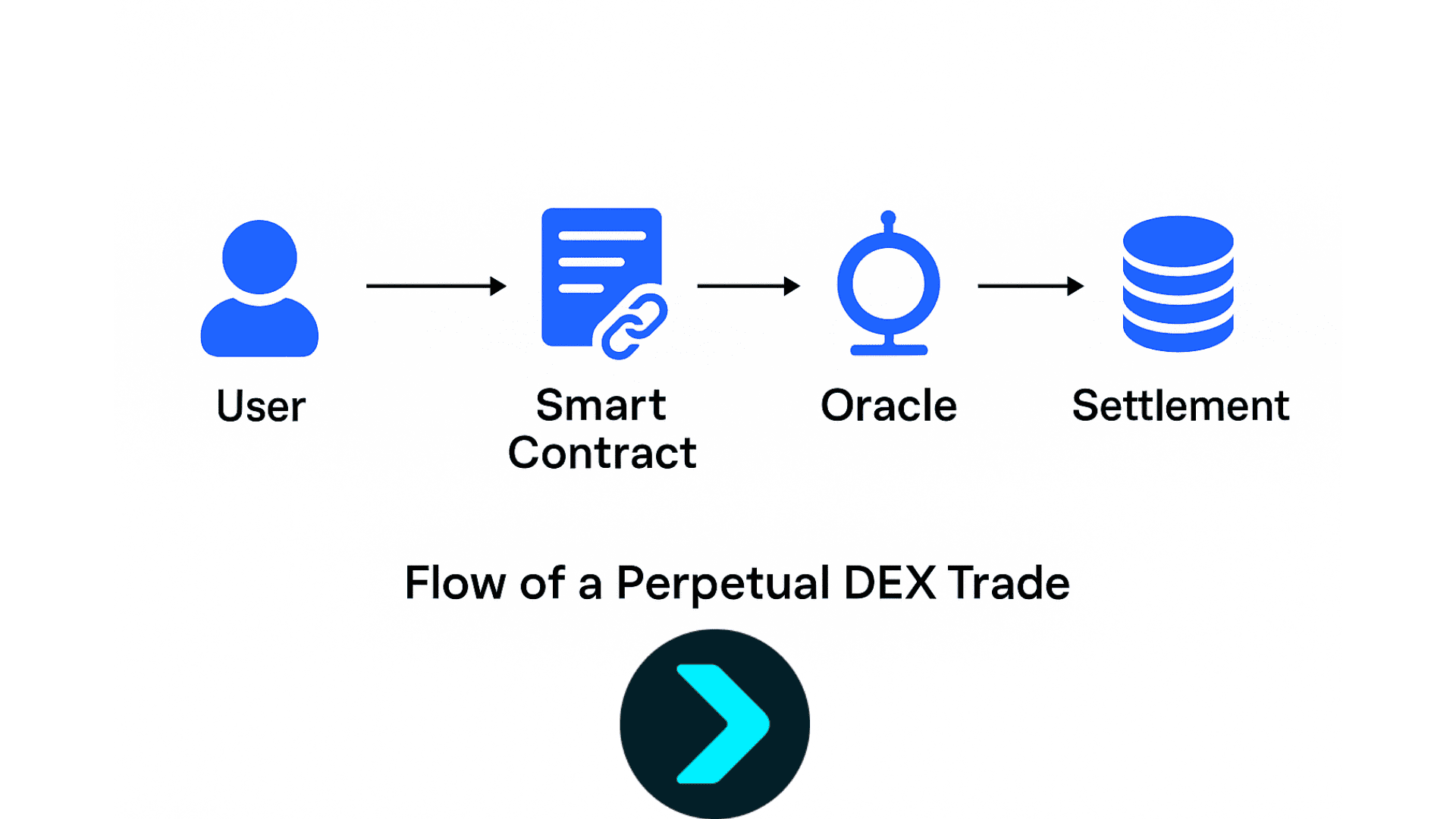
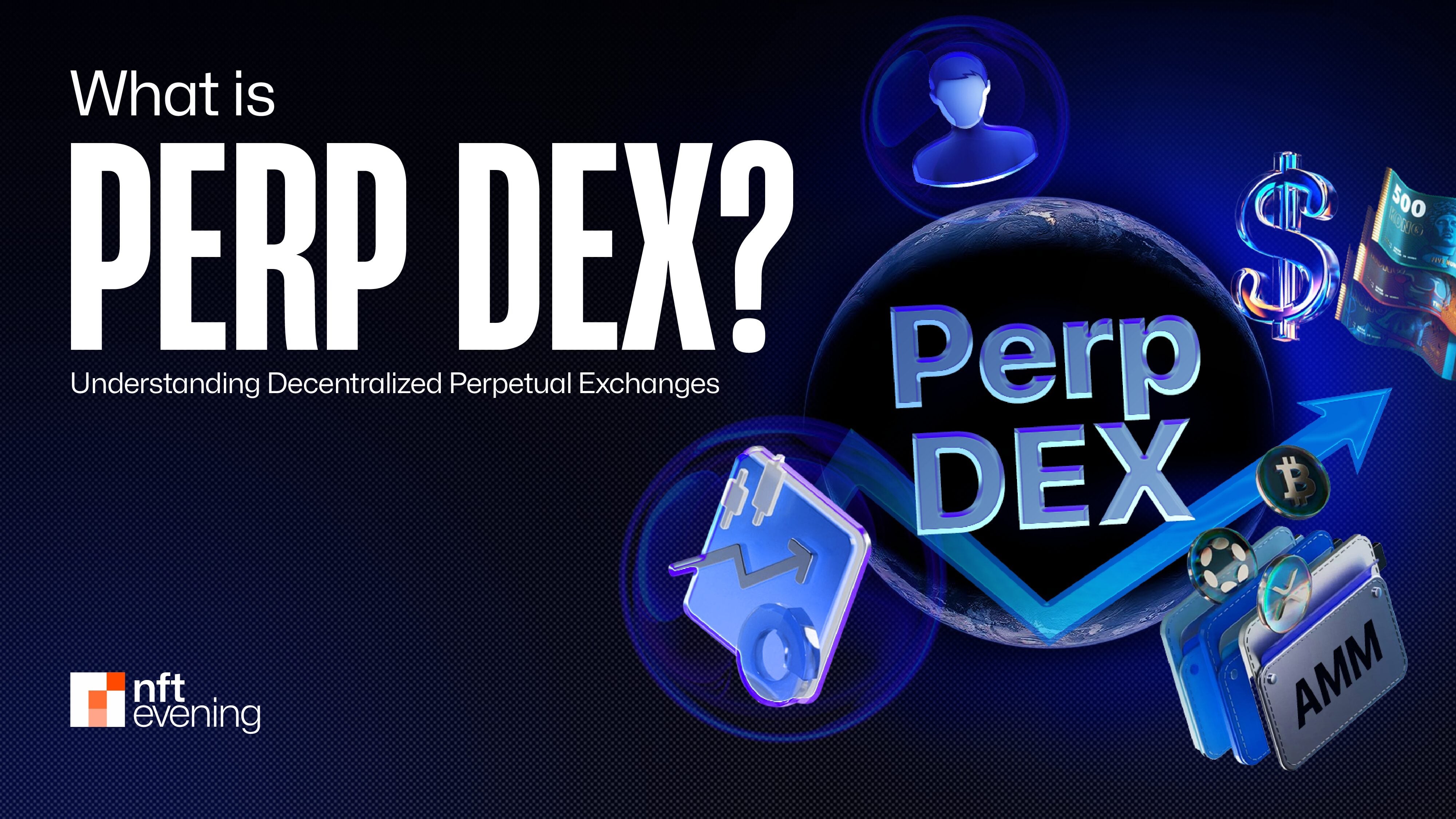
A perpetual decentralized exchange (perpetual DEX) is a non-custodial trading platform that allows users to trade leveraged futures contracts with no expiration date. Unlike centralized exchanges (CEXs) where you deposit funds into a company’s wallet, a perpetual DEX lets you connect your own wallet and trade directly from your private keys. This distinction shifts custody and counterparty risk from a corporate entity to the underlying smart contract infrastructure.
The "perpetual" aspect refers to the contract structure. Traditional futures contracts have a set expiry date, requiring traders to roll over positions. Perpetual contracts do not expire, allowing traders to hold long or short positions indefinitely as long as they maintain sufficient margin. To keep the contract price aligned with the underlying asset (such as Bitcoin or Ethereum), these DEXs use a funding rate mechanism. This rate periodically transfers money between long and short positions, anchoring the synthetic price to the real-world market value.
The critical difference between a perpetual DEX and a spot DEX lies in leverage and market structure. Spot DEXs facilitate the direct exchange of one token for another, similar to a traditional stock trade. Perpetual DEXs, however, are derivatives markets. They enable traders to speculate on price movements with borrowed capital, amplifying both potential gains and losses. This mechanism mirrors the functionality of centralized platforms like Binance or Bybit but operates on-chain, offering transparency and self-custody at the cost of potentially higher complexity and gas fees.
The market for these instruments has grown significantly. According to CoinGecko data, the total volume for perpetual DEXs has reached substantial levels, reflecting a shift in trader preference toward decentralized infrastructure for leveraged trading. This growth is driven by the desire for financial sovereignty and the ability to trade a wide range of synthetic assets without KYC requirements.
The 2026 market leaders: Hyperliquid and Aster
The decentralized perpetual futures market has consolidated around two primary architectures. Hyperliquid commands the majority of trading volume through its centralized-limit-order-book (CLOB) model, offering speed comparable to traditional exchanges. Aster has emerged as the primary alternative, focusing on sub-second finality and a distinct approach to liquidity routing that prioritizes execution speed over order book depth.
Hyperliquid’s dominance is structural. By operating on its own high-performance L1, it bypasses the latency inherent in Ethereum Layer 2s. This allows for a unified order book that aggregates liquidity from professional market makers and retail traders alike. The result is deep order books for major pairs like BTC and ETH, minimizing slippage during high-volatility events. However, this architecture relies on a more centralized validator set, a trade-off accepted for the sake of performance.
Aster challenges this model by leveraging a different technical stack designed for rapid settlement. Its architecture emphasizes speed and cost-efficiency, targeting traders who prioritize transaction finality over the depth of the order book. Aster’s recent stress tests have demonstrated its ability to handle high-frequency trading loads without the congestion seen on other L2-based DEXs. While its total volume trails Hyperliquid, its user retention metrics suggest a growing base of traders who value its specific execution guarantees.
Performance and Liquidity Comparison
The following table compares the core operational metrics that define the current market split between these two platforms.
| Metric | Hyperliquid | Aster |
|---|---|---|
| Architecture | Proprietary L1 CLOB | L2-Optimized Routing |
| Primary Strength | Liquidity Depth | Execution Speed |
| Settlement Finality | ~1-2 seconds | <1 second |
| Validator Model | Centralized Set | Decentralized Nodes |
| Target User | Institutional & Pro Traders | High-Frequency Retail |
Market Context and Volatility
Trading on these platforms carries significant risk due to the leverage available and the volatility of the underlying assets. The price action of Hyperliquid’s native token, HYPE, reflects the market’s sentiment toward the platform’s growth and regulatory standing. Traders should monitor these price movements as indicators of broader platform health and liquidity conditions.
Source: Binance HYPE/USDT. Price data reflects market sentiment and platform token performance.
While Hyperliquid remains the volume leader, Aster’s technical approach offers a viable alternative for traders sensitive to latency. The choice between the two often depends on whether the trader prioritizes the deepest liquidity (Hyperliquid) or the fastest settlement (Aster). As the 2026 market matures, this divergence in architecture will likely define the next phase of decentralized derivatives trading.
Trading synthetic stocks on-chain
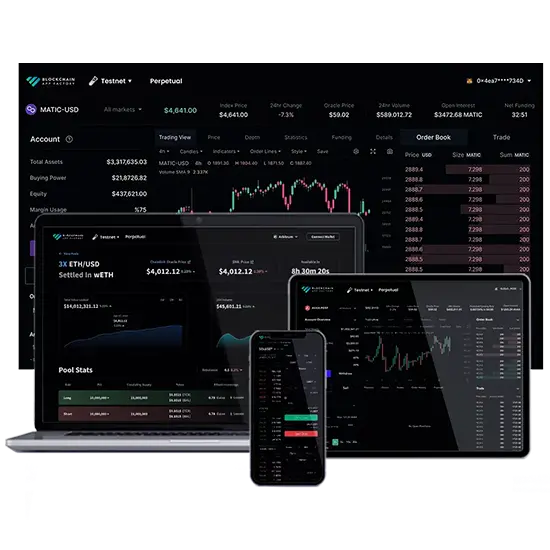
Synthetic assets on perpetual DEXs allow traders to gain exposure to traditional equities without opening a brokerage account or passing identity verification. These tokens track the price of real-world assets like Apple or Tesla, enabling leveraged positions directly from a self-custodial wallet. This structure removes the friction of traditional market entry, though it introduces distinct technical risks that traders must manage.
The mechanism relies on oracles to feed external price data into the blockchain. Because these tokens do not represent actual ownership of the underlying company, their value is purely mathematical. If an oracle fails to update or provides delayed data, the synthetic price may diverge from the real-world asset, potentially triggering liquidations even if the actual stock price remains stable. This reliance on third-party data feeds is the single biggest point of failure in the system.
The trade-off is clear: you gain privacy and speed, but you lose the regulatory safety nets of traditional finance. There is no SEC oversight, no investor protection fund, and no recourse for technical errors. Traders must assume full responsibility for verifying the reliability of the oracle network and the solvency of the protocol. This is not passive investing; it is active risk management in a high-stakes environment.
Centralized vs. decentralized perp risks
Trading perpetual futures requires choosing between convenience and control. Centralized exchanges (CEXs) like Binance or Bybit offer deep liquidity and familiar interfaces, but they hold your funds in custodial wallets. This convenience introduces counterparty risk; if the exchange faces insolvency or regulatory shutdown, your capital is frozen or lost.
Perpetual DEXs solve the custodial problem by enabling self-custody. You trade directly from your wallet, eliminating the risk of a centralized entity mismanaging your assets. However, this shift transfers risk to the protocol layer. You are now exposed to smart contract vulnerabilities, where code bugs or exploits can lead to total loss of funds.
The liquidity choices that change the plan
CEXs benefit from consolidated order books, ensuring tight spreads even for large orders. Perp DEXs often face liquidity fragmentation across different protocols and layers. While platforms like Hyperliquid have narrowed this gap, smaller DEXs may suffer from slippage during high volatility. The tradeoff is clear: you gain security of custody but may sacrifice execution quality and depth.
How to choose a platform in 2026
There is no single best perpetual DEX in 2026. Execution quality across decentralized perpetual exchanges depends on market conditions, order size, and funding rate volatility. Your choice must align with your specific trading style, as the architectural differences between platforms create distinct advantages for different participants.
Aster and Hyperliquid dominate the high-frequency space due to their high-throughput architectures. For traders executing multiple orders per second, the difference in fill rates between these platforms and legacy DEXs is the difference between profitability and slippage. If your strategy relies on speed, prioritize platforms with native L1 or optimized L2 execution.
Large capital requires deep liquidity to minimize market impact. Hyperliquid currently leads in open interest depth for major pairs, allowing large orders to be filled with less price disruption. If you are moving significant size, verify the order book depth for your specific asset before committing capital, as thin books on smaller platforms can lead to severe slippage.
Before placing any trade, verify the oracle status and check open interest depth. Ensure your wallet connection is secure and that you understand the liquidation mechanics of the specific platform. Decentralized exchanges are non-custodial, meaning you retain control of your funds, but this also means you are solely responsible for managing your risk parameters and understanding the smart contract risks involved.
| Feature | Hyperliquid | Aster |
|---|---|---|
| Latency | High | High |
| Liquidity Depth | Deep | Moderate |
| Best For | Large Orders | High-Frequency |
The decision ultimately comes down to a trade-off between speed and depth. High-frequency traders should prioritize the low-latency execution provided by Aster or Hyperliquid. Conversely, large capital allocators must prioritize the deep liquidity pools found primarily on Hyperliquid to ensure their trades do not move the market against them.
Common questions about perp DEXs
What is a perpetual DEX in crypto?
A perpetual decentralized exchange (perp DEX) is a blockchain-based platform for trading perpetual futures contracts with no expiry date. Unlike centralized exchanges, perp DEXs are non-custodial, meaning users keep full control of their funds via their own wallets rather than depositing assets into a company’s bank account [src-serp-1]. This structure eliminates counterparty risk but introduces smart contract risk.
Are perpetual DEXs regulated?
Perp DEXs operate in a regulatory gray area. Because they are non-custodial and often lack a central legal entity, they fall outside traditional securities or commodities frameworks in many jurisdictions. However, regulators are increasingly scrutinizing on-ramps and fiat-to-crypto bridges. Traders must assume their activity may not be protected by insurance or consumer safeguards available on regulated venues.
How do perpetual DEXs differ from spot trading?
Spot trading involves buying and selling assets for immediate delivery. Perp DEXs allow traders to open leveraged long or short positions without owning the underlying asset. Profits and losses are settled based on the difference between entry and exit prices, tracked via oracle-fed mark prices. This enables high leverage but also amplifies the risk of liquidation during volatile market swings.
No comments yet. Be the first to share your thoughts!