
Perp dexs 2026 choices that change the plan
Institutional capital is moving toward on-chain leverage, but the switch requires a clear understanding of the structural differences between perpetual DEXs and traditional perp stocks. The decision hinges on liquidity depth, counterparty risk, and regulatory overhead. While perp stocks offer familiar compliance frameworks, perp DEXs provide 24/7 access and non-custodial control, which are increasingly critical for large-scale execution in volatile markets.
The tradeoff is not merely about fees; it is about where the risk resides. In perp stocks, the clearinghouse and broker act as intermediaries, introducing counterparty risk and potential for forced liquidations during market gaps. In perp DEXs, smart contracts handle the clearing, and users retain custody of their assets until execution. This shift demands a different operational mindset, particularly regarding gas costs, slippage, and the technical proficiency required to manage private keys and wallet interactions.
| Feature | Perp DEXs (On-Chain) | Perp Stocks (TradFi) | Why Institutions Care |
|---|
Watchouts: Verification and Risk Checks
Institutional capital is moving to on-chain leverage, but the infrastructure is still maturing. Before deploying capital, verify the specific risk parameters of each venue. Perpetual DEXs and perp stocks operate under different regulatory and technical frameworks.
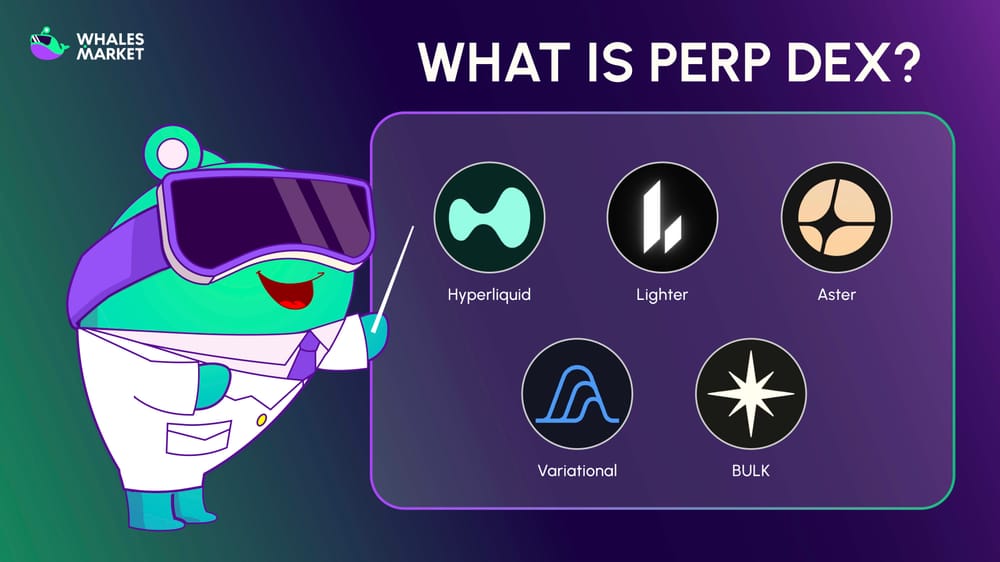
Perp stocks are often offered by offshore entities or unregulated platforms. Confirm whether the provider holds a license in your jurisdiction. On-chain perp DEXs are typically non-custodial, meaning you retain control of your keys, but this also means no regulatory recourse for disputes or hacks.
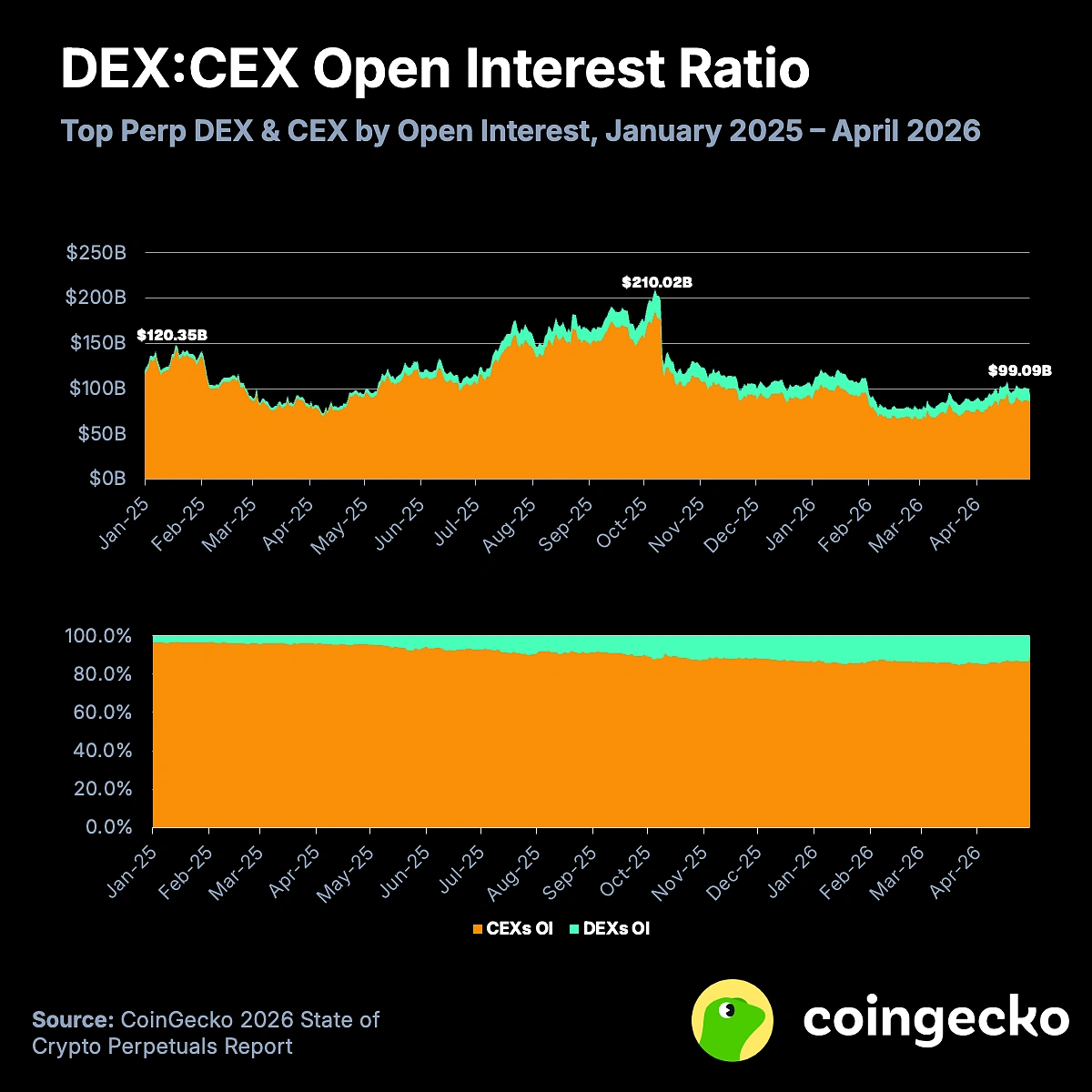
Review the smart contract audit reports for any perp DEX you use. Look for evidence of an insurance fund or risk buffer to cover potential shortfall events. Unlike traditional brokers, decentralized protocols may not have a backstop if a liquidation cascade exceeds the pool's collateral.
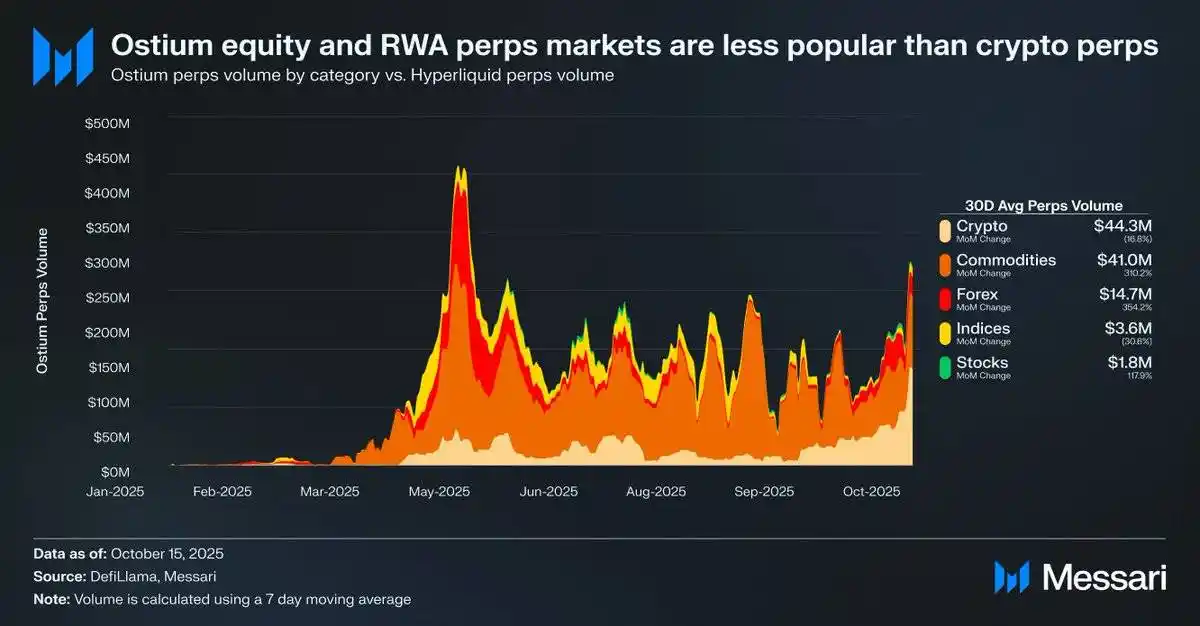
On-chain perpetuals can experience significant slippage during high volatility or low liquidity periods. Verify the liquidation engine's design. Traditional brokers often have centralized liquidation engines that may close positions at preferred prices, while DEXs rely on on-chain oracles that can be manipulated or delayed during extreme market stress.
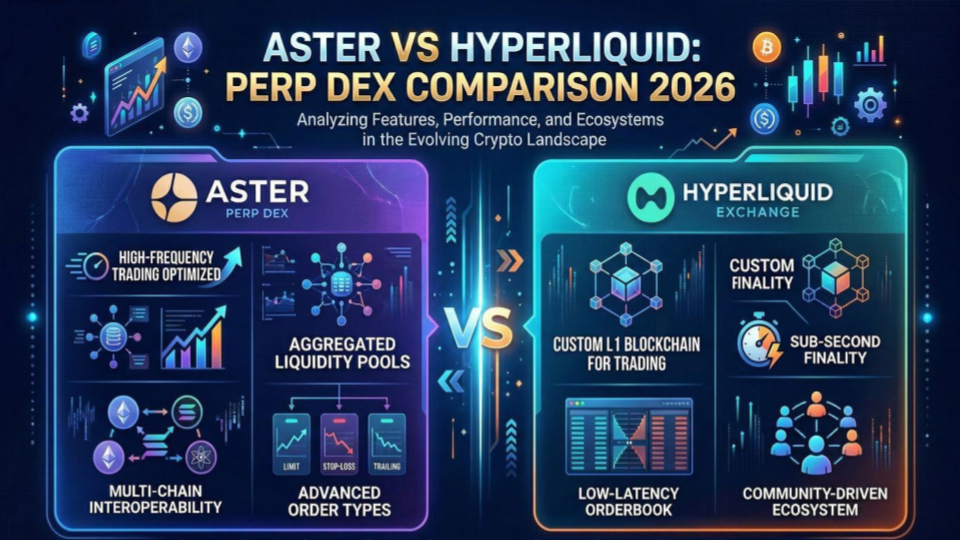
For perp stocks, check the withdrawal timeline and custody arrangements. Are funds held in a segregated account? With perp DEXs, ensure you understand the gas fees and network congestion risks that could delay your exit. Institutional capital requires predictable settlement times.
Perpetual dexs 2026: what to check next
Institutional capital is shifting toward on-chain leverage as perpetual DEXs mature from experimental platforms into serious infrastructure. The following answers address the most common practical objections and operational questions regarding this transition.
The transition to on-chain leverage is not just about technology; it is about trust and transparency. Institutions are drawn to the immutable nature of blockchain records, which reduce counterparty risk compared to traditional broker-dealers. However, the operational complexity of managing private keys and understanding smart contract risk remains a significant hurdle.
As the landscape evolves, the distinction between "decentralized" and "traditional" is blurring. The key is choosing the right platform for your specific trading strategy and compliance requirements. Always conduct thorough due diligence on the platform's security history and liquidity stability before allocating significant capital.
No comments yet. Be the first to share your thoughts!