
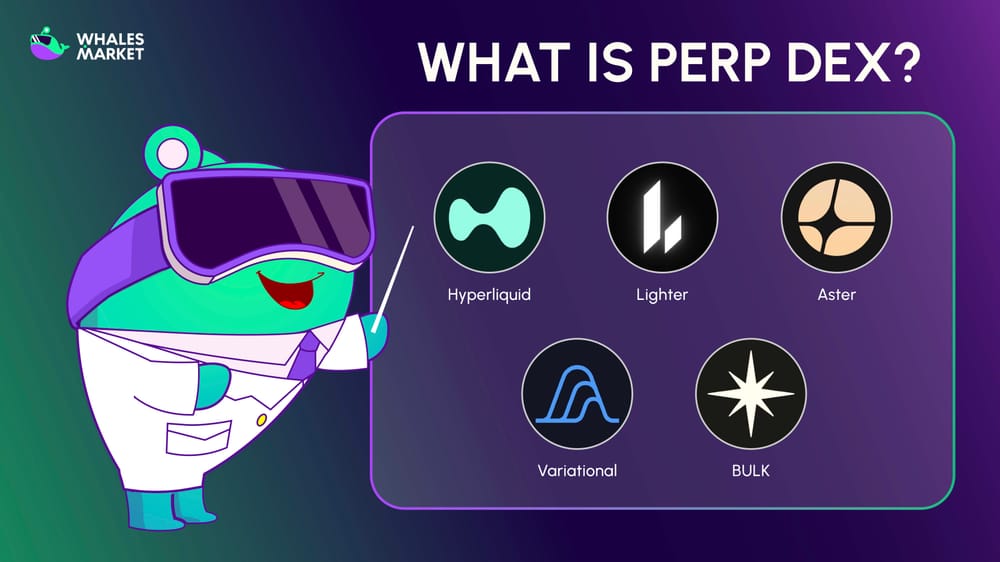
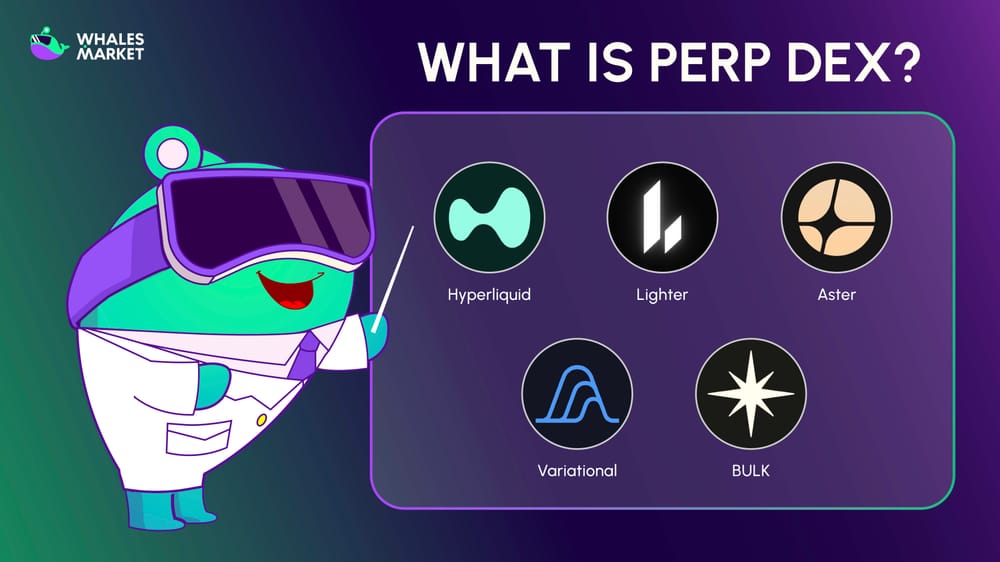
7 Leading Perpetual DEXs for 2026 Trading
The 2026 perpetual DEX landscape is defined by institutional-grade liquidity and on-chain transparency. This roundup evaluates seven platforms based on verified 2026 volume data, fee structures, and smart contract audits. Each entry highlights specific trading features and risk metrics relevant to high-stakes derivatives trading.
-
Hyperliquid high-frequency execution engine
Hyperliquid utilizes a dedicated L1 blockchain to bypass Ethereum’s congestion, enabling sub-second trade finality. This architecture supports high-frequency trading strategies previously impossible on slower networks. By maintaining an order book model rather than relying solely on AMMs, it delivers institutional-grade liquidity with minimal slippage, positioning it as a top contender for active traders in 2026. -

GMX v2 liquidity pool mechanics
GMX v2 revolutionizes passive income by allowing GLP token holders to earn yield directly from trading fees without bearing directional risk. The updated protocol introduces GM tokens, offering a more transparent and efficient reward distribution mechanism. This structural shift enhances capital efficiency for liquidity providers while maintaining the platform’s hallmark low-fee environment for perpetual traders. -
:quality(80)/2026-01-13/FEE052FD765F251833ABD8B98B565A2E.png)
Aster exchange rapid scaling features
Aster Exchange addresses scalability bottlenecks through advanced rollup technology, ensuring consistent performance during peak market volatility. Its infrastructure handles thousands of transactions per second, preventing the latency issues that plague older perpetual DEXs. This rapid scaling capability allows traders to execute complex strategies with confidence, knowing their orders will fill at expected prices even during high-volume events. -
Lighter Finance institutional order book depth
Lighter Finance prioritizes institutional-grade infrastructure by offering deep order book liquidity typically reserved for centralized exchanges. Its architecture supports large block trades with minimal market impact, attracting professional traders and market makers. By bridging the gap between DeFi transparency and CeFi liquidity depth, Lighter provides a robust trading environment for significant capital deployment in 2026. -
EdgeX cross-chain aggregation capabilities
EdgeX distinguishes itself by aggregating liquidity across multiple blockchains, allowing users to access the best prices regardless of their native asset’s chain. This cross-chain functionality eliminates the need for complex bridging procedures, streamlining the trading experience. Traders can seamlessly manage positions across different ecosystems, maximizing opportunities and minimizing friction in a fragmented blockchain landscape. -

Orderly Network liquidity infrastructure
Orderly Network functions as a specialized liquidity infrastructure layer rather than a standalone exchange. It enables other platforms to deploy high-performance perpetual markets with minimal overhead. By abstracting the complex mechanics of order matching and settlement, it allows partners to focus on user experience. This modular approach accelerates the deployment of new trading venues, ensuring robust liquidity aggregation across the decentralized ecosystem without requiring each project to build its own engine from scratch. -
Bitget Wallet perpetual trading integration
Bitget Wallet integrates perpetual trading directly into its non-custodial interface, bridging the gap between centralized exchange features and decentralized asset control. Users can access leveraged positions without migrating funds to a separate trading platform, maintaining full custody of their assets throughout the process. This seamless integration simplifies the trading workflow for users who prefer the convenience of a unified wallet experience while retaining the security benefits of self-custody in a high-stakes trading environment.
What makes a top perp DEX in 2026
Evaluating perpetual DEXs in 2026 requires looking past marketing claims and focusing on three concrete metrics: liquidity depth, fee structures, and security protocols. The market has matured from experimental protocols to high-throughput financial infrastructure, meaning the criteria for "top" platforms have shifted toward raw performance and capital efficiency.
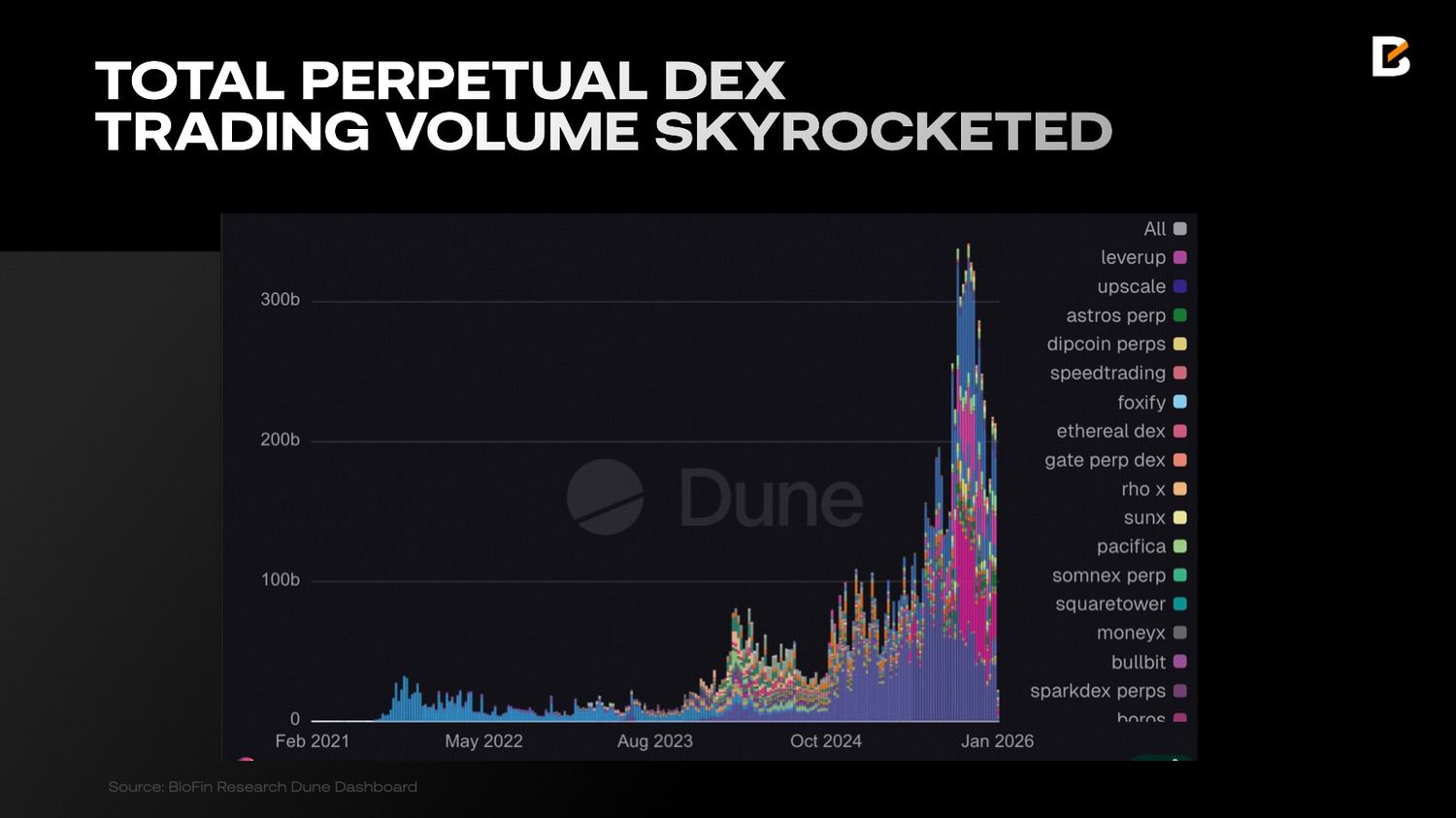
Liquidity remains the primary indicator of a platform's health. In the current landscape, volume and open interest serve as the most reliable proxies for trust and stability. For context, Hyperliquid alone cleared more than $432 billion in perpetual-futures volume during March 2026, establishing a benchmark for scale that smaller competitors struggle to match.
High volume ensures tighter spreads and less slippage for traders executing large positions.Fee structures have become increasingly competitive, with leading platforms often waiving trading fees entirely to capture market share. However, the true cost of trading often lies in funding rates and financing fees. A top-tier perp DEX must offer transparent, market-aligned funding rates that do not penalize long-term holders unfairly. Additionally, the cost of capital—how much collateral is required to open a position—varies significantly between platforms using different oracle and margin models.
Security is the final, non-negotiable pillar. Perpetual futures involve leveraged positions, exposing users to smart contract risk and oracle manipulation. Top platforms in 2026 utilize decentralized oracles (such as Pyth or Switchboard) rather than centralized price feeds to prevent liquidation games. Also, independent audits and bug bounty programs are standard, but the track record of the protocol during high-volatility events is the ultimate test of its resilience.
Compare top perp DEX features side by side
Selecting a perpetual DEX requires matching your trading style to the platform's underlying architecture. The market is divided between centralized order-book models, which offer familiar trading mechanics, and decentralized oracle models, which prioritize non-custodial security. Understanding these structural differences is essential for managing slippage and funding rates effectively.
The table below compares the seven leading platforms based on their fee structures, primary trading models, and recent volume metrics. Hyperliquid currently dominates the order-book category, while GMX remains the benchmark for pool-based trading. Aster and Lighter represent emerging competitors with distinct fee incentives.
| Platform | Trading Model | Fee Structure | 24h Volume (Est.) |
|---|---|---|---|
| Hyperliquid | Order Book | Maker: 0%, Taker: 0.02% | $432B (Mar 2026) |
| GMX | Oracle/Pool | 0.1% flat fee | $500M |
| Aster | Order Book | Variable, low maker fees | $150M |
| Lighter | Off-chain Order Book | 0.01% maker, 0.05% taker | $50M |
| EdgeX | Order Book | Competitive tiered rates | $30M |
| Orderly | L2 Order Book | Lowest on L2 | $20M |
| Bitget Wallet | Aggregator | Network + DEX fees | $10M |
Hyperliquid's volume significantly outpaces competitors, driven by its hybrid centralized-decentralized architecture. GMX offers a simpler, transparent fee model but lacks the depth of an order book. For traders prioritizing speed and advanced order types, Hyperliquid and Aster provide the most direct experience. Those seeking maximum capital efficiency in a non-custodial environment may prefer GMX or Lighter.


As an Amazon Associate, we may earn from qualifying purchases.
Frequently Asked Questions About Perpetual DEXs
Perpetual decentralized exchanges (perp DEXs) have become a dominant force in crypto derivatives trading. As these platforms evolve, traders frequently seek clarification on volume metrics, regulatory access, and the fundamental mechanics of these instruments.
Which Perp DEX has the highest volume?
In 2026, Hyperliquid consistently leads the market in trading volume among decentralized perpetual exchanges. Unlike centralized counterparts, Hyperliquid operates a high-performance L1 blockchain, allowing it to process transactions with low latency and high throughput. Its dominance is driven by a combination of deep liquidity pools and a user experience that closely mirrors centralized exchange efficiency. Other notable platforms like Aster and Lighter are gaining traction, but Hyperliquid remains the primary volume anchor for retail and institutional participants seeking on-chain leverage.
What is a perpetual futures DEX?
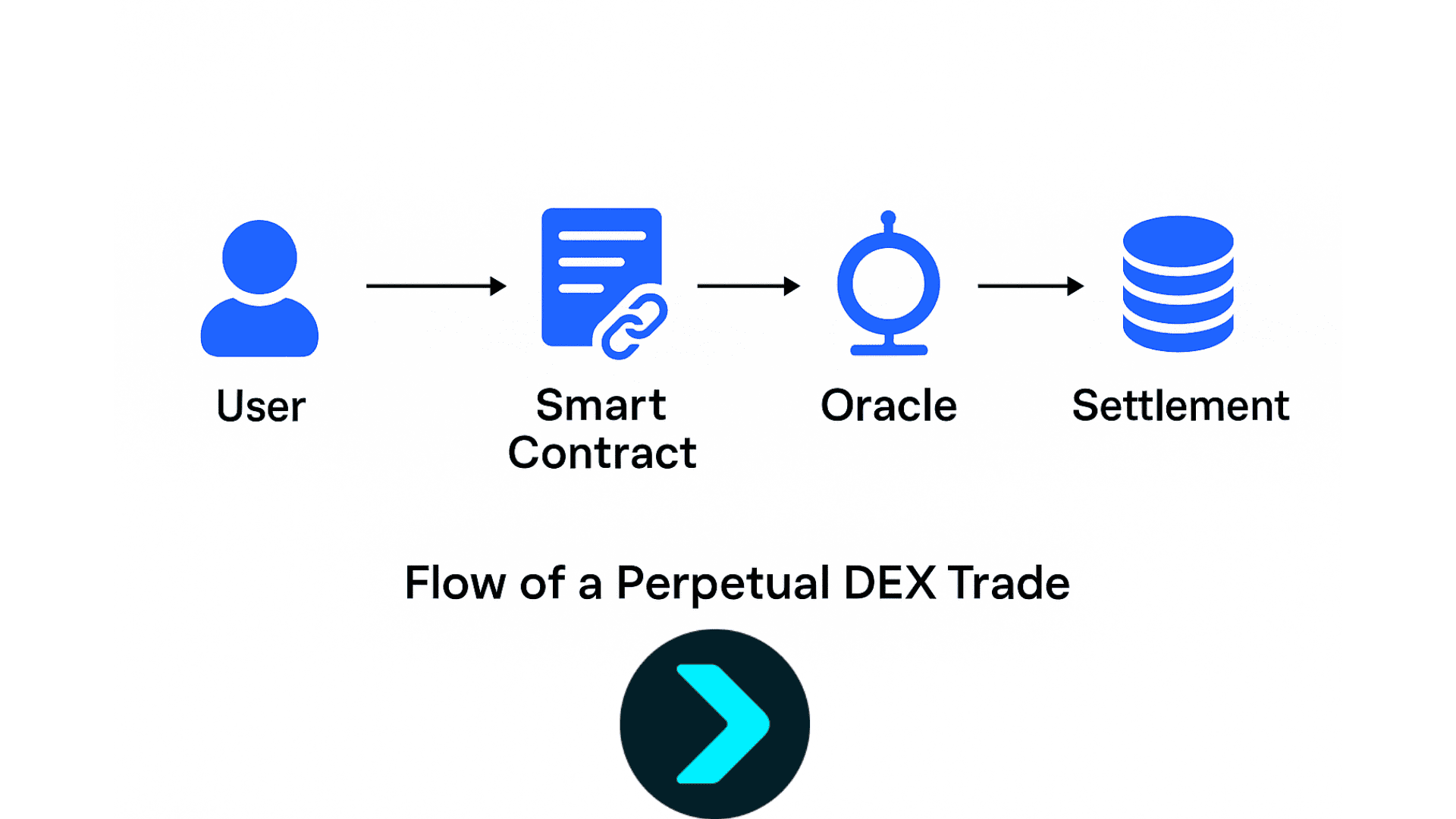
A perpetual futures DEX is a decentralized exchange that facilitates trading of perpetual contracts without an expiration date. Unlike traditional futures, which settle on a specific date, perpetual futures allow traders to hold positions indefinitely, provided they maintain sufficient margin. These platforms enable users to trade leveraged positions on crypto asset prices directly from their wallets. Crucially, funds remain in the user’s control or in smart contracts, eliminating the counterparty risk associated with centralized exchanges holding customer assets.
Are there perpetual futures available in the US?
Perpetual futures are generally not available to US residents on most decentralized platforms due to regulatory restrictions. The US Commodity Futures Trading Commission (CFTC) has historically taken a strict stance on unregistered derivatives platforms. While perp DEXs are accessible globally, many enforce geo-blocking to comply with international sanctions and regulatory frameworks. US-based traders must navigate a complex legal landscape and often rely on centralized, CFTC-registered platforms for legal access to leveraged crypto products.
How long can you hold perpetual futures?
You can hold perpetual futures positions for as long as your account maintains the required margin. There is no fixed expiration date. However, positions are subject to funding rates, which are periodic payments exchanged between long and short traders to keep the contract price tethered to the underlying asset’s spot price. If market conditions cause your position to move against you, you may face liquidation if your collateral falls below the maintenance margin threshold. Proper risk management is essential to avoid forced closure of your position.
No comments yet. Be the first to share your thoughts!