
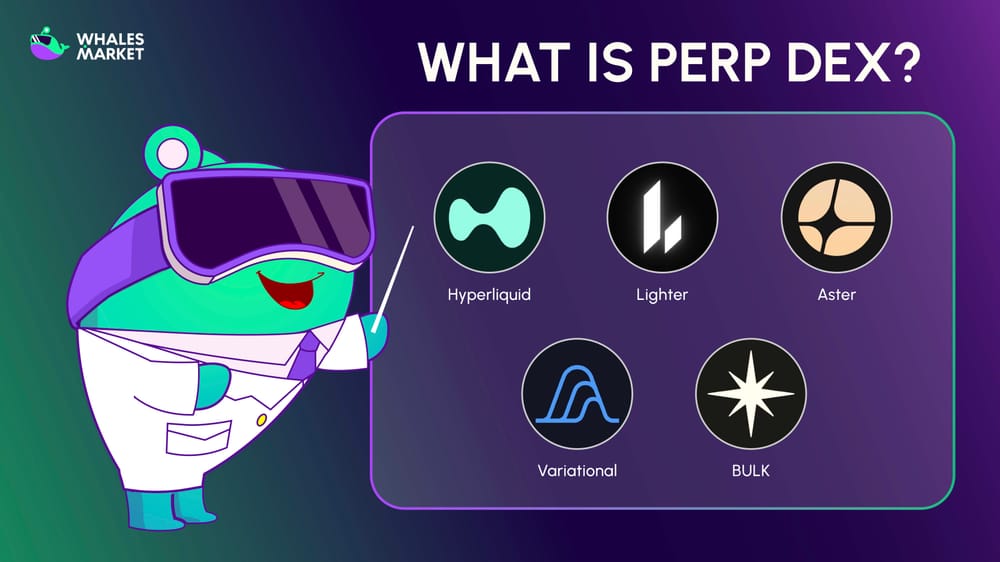
2026 Perp DEX Market Shift
Perpetual decentralized exchanges (perp DEXs) have entered a phase of high-stakes consolidation. While centralized exchanges (CEXs) have reclaimed approximately 90% of the market share in early 2026, the remaining 10% represents a structural shift in how leverage is traded. This is no longer a speculative fringe; it is a resilient, specialized ecosystem.
According to the State of Crypto Perpetuals Report 2026, the broader perpetual market reached $751.59 billion in January 2026 before settling into a more stable rhythm. Despite the CEX resurgence, perp DEXs collectively process over $35 billion in daily volume. This volume is not random noise; it is concentrated in niches where censorship resistance, transparent collateral, and 24/7 settlement matter more than the slight fee advantages of centralized order books.
The market is bifurcating. Retail traders seeking simple, low-friction leverage often default to established CEXs. However, sophisticated traders, institutions, and those prioritizing self-custody remain anchored to perp DEXs. The competition is no longer about volume alone; it is about reliability, capital efficiency, and the ability to navigate regulatory gray areas without account freezes.
This divergence defines the 2026 landscape. Perp DEXs are no longer trying to beat CEXs at their own game. Instead, they are building fortified positions in areas where centralized control is a liability. The platforms that survive this shift will be those that offer genuine utility for traders who value sovereignty over convenience.
Leading platforms for high leverage
Trading perpetual futures on decentralized exchanges requires navigating distinct technical architectures. The leading platforms in 2026—Hyperliquid, Aster, and dYdX—each solve the latency and security challenges of on-chain leverage differently. Hyperliquid uses a dedicated L1 for speed, Aster leverages the Orderly Network for modular flexibility, and dYdX runs on Cosmos with a proven track record.
The choice between these platforms depends on your priority: raw execution speed, asset variety, or institutional-grade stability. High leverage amplifies both gains and liquidation risks, making the platform’s liquidation engine and fee structure critical factors.
Hyperliquid, Aster, and dYdX compared
The table below outlines the core differences in fees, leverage limits, and supported assets for the top three perp DEXs.
| Platform | Maker/Taker Fees | Max Leverage | Key Asset Focus |
|---|---|---|---|
| Hyperliquid | 0.00% / 0.05% | Up to 50x | Solana, ETH, BTC |
| Aster | Varies by market | Up to 100x | Broad altcoin selection |
| dYdX | 0.01% / 0.05% | Up to 50x | Major caps (BTC, ETH) |
Hyperliquid’s custom L1 architecture allows for sub-second order matching, making it the preferred choice for high-frequency traders who need minimal slippage during volatile moves. Its fee structure is among the most competitive, often offering zero maker fees to attract liquidity.
Aster, built on the Orderly Network, provides a modular approach that allows for higher leverage limits on select assets. This flexibility is attractive for traders seeking aggressive positioning, though it requires careful risk management due to the increased liquidation probability.
dYdX remains the most established player, offering a stable and secure environment. While its asset selection is more conservative, focusing on major cryptocurrencies, its deep liquidity and mature infrastructure make it a reliable option for large-scale traders who prioritize capital preservation.
Technical analysis and market data
Understanding the current market conditions for these underlying assets is essential before opening leveraged positions. The chart below shows the daily price action for Bitcoin, a primary asset on all three platforms.
Leverage trading is inherently risky. A 10% adverse move against a 10x leveraged position results in a 100% loss of the collateral. Always use stop-loss orders and never trade with capital you cannot afford to lose.
Final considerations
Before selecting a platform, consider your trading frequency and risk tolerance. Hyperliquid offers speed, Aster offers flexibility, and dYdX offers stability. Test each platform with small positions to understand their specific liquidation mechanisms and fee structures.
For a broader view of the perp DEX landscape, including emerging platforms like Apex and GMX, refer to our full 2026 market analysis.
Perp DEXs vs Traditional Stock Futures
Trading stock-like assets through decentralized exchanges (perp DEXs) fundamentally shifts who holds the risk. In traditional finance (TradFi) and on centralized exchanges (CEXs), your capital is pooled into the exchange’s custody. You trade against a central counterparty that matches your orders. If that counterparty fails, as seen in several high-profile bankruptcies, your leverage and principal vanish with them. This is counterparty risk. It is the silent tax of centralized finance.
Perp DEXs remove the middleman. Your funds never leave your wallet. Instead, they interact directly with liquidity pools or other traders via smart contracts. This structure eliminates the risk of a centralized entity freezing your account or going insolvent. However, it introduces a new threat: smart contract risk. A bug in the code can lead to total loss. You trade regulatory protection and custodial safety for self-custody and transparency.
This shift matters most for stock synthetics. TradFi stock futures are rigid, capped by position limits, and require KYC. Perp DEXs offer 24/7 access to synthetic versions of equity prices without these barriers. The trade-off is clear: you gain freedom and control, but you bear the full weight of technical execution.
The market is responding to this structural advantage. Research from Delphi Digital indicates that perp DEXs are poised to take significant market share from expensive TradFi platforms in 2026, driven by lower fees and the demand for permissionless access to equity-like assets. As the infrastructure matures, the choice is no longer just about price, but about who you trust with your leverage: a corporation or code.
How Liquidity Shapes Execution Quality
Liquidity depth is the single most critical factor determining whether a high-leverage position survives a market move. In 2026, the gap between decentralized exchanges (DEXs) and centralized platforms (CEXs) has widened significantly. According to CoinGecko’s State of Crypto Perpetuals Report 2026, CEXs have regained a 90% super majority of the market, leaving perp DEXs with only 10% of total volume as of April 2026 [[src-serp-1]]. This dominance matters because centralized order books typically offer tighter spreads and deeper book layers, reducing the slippage that often liquidates leveraged positions.
Perp DEXs rely on different mechanisms, such as liquidity pools or on-chain order books, which can suffer from fragmentation. When liquidity is thin, even small trades can cause significant price impact. This is especially dangerous for traders using high leverage, where a 1% adverse move can trigger a full liquidation. The lack of deep, aggregated liquidity on many DEXs means that execution quality is often inferior to that of leading CEXs.
To mitigate these risks, some DEXs have adopted liquidity aggregation, pulling from multiple sources to improve fill rates. However, this is not yet standard across the board. Traders must verify the specific liquidity depth of the asset they are trading on their chosen platform. Relying on a DEX with shallow liquidity for large, leveraged positions is a high-stakes gamble that can result in substantial losses due to poor execution.
Choosing the Right Perp DEX in 2026
Selecting a platform depends on whether you prioritize execution speed, capital efficiency, or asset variety. No single perp DEX excels in every category, so aligning your choice with your specific trading strategy is critical for managing risk.
Match Speed to Your Strategy
High-frequency traders should look for order-book based DEXs like Hyperliquid or dYdX. These platforms offer the lowest latency and deepest liquidity for major pairs, reducing slippage during volatile market moves. If you are trading smaller altcoins, check the specific market depth before depositing funds.
Evaluate Capital Efficiency
For traders who need to maximize margin usage, AMM-based or hybrid models like GMX or Drift may offer better capital efficiency. These platforms often allow for lower initial margin requirements on certain positions, though they may come with higher funding rates. Always verify the fee structure and liquidation thresholds for your specific asset.
Verify Asset Variety
If you are trading niche or emerging tokens, ensure the perp DEX supports those markets. Platforms like Aster or Aevo often list newer assets earlier than legacy DEXs. However, new markets carry higher volatility and risk. Use a
to gauge overall market health before entering leveraged positions.Common Questions About Perp DEXs
Perpetual decentralized exchanges (perp DEXs) let you trade leveraged crypto positions directly from your wallet without handing custody to a centralized entity. Unlike traditional futures that expire, perpetuals have no end date, relying on funding rates to keep prices anchored to spot markets.
Perps vs. Futures and Platform Selection
Perpetual futures differ from traditional futures by eliminating expiration dates, though they introduce funding rate risks. When choosing a perp DEX, prioritize platforms with high liquidity and audited smart contracts to minimize slippage and protocol risk.
How Long Can You Hold Positions?
You can hold perpetual positions indefinitely as long as your margin covers maintenance requirements. However, funding payments occur every 8 hours; negative rates can erode profits, while positive rates add to costs. High leverage amplifies these daily expenses.
Risk Warning: Perpetual trading carries extreme risk. Liquidation can occur instantly if market volatility exceeds your margin buffer. Never trade with funds you cannot afford to lose.
No comments yet. Be the first to share your thoughts!