
The shift toward on-chain leverage
The landscape for perpetual futures has changed significantly in 2026. For years, centralized exchanges dominated the derivatives market, but decentralized alternatives have captured a substantial share of trading volume. According to CoinGecko’s 2026 report, the ratio of perp DEX volume to centralized exchange volume climbed from just 3% in January 2025 to 13% by December. This surge signals a clear migration of capital toward on-chain infrastructure, driven by the need for transparency and self-custody.
While the DEX market share has normalized slightly from its peak, the absolute volumes remain historic. Platforms like Hyperliquid are processing massive amounts of capital; Hyperliquid alone cleared more than $432 billion in perpetual-futures volume in March 2026. This scale demonstrates that perp DEXs are no longer niche experiments but primary venues for leveraged trading.
The growth of these platforms is closely tied to broader market volatility. As traders seek leverage during price swings, on-chain venues offer continuous liquidity without the downtime or KYC friction of traditional exchanges. Understanding this shift is essential before evaluating which specific venues offer the best execution for your strategy.
Compare top perp dex platforms
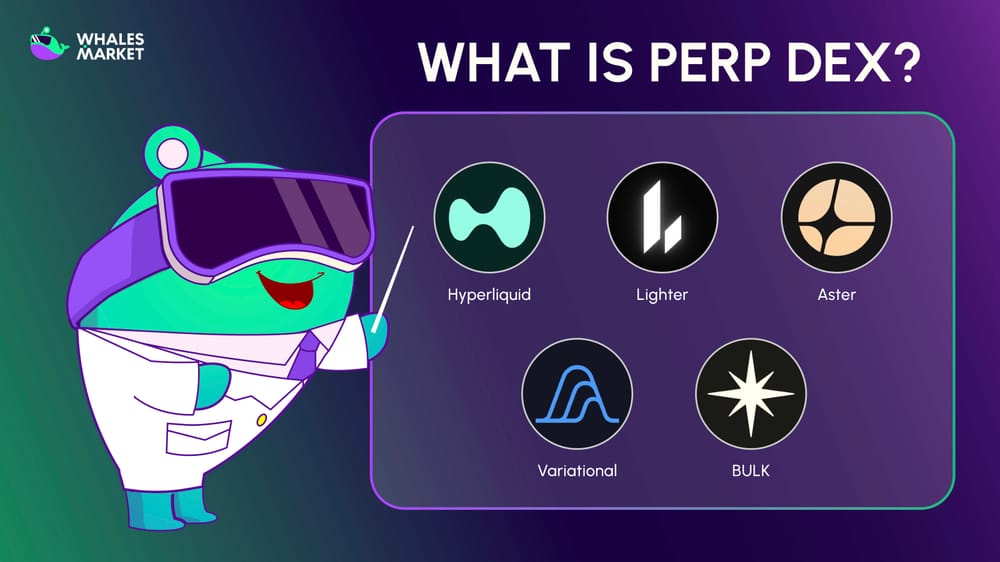
Choosing the right venue for on-chain leverage depends on how you want to interact with the market. The leading perpetual DEXs—Hyperliquid, dYdX, GMX, and Aevo—each solve the liquidity and execution puzzle differently. Hyperliquid dominates volume with its order-book model, while GMX relies on a transparent pool-and-oracle structure. dYdX offers a familiar trading experience, and Aevo provides flexible options and futures.
The table below breaks down the key differences in volume, liquidity model, and fee structure to help you pick the right tool for your strategy.
| Platform | 30-Day Volume | Liquidity Model | Base Fee |
|---|---|---|---|
| Hyperliquid | $432B+ (Mar 2026) | Order Book | Maker: 0%, Taker: 0.02% |
| dYdX | High | Order Book (v4) | Maker: 0%, Taker: 0.04% |
| GMX | Medium | Liquidity Pool + Oracle | Maker: 0%, Taker: 0.1% |
| Aevo | Medium | Order Book + AMM | Maker: 0%, Taker: 0.05% |
Volume alone doesn't dictate the best platform; it reflects the depth of liquidity available for your specific trade size. Hyperliquid's massive March 2026 volume suggests deep order book liquidity, which is critical for minimizing slippage on large positions. GMX's pool-based model offers a different risk profile, where traders trade directly against a liquidity provider pool rather than an order book.
How liquidity models shape slippage and funding
Perpetual DEXs generally fall into two camps: order-book models and pool-based models. Your choice between them dictates how quickly you can enter a position, how much slippage you pay during volatility, and how funding rates are calculated.
Order-book venues
Order-book venues like Hyperliquid replicate the structure of traditional centralized exchanges. They rely on an internal matching engine to pair buy and sell orders directly. This model offers deep liquidity for large trades and transparent price discovery through a visible order book.
Because trades are matched against existing orders, slippage is determined by the depth of the book at your target price. If the book is thin, large orders can move the market significantly. However, the absence of a third-party oracle means funding rates are derived purely from the premium between the perpetual contract and the spot market.
Pool-based venues
Pool-based venues like GMX use liquidity pools backed by collateral assets. Instead of matching orders, trades execute against the pool’s reserves. This model often relies on on-chain oracles to price assets, which introduces a slight lag but ensures the pool remains solvent even if the internal order book dries up.
Slippage here is calculated using a mathematical formula based on the pool’s asset balance. As you trade against the pool, the price shifts to protect liquidity providers. Funding rates are typically capped or adjusted based on the oracle price to prevent the pool from being drained during extreme market moves.
Synthetic equity and cross-asset access
Perpetual DEXs have expanded far beyond native crypto pairs. Many venues now offer synthetic exposure to traditional assets like US stocks and forex pairs. This allows traders to speculate on price movements without owning the underlying asset or navigating traditional brokerage hurdles.
Synthetic equity contracts track the price of stocks such as Apple or Tesla using oracle data. These derivatives settle in crypto, typically USDC or the platform's native token. Traders can open long or short positions with leverage, mirroring the behavior of traditional CFDs or futures but on-chain.
Cross-asset access extends to forex pairs like EUR/USD. While crypto-only venues dominate volume, newer platforms are integrating these traditional markets. This diversification lets traders hedge crypto portfolios against macroeconomic shifts directly from their wallets.
The availability of these assets varies by platform. Some DEXs focus exclusively on crypto, while others position themselves as comprehensive cross-asset hubs. This fragmentation means liquidity can be thinner for stock pairs compared to major crypto pairs.
Traders should monitor oracle reliability and funding rates closely. Synthetic assets rely on external data feeds, introducing potential latency or manipulation risks. Always check the platform's risk management protocols before leveraging synthetic positions.
How to choose the right perp dex for your needs
Selecting a perp dex requires matching the platform’s infrastructure to your trading style. A fast, high-frequency strategy demands low latency and deep liquidity, while a swing trader prioritizes low fees and self-custody. Use this checklist to evaluate venues before depositing funds.
Ensure the platform uses a non-custodial model where you retain control of your private keys. Avoid venues that require depositing funds into a centralized exchange wallet, as this reintroduces counterparty risk. Check the smart contract audits and the custody architecture details on the project’s official documentation.

Fees vary significantly across perp dexs. Look for platforms with transparent, volume-based fee schedules and competitive funding rates. High funding rates can erode profits on long-term positions, so compare the cost of holding positions over time, not just the entry fee.
Liquidity depth varies by asset. Test the platform with a small order on your primary trading pair to measure slippage. Poor liquidity on altcoin perps can lead to significant price impact, especially during high volatility. Check the open interest and 24-hour volume for your specific market.
The price oracle is critical for liquidation accuracy. Choose platforms with robust, decentralized oracle feeds that minimize the risk of manipulation or stale price data. High-frequency traders should specifically look for low-latency oracle updates to avoid unfair liquidations.
Frequently asked questions about perp dex 2026
What is a perp dex in crypto?
A perpetual decentralized exchange (perp DEX) is a platform for trading leveraged crypto positions without an expiration date. Unlike traditional futures, perpetual contracts rely on a funding rate mechanism to keep the contract price tethered to the underlying spot price. These platforms operate entirely on-chain, allowing users to open and close positions directly from their wallets without centralized intermediaries.
Which perp DEX has the highest volume?
Hyperliquid currently dominates the market, clearing more than $432 billion in perpetual-futures volume during March 2026. While decentralized exchanges as a whole saw their share of total crypto trading volume rise from 3% in January 2025 to 13% by December, Hyperliquid has established itself as the primary venue for high-frequency on-chain leverage trading.
Is 2026 a good year to invest in bitcoin?
Market analysis suggests 2026 remains a critical period for Bitcoin and broader crypto leverage. The shift toward decentralized trading venues indicates growing institutional and retail confidence in on-chain financial tools. However, the rising volume ratio between perp DEXs and centralized exchanges (CEXs) also highlights increasing market complexity and the need for careful risk management in a volatile environment.
How high will ETH go in 2026?
Predicting specific price targets for Ethereum or any asset is speculative and subject to rapid market changes. Traders often use perp DEXs to speculate on these movements with leverage, but such strategies carry significant risk. For real-time market data and technical analysis, refer to live provider-backed charts that reflect current trading conditions rather than static price forecasts.
No comments yet. Be the first to share your thoughts!