
What is perpetual DEX stock exposure?
Perpetual DEX stock exposure allows traders to gain synthetic access to traditional equity markets, such as the S&P 500 or individual tech stocks, using decentralized finance protocols. Unlike traditional equity trading, which requires a brokerage account and often involves holding the underlying asset, this method uses perpetual futures contracts. These derivatives track the price of a stock without an expiration date, enabling leveraged long or short positions directly from a self-custody wallet.
The mechanism relies on a funding rate system to keep the contract price aligned with the underlying spot price. In traditional futures, contracts have a fixed settlement date. Perpetual contracts do not. Instead, traders who are long pay those who are short (or vice versa) at regular intervals, depending on whether the contract is trading above or below the spot price. This continuous pegging mechanism eliminates the need for rolling over contracts, a standard practice in traditional futures trading.
This structure creates a bridge between centralized finance (CeFi) and decentralized finance (DeFi). By removing the intermediary, traders can access equity markets 24/7, bypassing traditional market hours and settlement delays. However, this convenience comes with distinct risks, including smart contract vulnerabilities and the complexity of managing collateral in a non-custodial environment.
The growth of this sector is significant. Leading decentralized exchanges have seen volume surge, with DEX volume now representing a growing share of total crypto derivative activity. This shift reflects a broader trend toward on-chain trading, where equity perps offer a transparent, programmable alternative to traditional equity exposure.
How synthetic equity contracts work
Perpetual DEX stock exposure relies on a decentralized infrastructure that mirrors traditional futures markets without the central clearinghouse. Instead of relying on a single entity to set prices, these platforms use a combination of on-chain oracles and funding mechanisms to track real-world asset values. This architecture allows traders to gain leveraged exposure to equities like Apple or Amazon while maintaining custody of their assets on-chain.
Price discovery via oracles
The foundation of any synthetic equity contract is accurate price data. Since blockchains are deterministic and cannot natively read external internet data, perpetual DEXs rely on decentralized oracle networks to feed real-time stock prices into the protocol. These oracles aggregate data from multiple traditional financial data providers, ensuring that the on-chain price of a synthetic asset, such as tAAPL, closely tracks the spot price of the underlying stock.
If the oracle data is delayed or manipulated, the synthetic contract will diverge from the real market, creating arbitrage opportunities or liquidation risks. Reputable protocols use multiple oracle sources to mitigate this risk, treating the oracle feed as the single source of truth for the contract’s valuation. This ensures that when you open a position in synthetic equity trading, you are trading against a price that reflects current market conditions, not stale on-chain data.
Funding rates maintain parity
Because perpetual contracts have no expiration date, the price of the synthetic asset could drift away from the underlying stock’s spot price. To prevent this, perpetual DEXs use a funding rate mechanism. This is a periodic payment exchanged between long and short position holders, designed to tether the contract price to the spot price.
When the synthetic price trades above the spot price, long positions pay short positions, incentivizing sellers to enter the market and push the price down. Conversely, if the synthetic price falls below spot, short positions pay longs, encouraging buyers to step in. This continuous rebalancing ensures that the synthetic equity contract remains a faithful proxy for the real-world asset, even during periods of high volatility.
Leading platforms for stock perps
The market for synthetic equity trading on decentralized exchanges has consolidated around a few primary protocols. These platforms allow traders to gain leveraged exposure to U.S. stocks without relying on traditional clearinghouses. When selecting a venue, the focus should be on liquidity depth, supported assets, and fee structures.
| Platform | Chain | Supported Stocks | Max Leverage | Fee Structure |
|---|---|---|---|---|
| Aster | Solana | AMZN, AAPL, GOOG, META, NVDA, TSLA | Up to 20x | Maker 0.02%, Taker 0.05% |
| ApeX | Arbitrum, Optimism | 15+ major cap names | Up to 20x | Maker 0.01%, Taker 0.03% |
| Hyperliquid | Hyperliquid L1 | S&P 500 basket indices | Up to 50x | Maker 0.01%, Taker 0.04% |
Aster recently expanded its offering to include 24/7 perpetual contracts for major U.S. equities, including Amazon, Apple, and Nvidia. By operating on Solana, Aster leverages high throughput to manage the volatility associated with synthetic stock pairs. This approach appeals to traders seeking speed and low transaction costs during off-hours market activity.
ApeX provides a more traditional decentralized experience, supporting major cap names across multiple layers. Its fee structure is among the most competitive in the sector, with maker fees as low as 0.01%. The platform emphasizes self-custody, allowing users to retain control of their assets while trading synthetic shares.
Hyperliquid operates on its own dedicated L1, offering up to 50x leverage on S&P 500 basket indices. This higher leverage cap attracts institutional-style traders, though it requires careful risk management. The platform’s native chain ensures consistent performance even during periods of high network congestion.
Risks and regulatory landscape
Trading synthetic equity on perpetual decentralized exchanges introduces a distinct set of hazards that differ sharply from traditional brokerages. The primary concern is not just market volatility, but the structural fragility of the underlying technology. Smart contract vulnerabilities can lead to total loss of funds if exploits occur, while oracle failures—where the price feed feeding the contract becomes inaccurate or delayed—can trigger unfair liquidations or arbitrage attacks. These technical risks are inherent to the code, not the asset, making them unpredictable and potentially catastrophic.
The regulatory environment remains a significant hurdle. In the United States, the Securities and Exchange Commission (SEC) has consistently argued that many digital assets, including synthetic representations of traditional stocks, constitute securities. If a perp DEX offers synthetic shares of US-listed companies without proper registration, it may be violating federal securities laws. This regulatory gray area means that platforms can face sudden shutdowns, frozen assets, or legal action, leaving traders with little recourse. Globally, jurisdictions vary widely, with some embracing innovation and others imposing strict bans on crypto-equity derivatives.
TechnicalChart symbol="NASDAQ:AAPL" chartStyle="candle" interval="1D" indicators='["volume"]'
For traders, this means that synthetic equity trading is not just a test of market timing, but of risk management and regulatory awareness. The lack of investor protection, such as SIPC insurance, further amplifies the stakes. While the technology offers access and liquidity, it demands a higher degree of diligence than traditional equity trading.
Getting started with synthetic stocks
Trading synthetic equities on a decentralized exchange requires a specific workflow to manage the elevated risks inherent in leveraged, non-custodial environments. Unlike centralized platforms, you must personally secure your assets and understand the smart contract mechanics before executing a trade.
Your Setup Checklist
Follow these steps to safely begin trading synthetic equity positions.
Load your wallet with the native gas token for the target chain and stablecoins (USDC or USDT) for margin. Ensure the amount covers both collateral requirements and transaction fees, as liquidity is often fragmented across different networks.
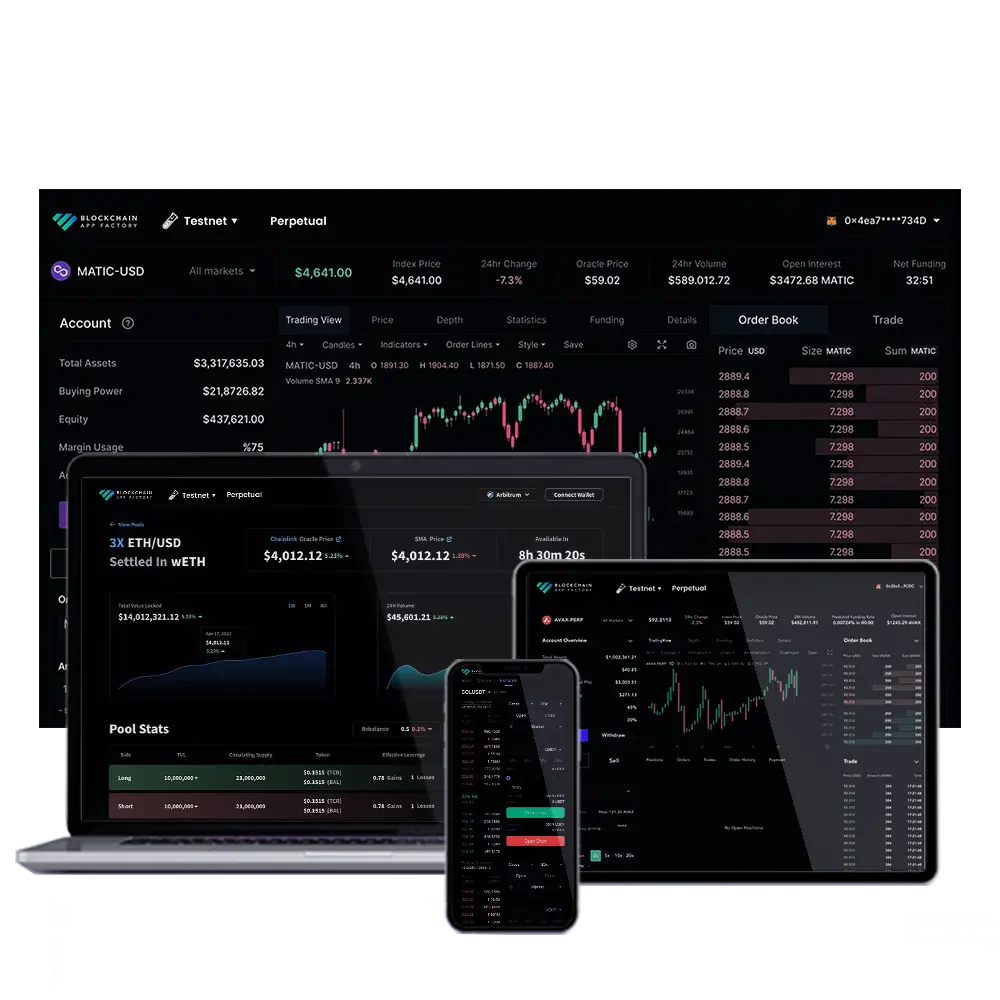
Use a reputable wallet interface to connect to the perpetual DEX. Verify the contract address through official sources to avoid phishing sites, as synthetic equity protocols rely on complex oracle integrations that can be targeted by attackers.

Choose your desired equity proxy, such as a synthetic TSLA or AAPL position. Review the funding rate and liquidity depth; thin markets can lead to significant slippage or unfavorable pricing during high volatility.

Define your leverage ratio carefully. Synthetic stocks often feature higher volatility than their traditional counterparts. Set a strict stop-loss order immediately to limit downside, as liquidation can occur rapidly if the oracle price deviates sharply.
No comments yet. Be the first to share your thoughts!