
What hybrid perpetuals mean for 2026
Hybrid perpetuals represent the convergence of decentralized finance with traditional equity structures. Unlike traditional futures, which are often settled in cash against an index, or standard crypto derivatives that track native tokens, these instruments allow traders to gain exposure to real-world assets (RWAs) using perpetual swap mechanics. This architecture bridges the gap between the 24/7 liquidity of crypto markets and the underlying asset exposure of traditional equities, all settled on-chain.
The core innovation lies in the synthetic representation of equity. Instead of holding the underlying stock, which requires custodial intermediaries and is subject to market hours, traders hold a tokenized derivative. This derivative tracks the price movement of the asset while maintaining the leverage and settlement features inherent to perpetual contracts. For 2026, this means institutional capital can flow into equity markets through decentralized exchanges (DEXs) without exposing the principal to centralized counterparty risk.
This shift redefines market access. Traders no longer need to rely on the fragmented landscape of prime brokers and clearinghouses. Instead, they interact with smart contracts that automate margin management, funding rate adjustments, and liquidation protocols. The result is a more efficient capital stack where equity exposure is as liquid and programmable as any major cryptocurrency.
The implications for portfolio construction are significant. By removing the friction of traditional settlement cycles (T+2), these instruments allow for faster rebalancing and more sophisticated hedging strategies. As regulatory frameworks evolve, the distinction between "crypto" and "traditional" finance continues to blur, with hybrid perpetuals serving as the primary conduit for this integration.
How cross-asset DEX platforms work
Cross-asset decentralized exchanges (DEX) function as unified liquidity layers, allowing traders to access perpetual contracts on diverse asset classes—from Bitcoin to tokenized equities—within a single protocol. Unlike traditional crypto DEXs that are limited to native digital assets, these hybrid platforms bridge the gap between decentralized finance (DeFi) and real-world assets (RWA) through a combination of on-chain smart contracts, off-chain oracle feeds, and synthetic issuance mechanisms.
The core mechanism relies on oracle networks to provide real-time price data for off-chain assets. For a crypto asset like BTC, the price is derived from aggregated spot prices across major centralized and decentralized exchanges. For a tokenized equity like Apple Inc. (AAPL), oracles pull data from financial data providers, often with a slight latency buffer to account for traditional market hours and settlement cycles. This price feed is the single source of truth for the smart contract, determining the mark price used to calculate unrealized PnL and trigger liquidations.
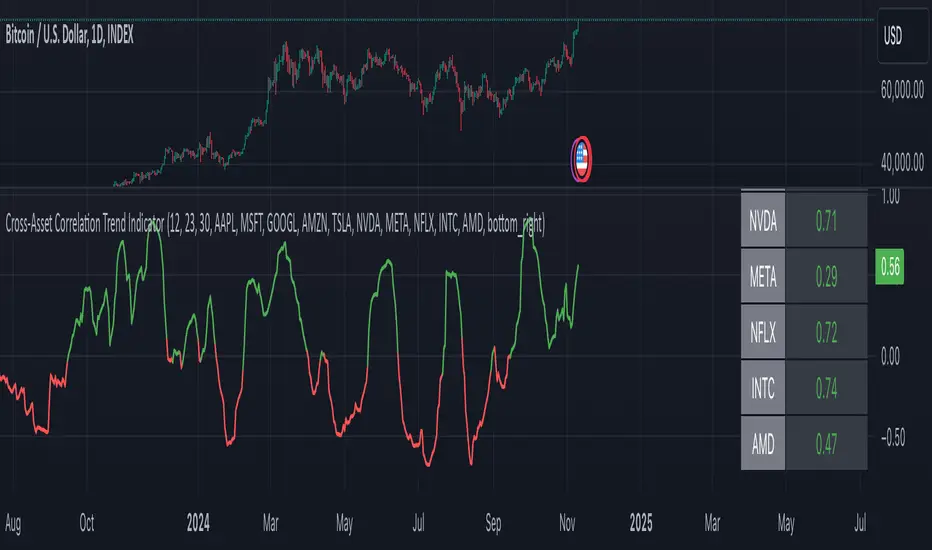
To illustrate the difference in market dynamics, consider the price action and funding rates of a crypto perpetual versus a synthetic equity perpetual. Crypto markets operate 24/7, leading to continuous price discovery and frequent funding rate adjustments. Equity perps, however, often mirror traditional market hours, resulting in distinct volatility patterns and funding behaviors. The following chart compares the technical structure of a crypto perpetual against a synthetic equity counterpart, highlighting how volatility and liquidity depth differ across asset types.
The smart contract acts as the central clearinghouse. When a user opens a position, the contract locks the required margin in the native protocol token or stablecoin. The protocol then hedges this exposure off-chain or relies on the liquidity pool's depth to absorb the counterparty risk. This architecture allows a single platform to offer fractional ownership and leveraged exposure to assets that do not exist natively on the blockchain, effectively tokenizing the traditional derivative market.
Top hybrid DEX platforms for 2026
The hybrid perpetuals market has consolidated around a few key protocols that bridge decentralized liquidity with centralized exchange execution speed. These platforms offer the liquidity depth of traditional markets while maintaining the non-custodial security of on-chain settlement. The following analysis compares the leading options based on fee structures, asset variety, and security audits.
| Platform | Maker/Taker Fees | Top Assets | Audit Status |
|---|---|---|---|
| Hyperliquid | 0.05% / 0.05% | BTC, ETH, SOL, HYPE | Open-source, on-chain audit |
| Aerodrome (v2 Perps) | Variable (ve3/3) | ETH, USDC, wstETH | Solidly-derived, verified |
| GMX v2 | 0.1% / 0.01% | ETH, ARB, GMBX | Multiple audits, live since 2023 |
| Maverick (Perps) | 0.08% / 0.05% | ETH, USDT, BTC | Certik audit, bug bounty |
Liquidity concentration is the primary differentiator. Hyperliquid dominates in volume for major caps like Bitcoin and Ethereum, offering sub-second order book updates that mimic centralized exchange experiences. GMX v2 remains the standard for spot-backed perpetuals, providing transparent undercollateralization models that appeal to risk-averse traders.
Asset variety has expanded beyond the "big two" cryptocurrencies. Platforms like Maverick and Aerodrome now support stablecoin pairs and wrapped assets, allowing for diversified hedging strategies without leaving the DeFi ecosystem. However, liquidity depth for altcoins remains significantly lower than for ETH and BTC pairs.
Security audits are non-negotiable in this space. All listed platforms have undergone third-party smart contract audits, with Hyperliquid and GMX maintaining the longest track records of live operation. Traders should verify the specific version of the protocol being used, as upgrades can introduce new vulnerabilities.

The choice of platform often depends on the trader's priority: speed and depth (Hyperliquid), transparency and collateralization (GMX), or yield optimization (Aerodrome). As the hybrid model matures, fee competition will likely drive further innovation in user experience and capital efficiency.
Risks and regulatory considerations
Trading equity derivatives on decentralized exchanges introduces a layer of complexity that traditional finance has largely managed through centralized intermediaries. The rise of hybrid perpetuals offers liquidity, but it shifts significant risk onto the trader. Understanding these risks is not optional; it is a prerequisite for participation in this market.
Regulatory uncertainty
The regulatory landscape for crypto-derivatives is fragmented and evolving. In the United States, the Commodity Futures Trading Commission (CFTC) and the Securities and Exchange Commission (SEC) have overlapping jurisdictions, creating ambiguity for platforms offering cross-asset trading. Many DEXs operate in legal grey areas, particularly when they facilitate trading for US persons without proper registration. This uncertainty means that a platform operational today could face enforcement actions tomorrow, potentially freezing assets or restricting access. Traders must assume that regulatory crackdowns are a persistent threat, not a distant possibility.
Smart contract and oracle risks
Unlike centralized exchanges, DEXs rely entirely on code. A vulnerability in the smart contract governing the perpetual swap or the oracle feeding price data can lead to total loss of funds. Hybrid models often depend on external data feeds to determine mark prices and trigger liquidations. If an oracle is manipulated or fails, the contract may execute trades at incorrect prices or fail to liquidate underleveraged positions, exposing the protocol and its users to insolvency. Users should verify that the oracle providers are decentralized and have a history of resistance to manipulation.
Pre-trade checklist
Before executing a trade on a hybrid perpetual DEX, verify the following:
- Jurisdiction restrictions: Ensure the platform does not block your region and that you are compliant with local securities laws.
- Oracle integrity: Check if the price feed relies on a single source or a decentralized network. Single sources are high-risk.
- Audit status: Confirm that the smart contracts have been audited by reputable firms and that any identified vulnerabilities have been patched.
- Liquidity depth: Assess the pool size to ensure you can enter and exit positions without significant slippage.
Getting started with on-chain equity derivatives
Setting up a position in hybrid perpetual futures requires bridging traditional wallet infrastructure with decentralized exchange protocols. Unlike centralized equity platforms, these on-chain markets rely on smart contract interactions and native asset collateral. The process involves three distinct phases: wallet configuration, capital deployment, and order execution.
Install a non-custodial wallet extension such as MetaMask or Rabby. Ensure the wallet is connected to the specific blockchain network hosting the hybrid perpetual protocol (e.g., Ethereum L2, Solana, or a dedicated rollup). Verify network compatibility before proceeding, as mismatched networks will prevent contract interaction.
Hybrid perpetuals typically require overcollateralization using liquid assets. Transfer stablecoins (USDC, USDT) or major cryptocurrencies (ETH, BTC) into your wallet. Check the protocol’s specific collateral matrix to ensure your assets are accepted as margin. Insufficient funds or unsupported assets will block position opening.

Access the protocol’s trading interface and connect your wallet. Select the equity derivative pair (e.g., NASDAQ:AAPL or S&P 500 index). Input your desired position size, leverage ratio, and order type (limit or market). Review the funding rate and liquidation price before confirming the transaction in your wallet. The smart contract will lock your collateral and mint the perpetual position.
Frequently asked questions about hybrid perpetuals
Are hybrid perpetuals regulated? Most hybrid perpetual DEXs operate in a regulatory grey area. While some platforms implement KYC/AML checks to comply with specific jurisdictions, many decentralized protocols remain unregulated in key markets like the US. Traders must verify the legal status of the specific protocol and their own jurisdiction, as enforcement actions can change the accessibility of these platforms.
How is the underlying equity price determined? Prices are derived from trusted, live market data feeds provided by decentralized oracle networks. These oracles aggregate real-time quotes from major centralized exchanges and liquidity providers to ensure the perpetual contract price tracks the spot market accurately, minimizing the risk of price manipulation.
Can I trade stocks on a DEX? Yes. Hybrid perpetuals allow you to trade synthetic exposure to public equities on a decentralized exchange. You do not take custody of the actual shares; instead, you trade a tokenized derivative that mirrors the asset's price movement, allowing for 24/7 trading and leverage without traditional brokerage accounts.
Helpful gear
Use these product recommendations as a starting point, then choose the size, material, and price point that fit how you actually use the gear.


As an Amazon Associate, we may earn from qualifying purchases.
No comments yet. Be the first to share your thoughts!