
What are perpetual stock futures?
Perpetual stock futures (stock perps) are synthetic derivatives that track the price of publicly listed equities without the expiration dates found in traditional futures contracts. Unlike standard equity options or futures, these contracts do not have a set maturity date, allowing traders to hold positions indefinitely as long as they maintain sufficient margin.
The mechanism that makes this possible is the funding rate. This periodic payment between long and short positions keeps the perpetual contract's price tethered to the underlying asset's spot price. If the perpetual contract trades above the spot price, longs pay shorts; if it trades below, shorts pay longs. This continuous rebalancing eliminates the need for a final settlement date.
This structure creates a hybrid instrument. You gain the leverage and short-selling capabilities typical of crypto derivatives, while tracking the price action of traditional equities like Apple or Tesla. However, because you do not own the underlying stock, you do not receive dividends or have voting rights at shareholder meetings. The funding rate effectively replaces the cost of carry associated with traditional futures.
Choose a compliant DEX for equity perps
Selecting the right platform is the foundation of safe trading. You need a decentralized exchange that actually supports stock perpetuals and operates within clear regulatory boundaries. In 2026, the landscape is split between platforms that ignore jurisdiction and those that enforce strict KYC and geo-blocking. Ignoring this distinction risks account freezes or loss of funds.
Prioritize liquidity depth alongside compliance. A compliant DEX with thin order books will result in high slippage, eroding your profits before you even enter a position. Look for platforms that publish real-time volume data and maintain deep USDC liquidity pools for major equity tickers like AAPL or TSLA. This ensures you can enter and exit positions at predictable prices.
Use the comparison below to evaluate the top contenders. Focus on fee structures, supported equity tickers, and explicit jurisdictional restrictions.
| Platform | Maker/Taker Fees | Major Equity Tickers | Jurisdictional Restrictions |
|---|---|---|---|
| dYdX | 0.05% / 0.07% | AAPL, TSLA, NVDA | US users blocked |
| Hyperliquid | 0.02% / 0.05% | AAPL, AMZN, MSFT | US users blocked |
| GMX | 0.10% / 0.05% | Limited equity selection | Global access, KYC varies |
| BFX | 0.02% / 0.06% | Broad equity range | KYC required globally |
Once you have narrowed your choice, verify the platform’s current status. Regulatory shifts happen quickly, and a platform that was compliant last year may have changed its terms. Always check the official help documentation or legal pages before depositing significant capital.
Set up your wallet and verify identity
Before you can trade perpetual stocks crypto on a decentralized exchange, you must prepare the technical infrastructure. This involves connecting a self-custody wallet and completing any required identity checks. Unlike centralized exchanges, DEXs often operate in a hybrid space where regulatory compliance intersects with non-custodial access.
1. Install and secure a Web3 wallet
Start by installing a reputable browser extension or mobile wallet such as MetaMask, Rabby, or Phantom. These tools generate your private keys locally, giving you direct control over your assets. During setup, write down your seed phrase on paper and store it offline. Never digitize this phrase or share it with anyone. This phrase is the only backup to your funds; losing it means losing access permanently.
2. Fund your wallet with stablecoins
Perpetual stock contracts are typically settled in stablecoins like USDC or USDT. Transfer these assets from a centralized exchange or another wallet into your new Web3 wallet. Ensure you are sending them on the correct blockchain network supported by your target DEX. Sending funds on the wrong network can result in permanent loss. Verify the receiving address carefully before confirming the transaction.
3. Connect to the DEX interface
Navigate to the decentralized exchange’s official website. Click the "Connect Wallet" button, usually located in the top-right corner. Select your wallet provider from the list and approve the connection request in your wallet popup. This action grants the DEX permission to view your public address balance but does not allow it to move funds without your explicit signature. Always verify the URL to avoid phishing sites.
4. Complete identity verification (KYC)
Many decentralized exchanges now require Know Your Customer (KYC) verification to offer equity derivatives, such as perpetual stocks. This process involves uploading a government-issued ID and completing a facial recognition scan. While this reduces the anonymity of DeFi, it is often mandatory for accessing regulated financial products. Check the DEX’s help center for specific requirements, as some platforms may offer limited functionality without verification.
5. Enable two-factor authentication
If the DEX provides a web account linked to your wallet, enable two-factor authentication (2FA) immediately. Use an authenticator app like Google Authenticator or Authy rather than SMS, which is vulnerable to SIM swapping. This adds a critical layer of security to your account settings, protecting against unauthorized access even if your email or wallet connection is compromised.
Fund your account with USDC
To trade perpetual stocks crypto on decentralized exchanges, you must first deposit collateral. Most platforms require USDC (USD Coin) as the primary margin asset. Unlike traditional brokers that hold fiat currency, DEXs operate on-chain, meaning you need a compatible crypto wallet and sufficient USDC balance to initiate positions.
Choose your margin mode
Before depositing, decide between isolated and cross-margin modes. This choice dictates how your collateral is allocated and managed during the trade.
Isolated margin assigns a specific amount of USDC to each individual position. If a trade moves against you, only that allocated portion is at risk. Your remaining wallet balance stays untouched. This mode offers precise risk control, capping losses to the funds you explicitly dedicated to that specific trade.
Cross-margin shares your entire wallet balance across all open positions. While this reduces the likelihood of liquidation by using all available funds as buffer, it also exposes your full balance to market volatility. A single adverse move in one position can drain funds from others, potentially wiping out your entire margin account.
Deposit and verify
Once you have selected your margin mode, transfer the required USDC amount from your external wallet to the DEX’s margin account. Ensure you are using the correct network (e.g., Ethereum, Arbitrum, or Optimism) to avoid loss of funds. After the transaction is confirmed on-chain, the DEX will reflect the updated balance, allowing you to open your first perpetual stock position.
Execute your first long or short trade
Placing a trade on a decentralized exchange for perpetual stocks crypto requires precision. Unlike traditional markets, these derivatives settle in stablecoins like USDC and track equity prices without an expiry date. Your first order sets the tone for how you manage risk, so take time to configure the interface correctly.
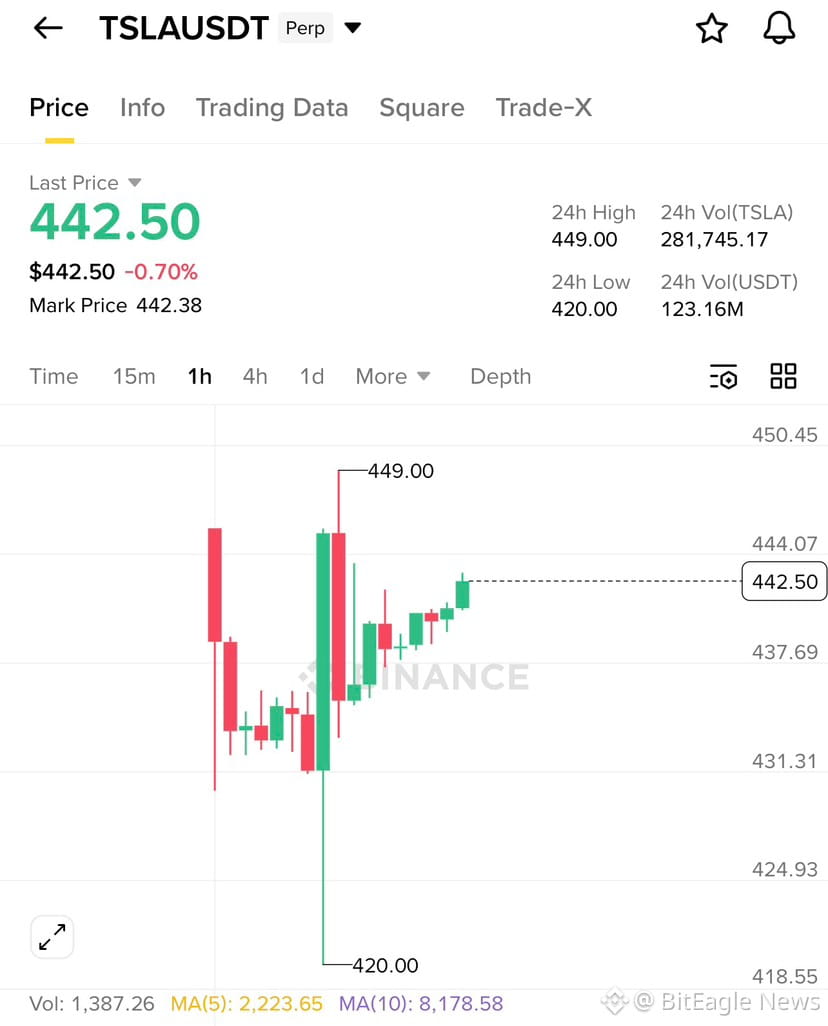
Search for the specific equity you want to trade, such as TSLA or AAPL. Ensure you are selecting the perpetual futures contract rather than a spot market option. Verify the settlement currency is USDC to avoid unexpected exchange rate friction during execution.
Leverage amplifies both gains and losses. Start with a low ratio, such as 2x or 3x, to understand how margin requirements work. Higher leverage increases the likelihood of liquidation if the market moves against your position. Check the minimum margin requirement displayed by the interface before proceeding.

Decide between a limit order or a market order. A limit order lets you set a specific entry price, while a market order executes immediately at the current best available price. Select "Long" if you believe the stock price will rise, or "Short" if you expect it to fall. This direction determines whether you profit from upward or downward price movement.

Slippage is the difference between the expected price of a trade and the price at which the trade is executed. In volatile equity perps, this can be significant. Review the estimated slippage percentage before confirming. If the slippage is too high, consider using a limit order instead to protect your entry price.

Once the order is filled, check your open positions dashboard. Ensure the margin balance is sufficient to cover potential losses. Set stop-loss and take-profit orders immediately to define your exit strategy. This step is critical for protecting your capital in the decentralized perpetual stocks crypto market.
The interface may look different depending on the DEX you use, but the core mechanics remain the same. Always double-check the contract details before signing the transaction. A small mistake in leverage or direction can lead to significant financial loss.
Manage risk and close positions
Trading perpetual stocks crypto carries inherent liquidation risks that traditional equity markets do not. Unlike standard stock holdings, perpetual contracts require active management to prevent forced closures. You must treat risk management as a continuous process, not a one-time setup.
Before entering a position, define your exit point. Stop-loss orders automatically close your trade if the price moves against you beyond a specific threshold. This prevents emotional decision-making during volatile market swings. Place stops below support levels for long positions and above resistance for shorts. Avoid setting stops too tight, as normal market noise can trigger premature exits.
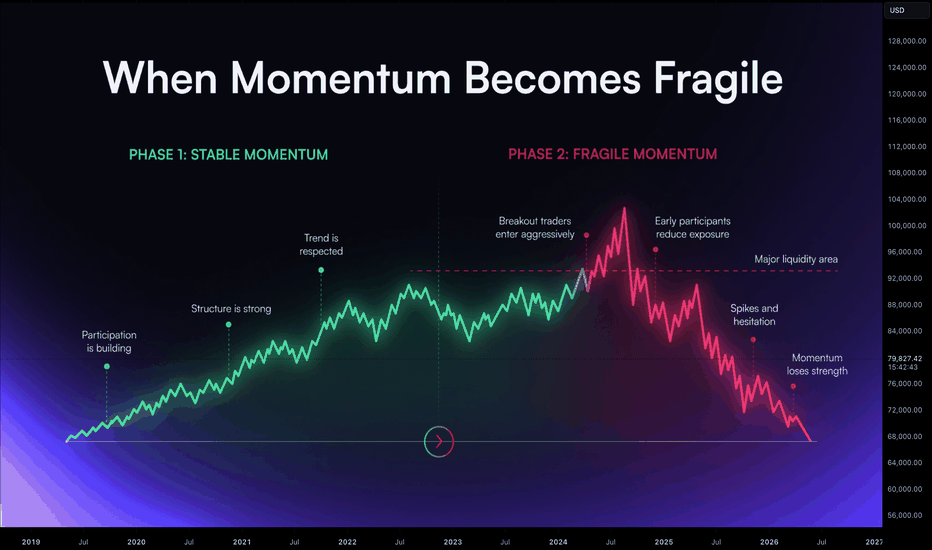
Perpetual contracts use funding rates to keep the market price close to the underlying asset. These payments occur between long and short traders at regular intervals. If the funding rate is positive, longs pay shorts; if negative, shorts pay longs. High funding rates can erode profits over time, especially in leveraged positions. Check the current rate before opening or holding a position to avoid unexpected costs.
Liquidation occurs when your margin balance falls below the maintenance requirement. To avoid this, monitor your account equity relative to your position size. If the market moves sharply, consider closing part or all of the position before hitting the liquidation price. Never rely on the exchange’s automatic liquidation engine to protect your capital. Proactive closure preserves remaining funds and allows for re-entry at better levels.
No comments yet. Be the first to share your thoughts!