
What perpetual stocks crypto actually are
Perpetual stocks crypto are synthetic derivatives that track the price of real-world equity shares, such as Apple (AAPL) or Tesla (TSLA), without granting the trader ownership of the underlying company. Unlike traditional equity futures, which have fixed expiration dates, these contracts have no expiry. This structure allows traders to hold long or short positions indefinitely, provided they can maintain the required margin.
The mechanism that makes this possible is the funding rate. As noted in structural analyses by TD Securities, funding rates act as a tether, periodically transferring value between long and short positions to keep the contract price aligned with the spot market. If the perpetual contract trades at a premium to the actual stock price, longs pay shorts; if it trades at a discount, shorts pay longs. This continuous adjustment replaces the need for a settlement date.
This asset class sits in a regulatory gray area. While centralized exchanges (CEXs) often operate under specific financial licenses to offer these products, decentralized exchanges (DEXs) typically rely on smart contracts that may not comply with traditional securities laws. Consequently, traders are engaging with a niche market that offers 24/7 liquidity and leverage but lacks the investor protections of regulated stock markets.
Centralized exchanges for equity perps
Centralized exchanges (CEXs) dominate the current landscape for perpetual stock trading by offering the infrastructure, liquidity, and regulatory frameworks that decentralized platforms lack. For traders seeking to access equity pairs like TSLA or AAPL, CEXs provide a familiar interface that mirrors traditional brokerage experiences, lowering the barrier to entry for those new to crypto derivatives.
The primary advantage of CEXs lies in their fiat on-ramps. Unlike decentralized exchanges (DEXs), which require users to bridge assets and perform stablecoin swaps, CEXs allow direct deposits via bank transfer or credit card. This seamless integration of traditional finance (TradFi) and crypto enables traders to move capital quickly, a critical factor in the high-volatility environment of perpetual futures.
Regulatory compliance further distinguishes CEXs. As noted by TD Securities, centralized platforms are better positioned to manage the legal complexities surrounding on-chain equity derivatives. By enforcing know-your-customer (KYC) and anti-money laundering (AML) protocols, CEXs offer a layer of institutional oversight that many risk-averse investors prefer. This structure reduces counterparty risk compared to unregulated DEXs, where smart contract vulnerabilities or insolvency can lead to total loss of funds.
While DEXs offer censorship resistance, CEXs provide stability and support. The ability to resolve disputes, access customer service, and rely on established custodial solutions makes them the pragmatic choice for most equity perp traders in 2026.

Decentralized exchanges for equity perps
Decentralized exchanges (DEXs) offer a self-custodial alternative to centralized platforms for trading perpetual contracts on tokenized equities. Instead of relying on a single custodian to hold funds and match orders, DEXs execute trades through smart contracts on public blockchains. This architecture allows traders to maintain direct control over their assets, reducing counterparty risk associated with exchange insolvencies. However, this shift places the burden of security and capital management squarely on the user.
The mechanics of equity perps on DEXs differ fundamentally from traditional CEX models. As noted by TD Securities, perpetual futures rely on funding rates to keep the contract price aligned with the underlying spot market, eliminating the need for an expiration date. On-chain, this mechanism is automated via oracle price feeds and liquidation engines. When a trader’s position moves against them, the smart contract automatically liquidates the collateral to protect the protocol’s solvency. This process happens in real-time, often within seconds, without human intervention or the grace periods sometimes offered by centralized brokers.
The regulatory landscape for on-chain equity derivatives remains a gray area. While platforms like Robinhood have expanded into this space, the underlying smart contracts operate across borders, often outside the jurisdiction of traditional financial regulators. This creates a unique risk profile: while you avoid the risk of a centralized exchange freezing withdrawals, you are exposed to smart contract vulnerabilities, oracle manipulation, and the potential for total loss if the liquidation engine fails or if the underlying tokenized equity contract is deemed non-compliant by your local authorities.
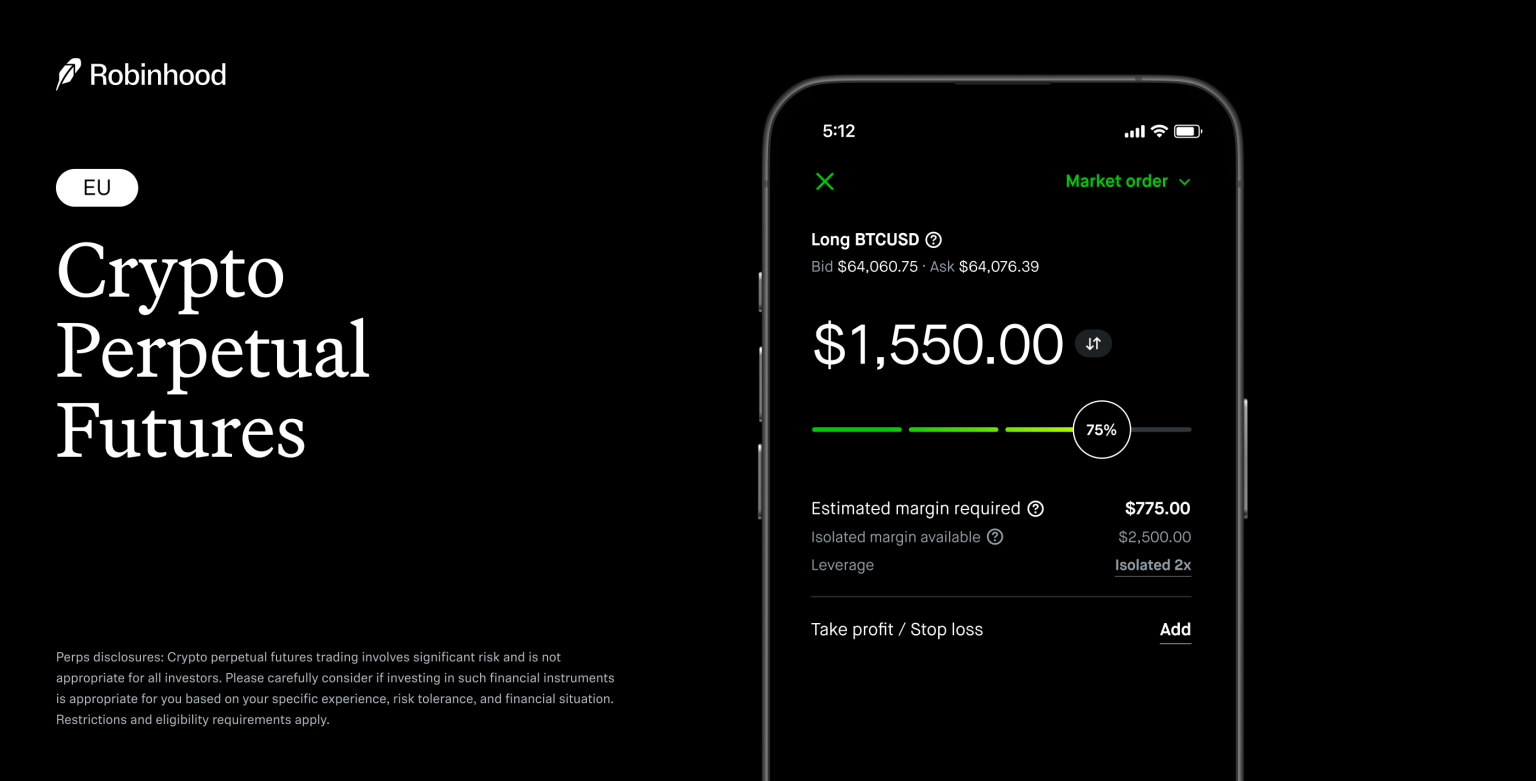
DEX versus CEX comparison table
Choosing between a centralized exchange (CEX) and a decentralized exchange (DEX) for perpetual stock trading involves weighing operational convenience against structural control. The mechanical differences dictate how you manage risk, fees, and access to equity pairs like TSLA or AAPL.
CEXs offer a familiar interface with customer support and fiat on-ramps, but they require trusting a third party with custody of your assets. DEXs operate via smart contracts, removing the intermediary but shifting security responsibility to the code. This distinction is critical for high-stakes trading where counterparty risk or smart contract vulnerabilities can lead to significant losses.
The following table outlines the primary structural differences between the two models.
| Feature | Centralized Exchange (CEX) | Decentralized Exchange (DEX) |
|---|
The core distinction lies in who holds the risk. CEXs manage the counterparty risk for you, but you trust their solvency. DEXs put the technical risk in your hands, requiring you to verify oracle health and liquidity depth before every trade.
Frequently Asked Questions About Perpetual Stocks
Perpetual stock contracts are synthetic derivatives that replicate equity exposure without granting ownership of the underlying shares. Because these instruments exist in a regulatory gray area, understanding the mechanical differences between centralized and decentralized exchanges is essential for risk management.
The choice between DEX and CEX often comes down to custody and regulatory clarity. CEXs offer familiar interfaces and potential legal recourse, while DEXs provide non-custodial control but expose traders to smart contract and oracle risks.
No comments yet. Be the first to share your thoughts!