
The rise of on-chain stock leverage
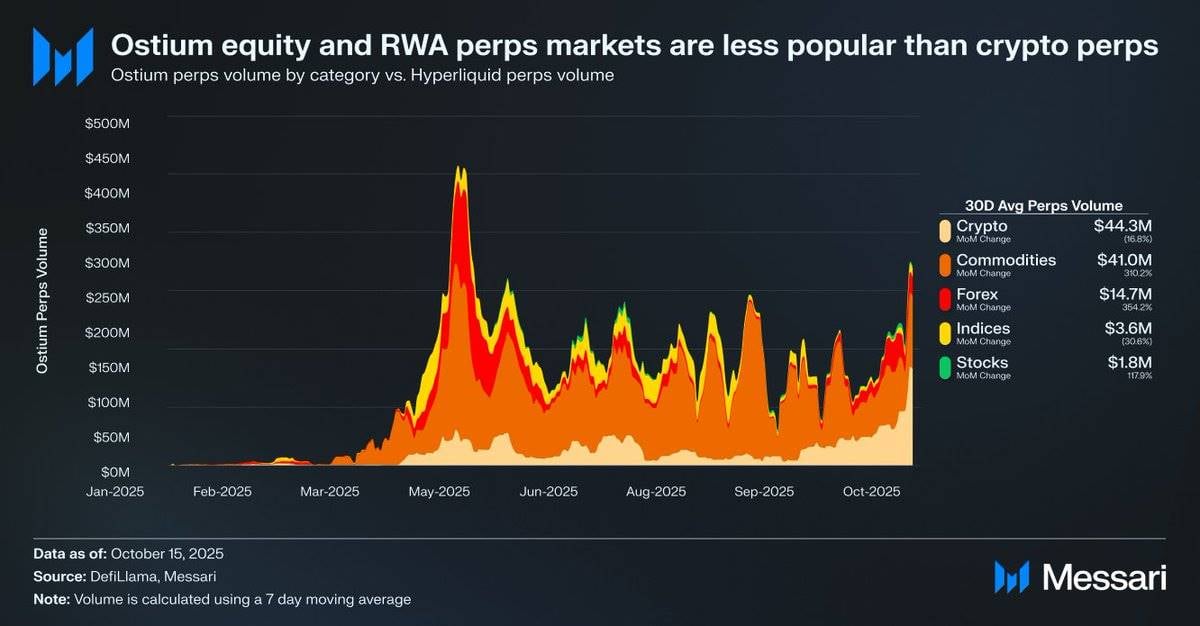
The landscape for decentralized leverage shifted significantly in 2025, marked by the rapid expansion of on-chain perpetual exchanges (Perp DEXes). Platforms like Hyperliquid drove a surge in activity, pushing the ratio of Perp DEX volume to centralized exchange (CEX) volume to a peak of 13% in November 2025 [src-serp-1]. This growth was largely fueled by the introduction of synthetic stock assets, allowing traders to gain exposure to traditional equity markets without leaving the blockchain.
However, the market has since corrected. According to DefiLlama data, on-chain perp DEX volumes fell to $699 billion in March 2026, down from an October 2025 peak of $1.36 trillion [src-serp-3]. This five-month decline reflects a broader cooling in speculative activity, yet it underscores the structural shift toward non-custodial trading. Users now retain full control of their funds via wallets, a critical distinction from traditional centralized platforms where counterparty risk remains a primary concern.
The current environment requires a cautious approach. While the infrastructure for on-chain stock leverage is more mature than ever, the volatility in trading volumes highlights the speculative nature of these assets. Traders must weigh the benefits of decentralized custody against the liquidity risks inherent in smaller market segments.
How perp DEX stocks differ from CEXs
The fundamental distinction between centralized exchanges (CEXs) and perpetual decentralized exchanges (Perp DEXs) lies in custody and counterparty exposure. When trading synthetic stock leverage on a CEX, you are effectively lending your capital to the exchange. The platform holds your private keys and manages the order book internally, creating a single point of failure. If the CEX faces insolvency or regulatory seizure, your funds are frozen or lost, as seen in the collapses of major centralized platforms.
Perp DEXs operate differently by utilizing smart contracts to manage positions. You retain control of your assets in your own non-custodial wallet throughout the trading process. Instead of an internal order book, many Perp DEXs use automated market makers (AMMs) or oracle-based pricing mechanisms to determine fair value and settle trades. This structure removes the need to trust a central entity with your capital, shifting the risk from corporate solvency to code reliability.
Regulatory compliance also varies significantly. CEXs typically require Know Your Customer (KYC) verification, linking your identity to your trading activity. Perp DEXs are generally permissionless and anonymous, allowing anyone with a web3 wallet to trade without providing personal data. However, this anonymity comes with the responsibility of self-custody; if you lose your seed phrase or interact with a malicious contract, there is no customer support to recover your funds.
The table below compares the core mechanical differences across custody, leverage, and settlement.
| Feature | Centralized Exchange (CEX) | Perpetual DEX |
|---|---|---|
| Custody | Non-custodial (Exchange holds funds) | Self-custodial (User holds funds in wallet) |
| Counterparty Risk | High (Platform insolvency risk) | Low (Smart contract code risk) |
| Leverage Limits | Usually capped (e.g., 10x-125x) | Often higher (up to 50x-100x+) |
| KYC/Identity | Required | Not required (Permissionless) |
| Settlement | Internal ledger (Off-chain) | On-chain (Blockchain confirmed) |
Leading platforms for synthetic assets
Use this section to make the Perp DEX Stocks decision easier to compare in real life, not just on paper. Start with the reader's actual constraint, then separate must-have requirements from details that are merely nice to have. A practical choice should survive normal use, maintenance, timing, and budget. If a recommendation only works in an ideal situation, call that out plainly and give the reader a fallback path.
The simplest way to use this section is to write down the must-have criteria first, then compare each option against those criteria before weighing nice-to-have features.
Regulatory risks in decentralized trading
Use this section to make the Perp DEX Stocks decision easier to compare in real life, not just on paper. Start with the reader's actual constraint, then separate must-have requirements from details that are merely nice to have. A practical choice should survive normal use, maintenance, timing, and budget. If a recommendation only works in an ideal situation, call that out plainly and give the reader a fallback path.
The simplest way to use this section is to write down the must-have criteria first, then compare each option against those criteria before weighing nice-to-have features.
Choosing the right perp DEX for stocks
Use this section to make the Perp DEX Stocks decision easier to compare in real life, not just on paper. Start with the reader's actual constraint, then separate must-have requirements from details that are merely nice to have. A practical choice should survive normal use, maintenance, timing, and budget. If a recommendation only works in an ideal situation, call that out plainly and give the reader a fallback path.
-
Verify the basicsConfirm the core specs, condition, and fit before comparing extras.
-
Price the downsideLook for the repair, maintenance, or replacement cost that would change the decision.
-
Compare alternativesCheck at least two comparable options before treating one listing as the benchmark.
Helpful gear
Use these product recommendations as a starting point, then choose the size, material, and price point that fit how you actually use the gear.


As an Amazon Associate, we may earn from qualifying purchases.
No comments yet. Be the first to share your thoughts!