
perp dexs 2026 at a glance
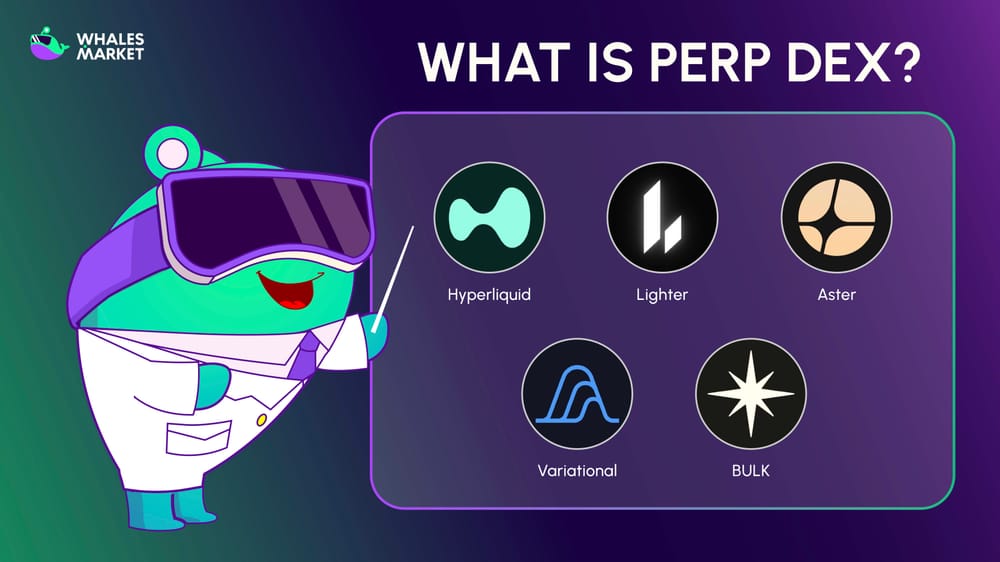
Perpetual DEXs have moved from speculative niche to a dominant force in crypto derivatives. The total trading volume for perpetual DEXs now exceeds $25.4 billion, reflecting a sustained 21% daily change that signals deep liquidity and active participation. This growth underscores the shift from traditional centralized exchanges toward on-chain leverage, where traders retain custody of their assets while accessing complex financial instruments.
Despite the volume surge, institutional adoption remains stalled. A recent Consensus panel highlighted that major investors are still largely absent from these platforms. Security risks and the friction of KYC (Know Your Customer) compliance are the primary barriers preventing traditional finance from fully integrating with decentralized perpetual futures.
For retail and pro traders, the appeal is clear: a non-expiring contract that tracks market prices through funding rates rather than settlement dates. However, the institutional hesitation serves as a reminder that while the technology has matured, the regulatory and trust frameworks are still catching up to the speed of innovation.
How perp DEXs differ from stock perps
The structural divide between decentralized perpetual futures and regulated stock contracts comes down to two things: who holds the collateral and how settlement happens. On-chain perp DEXs operate in a permissionless environment where the protocol’s smart contracts enforce the rules, while stock perpetuals rely on centralized exchanges and traditional clearinghouses to manage risk.
Collateral structure
In a perp DEX, every dollar of open interest must be backed by real capital directly on the blockchain. This collateral is typically held in the form of crypto assets—either from individual traders, liquidity providers, or the protocol itself. Because the collateral is visible and verifiable on-chain, the system relies on over-collateralization to absorb market volatility. In contrast, stock perpetuals use fiat currency and often allow for higher leverage ratios because the clearinghouse acts as the central counterparty, guaranteeing the trade and managing the credit risk between buyers and sellers.
Regulatory oversight and settlement
Regulatory frameworks create the most distinct operational difference. Stock perpetual contracts are heavily regulated by bodies like the CFTC or FCA, requiring strict KYC (Know Your Customer) and AML (Anti-Money Laundering) compliance. Settlement is centralized and often occurs T+1 or T+2. Perp DEXs, however, are generally permissionless and non-custodial. Users retain control of their private keys, and settlement happens automatically via smart contracts in near real-time. This removes the need for trusted intermediaries but shifts the responsibility for security and due diligence entirely to the user.
Top perp DEXs in 2026
Use this section to make the Perp DEXs decision easier to compare in real life, not just on paper. Start with the reader's actual constraint, then separate must-have requirements from details that are merely nice to have. A practical choice should survive normal use, maintenance, timing, and budget. If a recommendation only works in an ideal situation, call that out plainly and give the reader a fallback path.
The simplest way to use this section is to write down the must-have criteria first, then compare each option against those criteria before weighing nice-to-have features.
Regulation and security risks
Use this section to make the Perp DEXs decision easier to compare in real life, not just on paper. Start with the reader's actual constraint, then separate must-have requirements from details that are merely nice to have. A practical choice should survive normal use, maintenance, timing, and budget. If a recommendation only works in an ideal situation, call that out plainly and give the reader a fallback path.
The simplest way to use this section is to write down the must-have criteria first, then compare each option against those criteria before weighing nice-to-have features.
Choosing the right leverage path
Use this section to make the Perp DEXs decision easier to compare in real life, not just on paper. Start with the reader's actual constraint, then separate must-have requirements from details that are merely nice to have. A practical choice should survive normal use, maintenance, timing, and budget. If a recommendation only works in an ideal situation, call that out plainly and give the reader a fallback path.
-
Verify the basicsConfirm the core specs, condition, and fit before comparing extras.
-
Price the downsideLook for the repair, maintenance, or replacement cost that would change the decision.
-
Compare alternativesCheck at least two comparable options before treating one listing as the benchmark.
No comments yet. Be the first to share your thoughts!