
The perp DEX 2026 volume shift
The market structure for crypto derivatives has undergone a quiet but decisive transformation. Throughout 2025, decentralized exchanges (DEXs) steadily captured a larger slice of the perpetual futures pie, moving from a niche alternative to a primary trading venue for many participants. According to CoinGecko’s State of Crypto Perpetuals Report, the ratio of perp DEX to CEX trading volume climbed from just 3% in January to 13% by December. This trajectory signals a fundamental shift in trader preference, driven by the demand for better capital efficiency and on-chain transparency.
Zooming out further, data from CoinMonks indicates that by mid-2025, DEX perps accounted for approximately 20–26% of global perpetual volume, a stark increase from the low single digits recorded just two years prior. While the ratio has dipped slightly since the end of 2025, the structural adoption is evident. Traders are increasingly willing to accept the complexities of on-chain trading to avoid the custodial risks and opaque order books associated with centralized exchanges.
To visualize this ongoing transition, the chart below tracks the volume trends for Bitcoin perpetuals, reflecting the broader market dynamics where decentralized liquidity is challenging traditional dominance.
Hyperliquid vs Aster: The Leading Models
The perpetual DEX 2026 landscape is defined by two distinct approaches to liquidity and user incentives. Hyperliquid and Aster represent the current ceiling of on-chain trading, yet they solve the same problem through opposite mechanisms. Hyperliquid relies on a centralized order book architecture running on its own L1 to achieve speed, while Aster utilizes an automated market maker (AMM) model with concentrated liquidity to ensure capital efficiency.
Hyperliquid’s model prioritizes execution speed and depth. By operating as a high-performance L1 with a centralized order book, it mimics the experience of traditional CEXs but with on-chain settlement. This structure allows for massive liquidity aggregation and low slippage, making it the preferred venue for high-frequency traders and institutional volume. The trade-off is a more centralized security model, though the protocol has maintained a strong track record of uptime and security audits.
Aster, conversely, leans into the decentralized ethos of DeFi by using an AMM structure. This approach allows for continuous liquidity provision and aligns incentives through points farming and yield mechanisms. While it may not match Hyperliquid’s raw execution speed for large orders, Aster offers a more permissionless entry point for liquidity providers and traders who prioritize decentralized custody and composability within the broader DeFi ecosystem.
The choice between these two platforms often comes down to trader priority: execution quality and speed versus decentralized liquidity and yield generation. For the serious perp DEX 2026 participant, understanding these architectural differences is essential for managing risk and optimizing returns.
| Feature | Hyperliquid | Aster |
|---|---|---|
Perp DEX 2026: Crypto Perps vs. Stock CFDs
Trading perpetual contracts on crypto DEXs differs fundamentally from trading perpetual stock CFDs on centralized exchanges. The distinction lies not just in the asset class, but in the underlying mechanics of leverage, settlement, and market structure. Understanding these differences is essential for choosing the right vehicle for your risk profile in the perp DEX 2026 landscape.
Volatility and Risk Profiles
Crypto perpetuals are inherently more volatile than stock CFDs. Bitcoin and Ethereum can swing 5-10% in a single day, whereas major stock indices like the S&P 500 typically move less than 1-2% daily. This volatility creates higher profit potential but also amplifies the risk of liquidation. Stock CFDs offer a more stable, albeit slower, environment, often tied to regulated futures markets with circuit breakers.
Market Structure and Settlement
Crypto perp DEXs operate on-chain, using funding rates to peg the perpetual price to the spot market. These rates are paid directly between traders every eight hours, creating a continuous, transparent cost of carry. In contrast, stock CFDs are usually settled through centralized clearinghouses. The counterparty risk is higher in crypto DEXs if the protocol is compromised, but stock CFDs carry the risk of the broker's solvency and potential regulatory interference.
Which Asset Class Fits Your Strategy?
Choose crypto perps if you seek high volatility, 24/7 trading, and permissionless access to leverage. Choose stock CFDs if you prefer regulated markets, lower volatility, and exposure to traditional equity fundamentals. The choice depends on your tolerance for rapid price swings and your comfort with decentralized versus centralized counterparty risk.
Choosing a perp DEX 2026 platform
Selecting the right perp DEX 2026 platform requires matching your trading style to the specific strengths of each exchange. The market has split into distinct categories: high-performance Layer 1s built for speed, and modular solutions prioritizing capital efficiency. Your choice should depend on whether you prioritize low latency, deep liquidity, or cost-effective leverage.
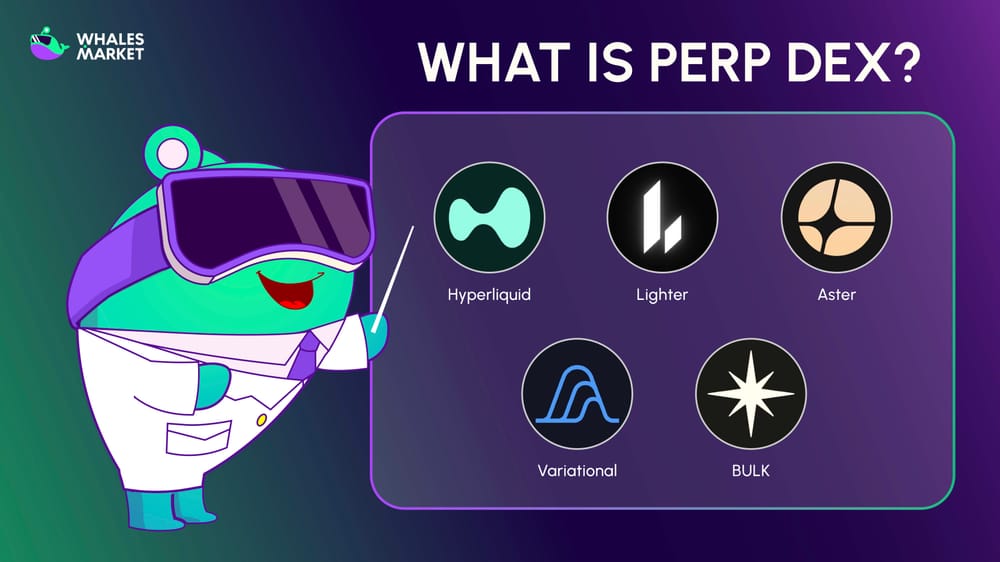
For high-frequency traders, execution speed is the primary constraint. Platforms like Hyperliquid use dedicated L1s to achieve sub-second finality, reducing slippage during volatile markets. If you trade scalping strategies or rely on technical indicators that require precise entry points, prioritize a platform with a proven track record of low latency and high uptime during peak volume.

Fee sensitivity varies by trader type. Market makers benefit from low maker fees, while directional traders often focus on taker costs and funding rate efficiency. Some platforms offer token incentives or fee discounts for holding native governance tokens. Calculate the total cost of carry, including funding rates, to determine which platform aligns with your holding period and trading volume.
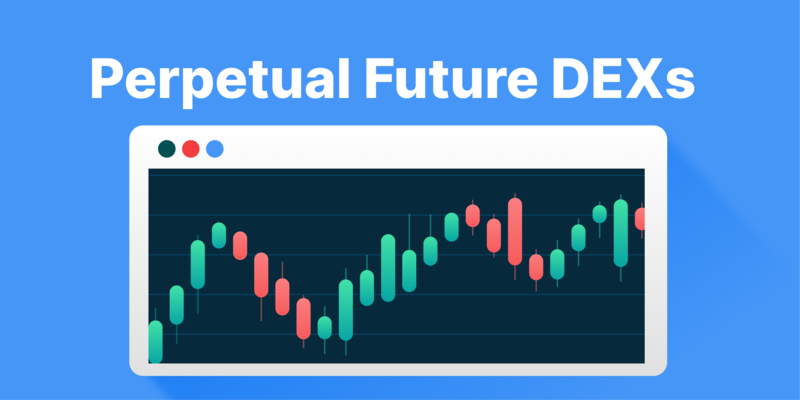
Liquidity determines how much capital you can deploy without significant price impact. Platforms with deeper order books and higher open interest can handle larger positions more efficiently. Look for metrics like total value locked (TVL) and 24-hour volume to gauge liquidity health. A platform with fragmented liquidity may offer lower fees but higher slippage on large orders.
Security is non-negotiable in perp DEX 2026. Verify that the platform has undergone multiple independent security audits from reputable firms. Check for a history of successful bug bounties and transparent incident response protocols. Platforms with a clean security record and active community governance are better positioned to handle the high-stakes nature of perpetual futures trading.
| Platform | Speed | Fees | Security |
|---|---|---|---|
| Hyperliquid | High | Competitive | Audited |
| Aster | Medium | Low | Audited |
| GMX | Medium | Low | Audited |
The decision ultimately hinges on your specific use case. High-frequency traders should prioritize speed and execution reliability, while long-term holders may focus on fee efficiency and capital preservation. Always verify current metrics directly on the platform before committing capital.
Market outlook for perp DEX 2026
The broader crypto environment for 2026 is shaping up to be highly selective. Prediction markets currently price Bitcoin at only a 17% chance of reclaiming the $100,000 level, while a 35% probability exists for it falling below $40,000. This cautious sentiment does not signal the end of trading; instead, it highlights a structural shift where traders are moving from centralized exchanges to decentralized platforms.
As capital becomes more risk-aware, the infrastructure supporting perpetual swaps is gaining ground. By mid-2025, DEX perps already captured 20–26% of global volume, up from low single digits just two years prior. This growth suggests that even in a volatile or sideways market, the demand for permissionless, non-custodial trading venues remains resilient.
"On the Polymarket prediction market platform, for example, Bitcoin has only a 17% chance of reclaiming the $100,000 price level in 2026. By comparison, it has a 35% chance of falling below $40,000."
This divergence between price prediction and volume growth underscores a key trend: traders are prioritizing control and transparency over speculative price targets. As the perp DEX 2026 landscape matures, platforms that offer superior liquidity and lower fees will likely capture the majority of this migrating volume.
No comments yet. Be the first to share your thoughts!