

The perpetual decentralized exchange (Perp DEX) landscape in 2024 is defined by rapid innovation, fierce competition, and a relentless focus on execution quality. While the rise of on-chain perpetuals has democratized access to leverage and hedging, the underlying execution models remain the key differentiator between market leaders. Four platforms provides Hyperliquid, Aster, dYdX, and Jupiter Perps: have emerged at the forefront, each deploying distinct architectures to address slippage, settlement speed, and capital efficiency for traders.
Aster vs. Hyperliquid: The Battle of Hybrid and Order Book Execution
Aster and Hyperliquid exemplify two divergent approaches in the quest for optimal perpetual trading. Aster perp DEX leverages a hybrid architecture that fuses Automated Market Maker (AMM) liquidity with an order book interface. This design delivers tighter spreads and reduced slippage, particularly during volatile periods, a critical advantage in fast-moving markets. By allowing liquidity providers to concentrate capital within price ranges while offering traders precision through limit orders, Aster achieves a balance between deep liquidity and execution flexibility.
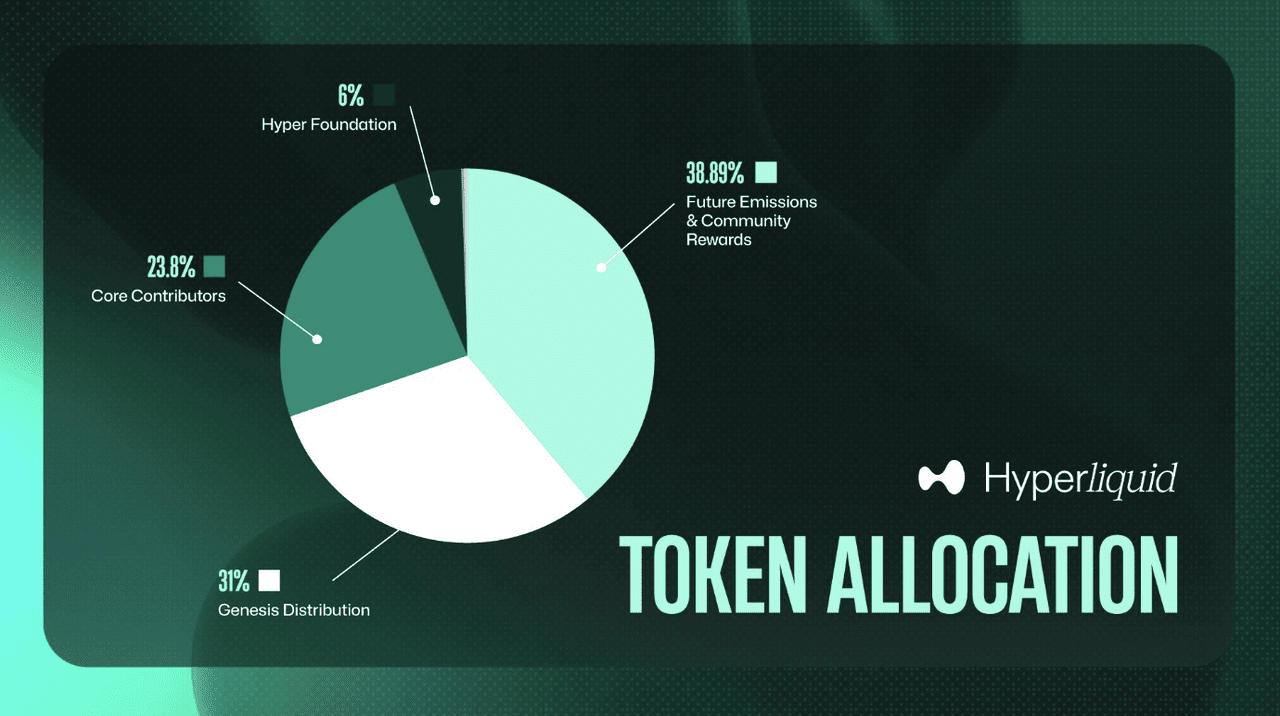
In contrast, Hyperliquid’s order book model is built atop its proprietary HyperEVM Layer-1 chain. This infrastructure supports sub-second finality and processes over 100,000 orders per second, rivaling centralized exchanges in latency and depth. The result is a robust environment for high-frequency strategies and institutional flows, evident in Hyperliquid’s dominant $200 billion September trading volume versus Aster’s $20 billion. For traders prioritizing low latency and granular order control, Hyperliquid remains a benchmark for performance-driven perp DEXs.
dYdX: Cosmos-Based Sovereignty Meets Layer-2 Efficiency
dYdX’s evolution into V4 marks another leap forward in decentralized derivatives trading. By migrating to its own Cosmos-based sovereign blockchain, dYdX offers 50x leverage across more than 220 markets while maintaining settlement speeds that rival those of centralized venues. Its use of StarkWare Layer-2 technology ensures low transaction fees without sacrificing composability or advanced order types, traits that have attracted both professional traders and DeFi-native participants.
The current price of dYdX stands at $0.3183, reflecting recent market consolidation but also highlighting the platform’s resilience amid sector volatility. As dYdX continues to iterate on its hybrid execution model, combining off-chain matching with on-chain settlement, it sets a standard for balancing decentralization with user experience.
Jupiter Perps: Router-Based Execution on Solana’s High-Speed Rails
Jupiter Perps brings a unique router-driven model to Solana’s thriving DeFi ecosystem. Rather than relying solely on traditional order books or AMMs, Jupiter aggregates liquidity from multiple sources, including native Solana pools, to deliver ultra-low slippage trades with up to 100x leverage on assets such as SOL and ETH. Oracle-based pricing ensures fair execution even during periods of network congestion or volatility.
This router-based approach not only optimizes trade routing but also integrates seamlessly with wallets and DeFi protocols across Solana, a key factor behind Jupiter’s surging adoption in 2024 as traders seek both speed and composability in their perpetual strategies.
dYdX (DYDX) Price Prediction 2026-2031
Professional outlook based on technical analysis, market trends, and evolving Perp DEX competition
| Year | Minimum Price | Average Price | Maximum Price | Year-over-Year % Change (Avg) | Market Scenario (Min/Max) |
|---|---|---|---|---|---|
| 2026 | $0.26 | $0.39 | $0.62 | +22% | Bearish: Regulatory crackdowns / Bullish: Layer-2 adoption |
| 2027 | $0.30 | $0.48 | $0.80 | +23% | Bearish: Perp DEX market saturation / Bullish: dYdX ecosystem expansion |
| 2028 | $0.36 | $0.58 | $1.05 | +21% | Bearish: Macro tightening / Bullish: Cross-chain integrations |
| 2029 | $0.41 | $0.70 | $1.32 | +21% | Bearish: Stagnant DeFi growth / Bullish: Institutional participation |
| 2030 | $0.47 | $0.83 | $1.65 | +19% | Bearish: Competition from new DEXs / Bullish: Regulatory clarity |
| 2031 | $0.53 | $0.97 | $2.05 | +17% | Bearish: Technology plateau / Bullish: Widespread perp adoption |
Price Prediction Summary
The dYdX (DYDX) token is expected to gradually appreciate over the next six years, with average prices rising from $0.39 in 2026 to $0.97 in 2031. While minimum price scenarios reflect ongoing market risks and regulatory headwinds, maximum price projections account for bullish outcomes such as broader DeFi adoption, successful technology upgrades, and favorable regulatory developments. dYdX's position as a leading Perp DEX, combined with its Cosmos-based chain and advanced trading features, should help it remain competitive even as the landscape evolves.
Key Factors Affecting dYdX Price
- Competition from Hyperliquid, Aster, Jupiter, and emerging Perp DEXs
- Ongoing adoption of decentralized derivatives and leverage trading
- dYdX's technology upgrades (Cosmos chain, Layer-2 integration)
- Regulatory clarity or crackdowns in major jurisdictions
- Market cycles and overall crypto sentiment
- Institutional participation and liquidity growth
- Integration with new blockchains or DeFi ecosystems
Disclaimer: Cryptocurrency price predictions are speculative and based on current market analysis. Actual prices may vary significantly due to market volatility, regulatory changes, and other factors. Always do your own research before making investment decisions.
Comparing Slippage and Settlement Speed Across Leading Perp DEXs
The differences in execution architecture directly impact two metrics critical for sophisticated traders: slippage and settlement speed. In head-to-head comparisons:
- Hyperliquid: Deepest liquidity pools; sub-second settlement; minimal slippage even at high volume.
- Aster: Hybrid model mitigates AMM-induced slippage while offering consistent execution during volatile swings.
- dYdX: Cosmos sovereignty plus Layer-2 rollups yields near-instant settlements; advanced order types improve fill quality.
- Jupiter Perps: Router aggregates best available prices across Solana DeFi; excels at minimizing slippage on large trades.
Key Differences in Execution Models of Top Perp DEXs
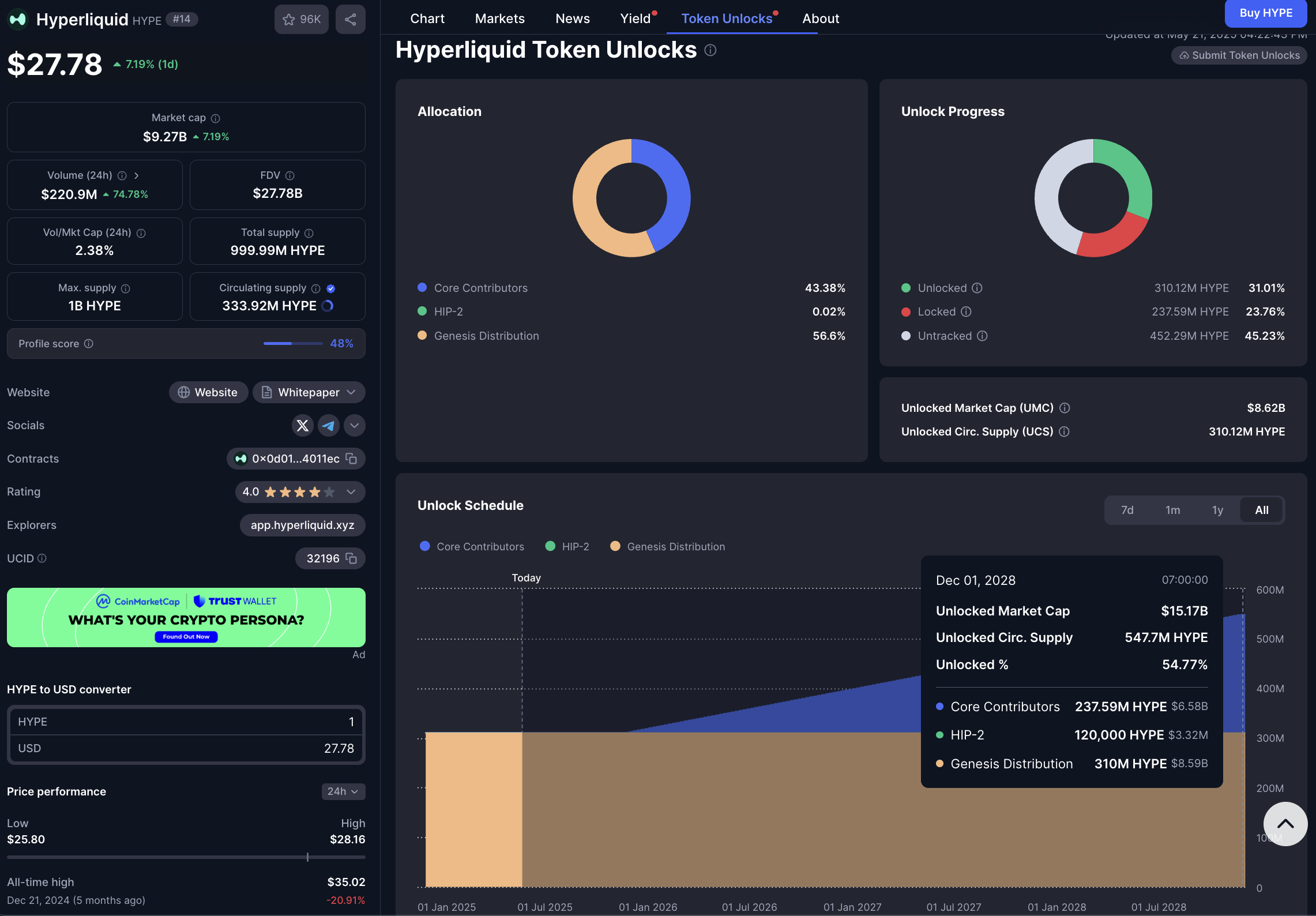
- Hyperliquid: Runs on a proprietary Layer-1 blockchain (HyperEVM) specifically optimized for derivatives trading. Its centralized order book model delivers sub-second finality and processes over 100,000 orders per second, supporting deep liquidity pools and attracting institutional traders.
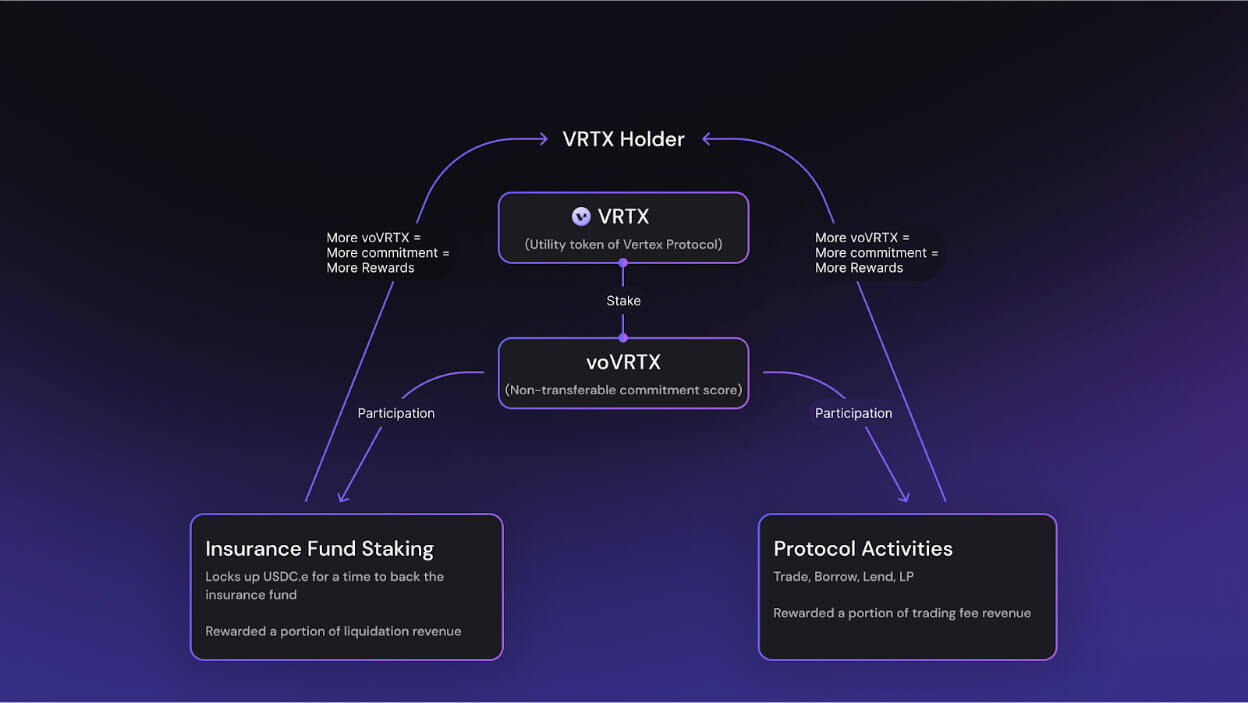
- Aster: Utilizes a hybrid execution model that combines AMM-based liquidity with order book precision. This approach maximizes capital efficiency, reduces slippage, and enables higher leverage, offering consistent liquidity for both retail and professional traders.
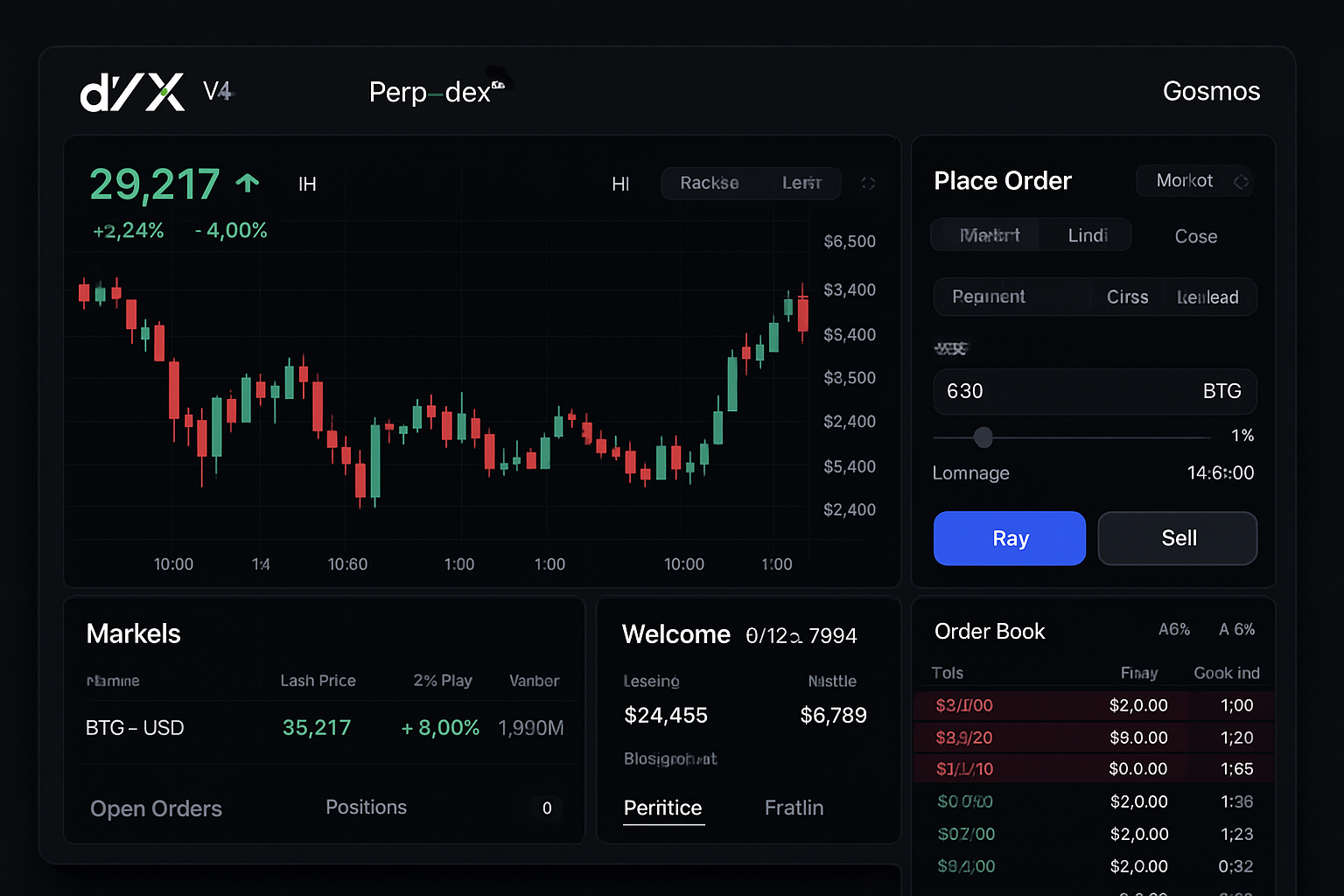
- dYdX: Migrated to a Cosmos-based sovereign chain, leveraging StarkWare Layer-2 technology for low fees and advanced order types. dYdX offers up to 50x leverage across 220+ markets, providing a trading experience similar to centralized exchanges but with decentralized settlement.
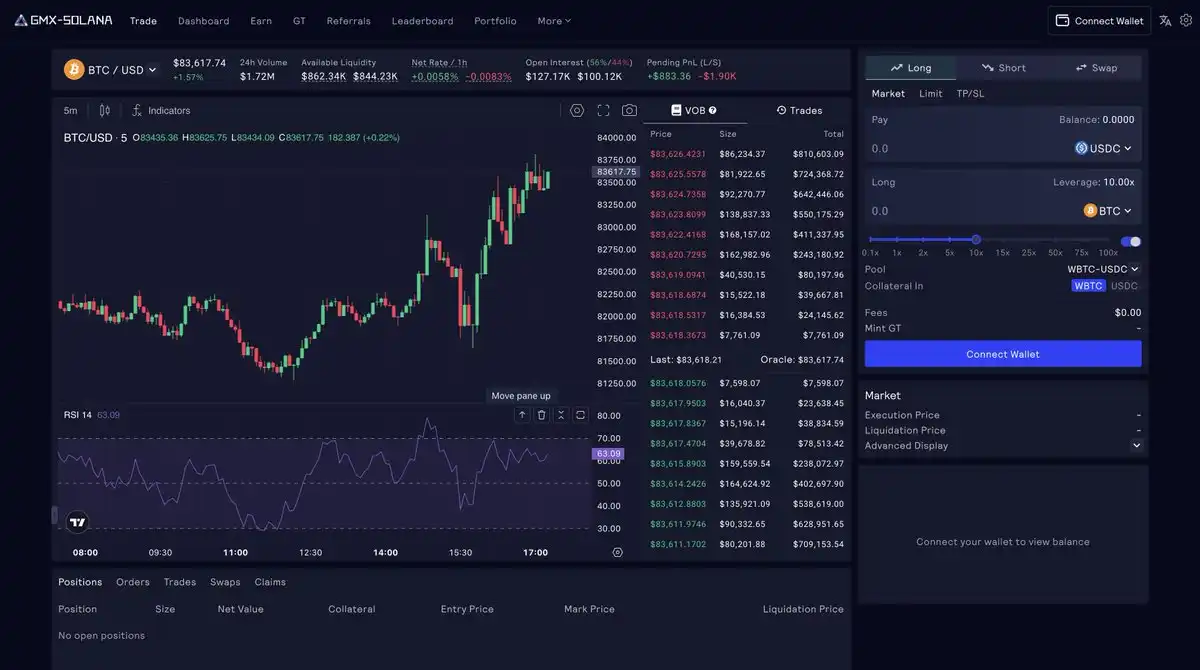
- Jupiter Perps: Expanded into perpetual markets on the Solana blockchain, utilizing a router-based model with oracle-driven pricing. Jupiter enables up to 100x leverage on major assets, delivering low-slippage trades and seamless integration with Solana's DeFi ecosystem.
For traders and investors, the nuances of these execution models are more than technical footnotes, they shape the core trading experience, from order fulfillment to risk management. Hyperliquid’s deep liquidity and ultra-fast matching engine support high-frequency and institutional strategies, with low slippage and near-instant settlement. Aster’s hybrid model appeals to those seeking a blend of AMM efficiency and order book control, especially during volatile market conditions where capital efficiency and flexible liquidity provision are paramount.
dYdX stands apart for its focus on decentralized sovereignty and composability. The migration to a Cosmos-based chain, combined with Layer-2 rollups, enables dYdX to offer a wide array of markets and leverage options while keeping fees competitive. Its hybrid execution model, off-chain order matching with on-chain settlement, delivers both speed and transparency, which is crucial for users who value trustless trading without sacrificing performance. The platform’s resilience is reflected in its current token price of $0.3183, which, despite sector-wide headwinds, continues to attract both retail and professional traders.
Meanwhile, Jupiter Perps leverages Solana’s high throughput to power a router-based execution layer. By aggregating liquidity from multiple Solana-native pools and utilizing real-time oracles, Jupiter minimizes slippage even on large trades. This is particularly attractive for traders who prioritize composability and seamless integration with Solana’s DeFi stack, as well as those seeking high leverage on trending assets like SOL and ETH.
Strategic Implications for Perpetual Traders in 2024
The evolution of execution models among these top Perp DEXs is not merely a technical race, it has tangible implications for trading strategy, risk management, and capital deployment. For example, the ultra-low latency and deep liquidity of Hyperliquid may favor scalpers and arbitrageurs, while Aster’s hybrid approach provides stability for swing traders and liquidity providers looking to optimize yield during volatility. dYdX’s robust order types and composability make it a go-to for sophisticated hedging and portfolio management, while Jupiter’s router-based model is ideally suited for those seeking seamless access to the broader Solana ecosystem.
When comparing settlement speed and slippage, all four platforms have narrowed the gap with centralized exchanges, but key differences remain:
Key Differences in Execution Models of Top Perp DEXs
- Hyperliquid: Runs on a proprietary Layer-1 blockchain (HyperEVM) engineered for derivatives trading. Its centralized order book model enables sub-second finality and processes over 100,000 orders per second, resulting in deep liquidity and minimal slippage. Institutional-grade infrastructure supports high trading volumes and advanced risk management.
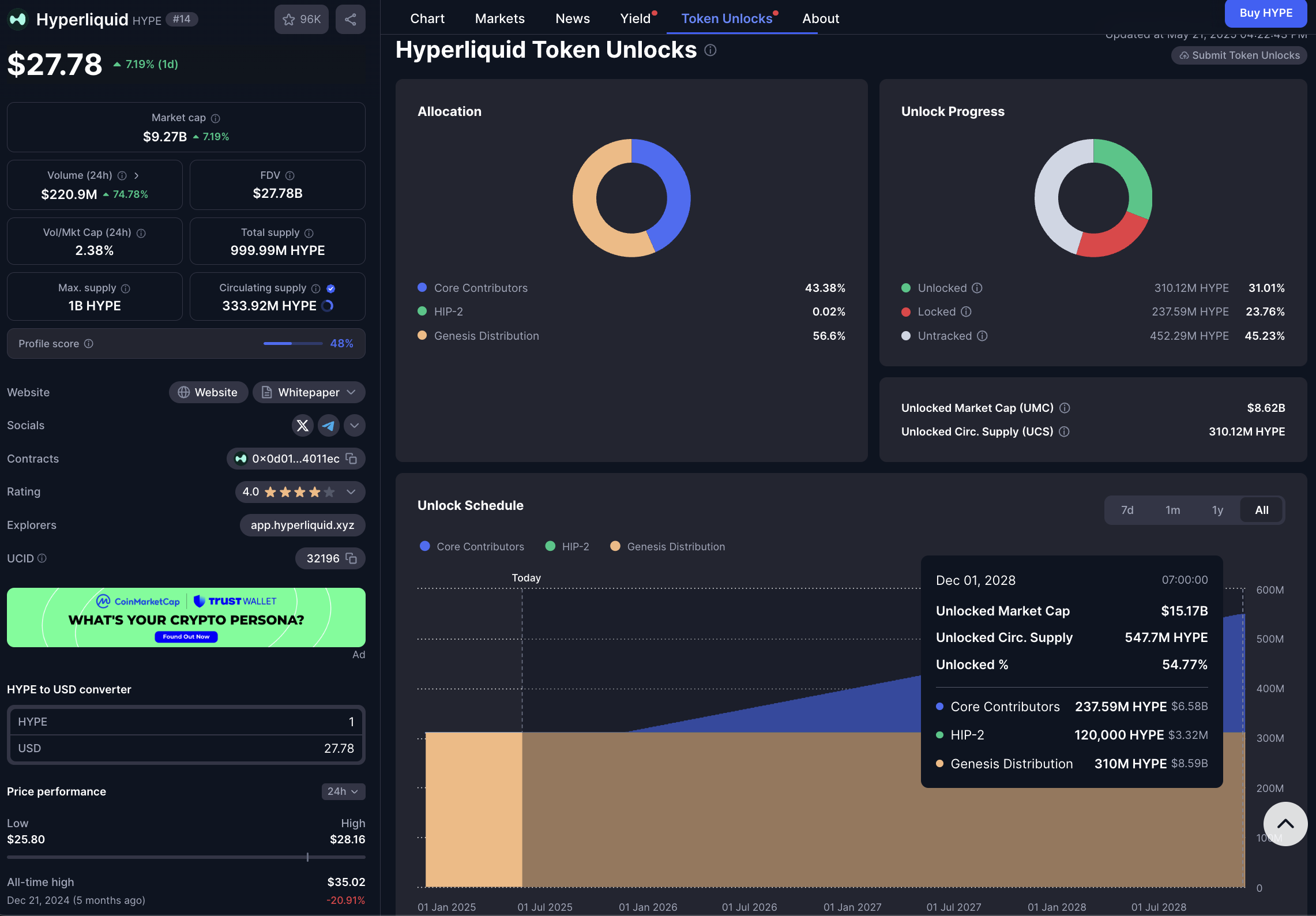
- Aster: Utilizes a hybrid execution model that merges AMM-based liquidity with an order book for price discovery. This approach improves capital efficiency, offers consistent liquidity, and reduces slippage, while enabling higher leverage for traders. Aster's model is designed to optimize both retail and institutional trading experiences.
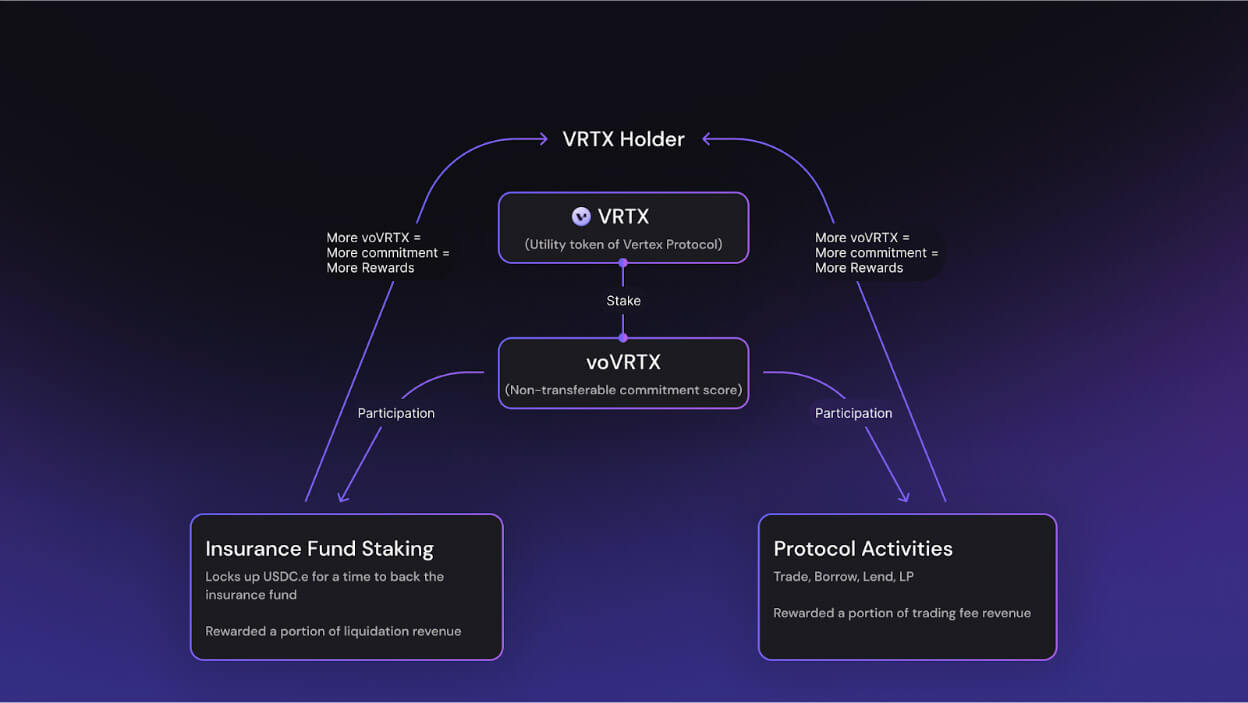
- dYdX: Transitioned to a Cosmos-based sovereign chain, leveraging StarkWare Layer-2 technology for low fees and high throughput. dYdX offers up to 50x leverage across 220+ markets, with an advanced order book and CEX-like trading experience. The platform emphasizes decentralized settlement and high performance for active traders.
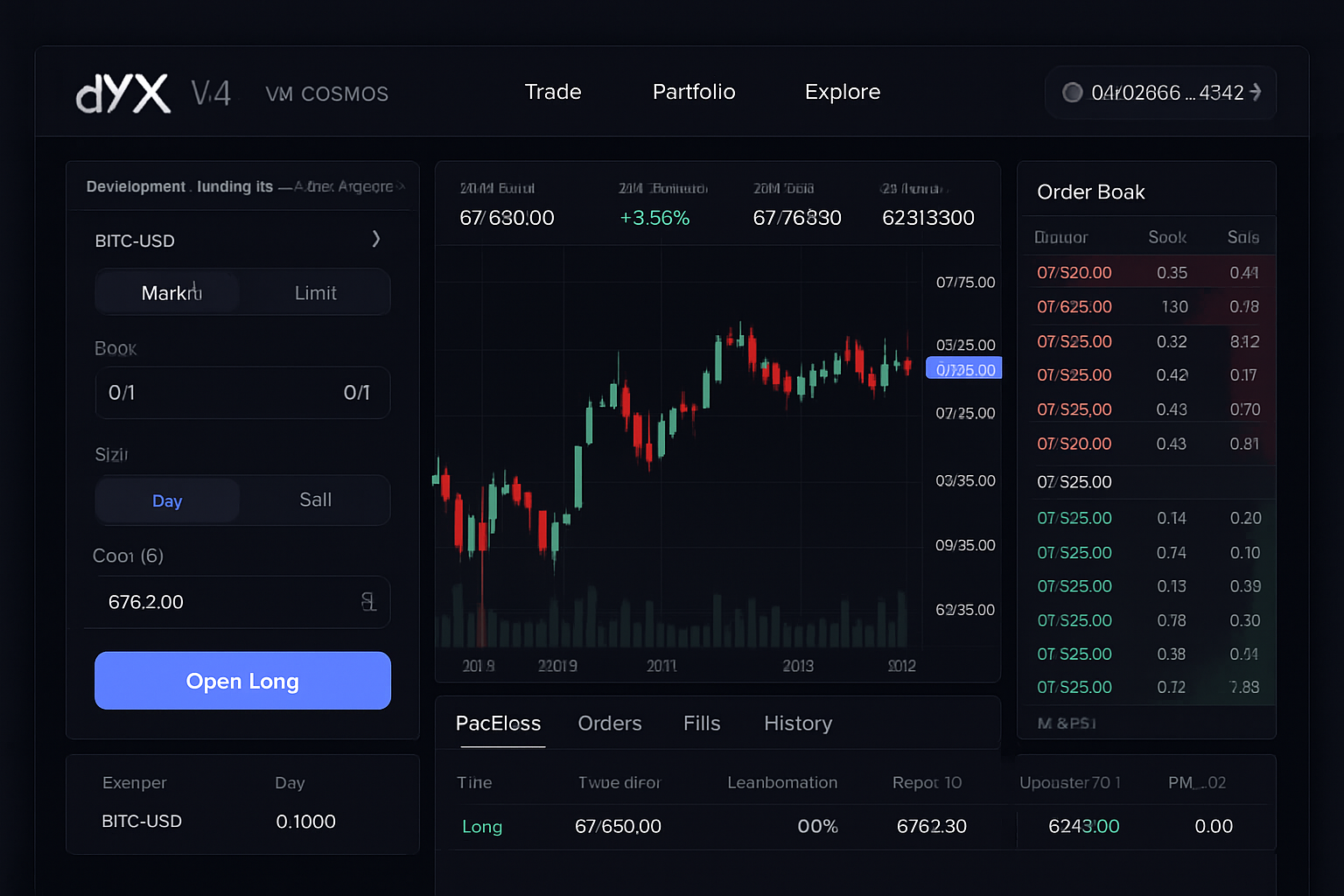
- Jupiter Perps: Built on the Solana blockchain, Jupiter Perps employs a router-based execution model that aggregates liquidity sources for low-slippage trades. It supports up to 100x leverage on major assets and integrates seamlessly with Solana DeFi, leveraging oracle-based pricing and Solana’s high-speed infrastructure.
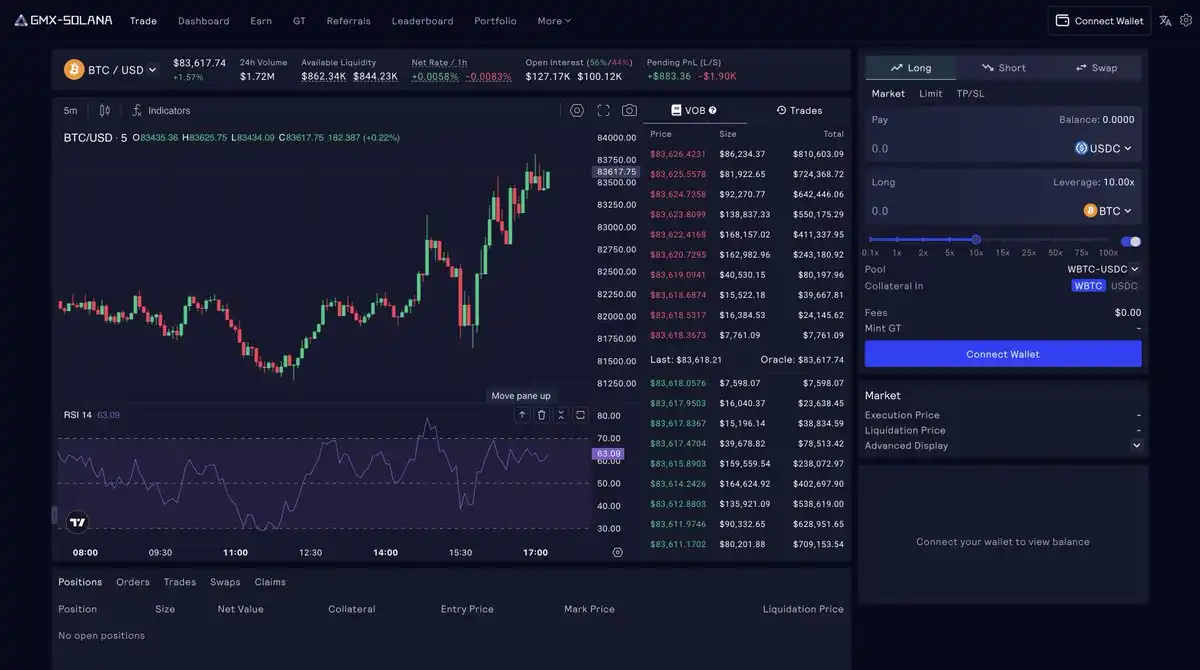
Ultimately, platform choice hinges on a trader’s specific needs, whether it’s speed, capital efficiency, composability, or deep liquidity. The ongoing "battle" between Aster and Hyperliquid underscores how innovation in execution models directly impacts user experience and market share. Meanwhile, dYdX and Jupiter Perps demonstrate that new approaches, hybrid chains and router-based aggregation, are rapidly gaining traction as perpetual trading matures.
What to Watch: The Next Phase for Perp DEX Execution
Looking ahead, expect continued convergence between order book precision, AMM capital efficiency, and router-driven liquidity aggregation. Institutional participation is likely to accelerate as settlement speeds improve and slippage narrows further. For now, Hyperliquid, Aster, dYdX, and Jupiter Perps set the pace for innovation in perpetual trading, each offering a distinct value proposition in a rapidly evolving market.
For a deeper dive into comparative metrics and platform breakdowns, visit the latest industry tier lists and analysis at HyperliquidNow’s 2024 Perp DEX guide.




No comments yet. Be the first to share your thoughts!