
Trading synthetic stocks on-chain is rapidly transforming how investors access equity markets, offering new levels of accessibility, flexibility, and transparency. In 2025, the rise of tokenized equities and synthetic assets has made it possible to buy, sell, and even leverage exposure to global stocks directly from your crypto wallet, bypassing traditional brokers entirely. Whether you’re a seasoned DeFi trader or just starting to explore on-chain stocks, understanding the platforms, risks, and opportunities is key to navigating this evolving landscape.
The Basics: What Are Synthetic Stocks and Why Trade Them?
Synthetic stocks, also known as tokenized equities or synthetic assets, are blockchain-based tokens that mirror the price of real-world shares like Apple or Microsoft. Unlike traditional stock ownership, these digital representations do not confer voting rights or direct claims on company dividends, but they do offer price exposure and, in some cases, dividend-like rewards via stablecoins.
This innovation matters for several reasons:
- 24/7 Trading: Blockchain never sleeps. You can trade synthetic stocks any time, anywhere.
- Fractional Ownership: Buy just $10 worth of Tesla instead of a whole share.
- Global Access: No regional barriers - anyone with a crypto wallet can participate.
- DeFi Integration: Use synthetic equities as collateral for loans or in yield strategies within decentralized finance protocols.
If you’re new to the concept, I recommend reviewing this primer: Synthetic Assets and On-Chain Derivatives: A Beginner's Guide.
Top Platforms for Trading Synthetic Stocks On-Chain (2025)
The synthetic equities sector has matured significantly, with several platforms now offering robust, regulated (or at least compliant) environments for trading tokenized stocks. Here are the leading options in 2025:
Top Platforms for Trading Synthetic Stocks On-Chain (2025)
- Dinari: A U.S.-registered broker-dealer approved for tokenized stock trading. Dinari’s dShares are minted on Arbitrum and backed 1:1 by real stocks, with in-house custody. Supports around 100 U.S. equities, including Apple and Microsoft. U.S. and Canadian users must complete KYC. Dividends are paid in USD+ stablecoin. Trading fees: $10 (Ethereum mainnet), $0.20 (Layer 2).
- Swarm: Launched in 2023, Swarm offers compliant DeFi trading of tokenized U.S. stocks and gold via the dOTC app. Supports Ethereum, Polygon, and Base networks. All tokens are 100% backed by real stocks held with regulated custodians, with monthly reserve reports. No mandatory KYC, but users must follow local laws.
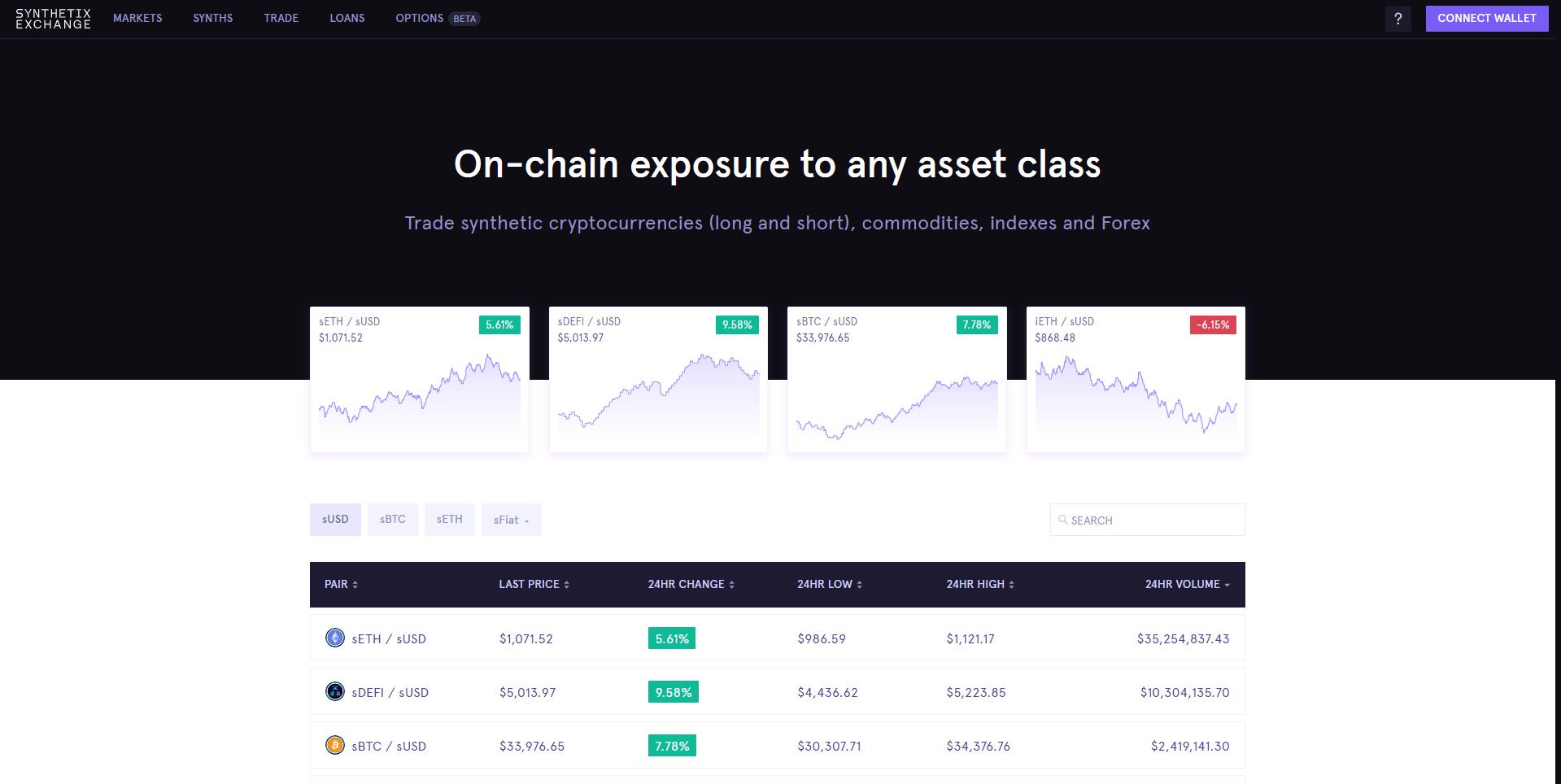
- Synthetix: A decentralized platform enabling users to mint and trade synthetic assets, including stocks, by locking up collateral. Requires a 400% collateralization ratio for minting, reducing systemic risk but raising the entry barrier. Built on Ethereum and integrated with various DeFi protocols.
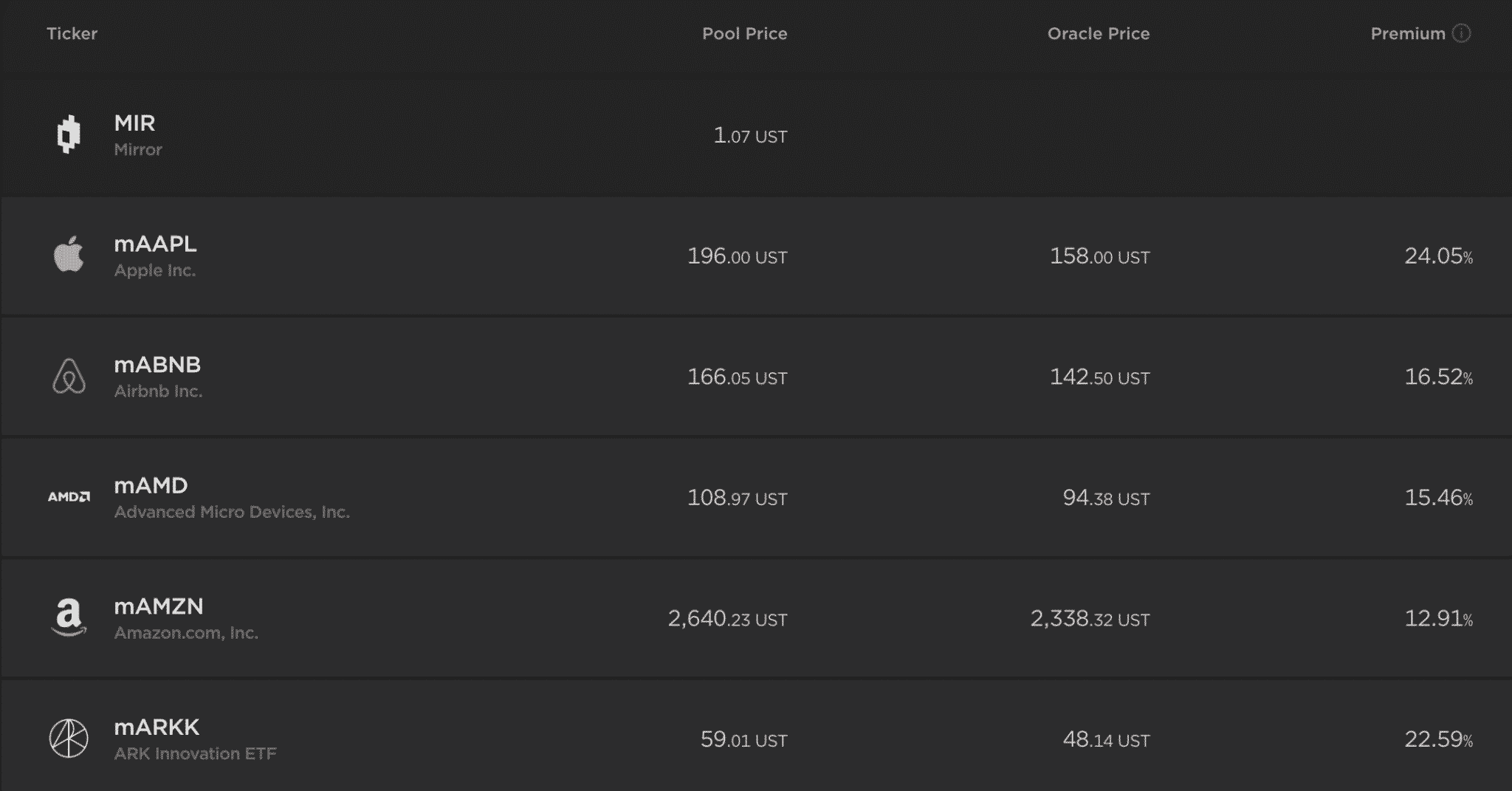
- Mirror Protocol: Allows creation and trading of synthetic assets that mirror real-world stock prices. Operates on the Terra blockchain and supports decentralized, permissionless trading without traditional intermediaries.
1. Dinari: As a U. S. -registered broker-dealer, Dinari issues “dShares” on Arbitrum, each backed 1: 1 by real stock holdings. With about 100 U. S. equities available (including Apple, Microsoft, and Coinbase), Dinari is notable for its regulatory clarity and in-house custody. U. S. and Canadian users can access the platform after KYC. Dividends are distributed in USD and stablecoin. Fees are $10 per trade on Ethereum mainnet and $0.20 on Layer 2s. Learn more at Foresight News.
2. Swarm: Swarm’s dOTC app lets users trade 12 tokenized U. S. stocks and gold with USDC across Ethereum, Polygon, and Base. All assets are fully backed by real stocks in regulated custody. Swarm stands out for its no-mandatory-KYC approach (subject to local laws) and monthly reserve audits, making it accessible to a global audience. More details at Foresight News.
3. Synthetix: Synthetix is a decentralized protocol where users mint synthetic assets by locking up collateral. With a 400% collateralization ratio required, it’s less capital-efficient but highly decentralized. Synthetix supports a range of synthetic stocks and indices, with trading via integrated DEXs.
4. Mirror Protocol: Operating on the Terra blockchain, Mirror enables users to create and trade synthetic assets that track real-world prices without traditional intermediaries. It’s a favorite for decentralized purists and those seeking permissionless access to global equities.
If you want to see how these platforms stack up in terms of features and asset support, check out the latest comparison at PerpScout. com.
Risks Every On-Chain Synthetic Stock Trader Should Know
While the opportunities are exciting, trading synthetic equities on-chain comes with unique risks. Here’s what you need to watch out for:
- Regulatory Uncertainty: In August 2025, the World Federation of Exchanges urged stricter oversight for tokenized stocks. Regulatory environments remain in flux, particularly for U. S. -based users. Read more at Reuters.
- Smart Contract Vulnerabilities: DeFi protocols rely on code. In 2023, Curve Finance lost $70 million due to a smart contract bug. Always assess platform audits and security measures.
- Collateralization Requirements: Platforms like Synthetix require over-collateralization (400%), making trading less capital-efficient than buying stocks outright.
- Liquidity Risks: Lower liquidity can mean higher slippage and difficulty executing large trades, especially on newer perp DEXs.
Opportunities: Why Synthetic Stocks Are Gaining Traction in 2025
Despite the risks, the momentum behind synthetic stocks and tokenized equities is impossible to ignore. Traders and investors are flocking to these on-chain assets for several compelling reasons:
Top Benefits of Trading Synthetic Stocks On-Chain (2025)
- Fractional Ownership: Tokenized stocks enable investors to purchase fractions of high-priced shares, lowering the entry barrier and making assets like Apple or Microsoft accessible to a broader audience.
- Global Accessibility: Decentralized platforms such as Synthetix and Mirror Protocol provide access to synthetic stocks for users worldwide, including those in regions with limited access to traditional financial markets.

- Integration with DeFi Ecosystems: Synthetic stocks can be used as collateral, for yield farming, or in lending protocols, unlocking additional utility and earning opportunities within decentralized finance.
- Lower Transaction Costs: Platforms operating on Layer 2 solutions, such as Dinari on Arbitrum, offer significantly reduced trading fees (as low as $0.20 per trade), making frequent trading more cost-effective.

- Transparency and Security: On-chain trading leverages blockchain technology and smart contracts, providing transparent transaction records and reducing reliance on intermediaries.


Perhaps the most powerful shift is the move to continuous, borderless trading. Unlike Wall Street, which sleeps on weekends and holidays, on-chain platforms offer uninterrupted markets. This means you can respond instantly to global events, no more waiting for the opening bell.
Fractionalization is another game-changer. With tokenized stocks, you can buy a tiny slice of Amazon or Tesla, making blue-chip exposure accessible even with modest capital. This is especially impactful in emerging markets, where traditional brokerage accounts are hard to access or prohibitively expensive.
Integration with DeFi protocols takes things further. Synthetic equities can be used as collateral for loans, staked for yield, or included in automated trading strategies. The composability of DeFi is unlocking creative use-cases that simply aren’t possible in legacy finance.
How to Get Started: Practical Steps for Trading Synthetic Stocks On-Chain
Ready to dive in? Here’s a high-level roadmap for your first trade:
Trade Your First Synthetic Stock On-Chain: Step-by-Step Guide (2025)

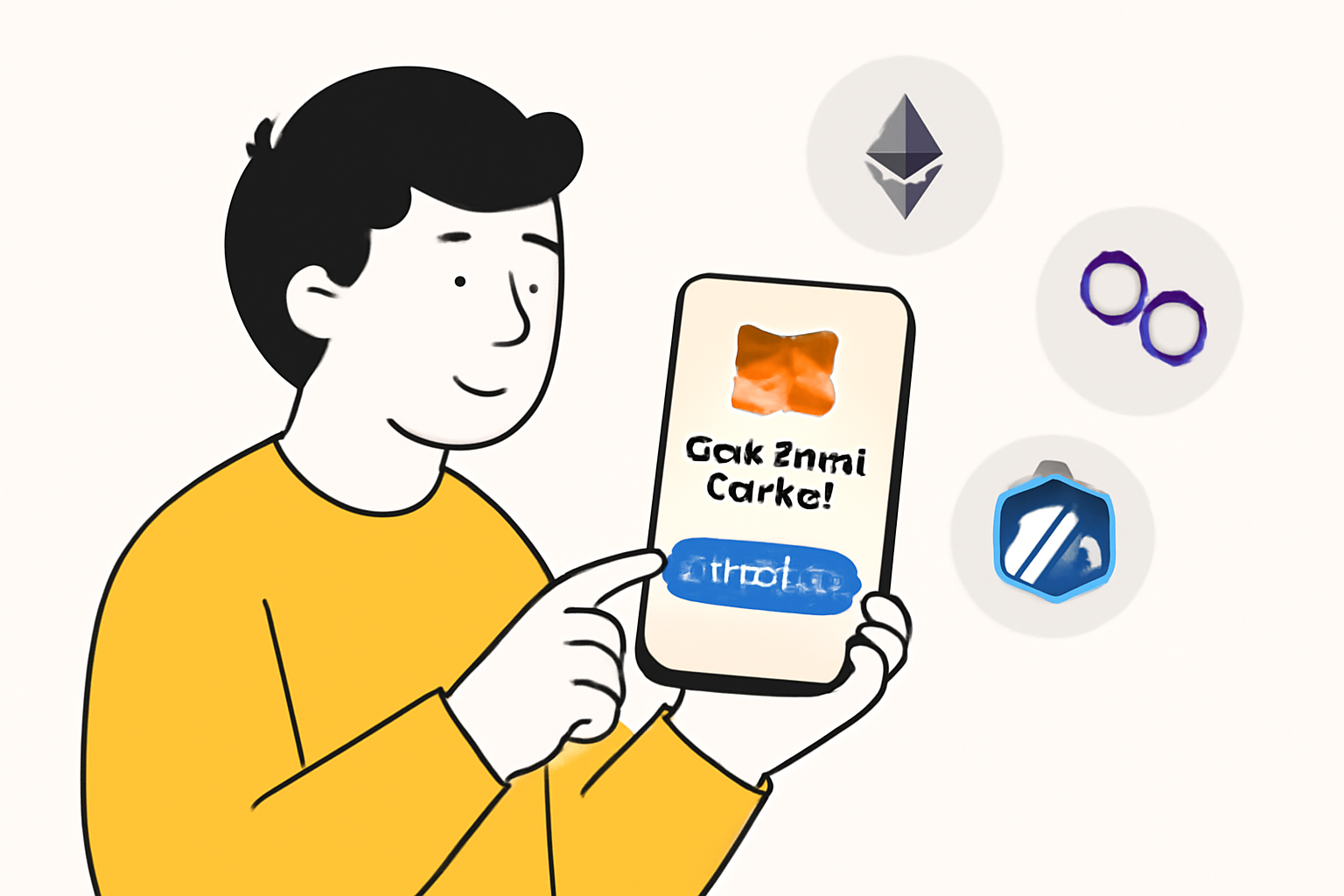
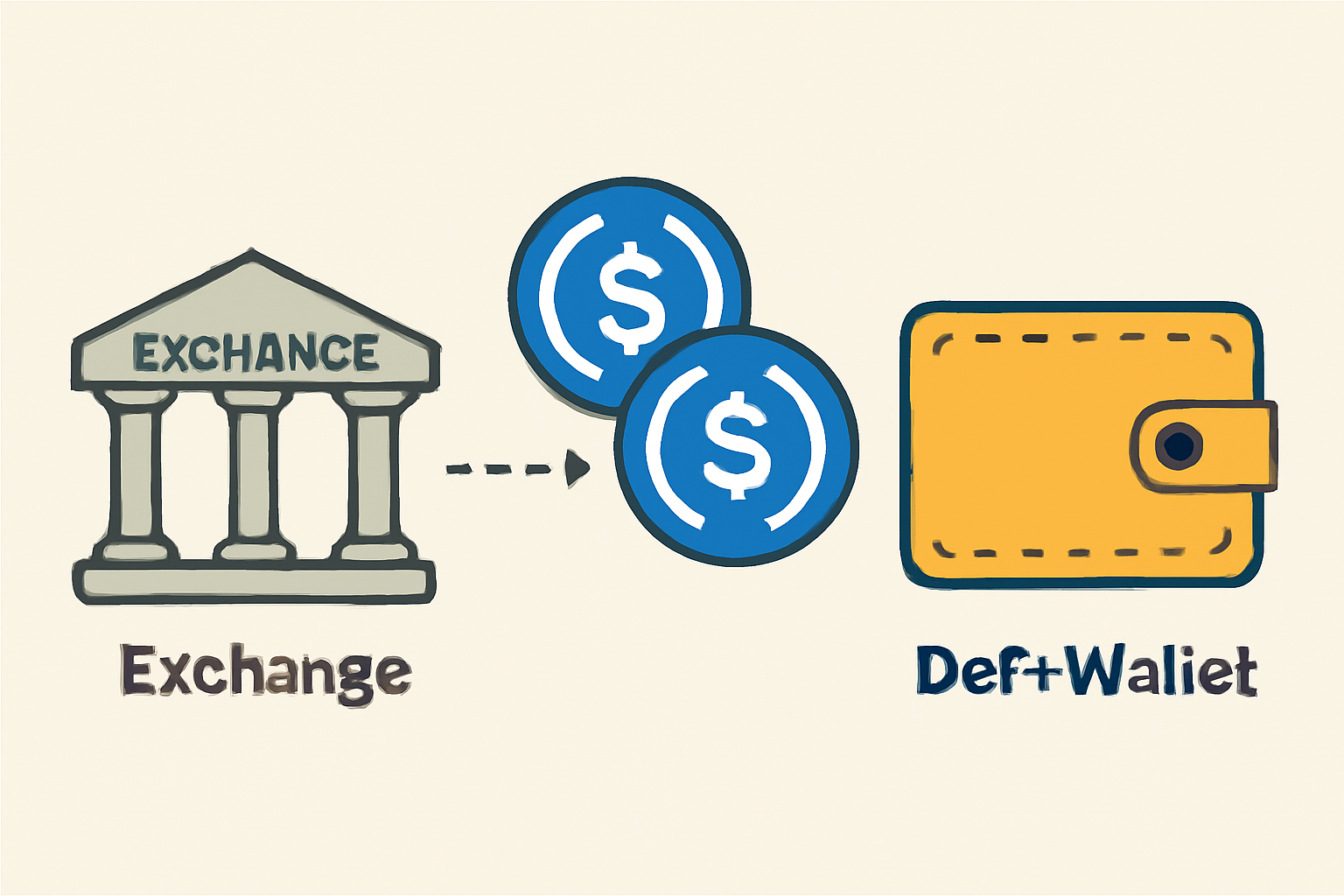
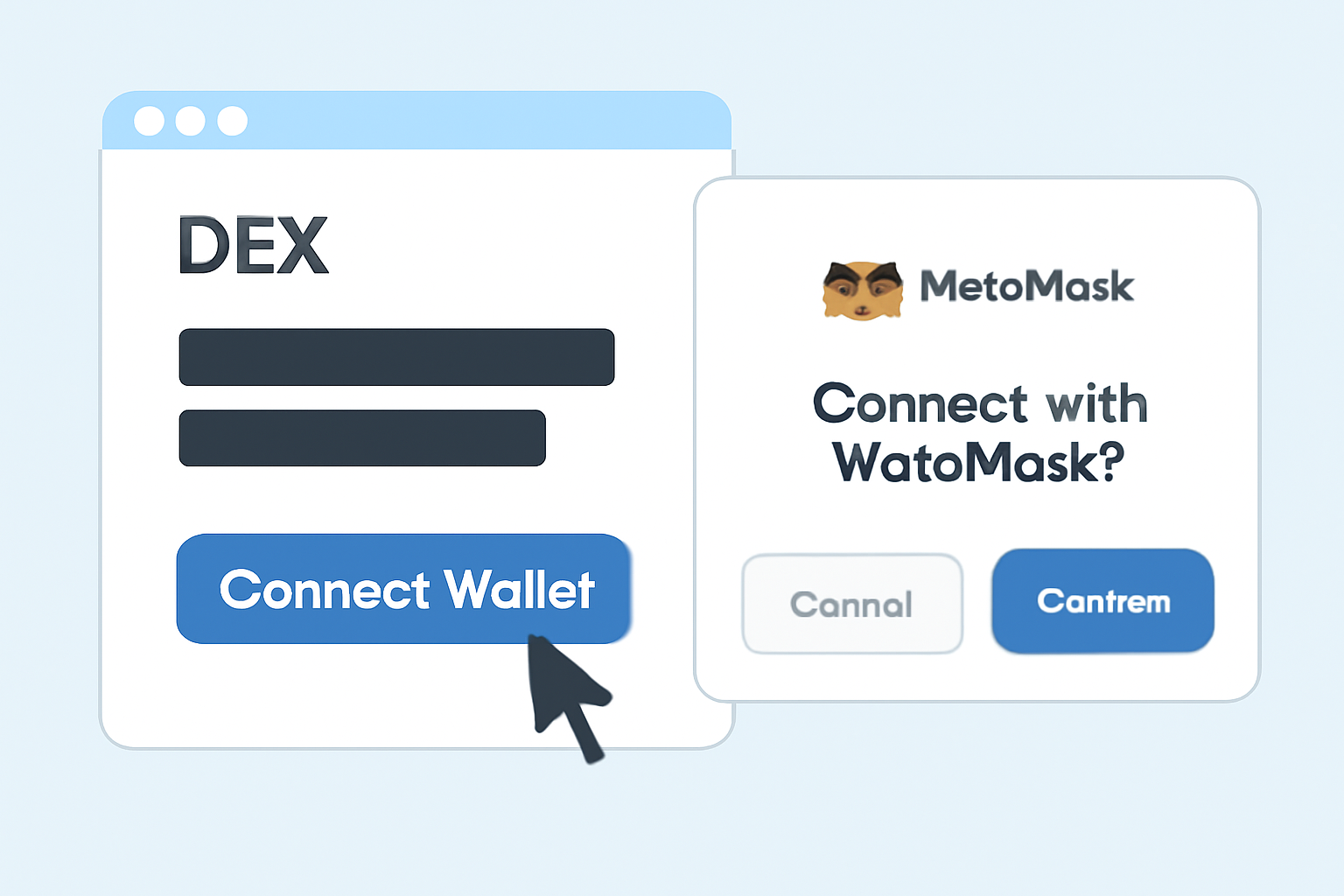
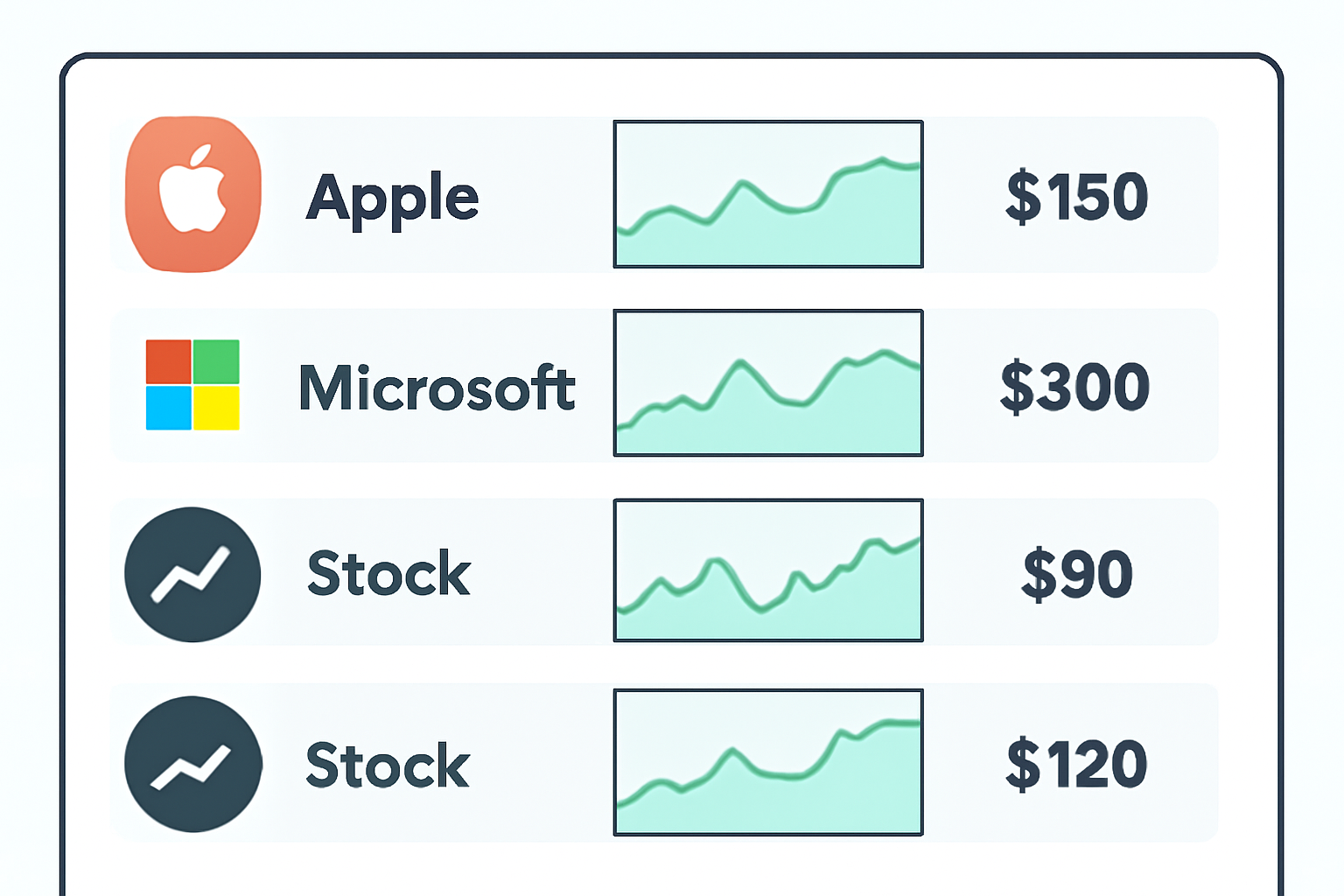
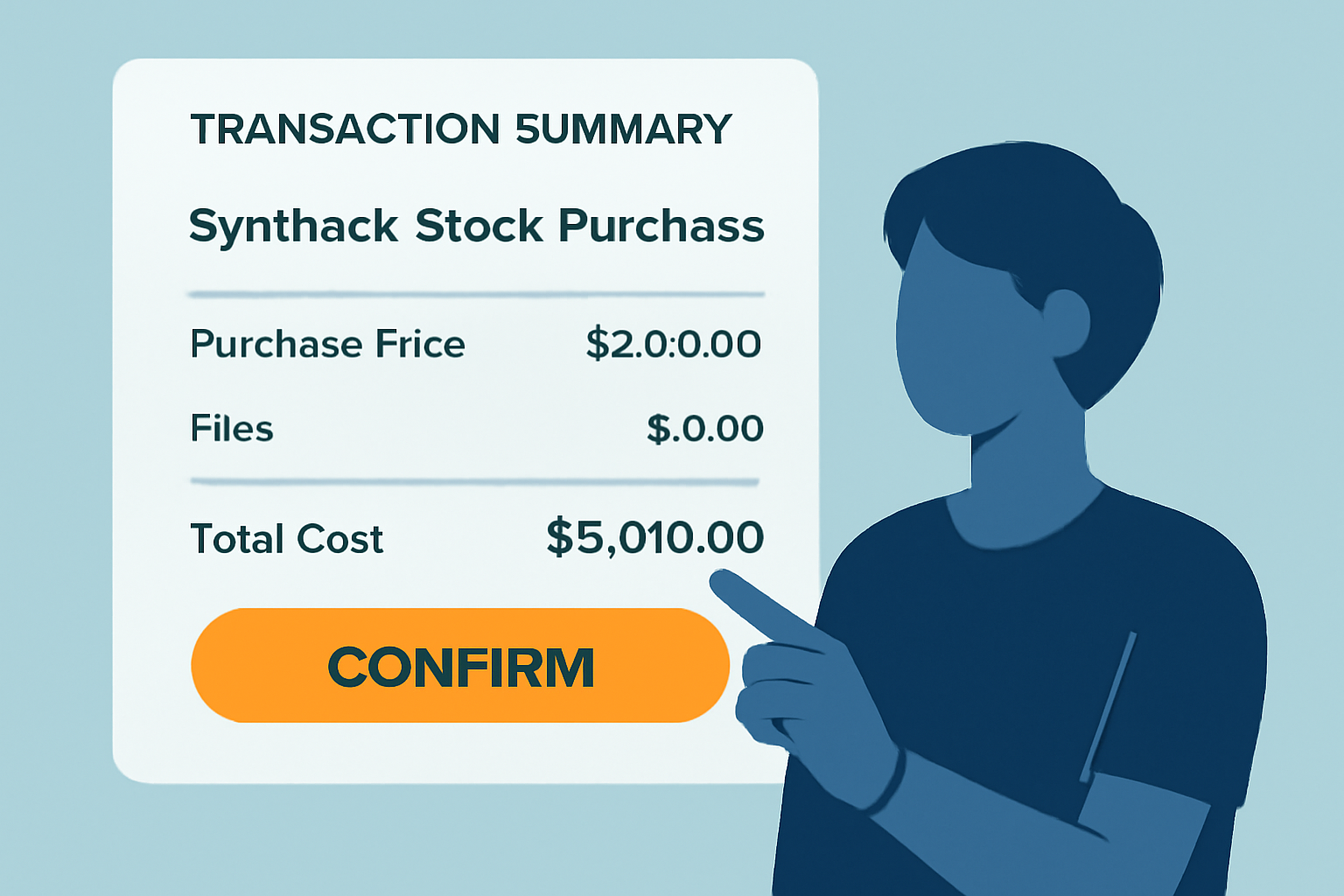
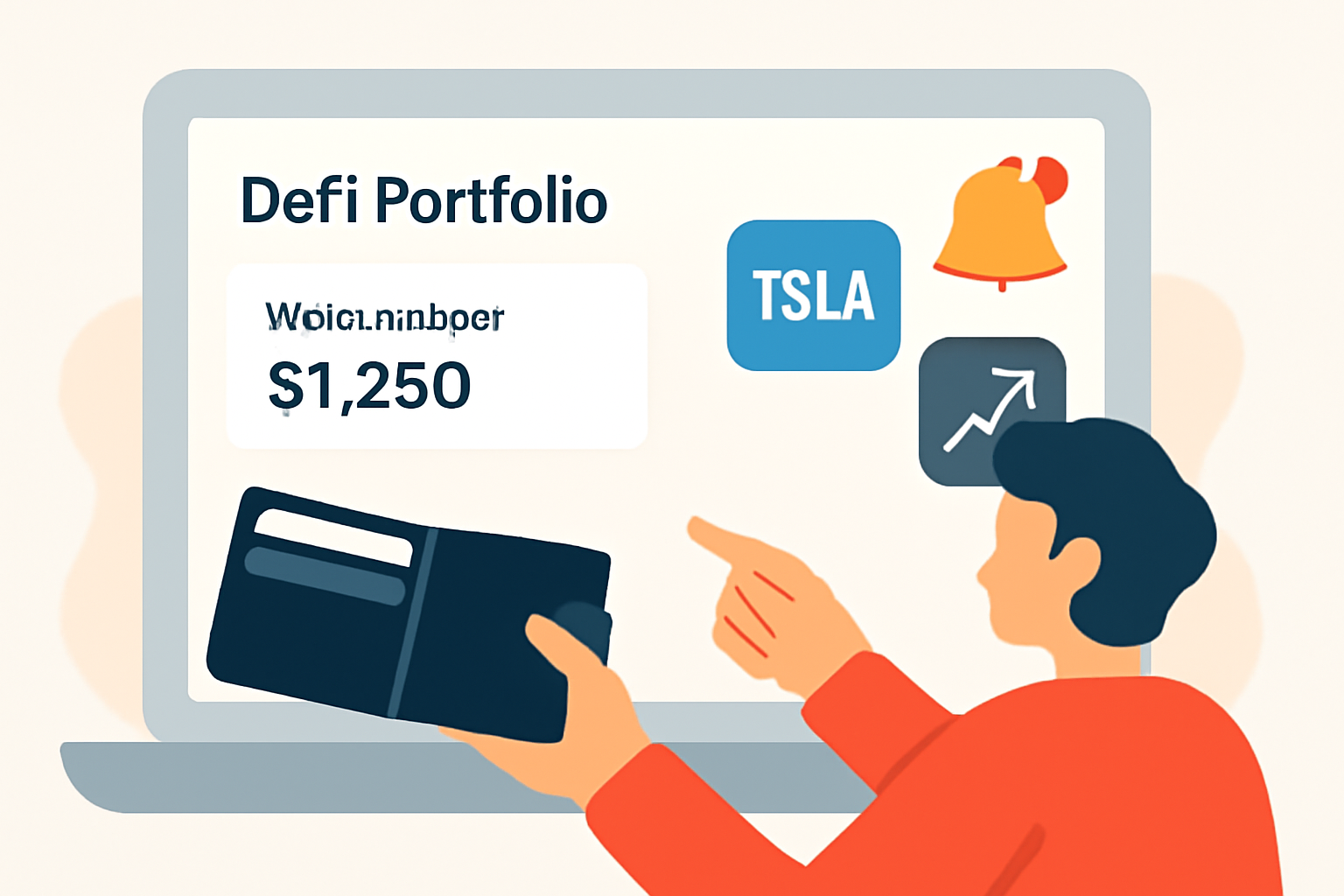
Start by researching the platform that best fits your needs, whether that’s regulatory compliance (Dinari), global accessibility (Swarm), or pure decentralization (Synthetix). Always verify custody solutions and audit histories before depositing funds. Most platforms will require you to connect a crypto wallet (like MetaMask), fund it with stablecoins (such as USDC), and then select your desired synthetic stock from the platform’s marketplace.
Remember: fees can vary significantly between mainnet and Layer 2 solutions provides Swarm’s $0.20 fee on L2 is far more attractive than mainnet rates for active traders. Pay attention to liquidity pools; larger pools generally mean lower slippage and tighter spreads.
What’s Next? The Future of On-Chain Equities
The landscape for crypto stock trading and synthetic equities DeFi is evolving at breakneck speed. Regulatory frameworks are lagging behind innovation, but the appetite for democratized access to global stocks has never been stronger. As more institutional players enter the space, and as real-world asset (RWA) tokenization matures, we’re likely to see deeper liquidity, improved security standards, and even hybrid models that blend traditional finance safeguards with DeFi accessibility.
If you’re looking for detailed reviews and up-to-date platform comparisons, bookmark PerpScout.com. Our mission is simple: empower you with unbiased analysis so you can navigate this new frontier with confidence.
The bottom line? Synthetic assets are rewriting the rules of equity markets, making them more inclusive, programmable, and transparent. If you’re curious about the future of finance, there’s never been a better time to explore how you can trade stocks on DEX platforms and tap into the next wave of financial innovation.
No comments yet. Be the first to share your thoughts!