
Set up your wallet and connect
Trade Perpetual Stocks Crypto on Decentralized Exchanges works best as a sequence, not a scramble through settings. Do the minimum first: confirm compatibility, connect the core hardware, update only when needed, and test the result before adding optional features. That order keeps the task understandable and makes failures easier to isolate. After each step, pause long enough for the interface to finish syncing. Many setup problems are timing problems disguised as configuration problems. If the same step fails twice, record the exact error, restart the smallest affected piece, and retry before moving deeper.

Fund your account with stablecoins
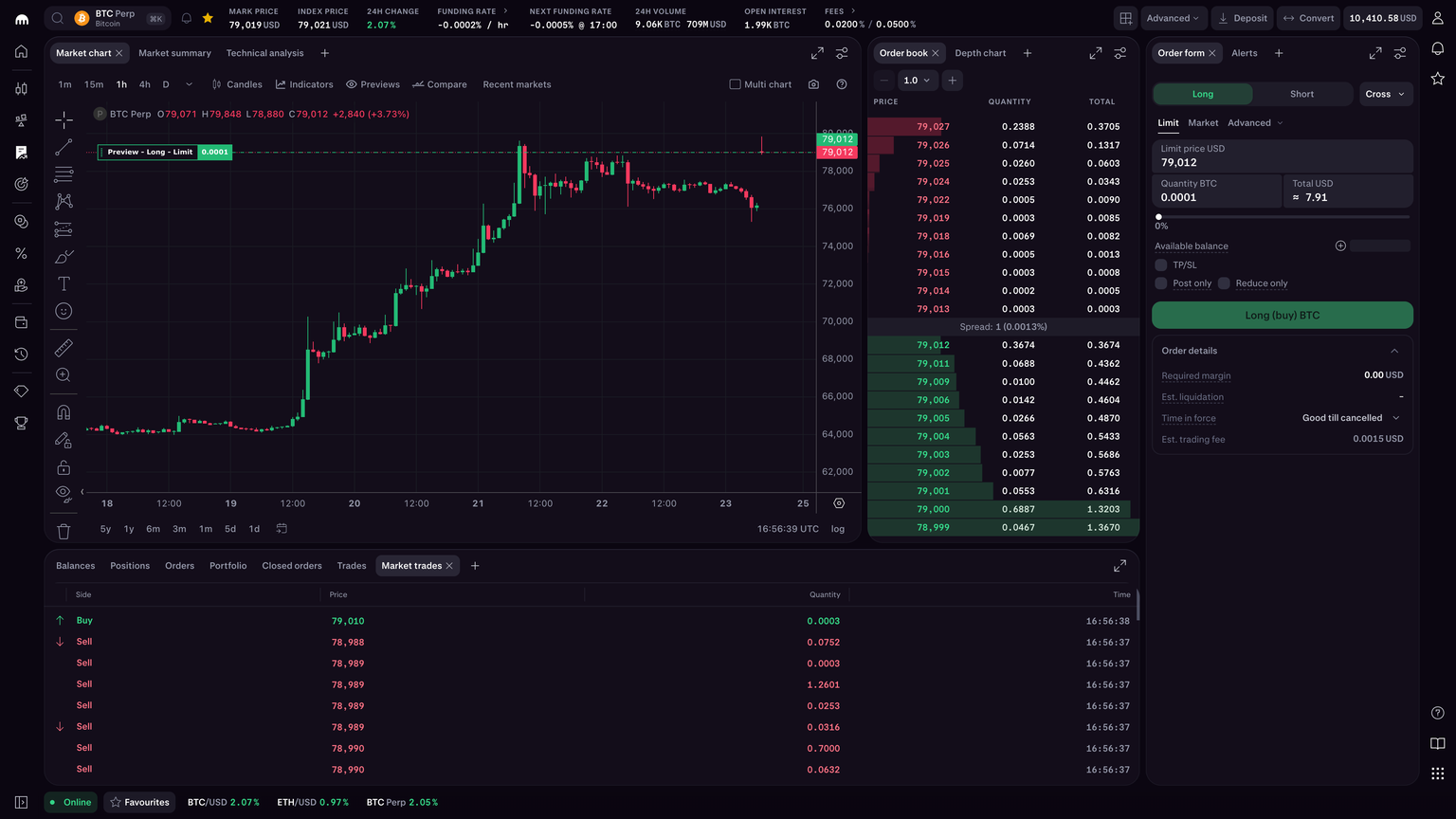
Perpetual stock trading on decentralized exchanges requires collateral to open and maintain positions. Unlike traditional brokerages that hold cash, DEX protocols typically use USDC or other accepted stablecoins as the settlement asset. You must deposit these funds into the protocol’s smart contract before you can trade.
Choose the correct network
Stablecoins exist on multiple blockchain networks. Before initiating a deposit, verify which networks the specific DEX supports for perpetual trading. Common options include Ethereum L2s like Arbitrum or Optimism, which offer lower fees, or Layer 1 networks like Ethereum Mainnet. Sending funds to an unsupported chain can result in permanent loss.
Deposit USDC to the protocol
- Connect your wallet: Link your Web3 wallet (e.g., MetaMask, Rabby) to the DEX interface.
- Navigate to the vault: Locate the "Vault" or "Deposit" section within the platform.
- Initiate the transfer: Enter the amount of USDC you wish to use as collateral. Ensure you have enough native token (e.g., ETH, ARB) in your wallet to cover the blockchain gas fee.
- Confirm the transaction: Approve the token spend if required, then sign the deposit transaction. Wait for the blockchain confirmation.
Once the transaction is confirmed on-chain, your USDC balance will appear in your DEX vault. This balance serves as your margin for trading perpetual stock contracts. You can now adjust leverage and open long or short positions based on equity price movements.
Select a perpetual stock contract
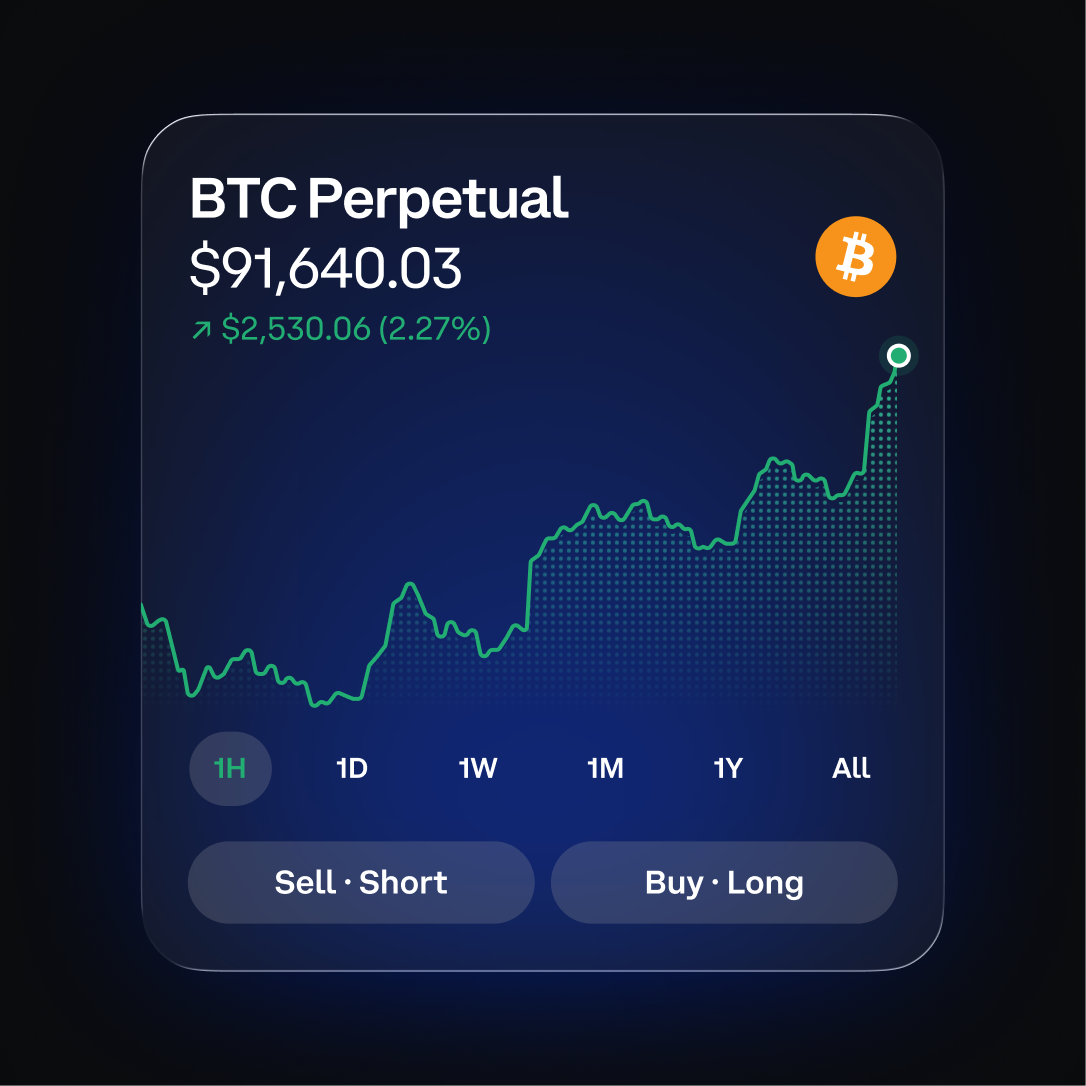
Navigate to the derivatives or perpetual futures trading interface on your chosen decentralized exchange. These platforms list equity-perpetual contracts for major companies like Apple (AAPL) and Tesla (TSLA) alongside traditional crypto pairs. Unlike traditional futures, these contracts have no expiration date, relying instead on a funding rate mechanism to keep the perpetual price anchored to the underlying stock's spot price.
Look for the contract selector, often labeled as "Perps" or "Derivatives." Search for the specific ticker symbol you wish to trade. Ensure the platform supports the specific equity you want; not all DEXs offer the same basket of tokenized stocks. Once selected, you will see the current mark price and the active funding rate.
Understanding the funding rate is critical before opening a position. This rate is a periodic payment exchanged between long and short traders. If the funding rate is positive, long positions pay shorts; if negative, shorts pay longs. This mechanism ensures the perpetual contract does not drift too far from the actual stock price. A high funding rate indicates strong directional sentiment and can significantly impact your holding costs.
Execute your long or short trade
Trade Perpetual Stocks Crypto on Decentralized Exchanges works best as a sequence, not a scramble through settings. Do the minimum first: confirm compatibility, connect the core hardware, update only when needed, and test the result before adding optional features. That order keeps the task understandable and makes failures easier to isolate. After each step, pause long enough for the interface to finish syncing. Many setup problems are timing problems disguised as configuration problems. If the same step fails twice, record the exact error, restart the smallest affected piece, and retry before moving deeper.
Manage risk and close positions
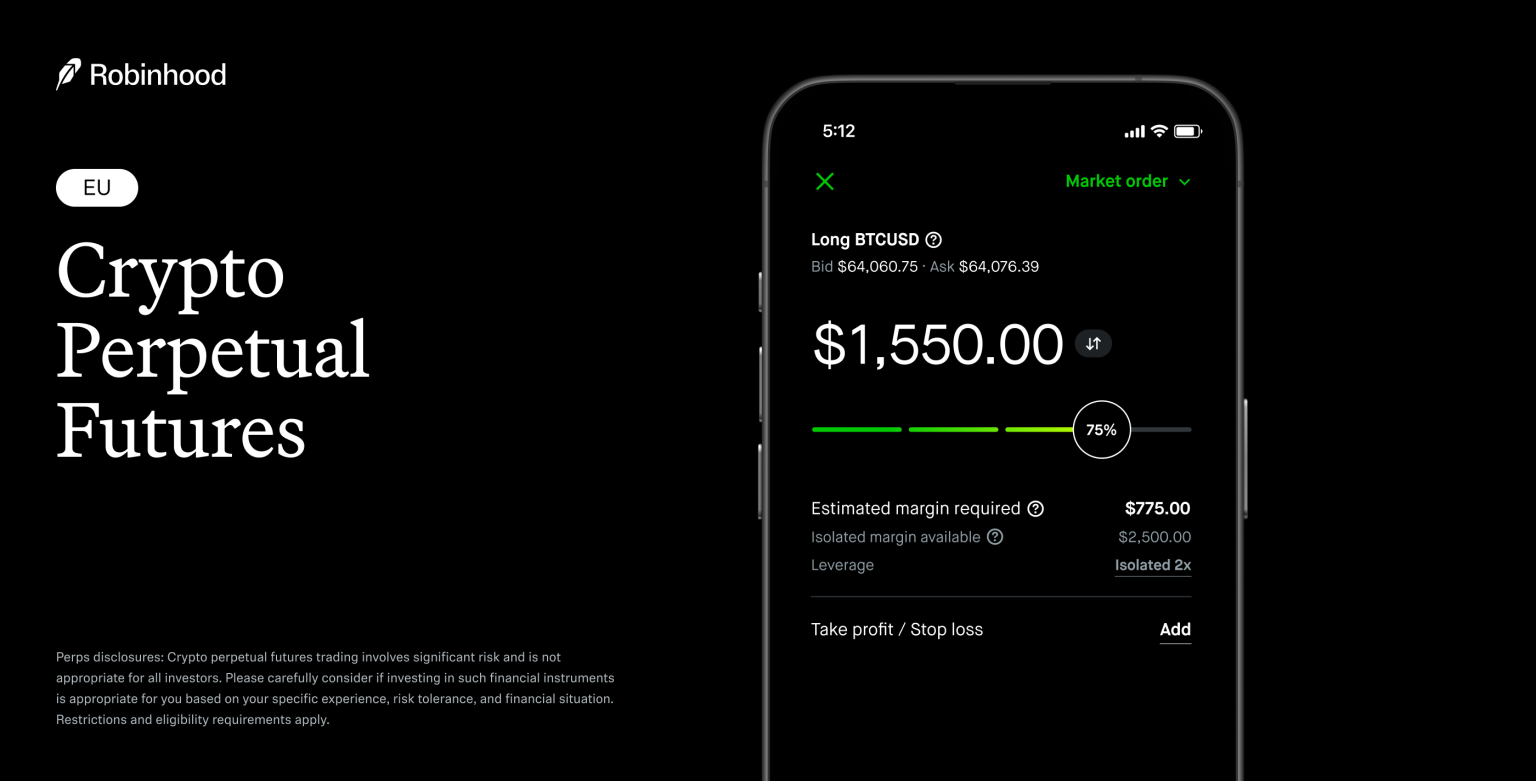
Trading perpetual stocks crypto on decentralized exchanges requires strict discipline. Unlike spot markets, your position can be liquidated if the price moves against you. To protect capital, you must set stop-losses, monitor liquidation prices, and execute exits before volatility spikes.

Place a stop-loss order immediately after opening your trade. This order automatically sells your position if the price drops to a specific level, capping your downside. On decentralized exchanges, ensure the stop-loss is set within the liquidity range of the pool to avoid slippage.
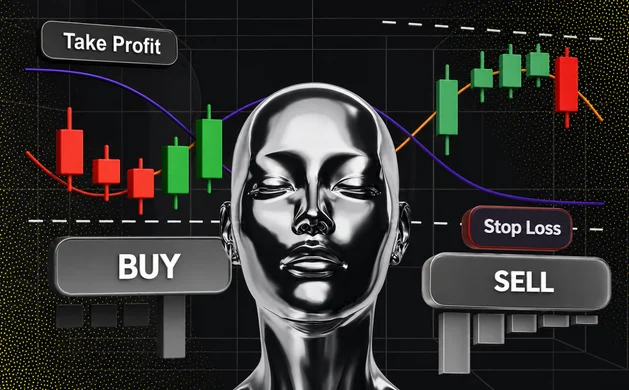
Your liquidation price is the point where your collateral is insufficient to cover losses. Keep your margin ratio well above the minimum requirement. If the price approaches your liquidation level, add more collateral or reduce your position size to avoid total loss.
Exit your trade when the market is calm to minimize slippage. Avoid closing large positions during major news events or sudden price swings, as decentralized exchange liquidity may be thin. Use limit orders to specify your exit price rather than market orders, which execute at the best available price regardless of cost.
-
Collateral ratio above 200%
-
Stop-loss set at max acceptable loss
-
Funding rate checked for cost
-
Exit plan defined for profit and loss
Risk management is not optional in perpetual trading. By following these steps, you reduce the chance of unexpected liquidations and keep your trading capital intact for future opportunities.
No comments yet. Be the first to share your thoughts!