
Get perpetual dex 2026 right
Perpetual DEXs let you trade leveraged futures through smart contracts rather than centralized infrastructure. This shift removes the middleman but moves the burden of security and execution directly to you. Before placing your first trade, you need to verify the technical prerequisites. A mismatched wallet or unsupported network can freeze your funds or trigger slippage losses.
Start by connecting a non-custodial wallet that supports the specific chain hosting the DEX. Most top-tier platforms like Hyperliquid operate on their own high-performance chains or L2s. Ensure your wallet is configured for the correct network and has enough native gas tokens for the initial deposit. Do not rely on exchange wallets; you need full control of the private keys to sign transactions.
Next, fund the trading account via a bridge or direct transfer. Verify the deposit address is exact. Once funded, check the liquidity depth on your target pair. Thin order books on lower-volume pairs can cause significant price impact when you enter or exit positions. Treat this setup phase as a dry run; small test transactions confirm that your wallet, network, and funds are aligned before you commit real capital.
How to set up hybrid perp trading
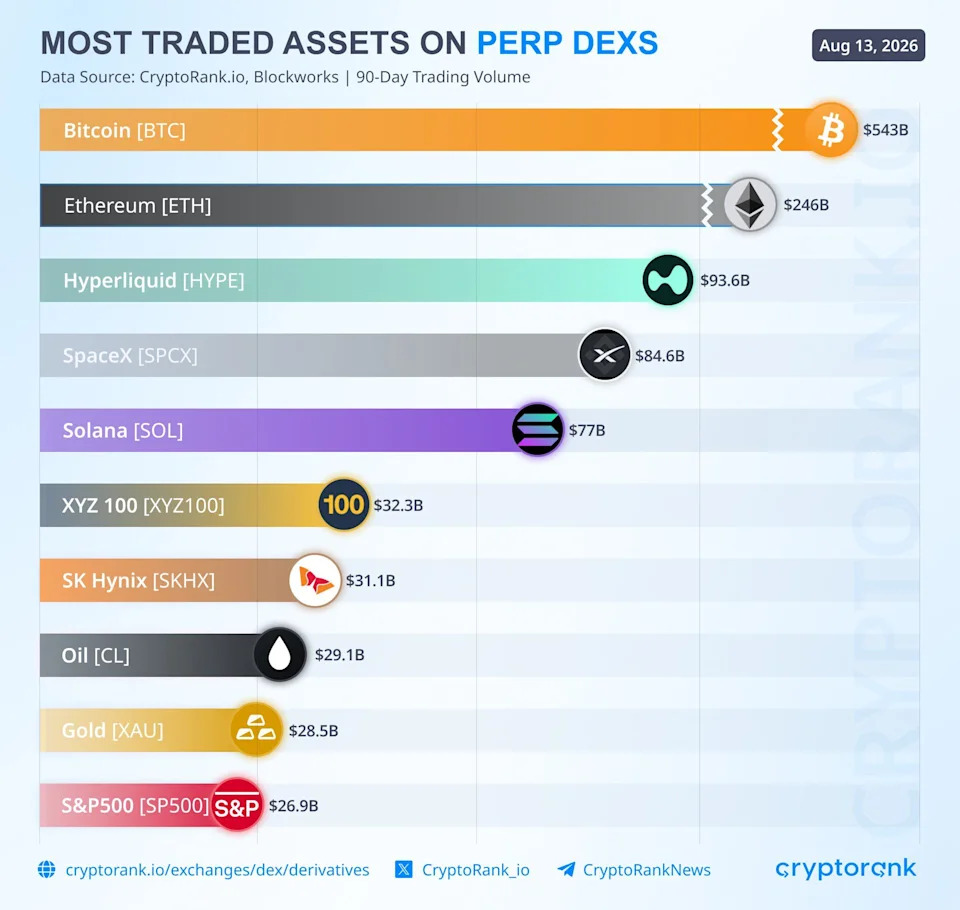
Setting up hybrid trading requires bridging two distinct worlds: the self-custodial, on-chain mechanics of perpetual DEXs and the regulated, fiat-onramp infrastructure of perp stocks. In 2026, the volume on platforms like Hyperliquid has surpassed $432 billion monthly, proving that decentralized leverage is a primary market force. However, accessing this liquidity usually requires crypto assets. Most traders solve this by keeping fiat exposure on a regulated perp stock platform while moving profits or speculative capital to a DEX for higher leverage and lower fees.
The process involves establishing accounts on both sides, managing separate wallets, and understanding the settlement differences between centralized clearinghouses and on-chain smart contracts. Follow these steps to build a hybrid workflow that balances regulatory safety with decentralized efficiency.
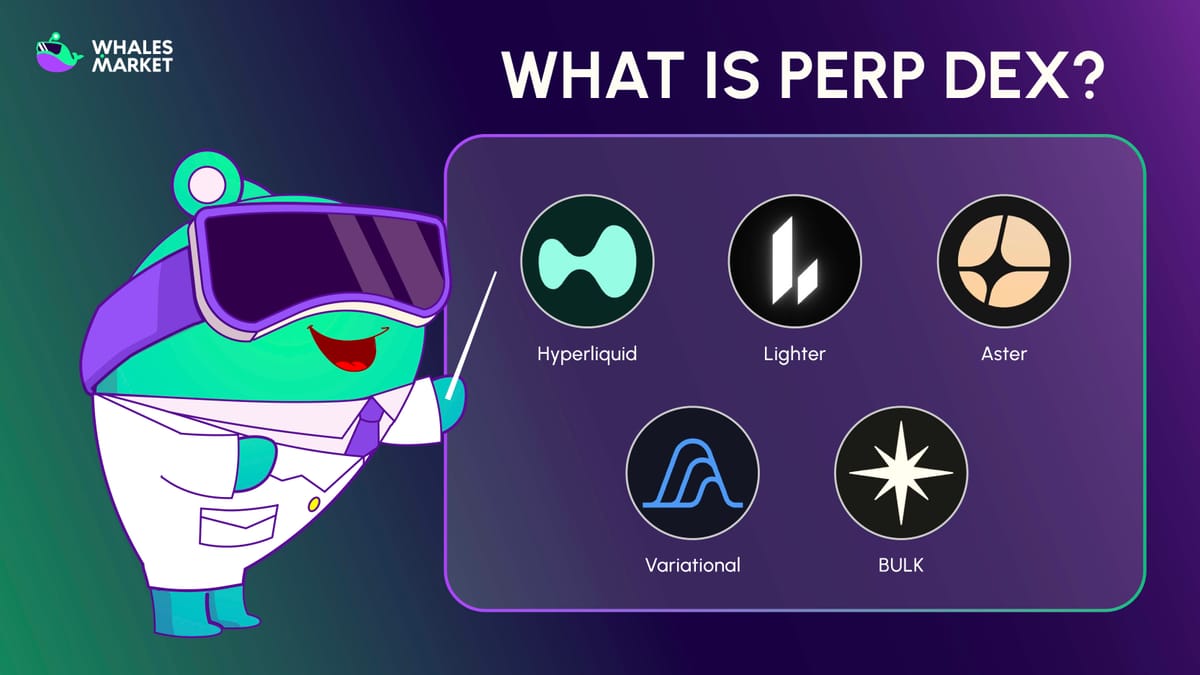
Begin by selecting a regulated perp stock platform that offers 24/7 trading. These platforms act like traditional brokers but offer perpetual contracts without expiration dates. Verify your identity (KYC) and deposit fiat currency. This account serves as your primary liquidity source and safer harbor for larger, regulated positions. Because these platforms are custodial, your assets are protected by standard financial regulations, making them ideal for your core portfolio allocation.

Download a non-custodial wallet like MetaMask or Phantom. This wallet is your key to decentralized trading. Do not link this wallet to your primary identity or use it for storing your main life savings. You will use this wallet to interact with perpetual DEXs, which require direct blockchain interaction. Ensure you have some native gas tokens (like ETH or SOL) for transaction fees before proceeding.
Transfer funds from your regulated perp stock account to your crypto wallet. This usually involves withdrawing crypto from a centralized exchange (CEX) to your self-custodial wallet. Once in your wallet, bridge these assets to the specific blockchain where your target DEX operates. For example, if you are using Hyperliquid, you may need to bridge to its L1. This step moves your capital from the traditional financial system into the decentralized trading environment.
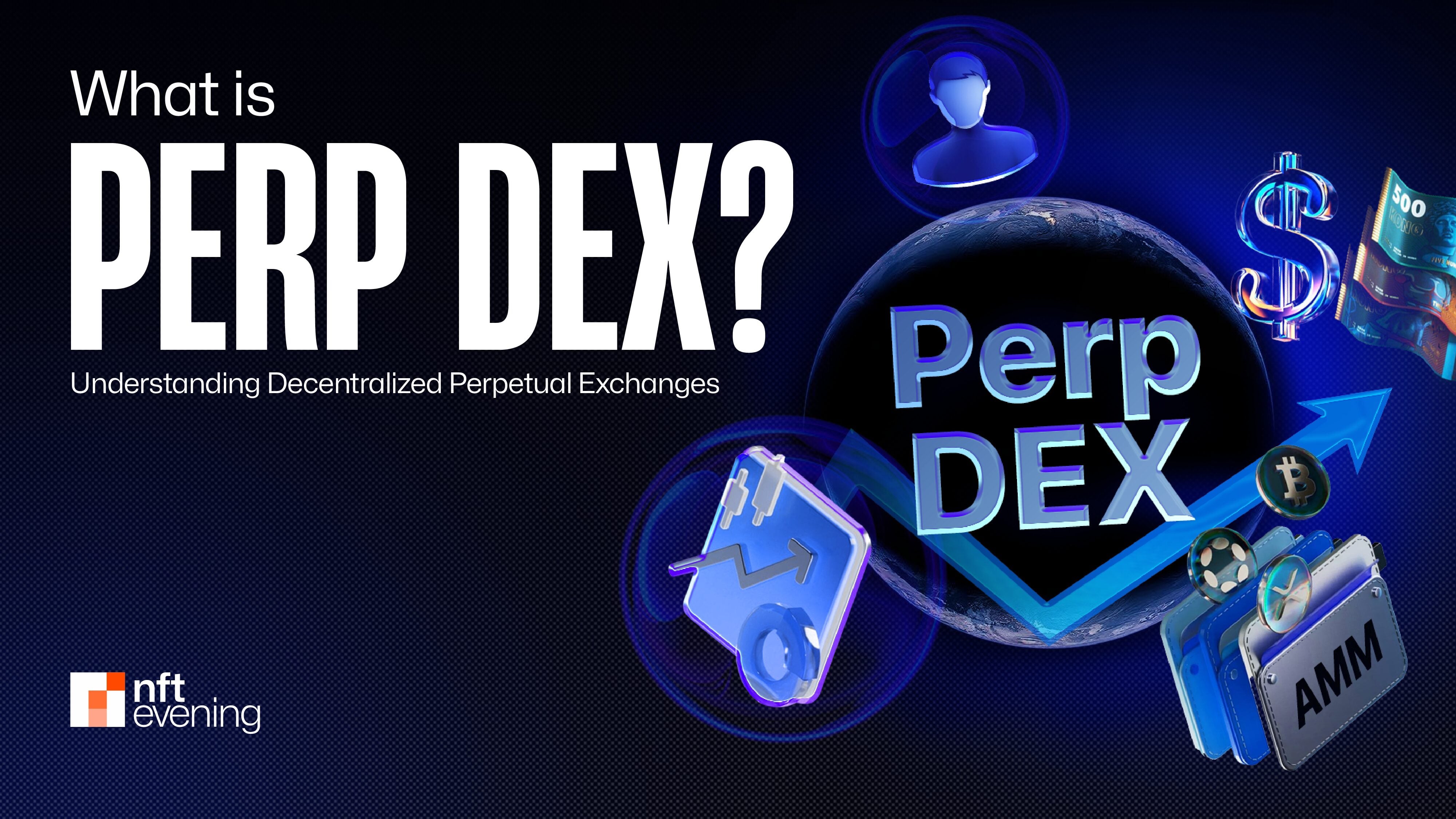
Navigate to the perpetual DEX website and connect your wallet. Review the interface for leverage settings, funding rates, and collateral types. Unlike perp stocks, DEXs often offer higher leverage (up to 100x on some platforms) and different collateral options, including stablecoins or the asset you are trading. Set your risk parameters carefully; higher leverage increases liquidation risk significantly. Start with low leverage to understand the on-chain settlement mechanics.

Place your first trades on both platforms to compare execution speed, fees, and slippage. Monitor your DEX positions closely, as on-chain liquidations can happen instantly if your collateral value drops below the maintenance threshold. Use the regulated perp stock account for stable, long-term directional bets, and use the DEX for short-term, high-leverage speculation or arbitrage. Regularly withdraw profits from the DEX back to your CEX to lock in gains in a regulated environment.
-
Verify KYC status on your regulated perp stock platform
-
Ensure your self-custodial wallet has sufficient gas fees
-
Bridge assets to the correct blockchain network
-
Set conservative leverage limits (e.g., 5x-10x) for initial DEX trades
-
Define a clear exit strategy for both custodial and non-custodial positions
Fix common mistakes
Perpetual trading requires precision. A small error in setup or execution can drain capital faster than market volatility. This section highlights the specific pitfalls that lead to poor outcomes in both DEX and centralized environments.
Ignoring funding rate spikes
Funding rates adjust between longs and shorts to keep the perp price close to the index. In high-volatility markets, these rates can spike dramatically. If you hold a position through a major funding payment, you might pay or receive significant fees. Always check the current rate before entering a trade. If the rate is unusually high, consider closing the position or adjusting your leverage to avoid unexpected costs.
Overlooking slippage on DEXsn
Decentralized exchanges use liquidity pools rather than traditional order books. During periods of high volume or low liquidity, your trade may execute at a worse price than expected. This is called slippage. To mitigate this, use limit orders instead of market orders when possible. Additionally, check the pool depth before trading. Large positions on thin pools can move the price against you significantly.
Forgetting about liquidation thresholds
Leverage amplifies both gains and losses. If your position moves against you, the protocol will liquidate it to cover the debt. Many traders fail to set adequate stop-losses or monitor their margin levels. Use the platform’s liquidation price calculator to understand your risk. Never risk more than you can afford to lose, and keep extra margin in your account to withstand normal market fluctuations.
Perpetual dex 2026: what to check next
Helpful gear
Use these product recommendations as a starting point, then choose the size, material, and price point that fit how you actually use the gear.


As an Amazon Associate, we may earn from qualifying purchases.
No comments yet. Be the first to share your thoughts!