
2026 on-chain equity derivatives shift
The architecture of on-chain leverage has fundamentally changed. In 2026, tokenized stocks have overtaken generic cryptocurrency perpetuals as the dominant vehicle for on-chain leverage. This shift is not merely a trend but a structural migration of capital, driven by the superior liquidity and utility of equity-based derivatives.
Total Real-World Asset (RWA) perpetual volume is now heavily concentrated in tokenized equities. As noted in CoinGecko’s RWA Report 2026, perpetual futures on tokenized stocks lead by traded volume, signaling that traders are prioritizing real-world asset exposure over native crypto volatility. This divergence marks the end of the era where crypto-native perps were the primary source of decentralized exchange volume.
The market has split into distinct segments: fully collateralized tokenized stock perps and speculative crypto perps. The former offers a more stable, institutional-grade liquidity pool, attracting capital that seeks leverage on established assets like Apple or Tesla without the extreme volatility of altcoins. This stability has made tokenized stocks the preferred instrument for serious on-chain traders.
To understand the current price action and volume dynamics in this space, it is essential to look at live data from major exchanges. The chart below illustrates the trading activity for a major tokenized stock perpetual, highlighting the volume shifts that define this new market landscape.
How Perpetual DEXs Structure Equity Leverage
Trading tokenized stocks on decentralized exchanges operates differently than traditional margin trading. Instead of borrowing the underlying asset from a broker, perpetual DEXs typically use a fully collateralized model where traders lock up crypto assets as margin. This approach removes counterparty risk associated with centralized lending but introduces distinct liquidity dynamics.
The core mechanism relies on synthetic assets rather than actual tokenized shares. Platforms like Extended on Starknet allow traders to open positions on equity prices using a unified margin account, often offering up to 100x leverage. These positions track the price of the underlying stock through oracle data feeds, meaning you are trading a derivative contract, not the equity itself. This structure enables 24/7 trading without the settlement delays inherent in traditional markets.
This synthetic model requires robust oracle infrastructure to ensure price accuracy. If the oracle data is manipulated or delayed, the position may be liquidated incorrectly. Traders must also account for funding rates, which adjust the price of the perpetual contract toward the spot price of the underlying asset. These rates prevent the derivative from diverging significantly from the real-world stock price, maintaining the integrity of the leverage provided.
Liquidity flows into tokenized perps
Capital is shifting away from traditional equity hours toward 24/7 tokenized stock perpetuals. As of 2026, perpetual futures have emerged as the dominant instrument by traded volume within the tokenized stock sector. This shift is driven by the ability to trade around the clock, capturing volatility that traditional markets miss after the bell.
The growth is measurable in open interest. The tokenized stock market has expanded significantly by building perpetual futures open interest, creating a deeper pool of capital for traders who need continuous access. This liquidity advantage allows for tighter spreads and better execution during off-hours.
While traditional equities are bound by exchange hours, tokenized perps operate continuously. This structural difference attracts institutional and retail capital seeking to hedge or speculate without waiting for market open. The result is a more efficient price discovery mechanism that reflects global events in real time.
The dominance of perps in this space is not just a trend but a structural change in how RWA (Real World Assets) are traded. As noted in industry reports, the volume of RWA perps continues to outpace other tokenized asset classes, signaling where liquidity is consolidating.
DEXs vs. Centralized Exchanges
The 2026 perpetual stock landscape splits into two distinct camps: decentralized exchanges (DEXs) and centralized exchanges (CEXs). The choice depends on whether you prioritize regulatory clarity or self-custody control. DEXs offer permissionless access without KYC, while CEXs provide the familiar infrastructure of traditional finance with insurance funds and fiat on-ramps.
Custody and Regulation
CEXs act as custodians, holding your assets on your behalf. This model allows for streamlined fiat deposits and chargeback protections but introduces counterparty risk. If the exchange fails, user funds may be frozen or lost. In contrast, DEXs operate on-chain. You retain custody of your private keys, and trades execute via smart contracts. However, this requires a self-custodial wallet and a deeper understanding of gas fees and transaction signing.
Leverage and Asset Variety
Leverage limits vary significantly. CEXs often offer up to 100x leverage on major stock indices, catering to high-risk speculative traders. DEXs typically cap leverage lower (often 10x-25x) to maintain protocol solvency during volatile markets. DEXs also lead in asset diversity, offering perpetual contracts on niche altcoins and emerging markets that regulated CEXs cannot touch due to compliance hurdles.
Platform Comparison
The table below summarizes the structural differences between the leading platforms in 2026.
| Platform | Type | Custody | Max Leverage | Regulation |
|---|---|---|---|---|
| Phemex | CEX | Custodial | 100x | Licensed |
| Hyperliquid | DEX | Non-Custodial | 50x | Unregulated |
| dYdX | DEX | Non-Custodial | 20x | Unregulated |
| Bybit | CEX | Custodial | 100x | Licensed |
Technical Analysis
Understanding the underlying asset volatility is critical when choosing a platform. High volatility on DEXs can trigger liquidations faster than on CEXs due to oracle latency. The chart below tracks the price action of a major index token, illustrating the volatility traders must manage.
Regulatory risks and compliance in 2026
The regulatory landscape for tokenized stock derivatives is shifting from a gray area to a heavily scrutinized frontier. In 2026, the primary divergence lies between the United States and the European Union, creating a fragmented market where availability depends entirely on your jurisdiction.
In the US, the Securities and Exchange Commission (SEC) continues to enforce strict interpretations of the Howey Test. Tokenized equities are largely classified as securities, meaning they must be traded on registered Alternative Trading Systems (ATS) or exchanges. This effectively bans the anonymous, permissionless trading of tokenized stocks on most decentralized exchanges (DEXs), pushing these assets toward centralized, compliant platforms like Securitize or tZERO.
Warning: Regulatory scrutiny on tokenized equities is increasing. Always verify the legal jurisdiction of the platform before depositing funds.
Conversely, the European Union’s Markets in Crypto-Assets (MiCA) regulation provides a clearer, albeit complex, framework. MiCA allows for the tokenization of traditional financial instruments under specific licensing requirements. This has led to a surge in EU-based platforms offering tokenized stocks that bridge traditional finance with DeFi liquidity, provided they adhere to strict Know Your Customer (KYC) and Anti-Money Laundering (AML) protocols.
The result is a bifurcated market. US traders are largely restricted to tokenized stocks on centralized, compliant entities, while EU traders have access to a broader range of DeFi-integrated solutions. For perpetual DEXs, this means that offering tokenized stock derivatives requires either geoblocking US users or obtaining expensive, complex securities licenses. The liquidity for these assets is now concentrated in jurisdictions with clear regulatory pathways, leaving other markets with thin, high-risk pools.
Choose based on custody and risk
Picking a platform for perpetual DEX vs tokenized stocks requires deciding where you want your assets to live and how much risk you can absorb. The choice isn't just about fees; it's about who holds the keys and what happens if the platform fails.
Self-custody with smart contract risk
Perpetual DEXs let you trade leveraged futures directly from your wallet. You maintain control of your keys, but you are exposed to smart contract vulnerabilities and oracle manipulation. This path suits traders who prioritize transparency and want to avoid centralized exchange (CEX) counterparty risk.
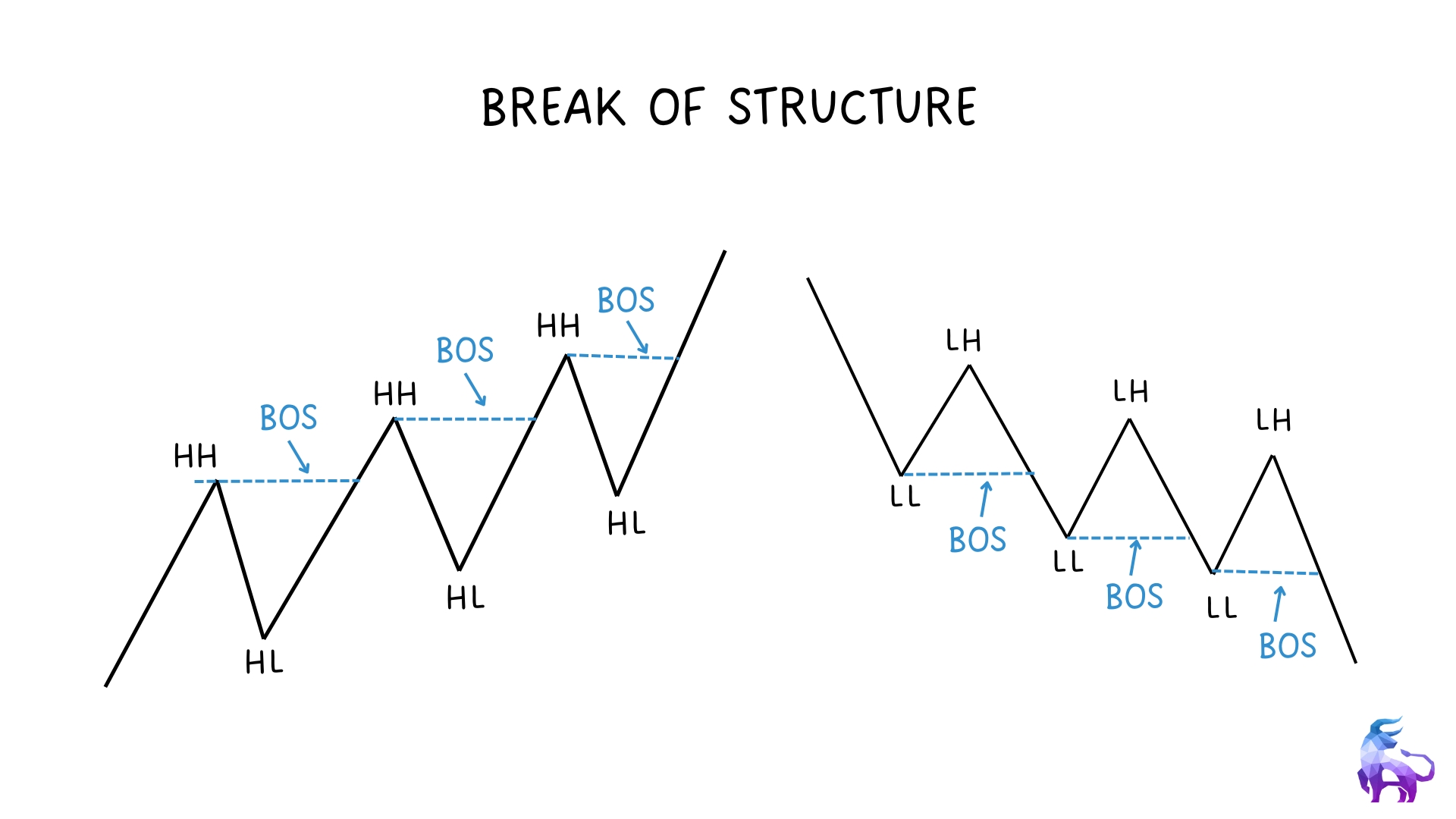
Before depositing funds, review the latest security audits for the protocol. Look for independent firms and check if any critical bugs have been exploited recently. Smart contract risk is the primary liability in this model.

Liquidity on DEXs can fragment quickly. Check the open interest and average slippage for your target assets during volatile periods. Thin order books can lead to significant price impacts on large orders, eroding your edge.
Custodial convenience with regulatory exposure
Tokenized stocks on regulated platforms offer a familiar interface and often include insurance or compensation funds. However, you must trust the issuer with your assets. If the platform faces regulatory action or insolvency, your access to funds may be frozen.
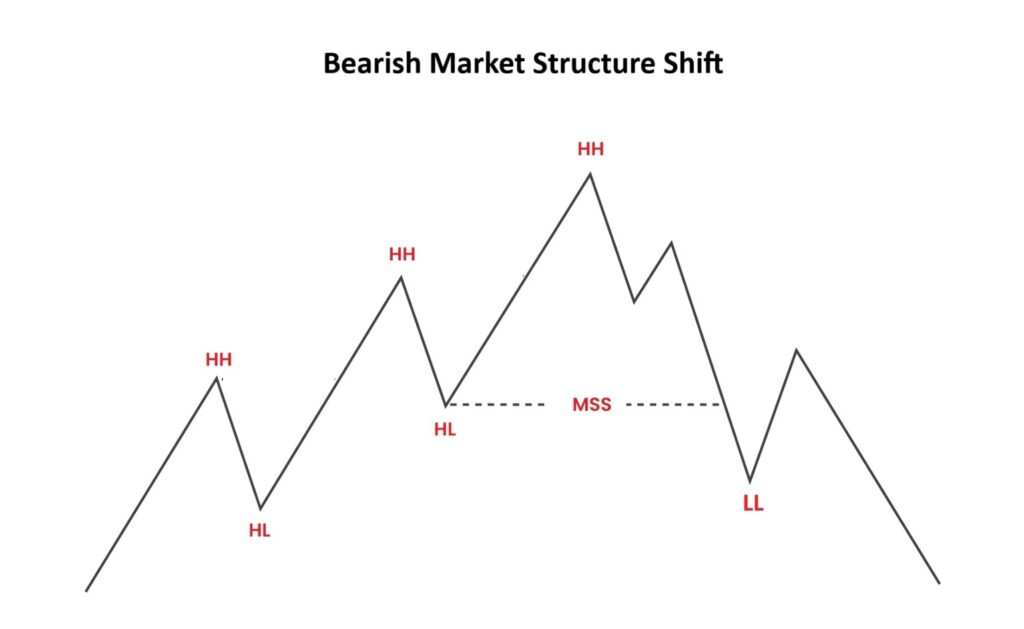
Ensure the platform operates under a clear regulatory framework in your jurisdiction. Platforms like those listed in Alchemy’s 2026 derivatives list often partner with licensed entities. Verify their licensing status to avoid unregulated intermediaries.
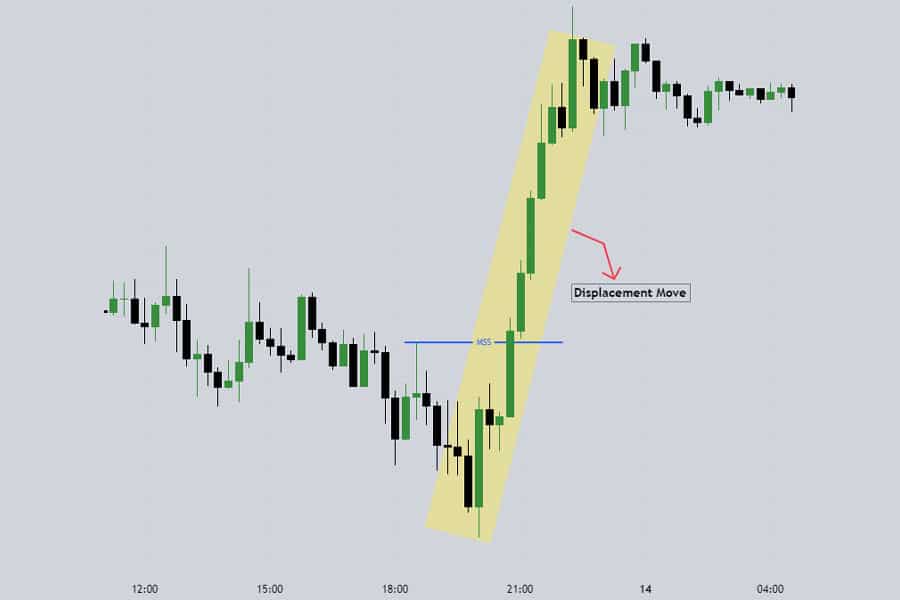
Tokenized stock platforms often require specific collateral types, such as USD Coin (USDC) or stablecoins. Review the liquidation thresholds and maintenance margin requirements. High leverage on tokenized equities can lead to rapid liquidation if the underlying asset moves against you.
The decision matrix
If you are an advanced trader comfortable with technical risks, a perpetual DEX offers the best balance of control and leverage. If you are a retail investor seeking exposure to traditional equities without the complexity of DeFi, a regulated tokenized stock platform is the safer, albeit less flexible, option.
-
Confirm the platform's regulatory license in your country
-
Review the latest smart contract audit reports for DEXs
-
Test withdrawal speeds with a small amount
-
Verify the collateral requirements for your preferred assets
Tokenized Perps FAQ
Who leads the tokenization space?
Real-world asset tokenization is reshaping traditional finance through improved liquidity and transparency. In the United States, companies like Securitize, Antier, tZERO, Vertalo, and RealT are currently leading this transformation by providing compliant infrastructure for managing tokenized assets [src-1]. These firms are setting the standard for how traditional equity and debt instruments are brought on-chain.
Are tokenized stocks safer than perpetual DEXs?
Safety depends on the counterparty risk model. Tokenized stocks typically rely on centralized custodians holding the underlying equity, introducing regulatory and counterparty risk similar to traditional brokerage accounts. Perpetual DEXs use on-chain smart contracts and over-collateralization. While this removes traditional custodial risk, it introduces smart contract risk. Neither option is inherently "safer"; they simply shift where the risk resides.
Can I trade tokenized stocks on decentralized exchanges?
Yes, but with limitations. While some decentralized exchanges (DEXs) list tokenized stock pairs, most trading occurs on specialized crypto exchanges that bridge traditional finance (TradFi) with decentralized finance (DeFi). These platforms often require identity verification (KYC) to comply with securities regulations, meaning they are not fully permissionless in the same way a pure DeFi protocol might be.
Helpful gear
Use these product recommendations as a starting point, then choose the size, material, and price point that fit how you actually use the gear.


As an Amazon Associate, we may earn from qualifying purchases.
No comments yet. Be the first to share your thoughts!