
Perpetual dex 2026 choices that change the plan
Choosing between a perpetual DEX and a traditional perp stock platform in 2026 comes down to one core variable: who controls the risk. Perpetual DEXs (decentralized exchanges) let you trade leveraged futures through smart contracts without giving up custody of your funds. In contrast, perp stock platforms (often offered by centralized brokers) hold your capital in their infrastructure.
The tradeoff is immediate. DEXs offer superior privacy and non-custodial security, meaning you retain control of your private keys. However, this comes with higher complexity and often wider funding rate spreads. Traditional platforms offer simpler user interfaces and deeper liquidity for specific equity markets, but you must trust the counterparty with your assets. The following table breaks down the specific mechanics that drive these decisions.
The choice depends on your tolerance for operational friction. If you prioritize capital efficiency and want to avoid the friction of centralized KYC (Know Your Customer) checks, a perpetual DEX is the logical path. You interact directly with the protocol, paying gas fees but avoiding platform risk. However, you must monitor your position closely, as liquidations happen instantly on-chain without the grace periods some brokers provide.
Conversely, if you are trading equity-based perpetuals, the perp stock platform offers regulatory protections and familiar accounting. The tradeoff is that your funds are commingled with the broker’s. In 2026, with DEX volumes reaching historic highs, the liquidity gap has narrowed, but for large institutional-sized orders, centralized platforms still offer better slippage protection for traditional assets.
Where each option wins
Perpetual DEXs and perpetual stock futures serve different risk profiles and capital needs. The choice depends on whether you prioritize self-custody and 24/7 access or regulatory protection and deep institutional liquidity.
Perpetual DEXs: Control and Accessibility
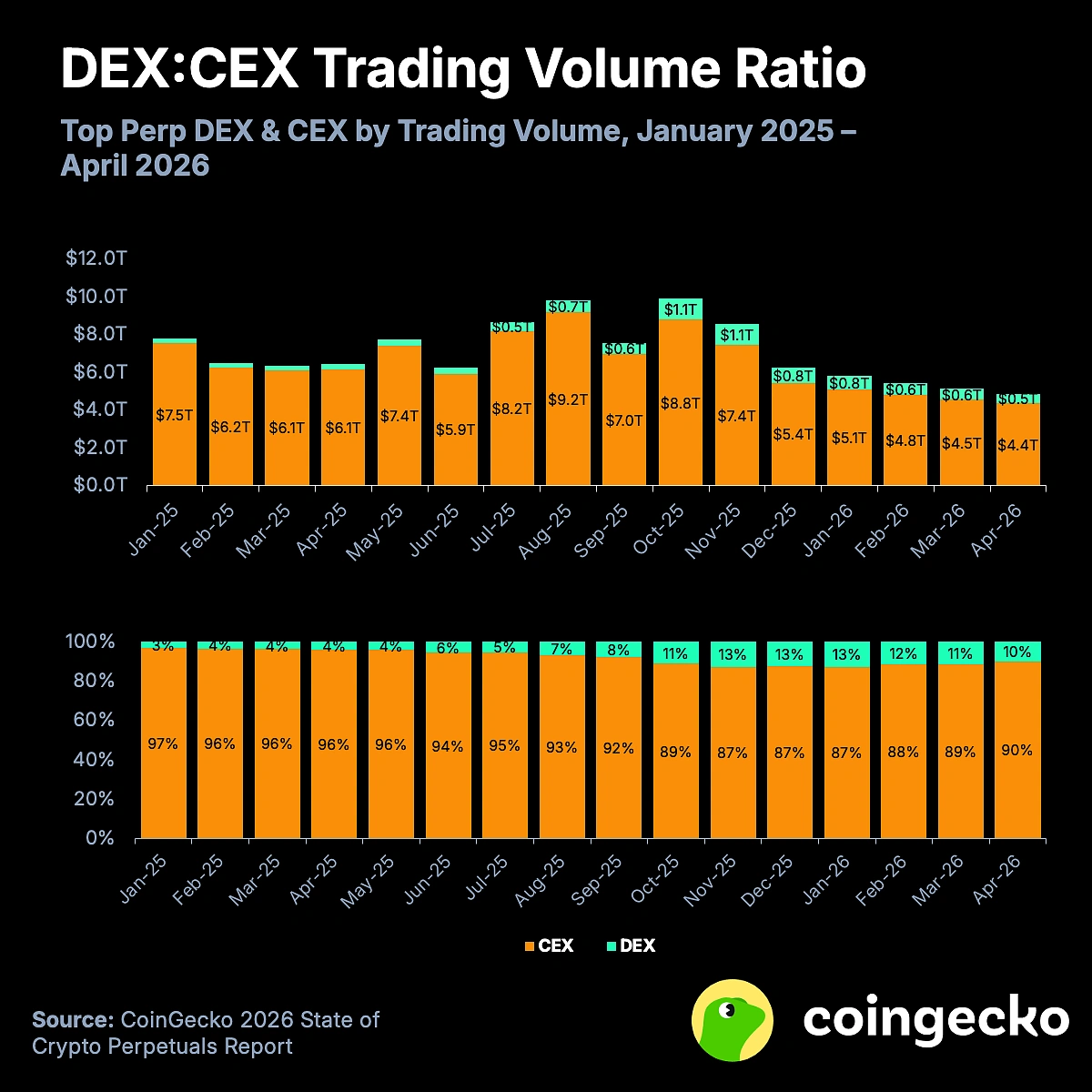
Perpetual DEXs are decentralized exchanges for trading perpetual futures without giving up custody of your funds. In 2025, DEX perpetual volume surged 346% to $6.7 trillion while centralized exchange open interest fell 20.8%. This shift highlights a strong preference for non-custodial trading among active crypto traders.
These platforms are ideal for traders who want to avoid KYC requirements and access markets 24/7. Since perpetual contracts have no expiration date, you can hold positions indefinitely as long as you maintain the required margin. This flexibility is particularly useful for long-term hedging strategies in volatile crypto markets.
Perpetual Stock Futures: Safety and Scale
Perpetual stock futures, often offered by regulated brokers, provide a familiar structure for traditional asset exposure. They are best suited for investors who need the safety of segregated client funds and potential recourse in case of platform failure.
These instruments offer higher liquidity for large orders, minimizing slippage for significant positions. They are also integrated with traditional tax reporting and accounting tools, making them easier to manage for institutional or high-net-worth traders who prioritize compliance over anonymity.
Decision Framework
| Feature | Perpetual DEXs | Perpetual Stock Futures |
|---|---|---|
| Custody | Self-custody (Wallet) | Broker-custodied |
| Hours | 24/7 | Market hours (mostly) |
| KYC | Usually None | Mandatory |
| Liquidity | Variable (Asset dependent) | High (Blue-chip stocks) |
| Best For | Crypto natives, Hedgers | Traditional investors, Institutions |
Choose perpetual DEXs if you value privacy and direct control over your assets. Opt for perpetual stock futures if you need regulatory safeguards and deep liquidity for large-scale traditional asset trading.
Details worth checking
Before opening a leveraged position on either a perpetual DEX or a stock, verify the operational mechanics that protect your capital. Perpetual DEXs remove the middleman but introduce smart contract risk. Perpetual stock futures remove the counterparty risk of a broker but expose you to traditional regulatory and liquidity constraints.
Perpetual DEXs rely on code to manage leverage. Check if the protocol has undergone independent audits by reputable firms. Unaudited or outdated code is a primary vector for liquidity drains. Ensure the smart contract logic for price oracles is transparent to prevent manipulation during high volatility.
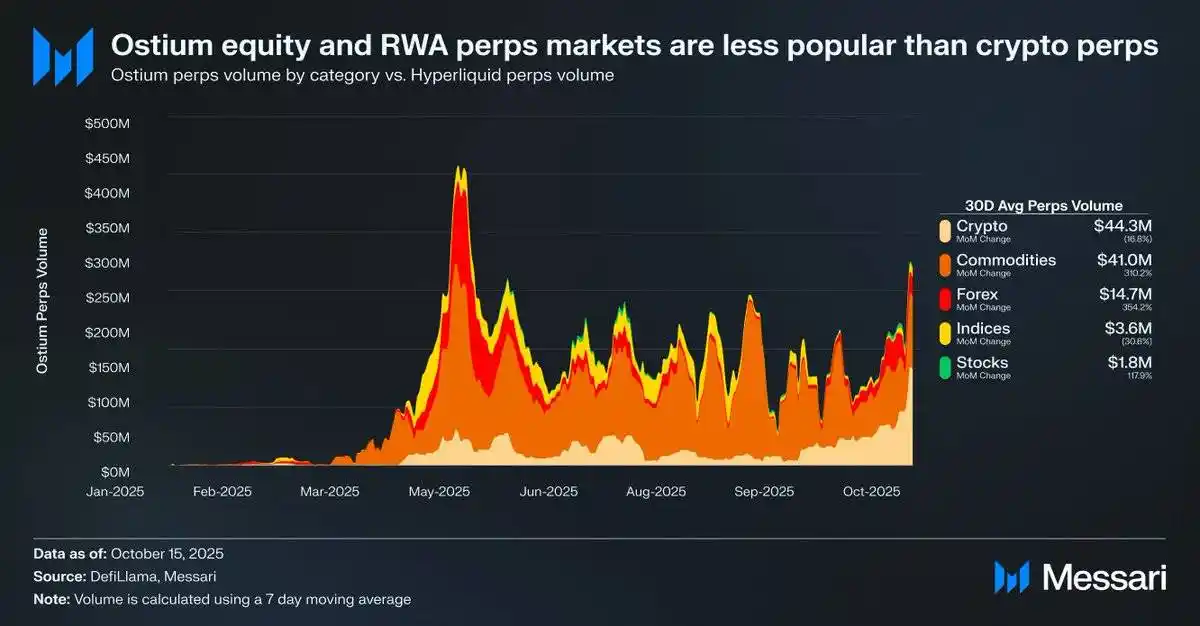
Both venues require you to maintain specific margin levels. On DEXs, liquidation is often automated via on-chain oracles; a slight price spike can trigger a loss. For perpetual stock futures, brokers may issue margin calls if equity falls below maintenance levels. Understand the exact price at which your position will be forcibly closed to avoid unexpected losses.
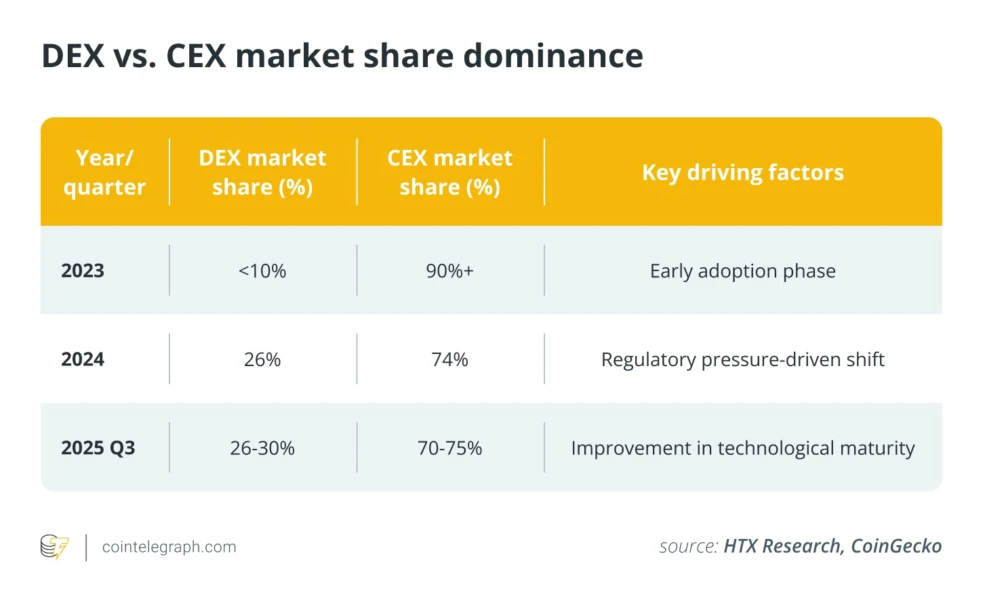
Perpetual stock futures are regulated by bodies like the CFTC or FCA, offering legal recourse in case of broker failure. DEXs operate in a decentralized, often unregulated environment. Verify if the platform restricts users from your jurisdiction. Using a DEX that blocks your region can lead to frozen funds if the protocol enforces geofencing.
Perpetual contracts use funding rates to keep prices aligned with spot markets. On DEXs, these rates are algorithmic and can fluctuate wildly. For stock perpetuals, funding costs are often embedded in wider spreads or explicit fees. Calculate the cost of holding a position overnight or over weeks to ensure the leverage strategy remains profitable.
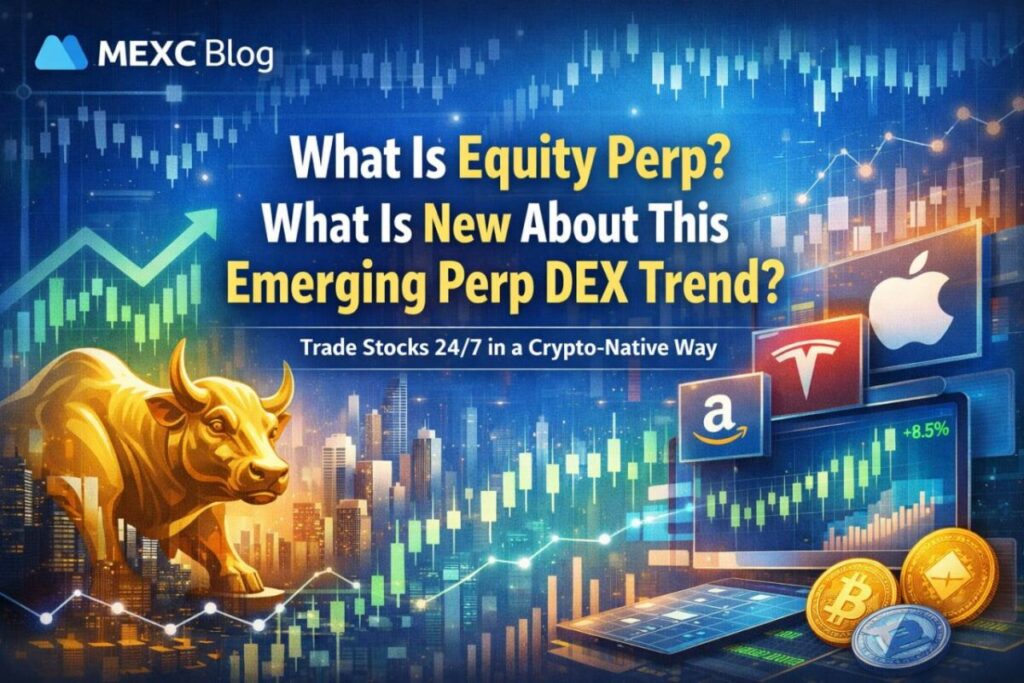
High leverage requires deep order books to enter and exit positions without significant price impact. DEXs may suffer from lower liquidity on niche tokens, leading to high slippage. Stock perpetuals generally offer deeper liquidity for major indices but may have wider spreads during market closures or holidays. Test the platform with a small amount first to gauge execution quality.
Perpetual dex 2026: what to check next
Perpetual DEXs let you trade leveraged futures through smart contracts without giving up custody of your funds. Unlike traditional futures, these contracts have no expiration date, allowing you to hold positions indefinitely as long as you maintain the required margin. This structure removes the need for scheduled settlements, giving traders flexibility that centralized exchanges often struggle to match.
The market for these decentralized platforms has shifted rapidly. In 2025, DEX perpetual volume surged 346% to $6.7 trillion, while centralized exchange open interest fell by 20.8%. This surge highlights a clear migration of liquidity toward on-chain infrastructure, where traders can access leverage without the friction of centralized intermediaries.
Helpful gear
Use these product recommendations as a starting point, then choose the size, material, and price point that fit how you actually use the gear.



As an Amazon Associate, we may earn from qualifying purchases.
No comments yet. Be the first to share your thoughts!