

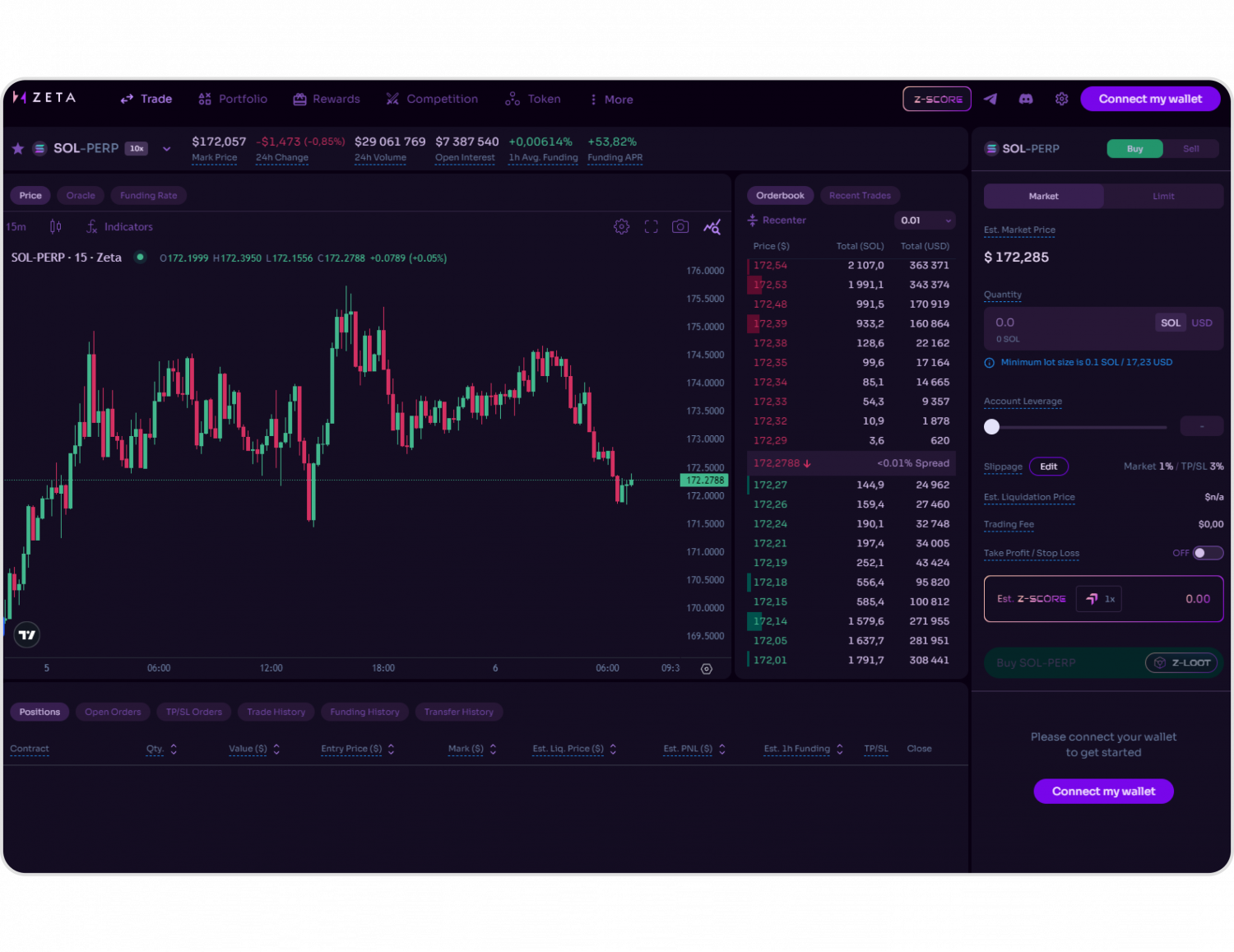
Perpetual DEX aggregators are rapidly rewriting the playbook for cross-DEX hedging and capital efficiency in DeFi. If you’re serious about perp trading strategies, staying siloed on a single DEX is leaving edge - and profits - on the table. Aggregators now provide seamless access to liquidity, advanced order routing, and real-time analytics across multiple perpetual futures DEX platforms. The result? Tighter spreads, lower slippage, and more robust hedging mechanics for traders who demand the best execution.
Why Perpetual DEX Aggregators Are Essential for Modern Hedging
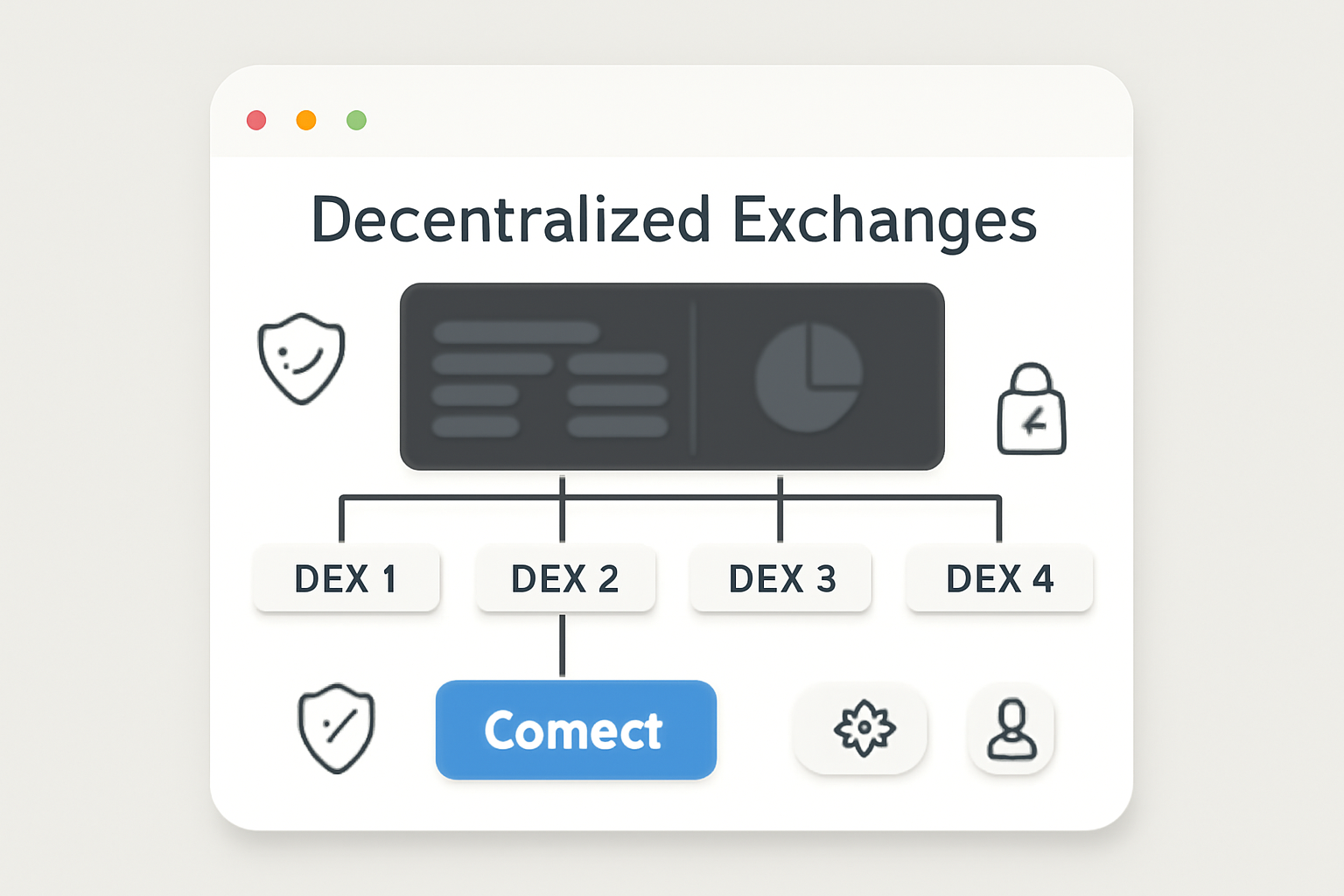
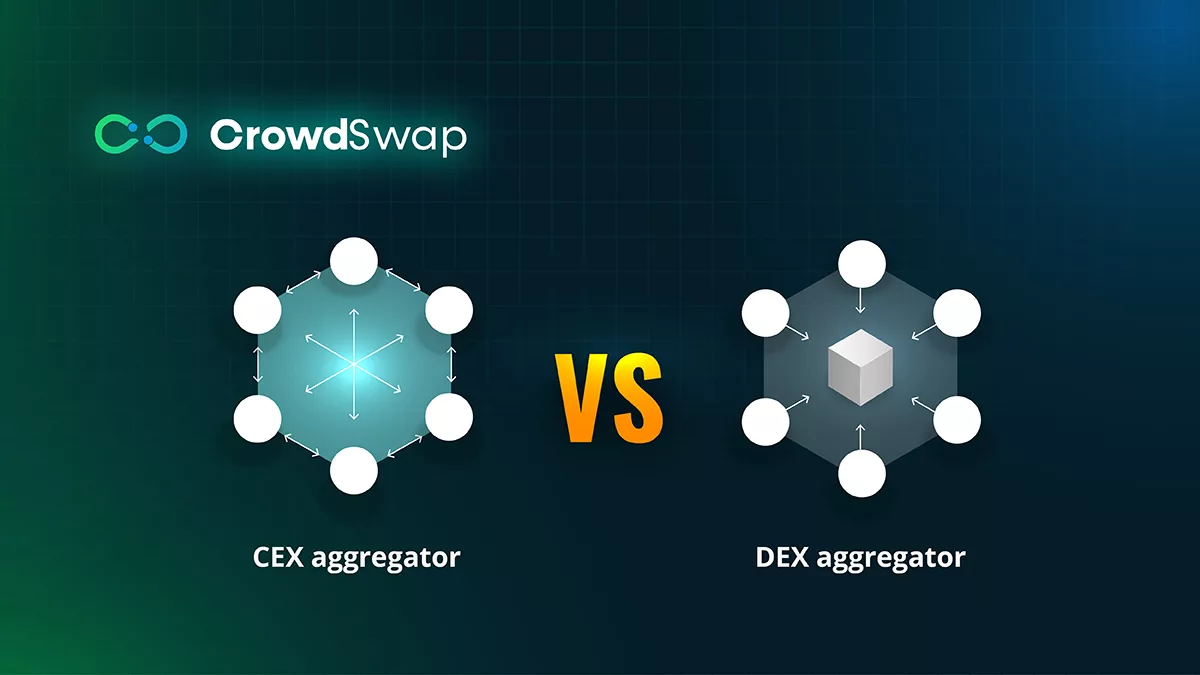
The explosion of decentralized perpetuals has fractured liquidity across chains and protocols. Even with the rise of blue-chip perp DEXs, no single platform dominates every market or asset. That’s where perpetual DEX aggregators step in: they hunt down the best prices and deepest books by pooling liquidity from multiple venues, including synthetic perp stocks.
This isn’t just about convenience - it’s about capital efficiency in DeFi. By leveraging an aggregator, you can:
Top Reasons Traders Choose Perpetual DEX Aggregators for Cross-DEX Hedging
- Access to Deep, Aggregated Liquidity: Perpetual DEX aggregators combine liquidity from multiple decentralized exchanges, enabling traders to execute large hedging trades with minimal slippage and optimal pricing.

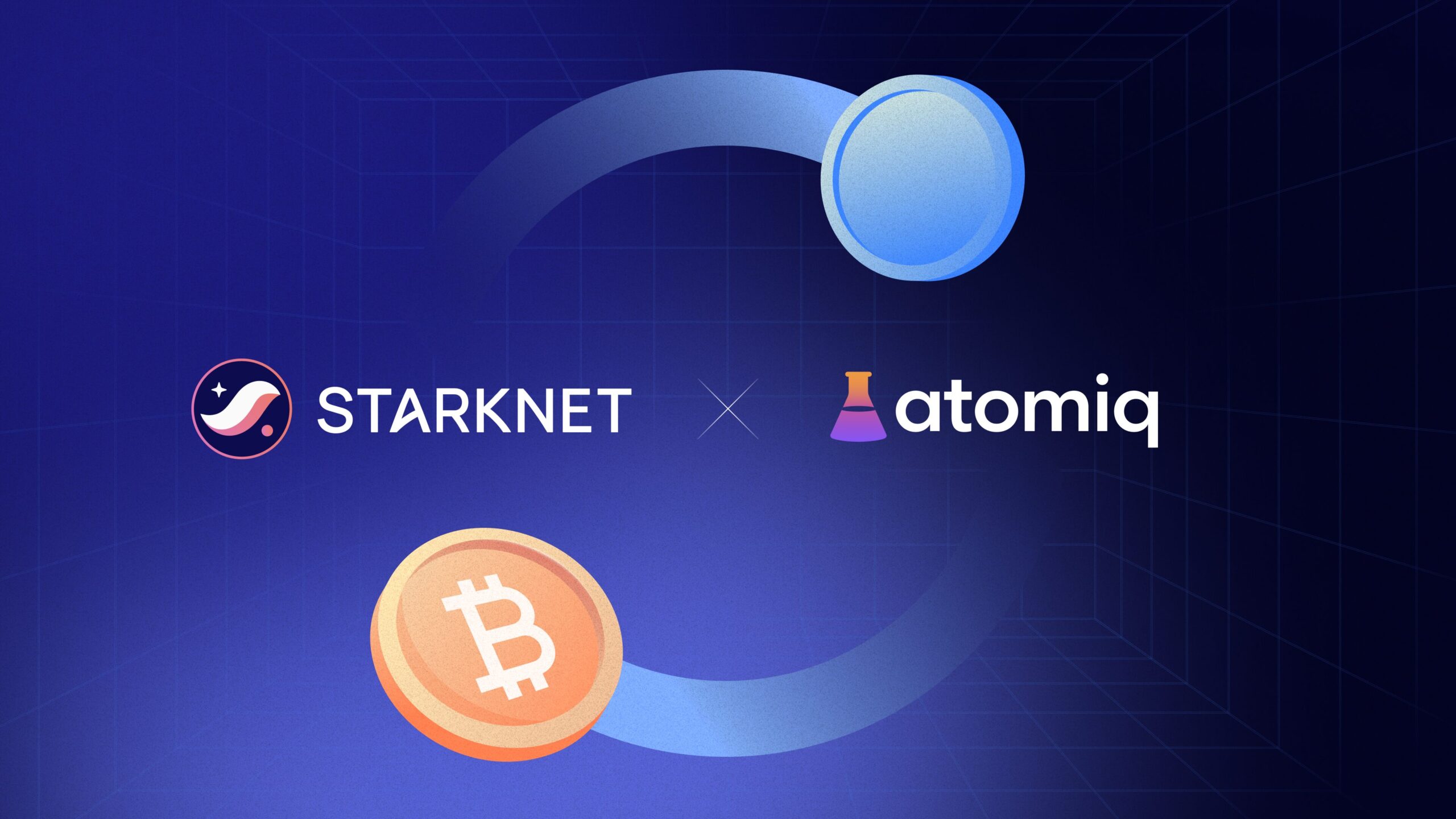
- Streamlined Cross-Chain Hedging: Leading platforms like Rango Exchange and 1inch support cross-chain swaps, allowing traders to hedge positions across different blockchains without manual bridging or complex workflows.
- Advanced Risk Management Tools: Aggregators such as Pear Protocol and OpenOcean offer features like automated stop-loss and take-profit orders, empowering traders to manage risk and secure profits efficiently.

- Protection Against MEV and Front-Running: By routing trades intelligently, aggregators help shield users from Miner Extractable Value (MEV) attacks and front-running, safeguarding hedging strategies from predatory on-chain behaviors.

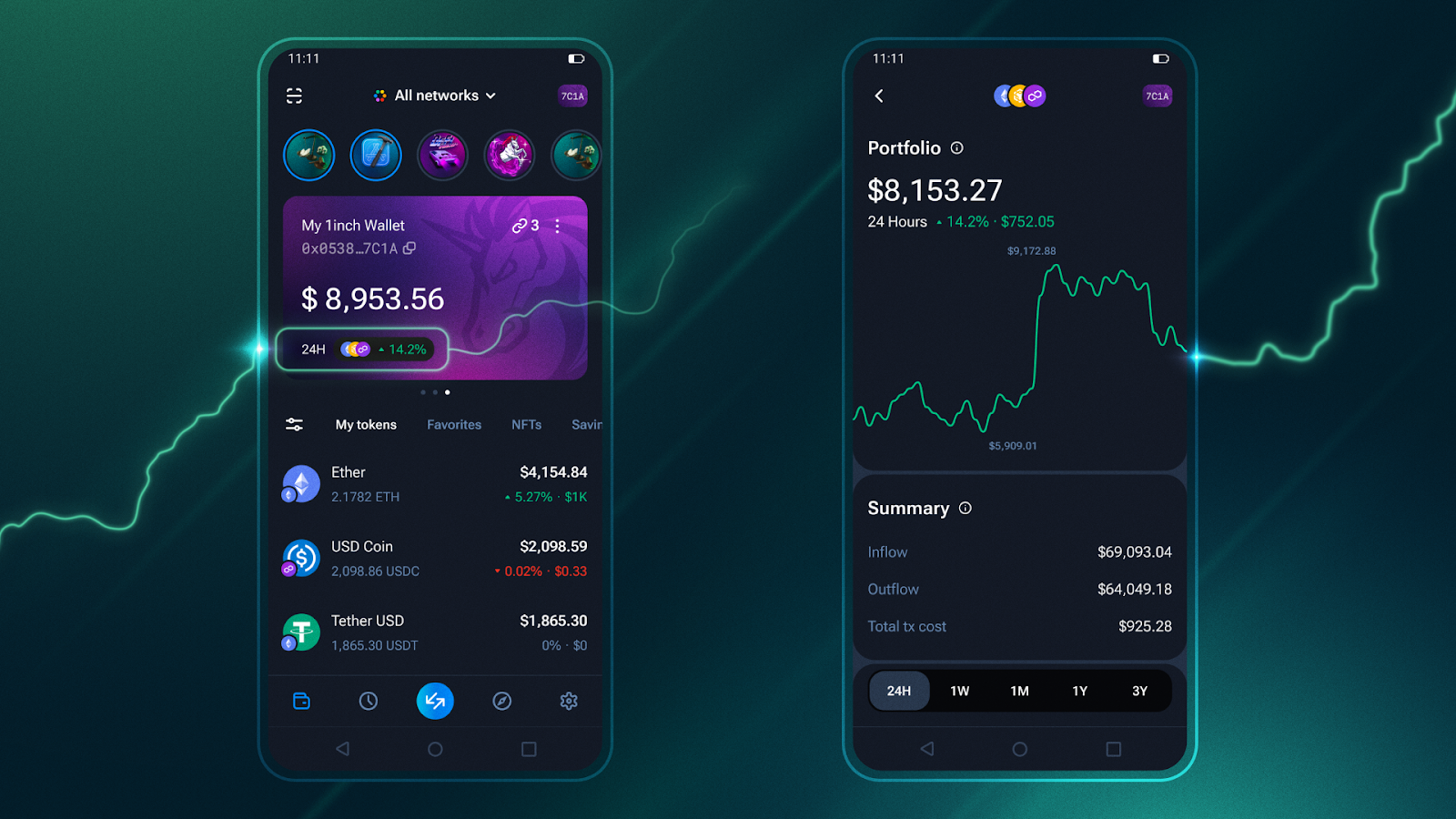
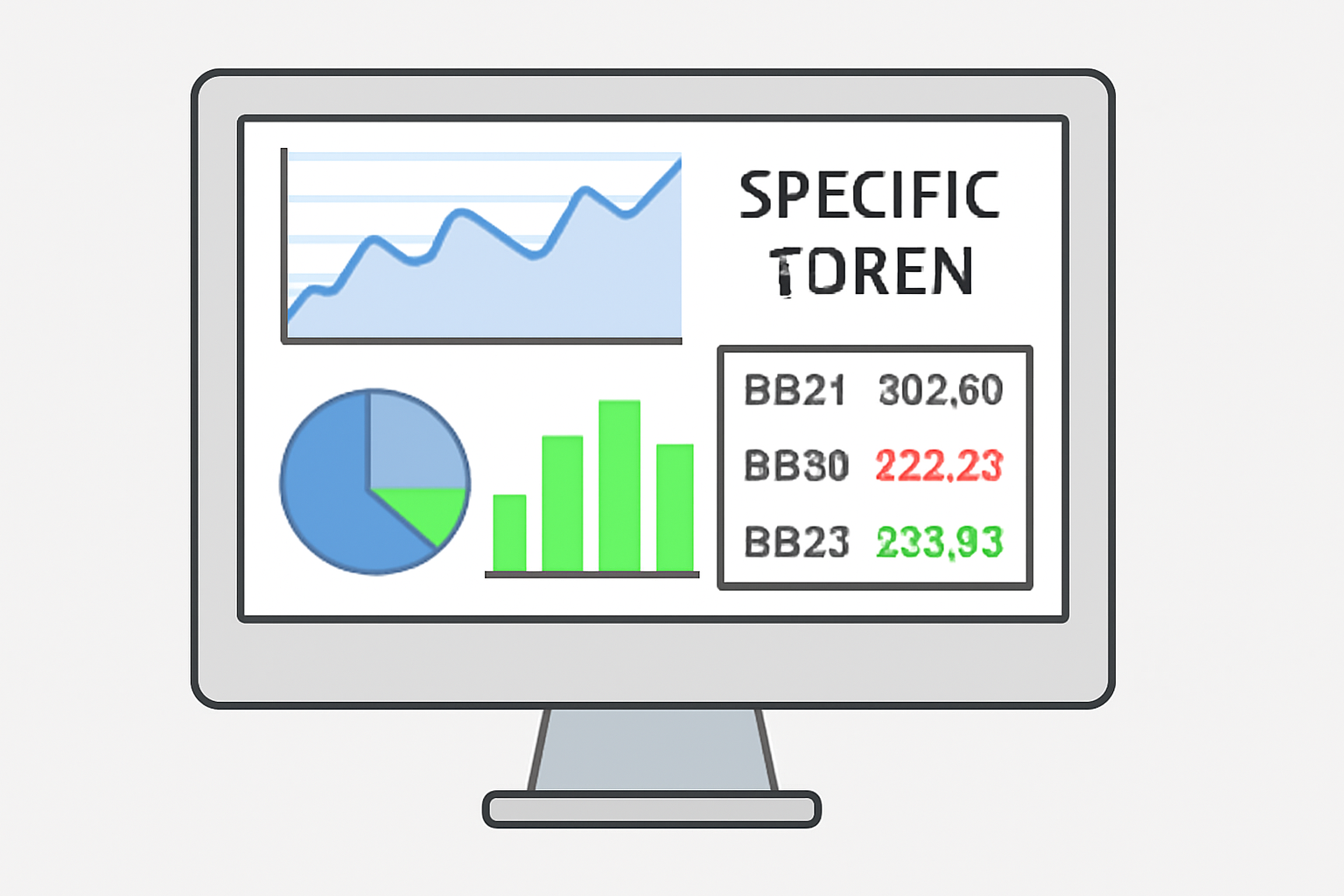
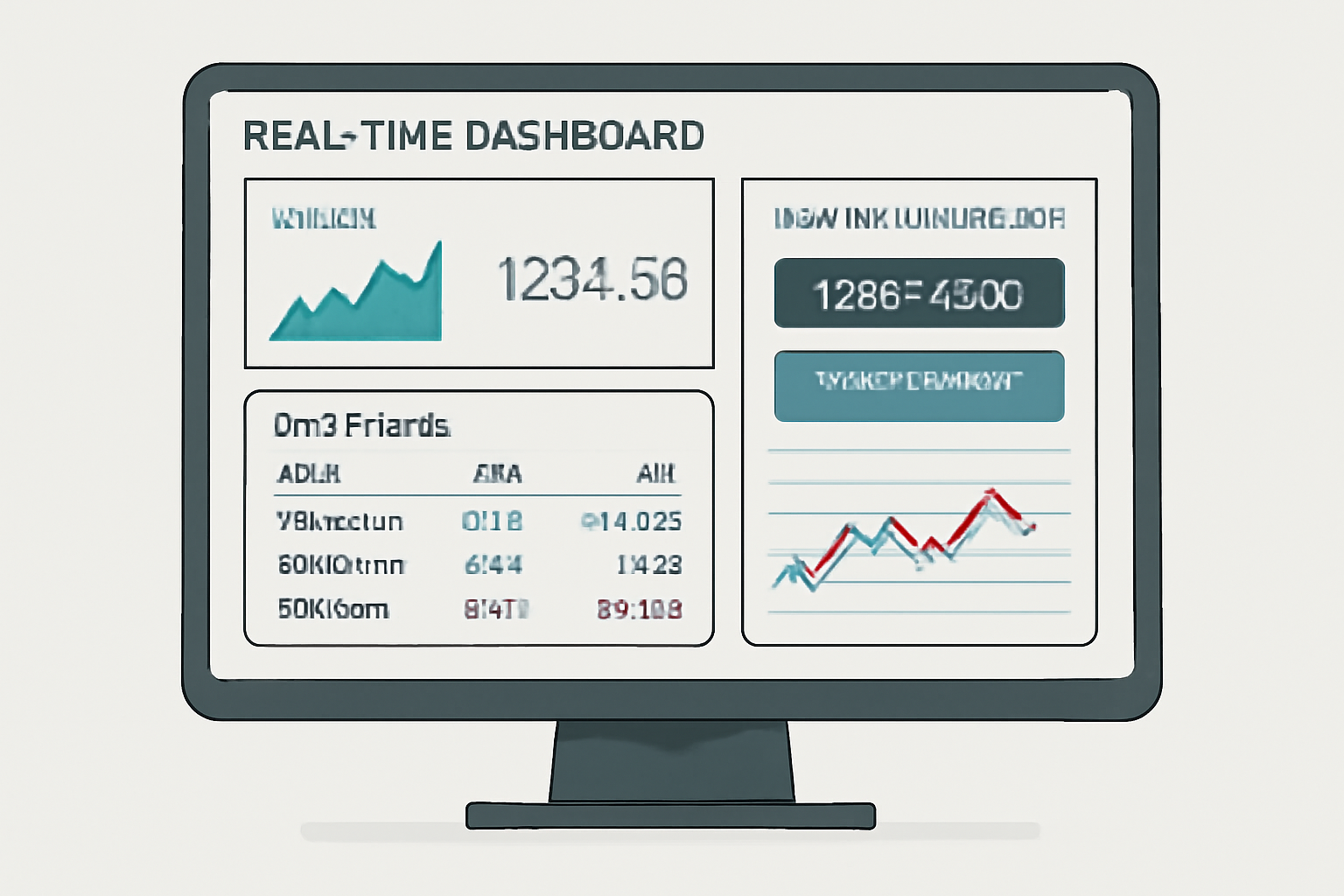
- Unified Analytics and Real-Time Data: Platforms like 1inch and OpenOcean provide comprehensive dashboards with real-time market data, funding rates, and price discrepancies, enabling tactical hedging decisions across DEXs.
Institutional players are already using these tools to optimize trade size without moving markets or getting picked off by MEV bots. For active traders, this tech levels the playing field by providing institutional-grade execution with DeFi transparency.
How Cross-DEX Hedging Works in Practice
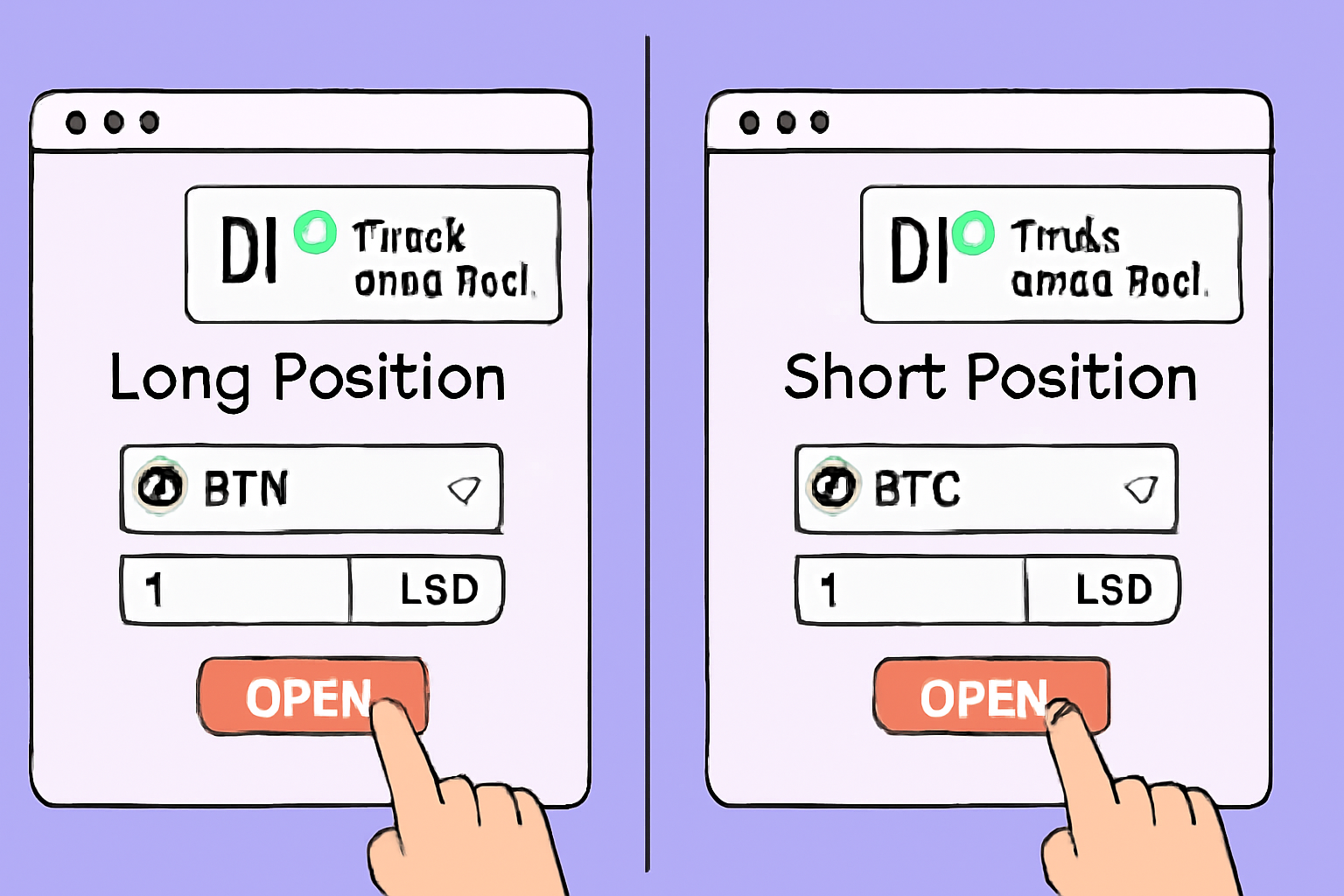
Let’s get tactical. Cross-DEX hedging means offsetting risk exposure by holding opposing positions on different platforms - long on one perp DEX, short on another. This is especially powerful when funding rates diverge or when there are temporary price dislocations between markets.
Here’s a quick scenario: You’re providing liquidity to a spot pool but want to neutralize impermanent loss risk. By opening a corresponding short position via a perpetual contract (ideally sourced through an aggregator), you lock in your net exposure while still farming yield. For an excellent breakdown of this approach, see this Perp Labs guide.
The magic happens when an aggregator lets you:
- Compare perp DEXs side-by-side for funding rates and depth
- Route orders to minimize slippage across chains
- Monitor open positions with unified dashboards
Selecting the Right Aggregator for Your Strategy
You need more than just a pretty UI - your choice of aggregator impacts speed, cost, and ultimately your P and L. Look for platforms that support your preferred assets (including synthetic perp stocks), have proven uptime during volatility spikes, and offer advanced order types like stop-losses or TWAP execution.
Set Up Cross-DEX Hedging Using a Perpetual DEX Aggregator

For those new to this workflow or looking to sharpen their edge further, check out this step-by-step guide on using cross-chain aggregators. It covers everything from wallet connection to bridging assets efficiently.
Don’t underestimate the importance of analytics and transparency. The best perpetual DEX aggregator platforms provide granular trade history, real-time funding rate comparisons, and actionable alerts. This data-driven approach lets you spot arbitrage opportunities or sudden shifts in perp trading strategies before the crowd - a critical edge in today’s hyper-competitive markets.
Advanced Tactics: Funding Rate Arbitrage and Capital Efficiency
One of the highest-leverage moves is exploiting funding rate discrepancies across multiple perpetual futures DEXs. Aggregators make it simple to scan for outliers: if one DEX is paying a positive funding rate while another is negative, you can structure a market-neutral long-short position to capture the spread with minimal directional risk. That’s capital efficiency in DeFi at its finest.
But it doesn’t stop there. Many platforms now integrate automated rebalancing tools and cross-margining, letting you dynamically adjust hedges as conditions change without manual intervention. This not only saves time but also helps protect against liquidation risk during volatile swings.
Advanced Cross-DEX Hedging Tactics with Perpetual DEX Aggregators
- Simultaneous Multi-DEX Positioning: Use platforms like Pear Protocol to open offsetting long and short positions across different DEXs. This enables you to hedge exposure and exploit price discrepancies between exchanges in real time.
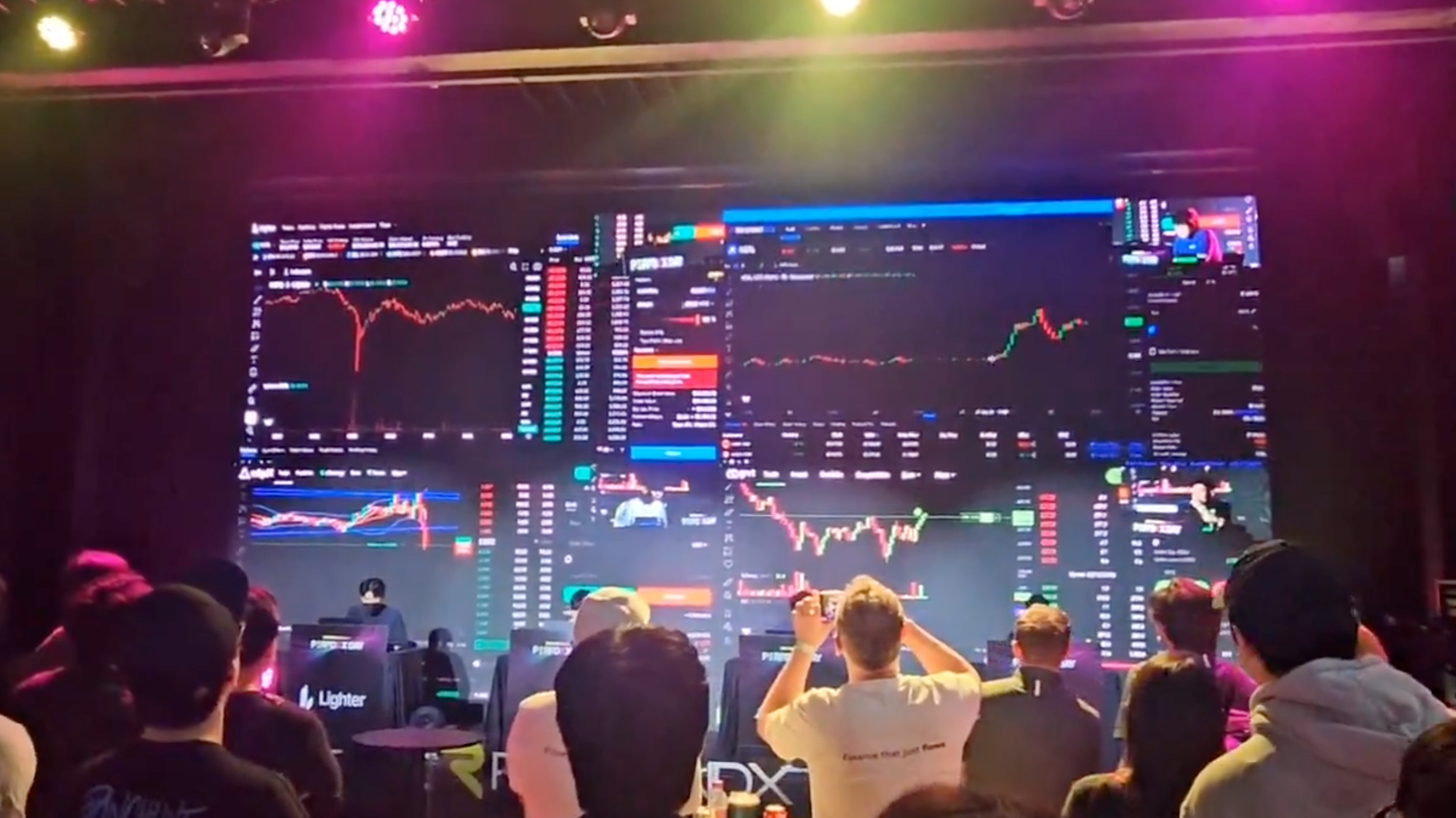
- Cross-Chain Hedging via Aggregators: Leverage cross-chain DEX aggregators such as Rango Exchange to hedge positions across multiple blockchain ecosystems without manual bridging. This reduces operational risk and streamlines asset management.
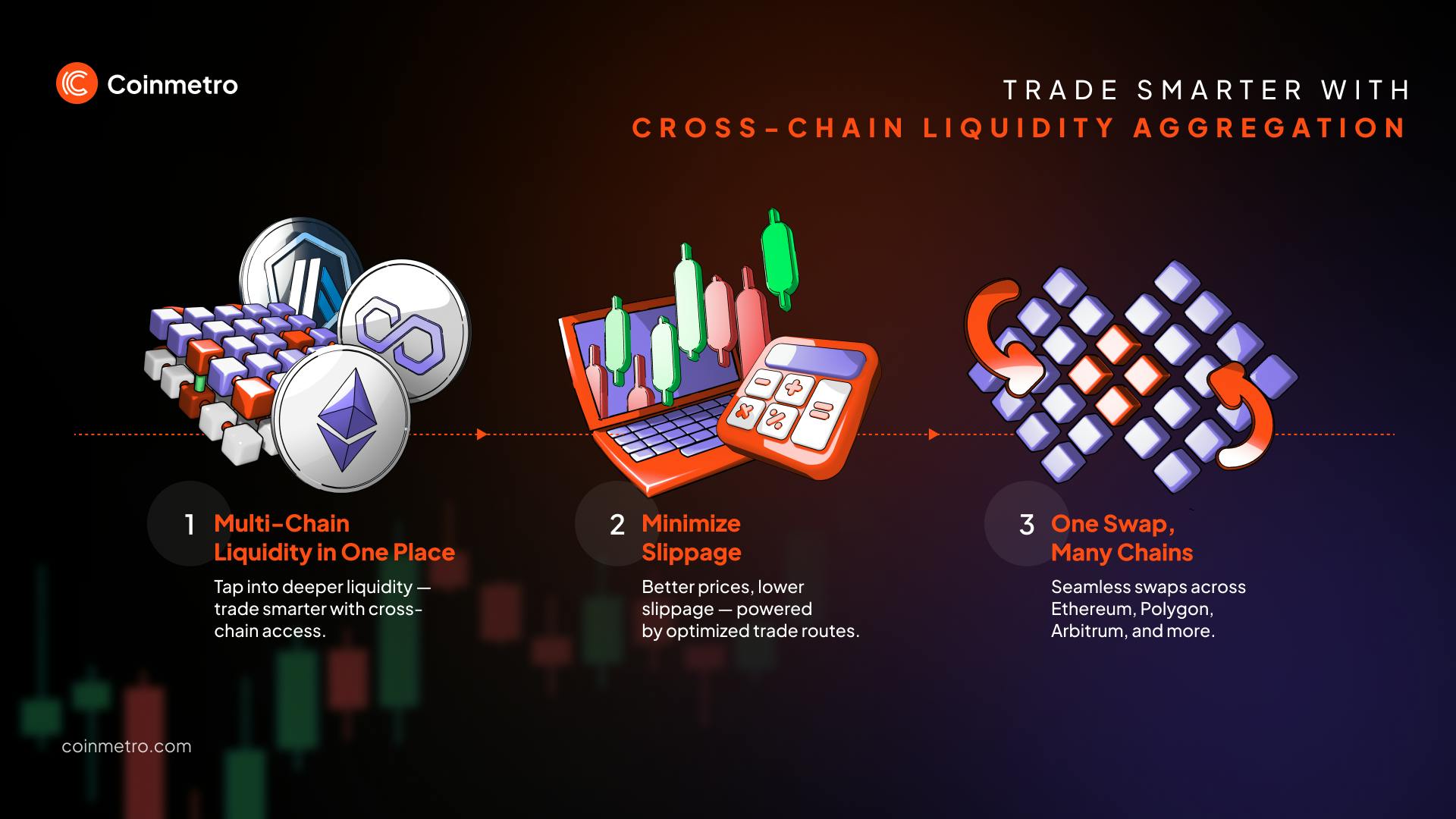
- Liquidity Optimization and Slippage Reduction: Aggregate liquidity from multiple DEXs using solutions like Matcha to execute large hedging trades with minimal slippage, ensuring optimal pricing and efficient trade execution.
- Real-Time Analytics for Arbitrage and Funding Rate Monitoring: Employ aggregator dashboards (e.g., MasterDEX) to track price spreads, funding rates, and liquidity across DEXs, enabling data-driven hedging and arbitrage strategies.

If you’re trading synthetic perp stocks alongside crypto pairs, aggregators can help you compare perp DEXs for depth and liquidity on these newer assets as well. This flexibility is vital as perp markets expand beyond just BTC and ETH into equities, forex, and even niche commodities.
Common Pitfalls (and How to Avoid Them)
Even with top-tier tools, success isn’t guaranteed. Here are some tactical reminders:
- Watch for gas fees: Cross-chain trades can rack up costs if not routed efficiently. Use aggregators with smart fee optimization algorithms.
- Monitor funding rates closely: These can flip quickly - always have alerts set for major shifts that could impact your hedges.
- Diversify your platforms: Don’t put all your capital on one aggregator or DEX; spread risk across several venues to minimize downtime exposure or protocol-specific risks.
If you want to see how pro traders are leveraging these tools right now, check out this real-world thread:
Ready to Level Up Your Perpetual Trading?
The DeFi landscape won’t wait for anyone. Perpetual DEX aggregators are unlocking new levels of efficiency and opportunity for both retail and institutional players willing to adapt fast. If you’re still stuck manually bridging assets or hunting for liquidity on single platforms, now is the time to upgrade your stack.
The bottom line? Smart use of cross-DEX hedging via aggregators lets you control risk, boost returns, and stay nimble in a rapidly evolving market. Whether your focus is high-frequency scalping or longer-term yield farming protection, mastering these tools will separate amateurs from pros as perp trading matures.



No comments yet. Be the first to share your thoughts!