If you want to trade the price movements of top stocks without ever touching a traditional brokerage, synthetic perp stocks on decentralized exchanges are your edge. Forget the old barriers of Wall Street. Now, with a few clicks and a crypto wallet, you can go long or short on synthetic equities 24/7, with leverage and total self-custody. Let's break down how to get started in this rapidly evolving market, and why this matters for tactical traders who want maximum flexibility and control.

Why Synthetic Perp Stocks Are Changing the Game

Synthetic perpetual stocks are blockchain-based derivatives that mirror the price action of real-world equities like Tesla, Apple, or even indices, without you ever owning the underlying shares. These instruments are perpetual: they have no expiry date, so you can hold a position as long as your collateral holds up. The magic sauce? Funding rates, which keep the synthetic price tightly pegged to its real-world counterpart.

This new breed of asset lets you:

  • Trade global stock markets 24/7: no closing bell, no intermediaries.
  • Use leverage (often up to 50x) for amplified returns (and risk).
  • Retain custody of your funds, no centralized broker risk.
  • Avoid KYC headaches: all you need is a DeFi wallet.

The result: a borderless, permissionless way to speculate on stocks using DeFi rails. Platforms like Synthetix, gTrade by Gains Network, and dYdX are leading this revolution.
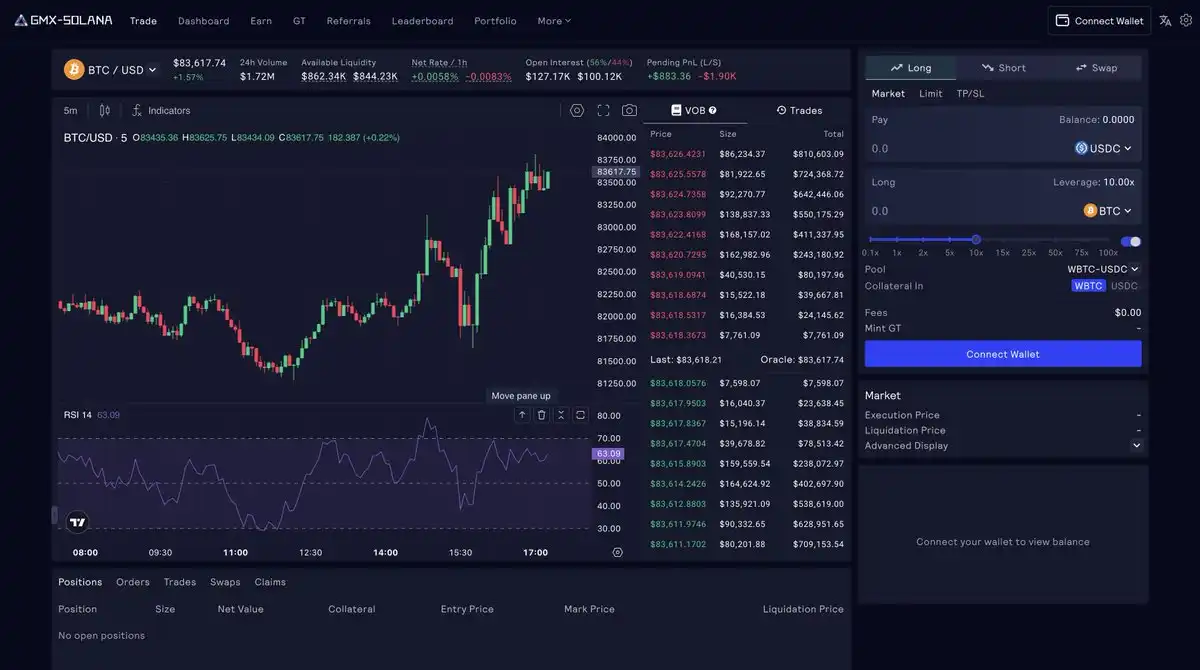
Dynamic decentralized exchange dashboard for synthetic perpetual stock trading, featuring wallet connection and leverage options, without specific price data.

Your Tactical Setup: Wallets, Collateral and Connecting to DEXs

The first step is setting up your toolkit. You’ll need a non-custodial crypto wallet provides MetaMask, Trust Wallet, or similar, that supports the blockchain where your chosen platform operates (Ethereum for Synthetix, Polygon for gTrade). Fund it with crypto like ETH or DAI; these will serve as your collateral when opening trades.

Navigating to your DEX of choice is simple:

Connect Your Wallet & Deposit Collateral on Synthetix, gTrade, and dYdX: A Visual Walkthrough
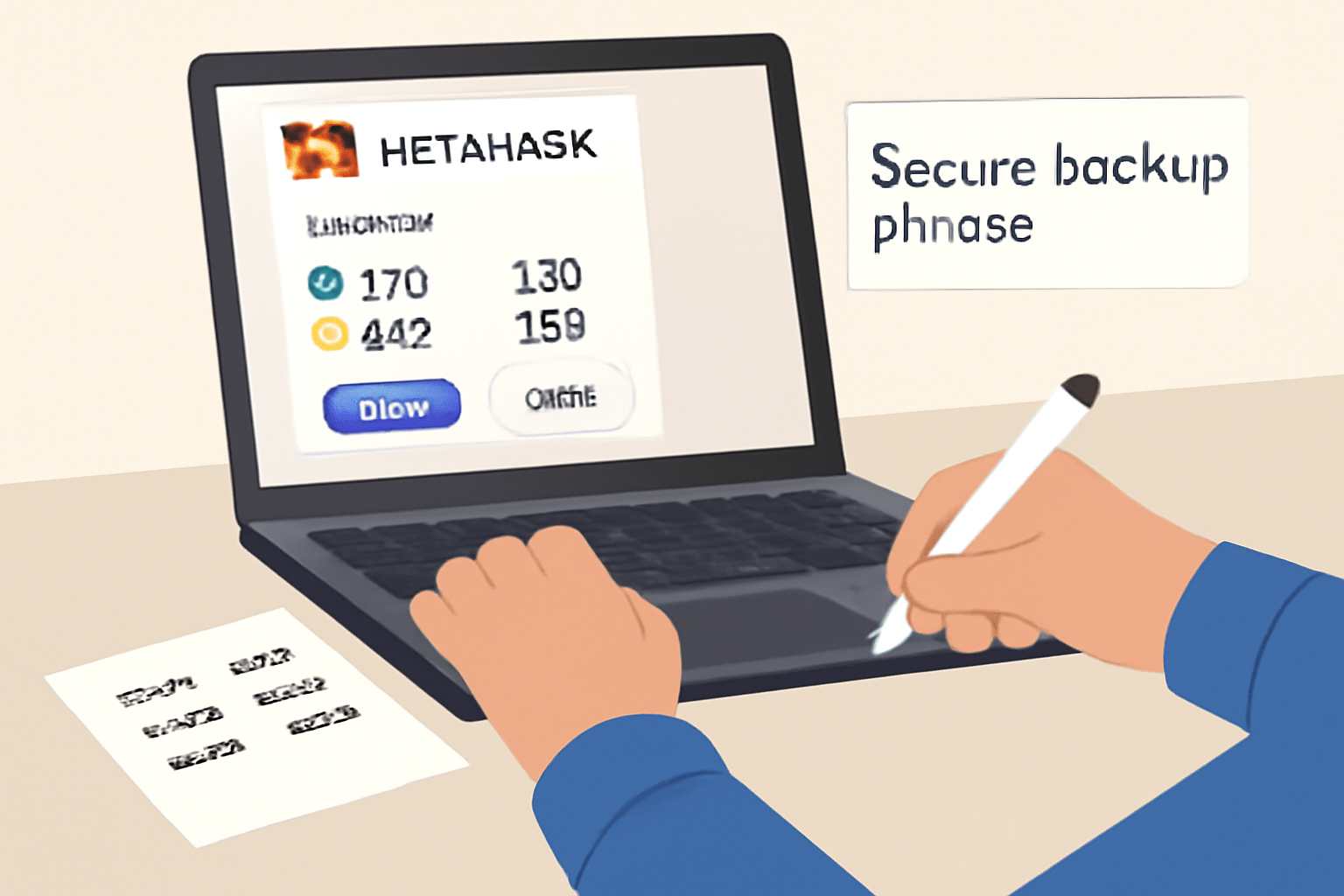
A person setting up MetaMask wallet on a laptop, showing the wallet interface with ETH and DAI balances, and a secure backup phrase being written down, digital art, clear and modern style.
Install and Fund a Crypto Wallet
Download a trusted non-custodial wallet like MetaMask or Trust Wallet. Set up your wallet, back up your recovery phrase, and fund it with the required cryptocurrency (ETH, DAI, or SNX) based on the DEX you plan to use. This crypto will serve as your trading collateral.
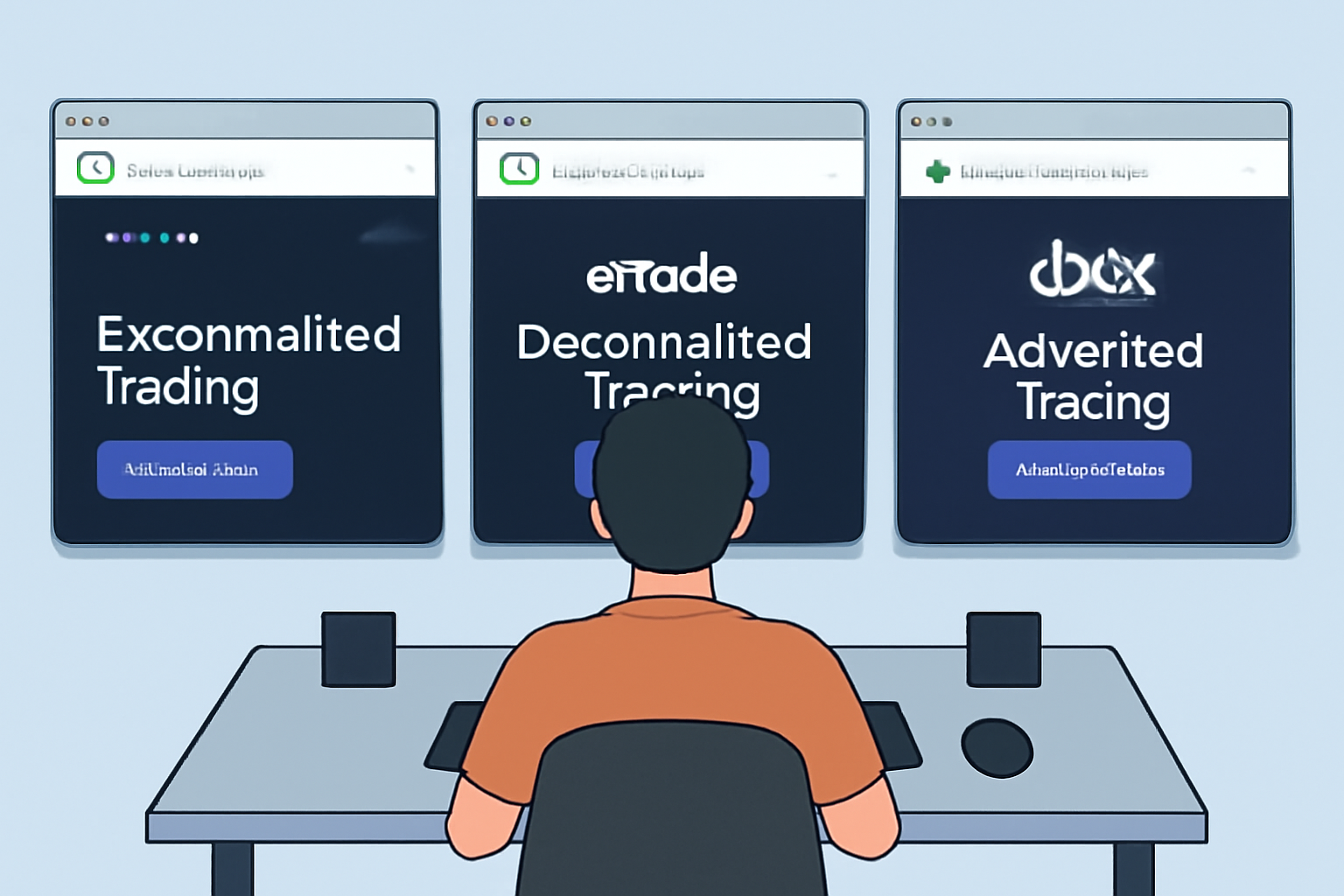
A user sitting at a desk with three computer screens, each displaying the homepages of Synthetix, gTrade, and dYdX, with security icons and browser address bars highlighted, digital illustration.
Access the Decentralized Exchange
Go to the official website of your chosen DEX: Synthetix (synthetix.io), gTrade (gains.trade), or dYdX (dydx.exchange). Double-check the URL to avoid phishing scams. Get ready to connect your wallet for a secure trading experience.
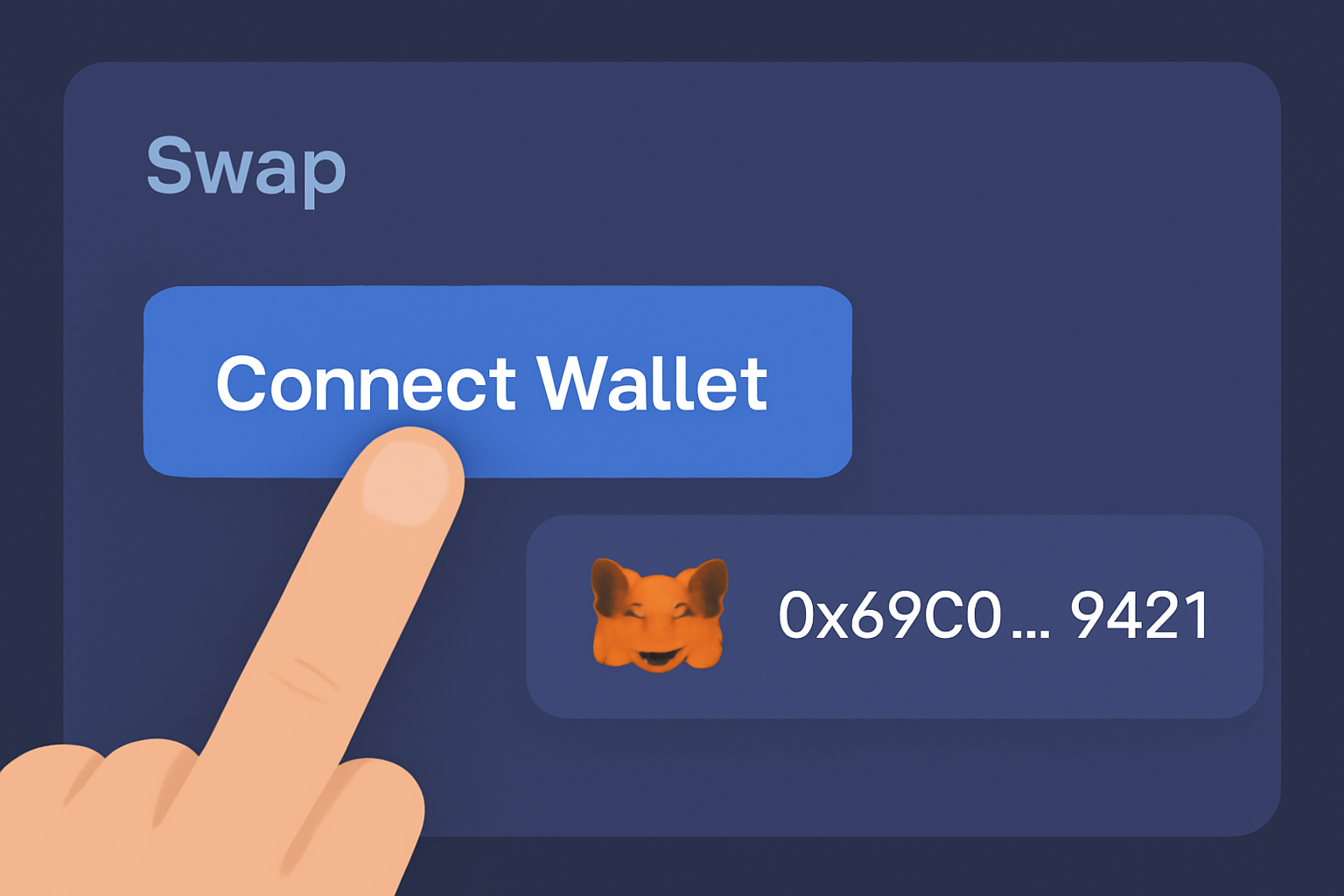
A close-up of a digital 'Connect Wallet' button being clicked, with a MetaMask fox logo and a wallet address appearing on the DEX interface, clean UI, digital art.
Connect Your Wallet to the DEX
Click the 'Connect Wallet' button on the DEX site. Select your wallet provider (e.g., MetaMask). Approve the connection in your wallet pop-up. You should see your wallet address appear on the DEX interface, confirming the link.
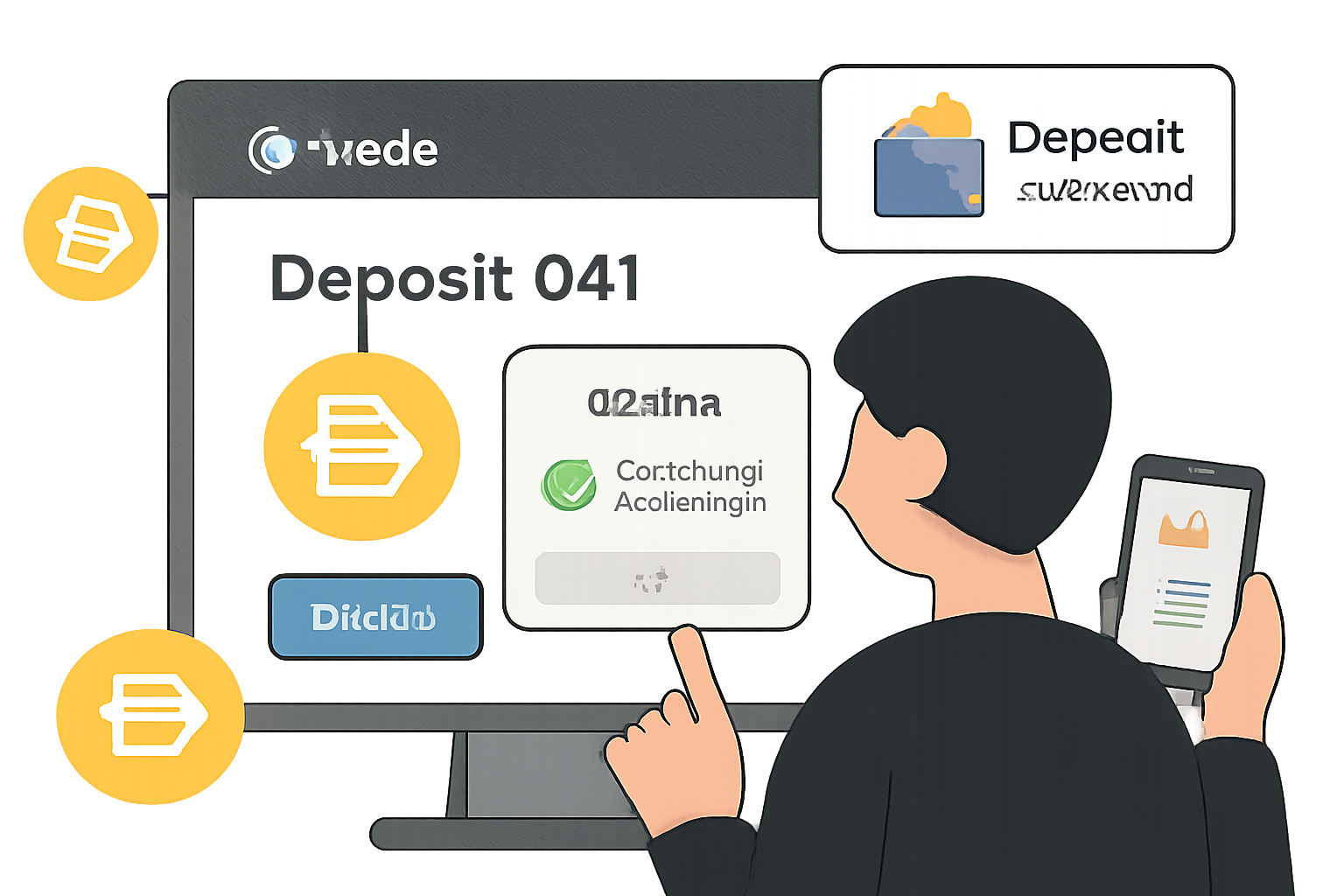
A user depositing DAI into the gTrade platform, showing a confirmation pop-up and a wallet notification, with DAI coin icons, digital style.
Deposit Collateral on gTrade
On gTrade, select 'Deposit' and choose DAI as your collateral. Enter the amount and confirm the transaction in your wallet. Wait for the blockchain confirmation—your DAI is now ready for leveraged trading.
A person staking SNX tokens on the Synthetix interface, with SNX and sUSD tokens visible, and a blockchain transaction confirmation, digital illustration.
Deposit Collateral on Synthetix
For Synthetix, stake SNX tokens to mint synthetic assets. Navigate to the staking section, input the amount of SNX, and confirm the transaction. Once staked, you'll be able to mint sUSD or other synths as collateral for trading.
A user depositing ETH into dYdX, showing the deposit screen, wallet approval, and ETH balance updating, clean digital art.
Deposit Collateral on dYdX
On dYdX, click 'Deposit' and select your preferred collateral (such as ETH or USDC). Enter the deposit amount, approve the transaction in your wallet, and wait for confirmation. Your collateral will appear in your dYdX account, ready for trading.

The process is fast but demands precision, always double-check URLs and platform legitimacy before connecting your wallet to avoid phishing risks.

Selecting Your Synthetic Stock and Leverage Level: Where Traders Find Their Edge

This is where strategy meets opportunity. On platforms like gTrade by Gains Network (leverage up to 50x), Synthetix (minting via SNX staking), or dYdX (20x leverage), you’ll find a menu of synthetic perp stocks ready for action. Pick your target, say TSLA or AAPL, and dial in your leverage based on risk appetite. Remember: higher leverage means greater potential upside but also sharper downside moves if the market turns against you.

You’re not just betting on direction; you’re competing against other traders in real time, with funding rates constantly adjusting incentives between longs and shorts. This dynamic keeps prices aligned with reality but also demands active position management, set alerts for margin calls and funding payments.

The Core Steps: Placing Your First Trade on a Perp DEX

Trade Synthetic Perp Stocks on DEXs: Your Tactical Step-by-Step Playbook
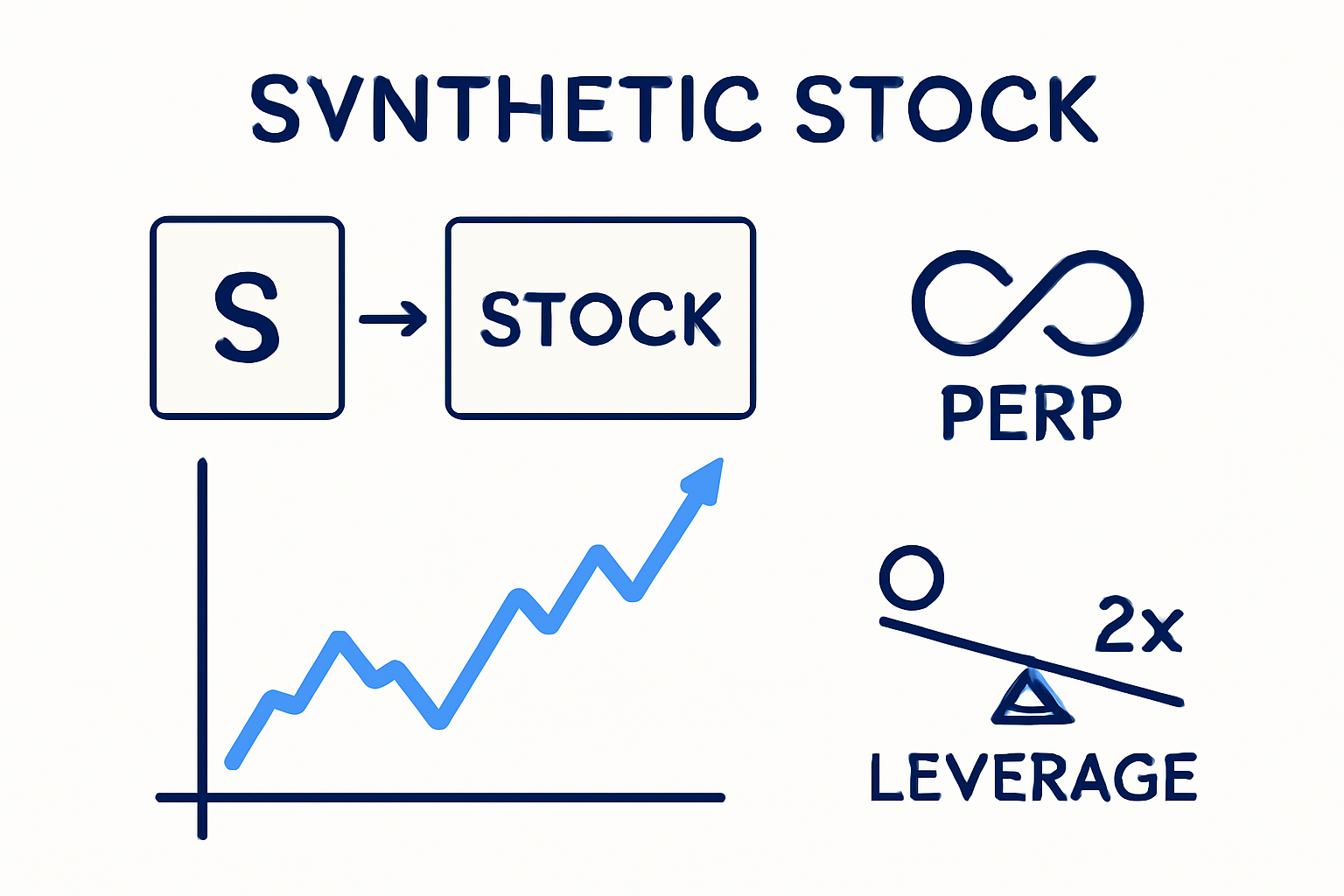
A digital chart showing a synthetic stock price mirroring a real-world stock, with perpetual contract symbols and leverage icons.
Understand Synthetic Perpetual Stocks
Synthetic perpetual stocks are derivatives that mirror the price of real-world stocks, allowing you to speculate on price movements with leverage—no need to own the underlying shares. These contracts never expire and use funding rates to stay close to the real stock price.
A split-screen interface showing logos of gTrade, Synthetix, and dYdX with trading dashboards.
Choose Your Decentralized Exchange (DEX)
Pick a DEX that supports synthetic perp stocks. Top choices include gTrade (Gains Network) for up to 50x leverage, Synthetix for a wide variety of synthetic assets, or dYdX for advanced perpetual futures trading. Each platform has unique features—select the one that fits your trading style.
A digital wallet app with ETH, DAI, and SNX balances, ready for use.
Set Up and Fund Your Wallet
Install a non-custodial wallet like MetaMask or Trust Wallet. Fund it with the required crypto: DAI for gTrade, SNX for Synthetix, or other supported tokens for dYdX. This crypto will serve as your trading collateral.
A user clicking 'Connect Wallet' on a DEX website, with a secure connection notification.
Connect Wallet to the DEX
Go to your chosen DEX’s official website and connect your wallet. Follow the prompts to securely link your wallet—this gives you access to the trading interface and your funds.
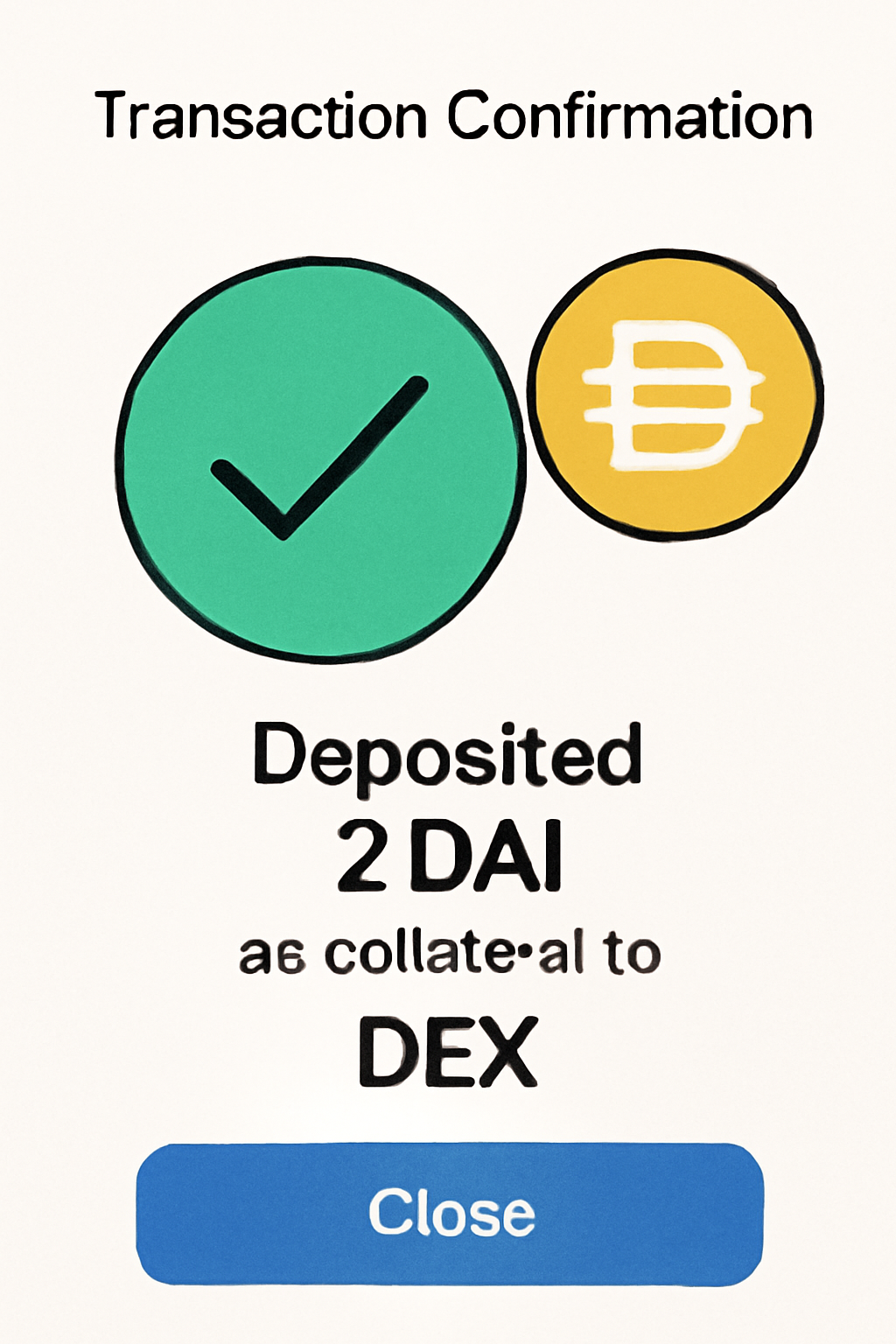
A transaction confirmation screen showing DAI or SNX being deposited as collateral on a DEX.
Deposit Collateral
Deposit the required collateral into your DEX account. For example, send DAI to gTrade or stake SNX on Synthetix. Check the platform’s margin and collateralization requirements to avoid unnecessary risk.
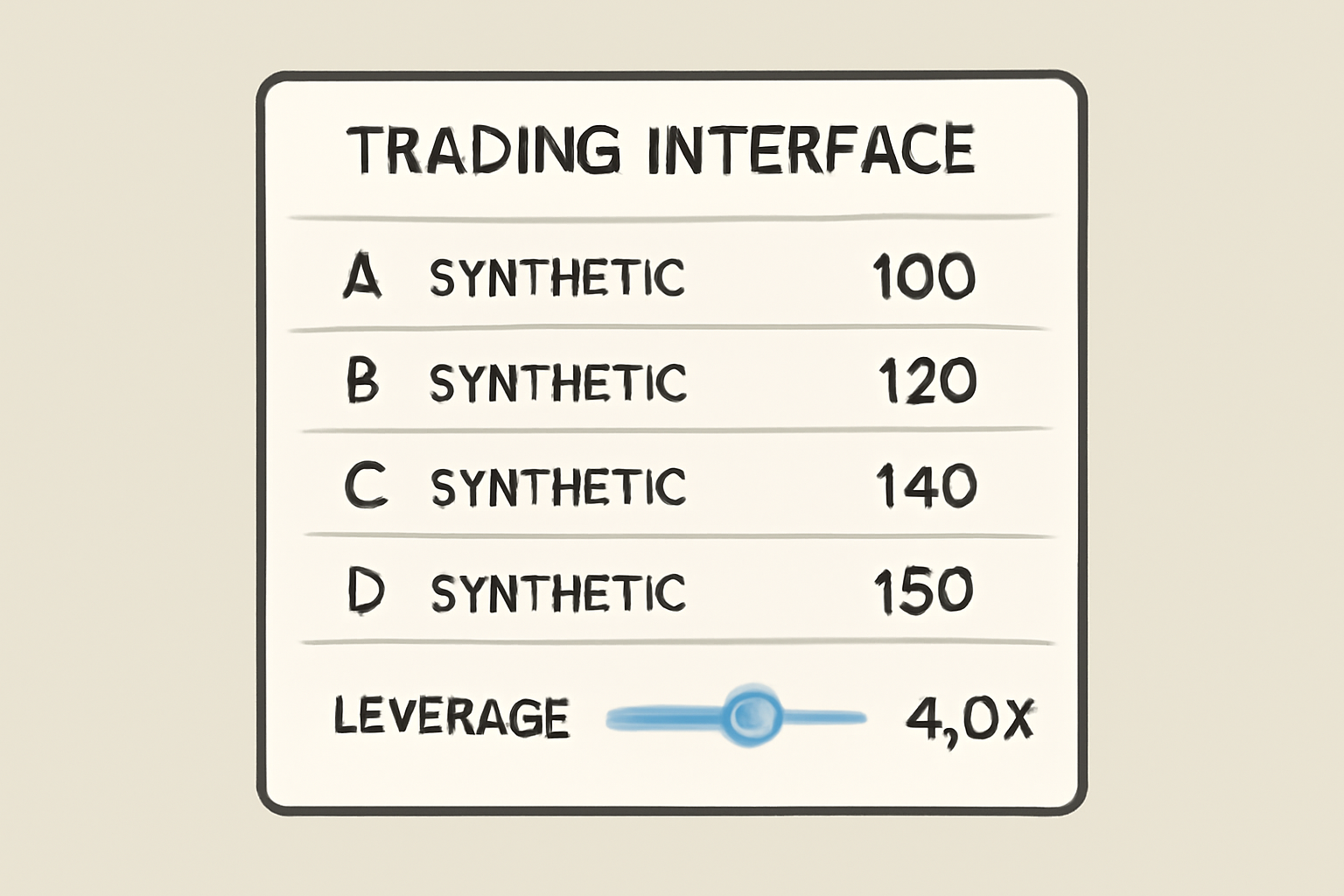
A trading interface with a list of synthetic stocks and a leverage slider set to a chosen value.
Select Synthetic Stock and Set Leverage
Browse the available synthetic stocks and pick your target. Set your leverage—higher leverage means bigger potential gains and losses. Stay tactical: only use leverage you can manage.
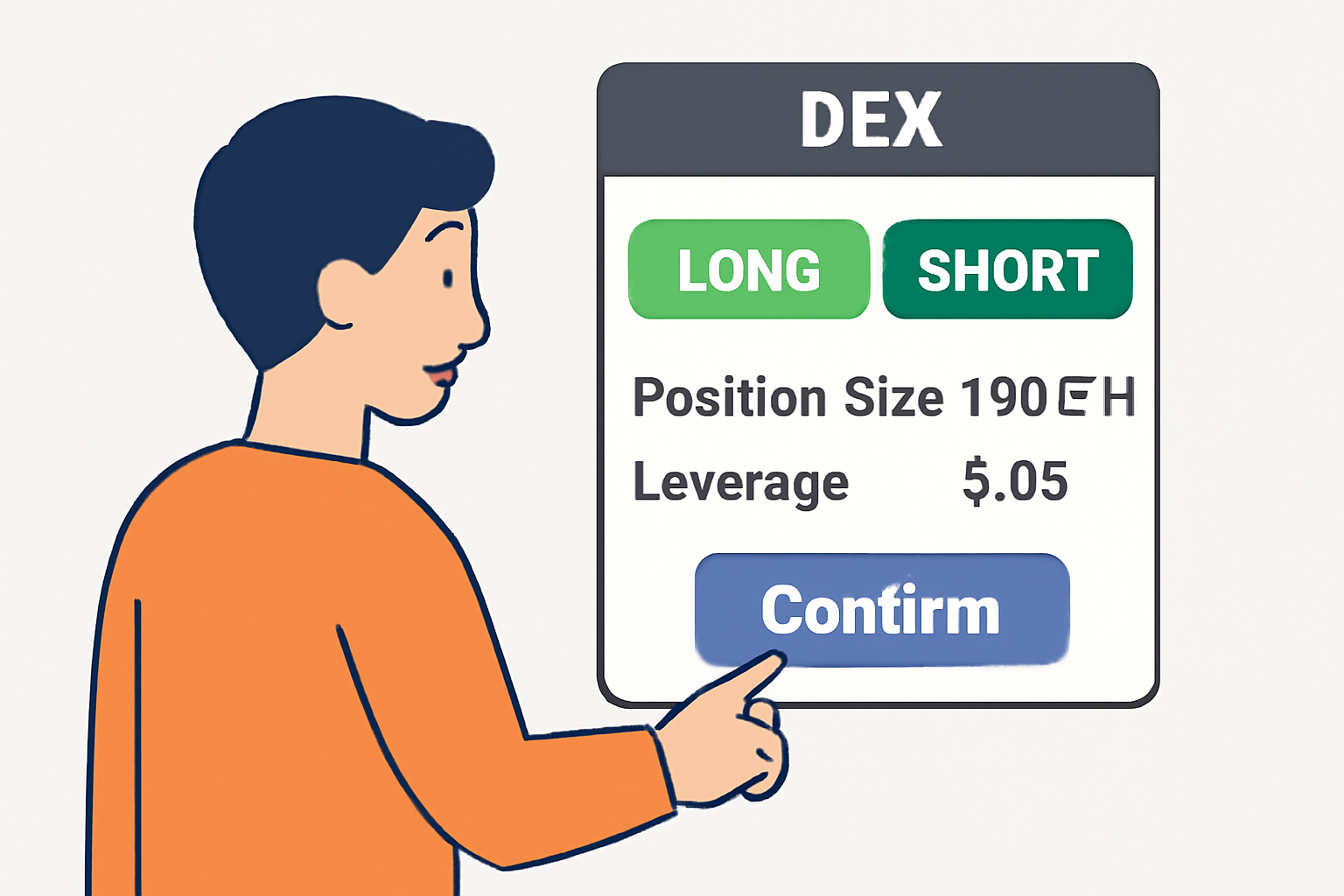
A user confirming a long or short trade order on a DEX, showing position size and leverage details.
Place Your Long or Short Trade
Decide your market direction: go long (buy) if you expect the stock to rise, or short (sell) if you expect it to fall. Enter your position size and leverage, then confirm the trade. The DEX will execute your order instantly.
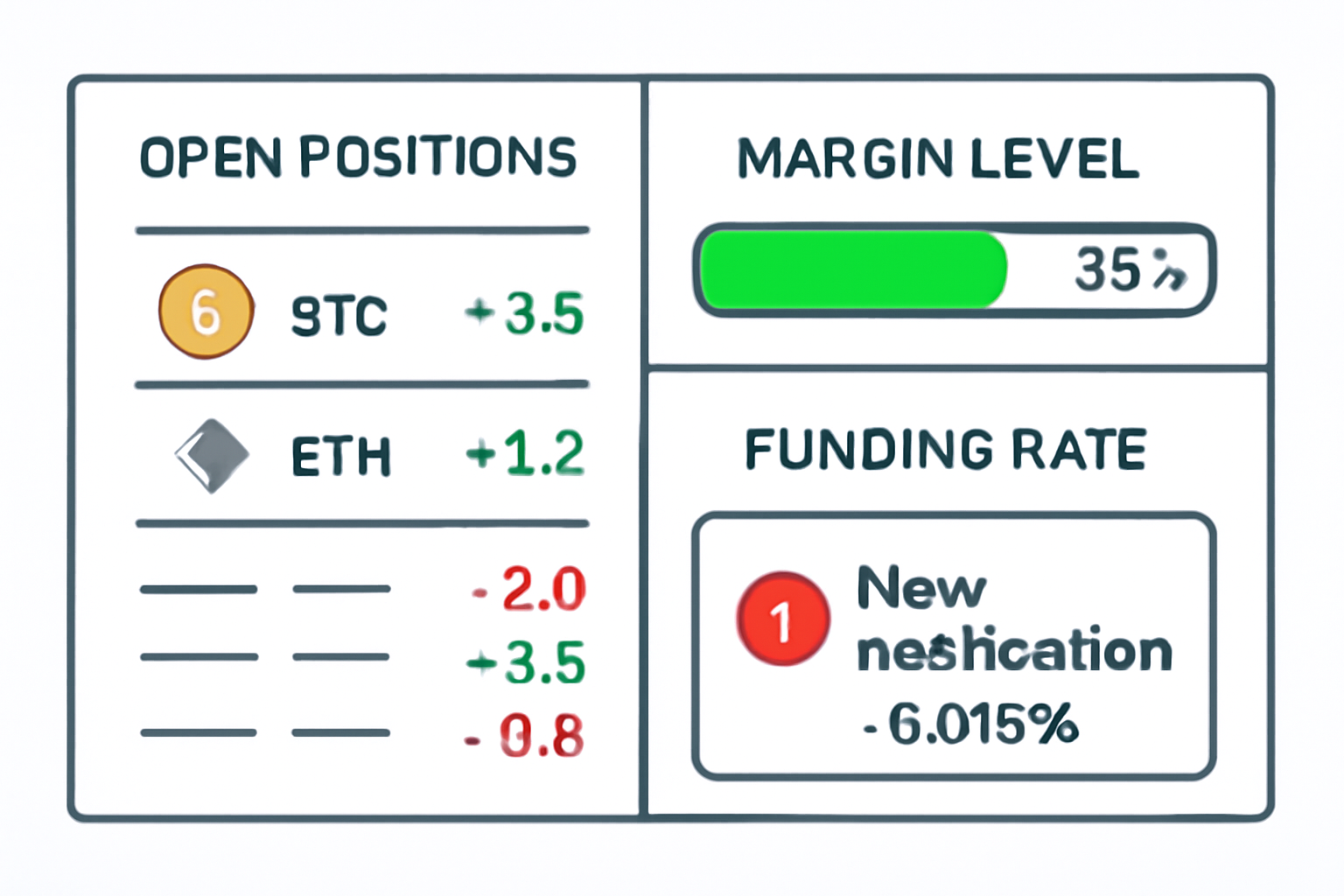
A dashboard displaying open positions, margin levels, and funding rate notifications.
Monitor and Manage Your Position
Track your open positions and watch the market. Pay attention to funding rates, margin levels, and liquidation risk. Adjust your position or collateral as needed to stay in control.
A user closing a trade, with a summary of realized profit/loss and updated wallet balance.
Close Your Position and Secure Profits
When ready, close your position via the DEX interface. Your profit or loss is realized, and your collateral (adjusted for gains or losses) returns to your account. Review your results and prepare for your next move.

The execution flow is straightforward but unforgiving if you skip due diligence:

  • Select stock market from available pairs (e. g. , TSLA/USD)
  • Choose long (if bullish) or short (if bearish)
  • Select position size and preferred leverage ratio
  • Review funding rate info before confirming trade
  • Monitor position and manage margin proactively to avoid liquidation events

Once your trade is live, the real work begins. Perpetual synthetic stocks demand constant vigilance, especially with leverage in play. Unlike traditional stocks, you’re exposed to funding rates that can swing your P and L over time. These periodic payments are exchanged between longs and shorts to keep the synthetic asset’s price tracking its real-world counterpart, ignore them at your peril.

Risk Management and Liquidation: Staying in the Game

The biggest mistake new traders make? Underestimating liquidation risk. Every platform has a collateralization ratio, drop below it and your position gets liquidated, often with little warning. That’s why pros never max out leverage unless they have a tight stop-loss strategy or are actively monitoring positions 24/7.

Set alerts for margin levels and price triggers; use partial closes to lock in profits or cut losses early. Remember, in DeFi there’s no customer support desk swooping in to save you if you mismanage risk. It’s all on you, embrace that responsibility and use it as motivation to level up your discipline.

Essential Risk Management Checklist for Synthetic Perp Stock Trading

  • Define your maximum risk per trade before entering any position🛡️
  • Set a stop-loss order immediately after opening your trade
  • Double-check your chosen leverage and ensure it matches your risk tolerance⚖️
  • Confirm your collateral meets the platform’s margin requirements to avoid liquidation🔒
  • Monitor funding rates and adjust your position if costs become excessive📈
  • Diversify trades—avoid concentrating all capital in a single synthetic stock📊
  • Regularly review your open positions and overall exposure🔍
  • Only trade with funds you can afford to lose—never risk essential capital💸
  • Secure your wallet and recovery phrases before trading🔑
  • Stay updated on regulatory changes affecting synthetic asset trading in your region⚠️
You’ve completed all essential risk management actions—trade smart, stay disciplined, and protect your capital!

Advanced Tactics: Funding Rates, Hedging, and 24/7 Markets

What separates tactical traders from the herd is understanding how to exploit funding rate cycles and volatility spikes. For example: if funding rates flip negative (shorts pay longs), it might signal overcrowding on one side of the trade, a potential contrarian edge.

You can also hedge spot stock exposure by taking an opposite position on a perp DEX, or use synthetic perps as a way to diversify away from crypto-only portfolios. The 24/7 nature of these markets means opportunities, and risks, never sleep. Tools like automated bots or trailing stops can help manage overnight moves when you’re not glued to the screen.

Common Pitfalls and How to Avoid Them

  • Overleveraging: Even with small price moves, high leverage can wipe out your collateral fast.
  • Poor platform security: Only use audited protocols with robust track records; keep wallet recovery phrases offline.
  • Ignoring funding rates: They add up quickly and can erode profits if left unchecked.
  • Lack of regulatory awareness: Trading synthetic assets may not be permitted everywhere, know the rules in your region before diving in.

The Future of Synthetic Stocks in DeFi

Synthetic perp stocks are still early, but adoption is accelerating as more traders seek borderless access to global equities without intermediaries or legacy market hours holding them back. As protocols like Synthetix roll out new assets and gTrade pushes leverage boundaries, expect even deeper liquidity and tighter pricing ahead.

If you’re ready to ditch old-school brokers and embrace self-custody perpetual trading, now’s the time to sharpen your edge. Stay nimble, manage risk ruthlessly, and keep learning from every setup, because every day brings fresh opportunity on-chain.


Synthetic Perp Stocks: Essential FAQs for Decentralized Traders

What are synthetic perp stocks and how do they work?
Synthetic perp stocks are blockchain-based derivatives that mirror the price movements of real-world stocks, allowing you to speculate on price changes without owning the actual shares. These instruments are perpetual, meaning they have no expiration date, and their prices are kept in line with the underlying stock via funding rates. This enables 24/7, permissionless trading on decentralized exchanges (DEXs) like Synthetix, dYdX, or gTrade.
🔄
How do margin calls and liquidation work on synthetic perp DEXs?
When trading with leverage on synthetic perp DEXs, you must maintain a minimum collateral level. If your position moves against you and your collateral falls below the required margin, the DEX will trigger a margin call or automatically liquidate your position to protect the protocol. Always monitor your margin ratio and use stop-losses to manage risk and avoid forced liquidations.
⚠️
What are funding rates and why do they matter in synthetic perp trading?
Funding rates are periodic payments exchanged between long and short traders to keep the price of the synthetic asset in line with the real-world stock. If the synthetic price drifts too far from the underlying, funding rates incentivize traders to rebalance positions. As a trader, you may pay or receive funding depending on market conditions, so always factor this cost into your strategy.
💸
Are there regulatory risks when trading synthetic perp stocks on DEXs?
Yes, regulatory risks exist. Laws regarding derivatives and synthetic assets vary by country, and some jurisdictions restrict or prohibit this type of trading. Always check the regulations in your area before participating. Remember, decentralized platforms may not offer the same protections as traditional brokers, so you are responsible for compliance and due diligence.
⚖️
What are the main risks and best practices for trading synthetic perp stocks?
Trading synthetic perp stocks involves risks such as high volatility, leverage-related losses, and smart contract vulnerabilities. Best practices include using reputable DEXs, securing your wallet, setting stop-losses, and only trading with funds you can afford to lose. Stay updated on platform-specific requirements, funding rates, and always prioritize risk management over chasing high returns.
🛡️