
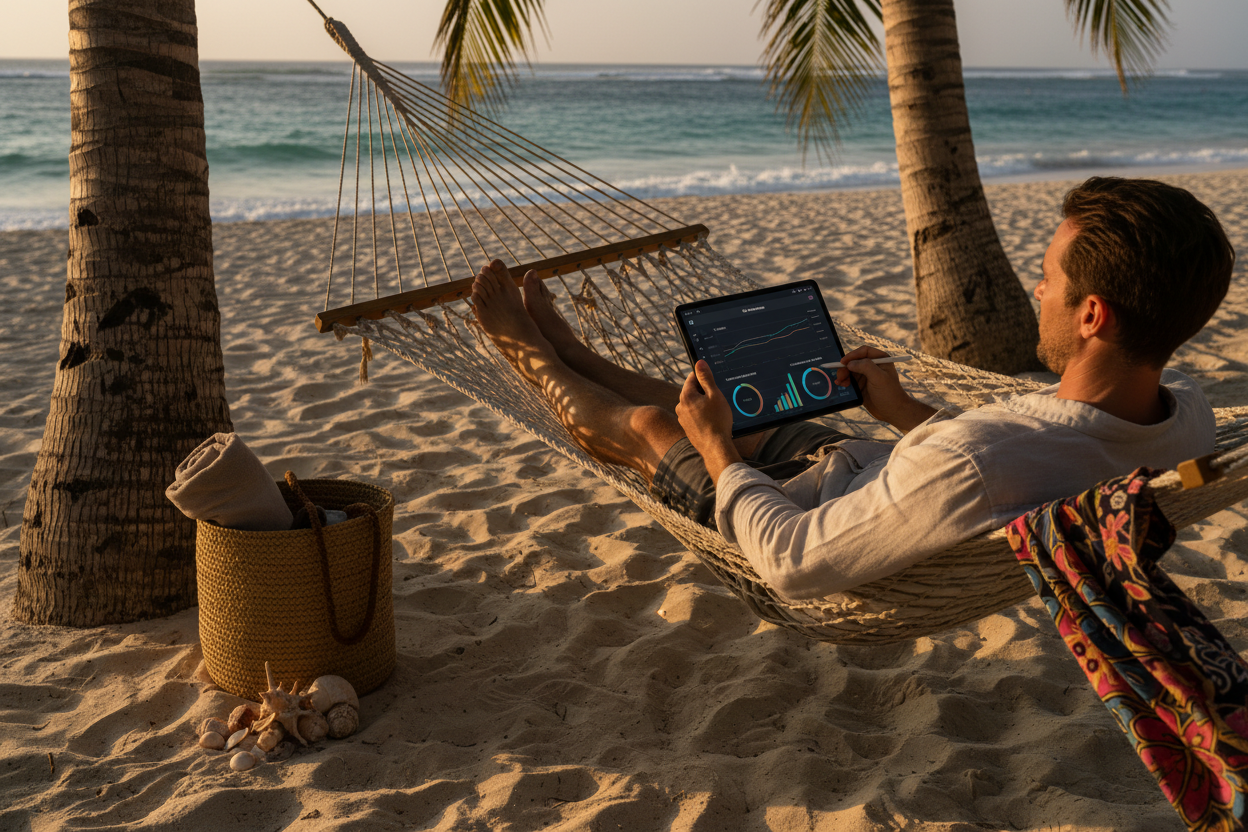
Bitcoin's steady climb to $67,087.00 as of February 12,2026, underscores the enduring appeal of perpetual contracts for capturing its volatility without expiration hassles. In this GMX vs Hyperliquid showdown, we dissect two perp DEX heavyweights through the lens of fees, liquidity, and leverage specifically for BTC perps. Traders eyeing BTC perps DEX comparison in 2026 will find Hyperliquid's order-book edge clashing with GMX's pool-based reliability, each suiting distinct strategies amid rising open interest.
PerpScout. com data reveals both platforms thriving, but choices hinge on cost efficiency for frequent BTC trades. Hyperliquid's ascent, fueled by Layer 2 speed, challenges GMX's multichain dominance on Arbitrum and Avalanche. Let's break it down methodically.
Fee Structures: Where Every Basis Point Counts for BTC Perps
Fees erode edges in high-frequency BTC perp trading, so precision matters. GMX imposes a flat 0.10% swap fee and 0.20% leverage trade fee, plus performance fees on rewards, offset by bundled gas on Avalanche. This simplicity appeals to casual position builders, yet it stacks up less favorably against volume chasers.
Hyperliquid flips the script with an order-book model: maker fee of 0.01% and taker fee of 0.035%, both minimal thanks to Layer 2 gas efficiency. VIP tiers sweeten it further- VIP 1 drops to 0.008%/0.03% for $100k and 14-day volume, scaling to zero maker fees at VIP 3. Market maker rebates even pay providers, like -0.003% for top 0.1% volume. For BTC perps at $67,087.00, this means a $100k long on Hyperliquid costs ~$35 taker-side versus GMX's $200- a 82% savings that compounds in scalping.
My take: Hyperliquid's tiered rebates reward pros grinding BTC volatility, while GMX's predictability suits LPs hedging via GLP pools. In 2026's fee wars, Hyperliquid pulls ahead for perp DEX fees 2026 optimization.
Fees Comparison: GMX vs Hyperliquid (BTC Perps)
| Fee Type | GMX | Hyperliquid |
|---|---|---|
| Swap Fee | 0.10% | N/A |
| Leverage Trade Fee | 0.20% | N/A |
| Maker Fee | N/A | 0.01% (base) |
| Taker Fee | N/A | 0.035% (base) |
| VIP Tiers | N/A | Maker: 0.000% / Taker: 0.02% (VIP 3) |
| Market Maker Rebates | N/A | -0.001% to -0.003% |
| Gas Fees | Bundled (Avalanche) | Minimal (L2) |
Liquidity Depths: Slippage Risks in BTC Perp Markets
Liquidity defines execution quality when BTC swings from $65,839 to $68,428 in a day. GMX's GLP pool boasts $524 million TVL, enabling zero price impact swaps up to 5% pool size. BTC orders execute in 1-1.5 seconds on Arbitrum, faster on Avalanche, with oracle-indexed pricing minimizing front-running.
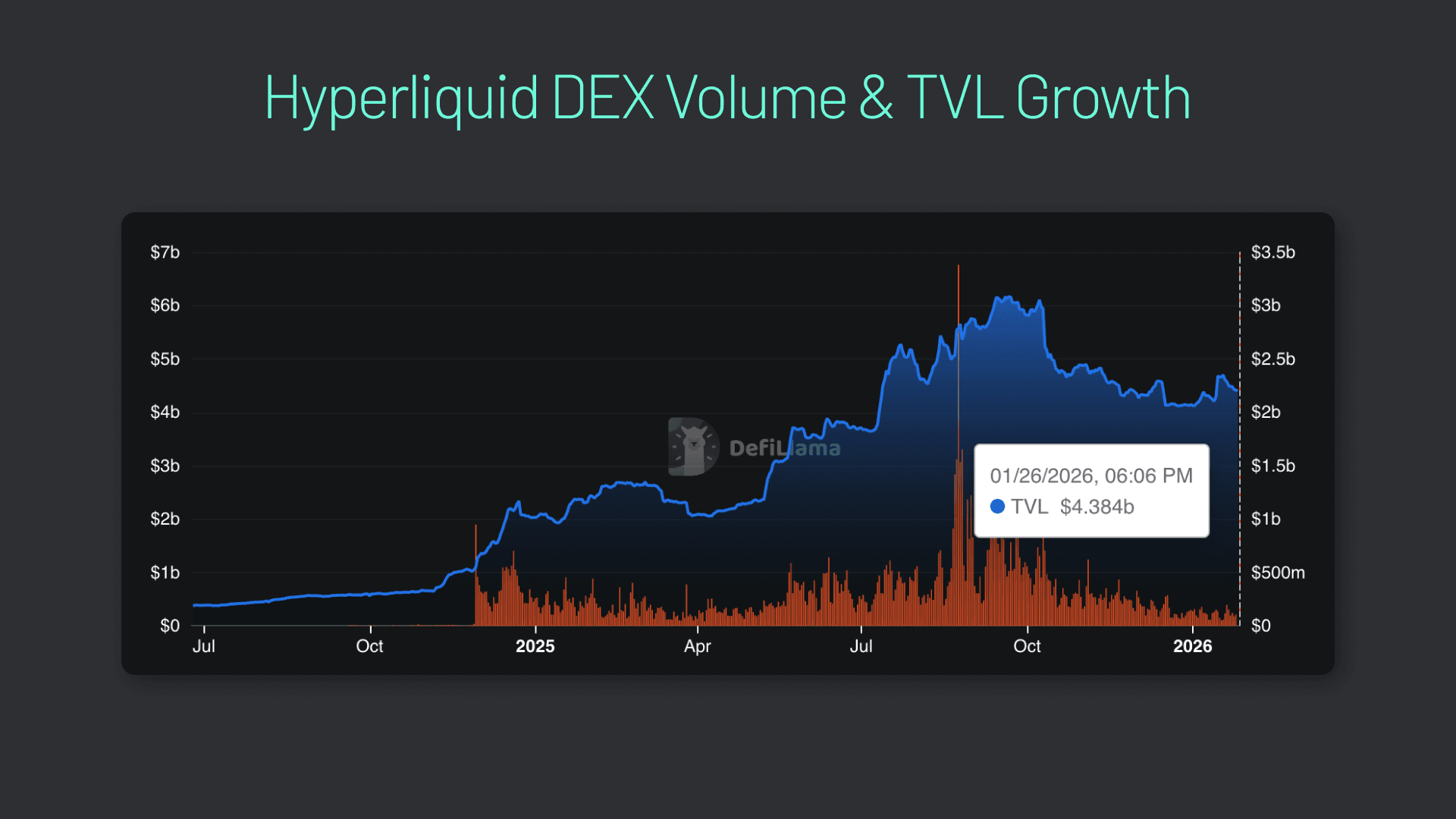
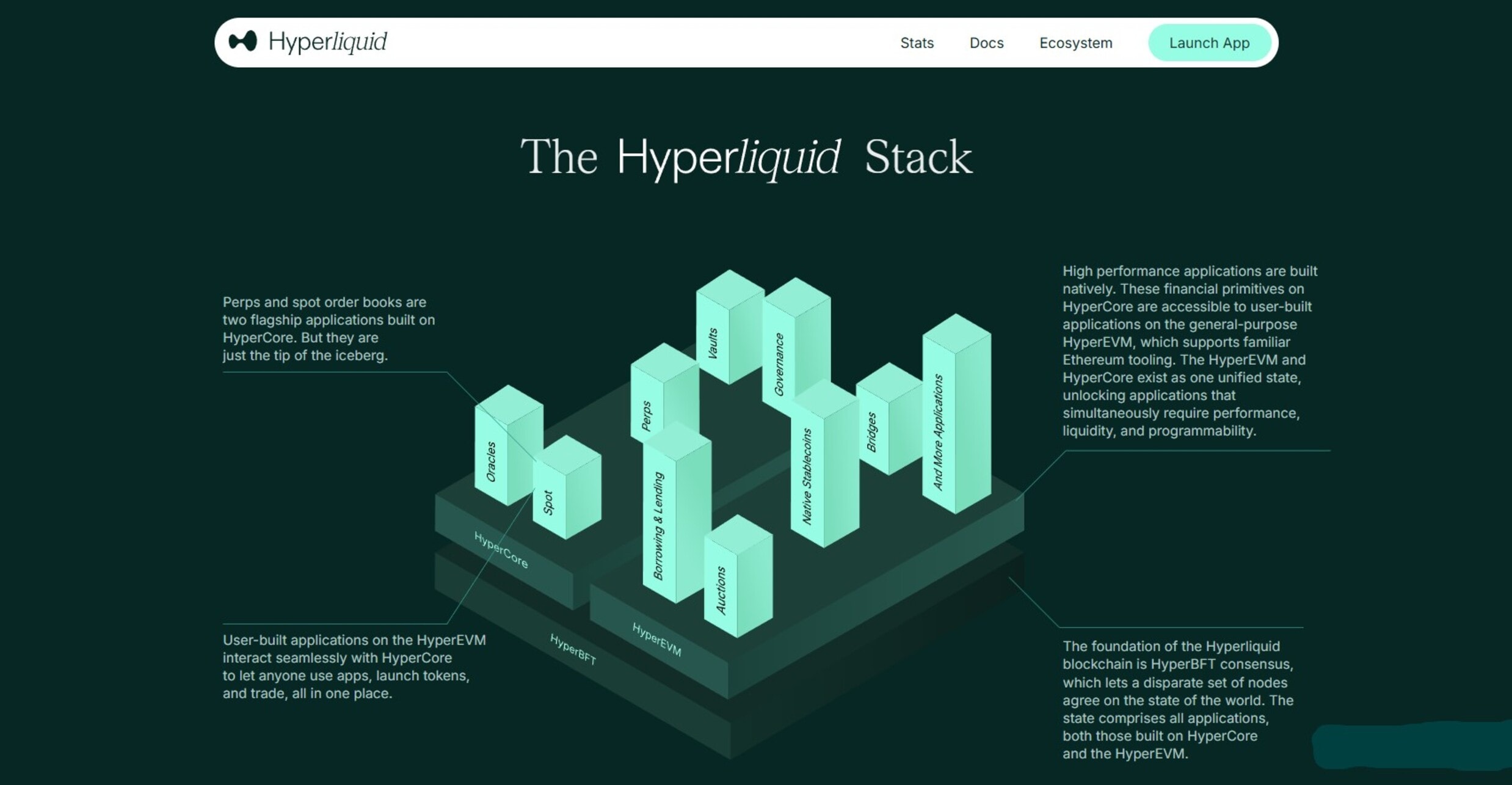
Hyperliquid counters with surging $98 million TVL across multi-pools, absorbing extreme flows via deep aggregate books. Sub-300ms execution leverages L2 throughput, ideal for HFT on BTC perps. Open interest growth signals maturing depth, per MEXC analysis, outpacing GMX in user adoption rates.
Opinion: GMX's pool insulates retail from MEV, but Hyperliquid's book fosters tighter spreads during volatility spikes. For GMX liquidity analysis, pools shine in isolation; Hyperliquid excels in crowded BTC perp arenas.
Leverage Limits: Balancing Risk and Reward on BTC at $67,087
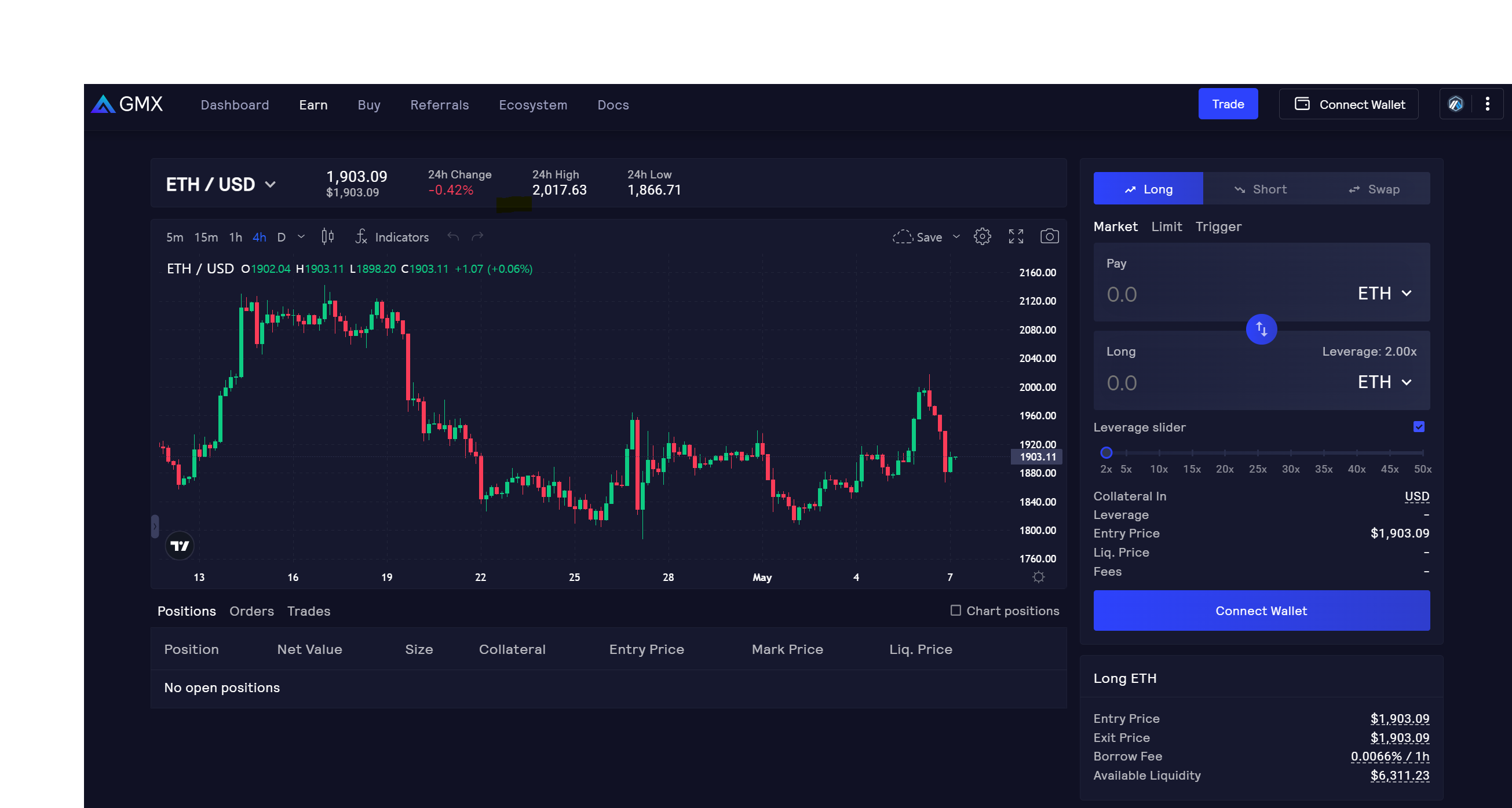
Amplifying BTC's micro-moves demands robust leverage without liquidation traps. GMX offers up to 50x on BTC/USD, with cross/isolated margins for flexible risk silos. This edges Hyperliquid's 40x cap, though both support tailored modes.
GMX's higher ceiling attracts aggressive plays, backed by GLP LPs sharing fees. Hyperliquid tempers with 40x BTC/25x ETH, prioritizing stability via BFT consensus and insurance funds. In practice, 50x GMX invites sharper drawdowns versus Hyperliquid's measured aggression.
Nuance here: Leverage alone misleads; GMX's 100x historical nods (per The Block) evolve conservatively, while Hyperliquid's framework suits Hyperliquid BTC leverage precision traders. Check tier lists for context, like at this Hyperliquid competitor analysis.
Bitcoin (BTC) Price Prediction 2027-2032: Impact of GMX vs Hyperliquid on BTC Perps Trading
Forecasts based on 2026 market data ($67,087 baseline), enhanced DEX liquidity, lower fees, and higher leverage efficiency driving increased trading volume and adoption
| Year | Minimum Price | Average Price | Maximum Price | YoY % Change (Avg from Prior Year) |
|---|---|---|---|---|
| 2027 | $65,000 | $95,000 | $140,000 | +42% |
| 2028 | $110,000 | $165,000 | $280,000 | +74% |
| 2029 | $160,000 | $280,000 | $450,000 | +70% |
| 2030 | $220,000 | $380,000 | $600,000 | +36% |
| 2031 | $300,000 | $500,000 | $800,000 | +32% |
| 2032 | $400,000 | $650,000 | $1,000,000 | +30% |
Price Prediction Summary
Bitcoin's price is forecasted to experience substantial growth through 2032, fueled by the 2028 halving cycle, superior perpetual trading efficiency on platforms like Hyperliquid (lower fees, faster execution) and GMX (higher leverage, pool liquidity), boosting volume and institutional adoption. Average prices could surge from $95K in 2027 to $650K by 2032 (CAGR ~47%), with min/max reflecting bearish corrections and bullish peaks.
Key Factors Affecting Bitcoin Price
- 2028 Bitcoin halving reducing supply issuance amid rising demand
- DEX advancements: Hyperliquid's sub-0.035% fees and <300ms execution vs GMX's 50x leverage and zero-impact pools driving perp volume
- Regulatory tailwinds enabling ETF expansions and institutional inflows
- Layer-2 scaling and oracle improvements enhancing liquidity ($524M GMX TVL, growing Hyperliquid)
- Macro trends: Inflation hedging, global adoption, and BTC dominance in a maturing market
Disclaimer: Cryptocurrency price predictions are speculative and based on current market analysis. Actual prices may vary significantly due to market volatility, regulatory changes, and other factors. Always do your own research before making investment decisions.
Real-world BTC perp trading at $67,087.00 exposes these specs to volatility tests, where GMX's pool absorbs shocks predictably, but Hyperliquid's book tightens during surges like the recent 24-hour high of $68,428.00. Leverage caps matter less than how platforms handle funding rates and liquidations amid BTC's and 0.002680% drift.
Volatility Performance: BTC Perp Resilience Under Fire
GMX's GLP model shines in isolation, routing trades against the pool to sidestep order-book slippage when BTC dumps to $65,839 lows. Oracle pricing curbs manipulation, and Avalanche bundling keeps gas under $0.50 even in congestion. Yet, larger positions beyond 5% pool trigger impact, nudging pros toward smaller bites.
Hyperliquid thrives here, its multi-pool books and 300ms fills enabling scalps on BTC's intraday swings. BFT consensus and redundant oracles fortify against exploits, while the insurance fund cushions outliers. Nasdaq notes Hyperliquid's HYPE token up 30% monthly, mirroring OI expansion that bolsters BTC perp depth beyond GMX's TVL lead.
From my CFA lens, Hyperliquid edges volatile BTC plays for speed demons, but GMX's determinism fits patient accumulators avoiding taker premiums. Both outpace rivals like dYdX in 2026 DEX rankings per Coinspot and The Block.
GMX vs Hyperliquid: BTC Perps Pros & Cons
- GMX Pro: Up to 50x leverage on BTC/USD perpetuals, higher than Hyperliquid's cap.
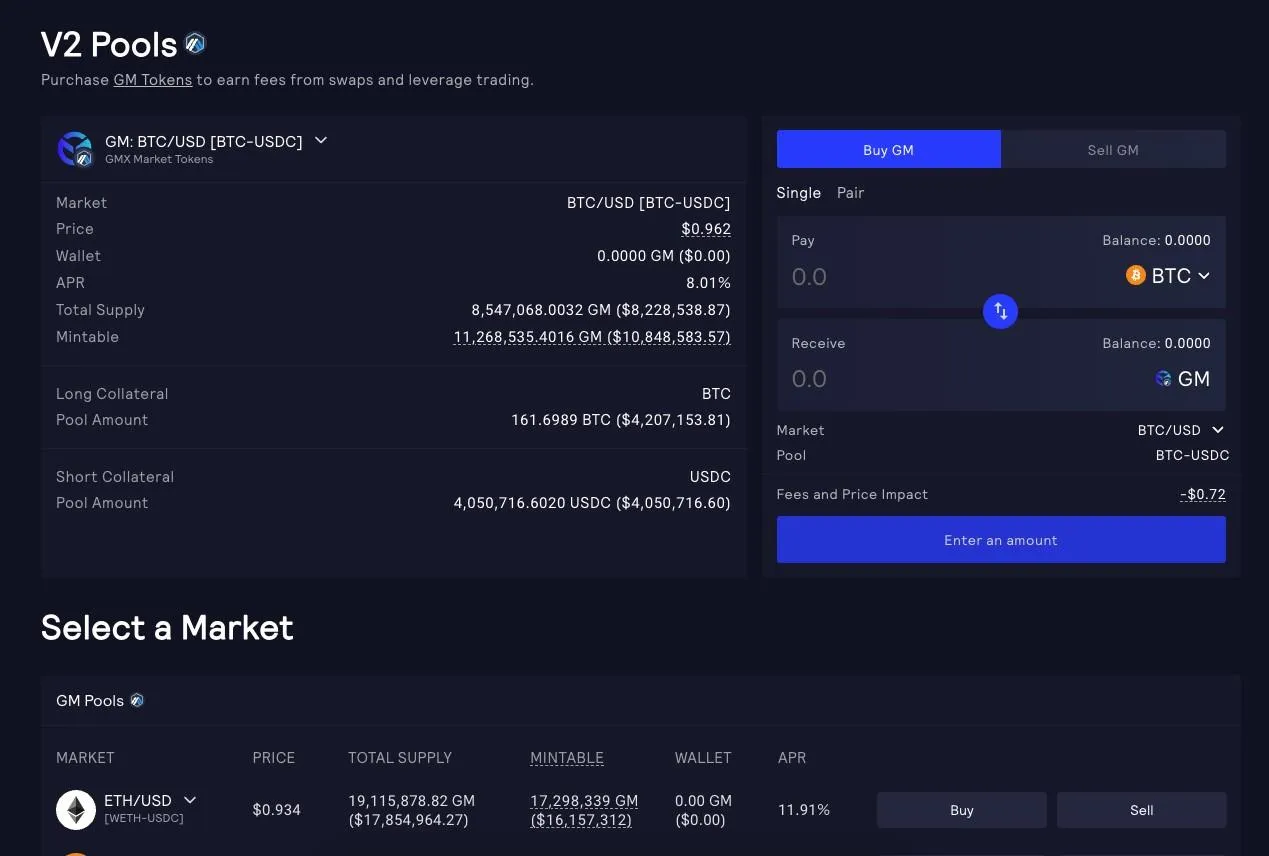
- GMX Pro: Zero price impact for small trades up to 5% of GLP pool size.
- GMX Pro: LP yields via GLP pool, earning share of trading fees.

- GMX Con: Higher flat fees at 0.20% leverage trade fee.
- GMX Con: Slower fills at 1-1.5 seconds on Arbitrum.
- Hyperliquid Pro: Tiered low fees: Maker 0.01%, Taker 0.035%, VIP rebates up to -0.003%.
- Hyperliquid Pro: Sub-300ms execution speeds via Layer 2.
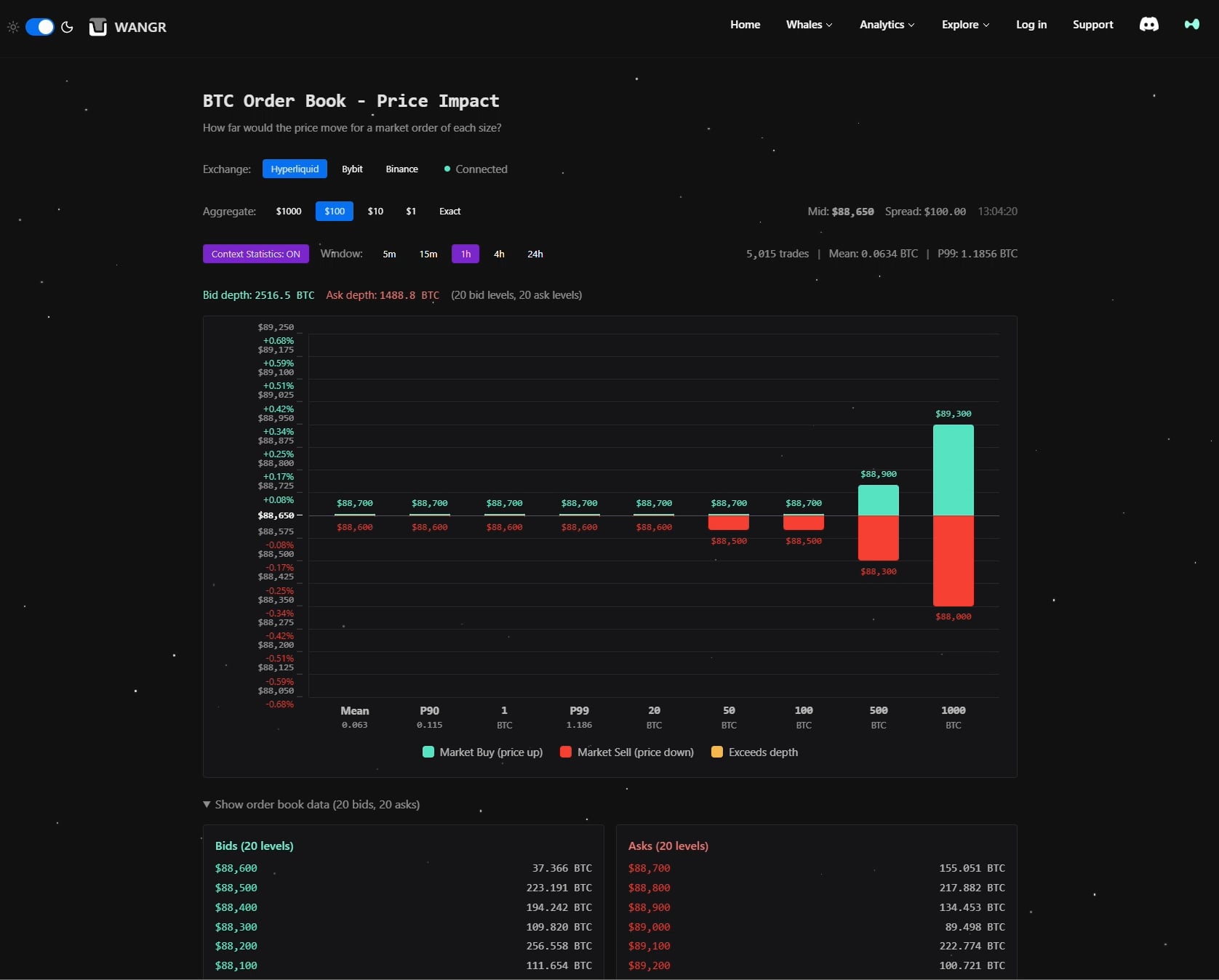
- Hyperliquid Pro: Deep books with multi-pool design for strong liquidity.
- Hyperliquid Con: 40x leverage cap on BTC futures.

- Hyperliquid Con: Orderbook risks like slippage in thin hours.
User Tools and Integrations: Beyond Basics for BTC Perp Traders
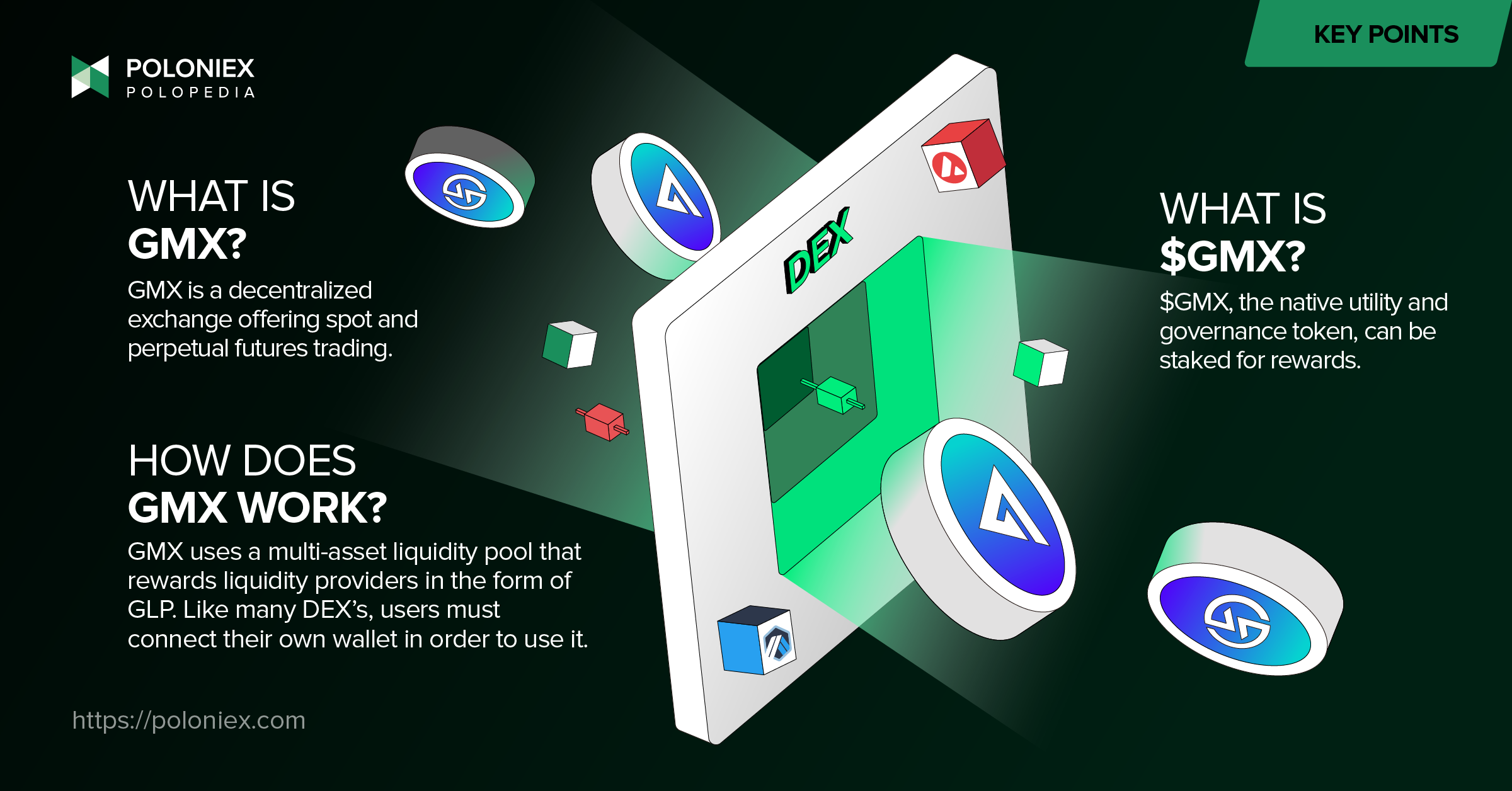
GMX integrates seamlessly across Arbitrum and Avalanche, with mobile support via wallets like MetaMask. GLP providers earn 70% of fees, turning passive capital into yields, while GMX token governance evolves features like dynamic leverage. Documentation details price impact curves, arming traders analytically.
Hyperliquid mimics CEX polish: 100 and markets, ergonomic UI, and VIP dashboards tracking volume tiers. L2 settlement slashes latency, suiting API bots for BTC perps. OKX highlights its 40x BTC limits drawing whales, with MEXC forecasting HYPE surges on user growth.
Practical edge goes to Hyperliquid for pros chaining trades, but GMX's multichain pools democratize access without KYC hurdles. In BTC perps DEX comparison, Hyperliquid's UX rivals Vertex, per SourceForge charts.
GMX vs Hyperliquid: Overall Comparison for BTC Perps (2026)
| Metric | GMX | Hyperliquid |
|---|---|---|
| TVL | $524M | $98M |
| Max Leverage (BTC) | 50x | 40x |
| Taker Fee | 0.20% | 0.035% |
| Execution Speed | 1-1.5s | <300ms |
| Security | Pool/Oracle | BFT/Insurance |
| Ideal For | LP Hedgers | HFT Scalpers |
Strategic Verdict: Picking Your BTC Perp Arena in 2026
For scalpers riding BTC's $67,087.00 consolidation, Hyperliquid's rebates and speed compound edges, especially VIP climbers. Swing traders favor GMX's 50x firepower and fee-sharing, hedging via GLP amid funding flips. Risk-averse? Hyperliquid's audits and funds provide ballast; yield hunters stick to GMX pools.
PerpScout metrics project Hyperliquid capturing more OI share by mid-2026, challenging GMX's liquidity throne. Yet neither dominates outright: blend them via multichain wallets for optimal perp DEX fees 2026 arbitrage.
Traders dissecting GMX vs Hyperliquid should audit their volume and style against these pillars. With BTC steady, platforms evolve fast; monitor PerpScout for shifts in TVL and OI to refine positions dynamically. Patience pairs with data for outsized returns in perp arenas.



No comments yet. Be the first to share your thoughts!